

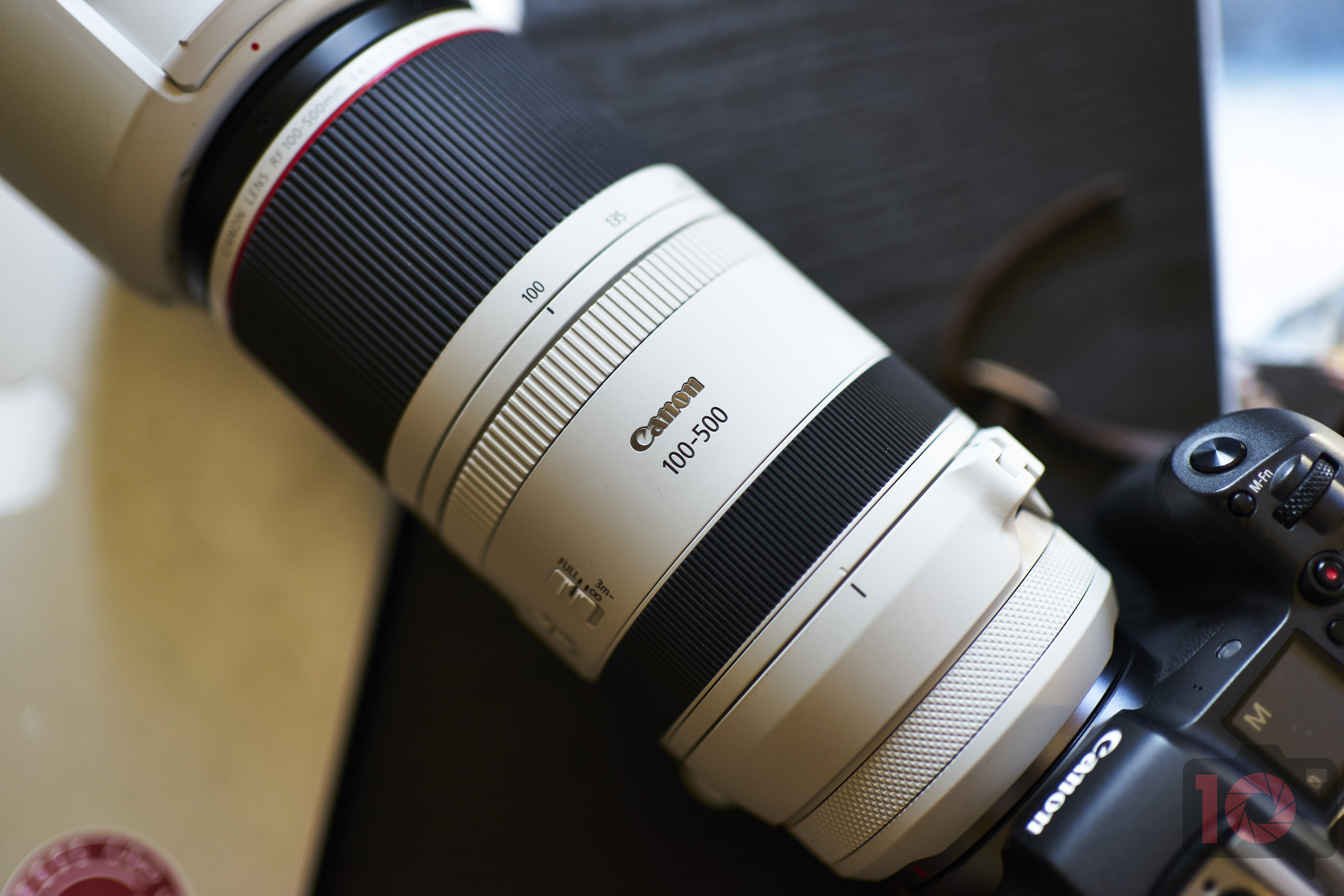
Canon’s fast and intelligent autofocus system makes it one of the best systems to buy into for wildlife photography. In fact, a Canon mirrorless body takes the top spot on both our list of the best wildlife photography cameras overall and the best budget options under $2,000. But, the camera is only half of the equation. The best wildlife photography lenses for Canon take advantage of that quick, animal detection autofocus with a long reach, excellent stabilization, and, of course, magazine-worthy image quality.
Wildlife photography is a demanding genre that requires a fast autofocus and telephoto reach. Those demands tend to drive up the price of wildlife photography lenses, making careful consideration even more key. We’ve reviewed lenses from compact 100-500mm optics to $13,000 bright telephoto primes. Here are the Canon RF mount lenses we think are worth considering for wildlife photography.
Table of Contents
WHY YOU SHOULD TRUST US

The Phoblographer has been doing real-world photography gear tests longer than any other photography publication currently run. We also have the largest database of real-world lens reviews, amongst other things like straps, camera bags, lights, accessories, and more. Here’s why that matters:
- AI Can’t Do This Job: These days, other publications do roundups, sometimes using generative AI. That’s the same as a person researching products and then making a decision without actually trying it. All of our reviews and guides are written not just by humans but by working photographers — not AI. Computers don’t use cameras, so why would you trust AI to recommend cameras for you?
- Research and Practical Experience: Here at the Phoblographer, humans consult on what roundups to do with guidance from an editor. Then, a human goes through our database of reviews and selects the best products based on our own internal research. The human creating the roundup has practical experience with photography gear and will apply their knowledge of what’s best to the already human-based experience provided in our reviews.
- We Block AI Bots: The Phoblographer blocks indexing bots from reading our site, so what’s here can only be read here.
How we Test and Choose the Best Wildlife Photography Lens for Canon
- The Phoblographer’s various product round-up features are done in-house. Our philosophy is simple: you wouldn’t get a Wagyu beef steak review from a lifelong vegetarian. And you wouldn’t get photography advice from someone who doesn’t touch the product. We only recommend gear we’ve fully reviewed in these roundups.
- If you’re wondering why your favorite product didn’t make the cut, there’s a chance it’s on another list. If we haven’t reviewed it, we won’t recommend it. This method keeps our lists packed with industry-leading knowledge. Some of our stories include affiliate links. If you buy something through one of these links, we may earn an affiliate commission.
- When we test lenses, we’ve got various things in mind. First off, we consider who might want to buy the lens and what they might do with it. With that in mind, we try to tackle at least three genres of photography with that lens in a variety of situations. If the lens has weather resistance, then we’ll test it accordingly with a weather-resistant camera. We also test the autofocus of the lens in continuous mode, single mode, with exposure preview effects, without those effects, and then with all the major image quality parameters. These days, no one really makes a bad lens — but some are far better than others.
- In this specific roundup, we’re basing our findings on the reviews that we’ve done. We’re choosing a favorite, but we’re also giving photographers a bunch of others that they might like, depending on how they shoot.
Our Choice Among the Best Wildlife Photography Lens for Canon: Canon RF 100-500mm f4.5-7.1 L IS USM
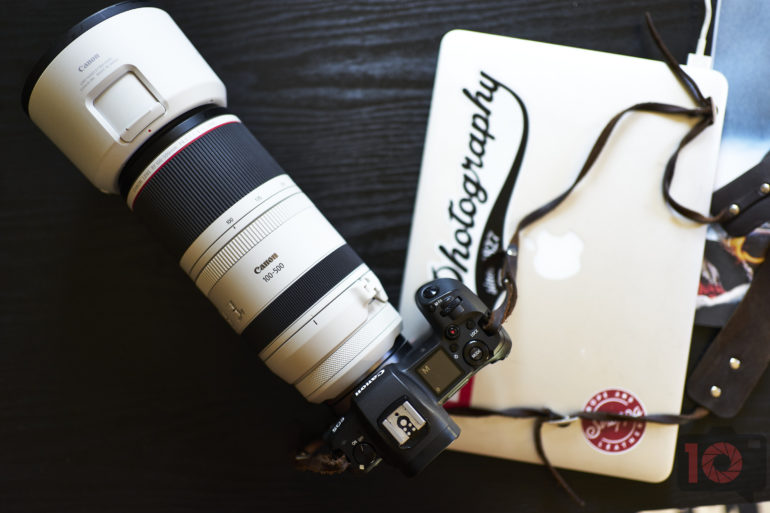
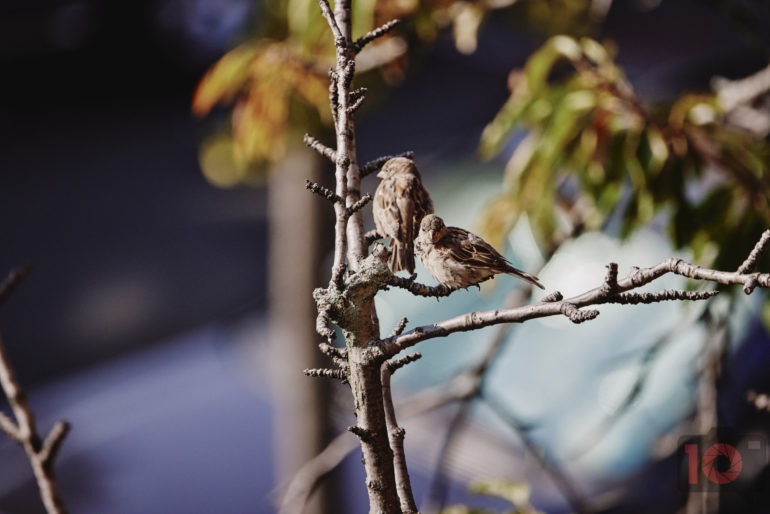
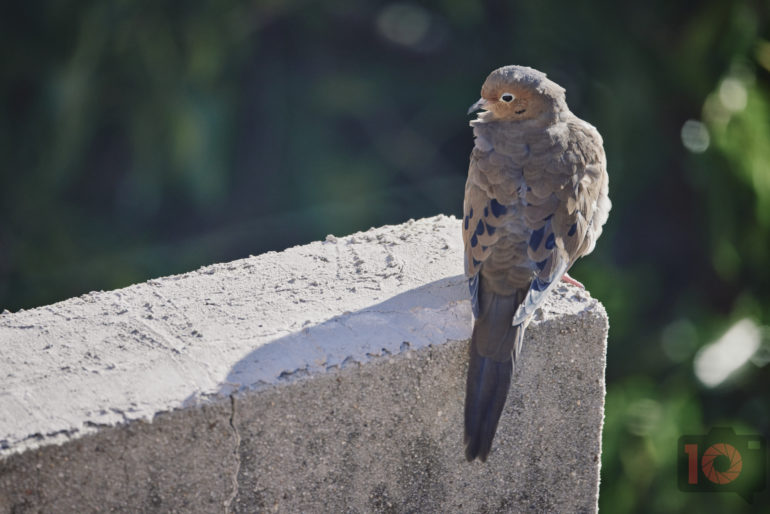
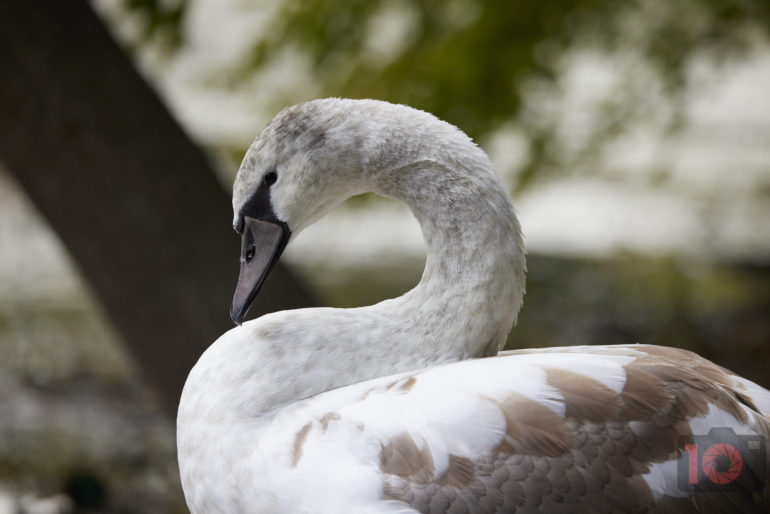
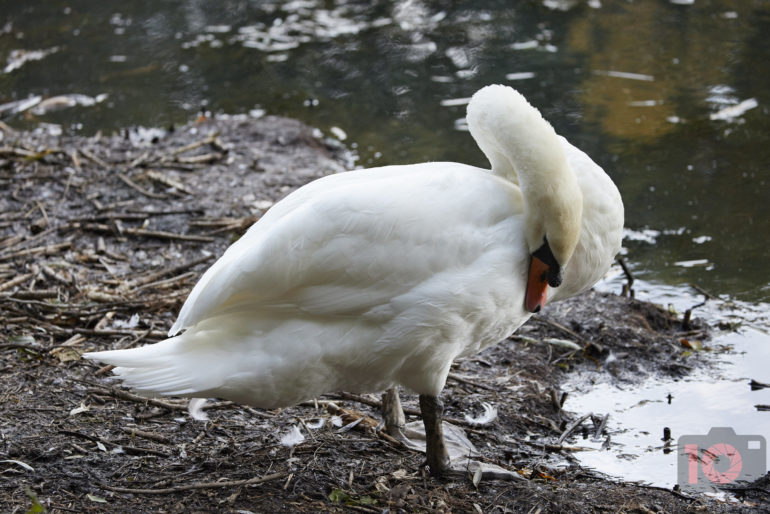
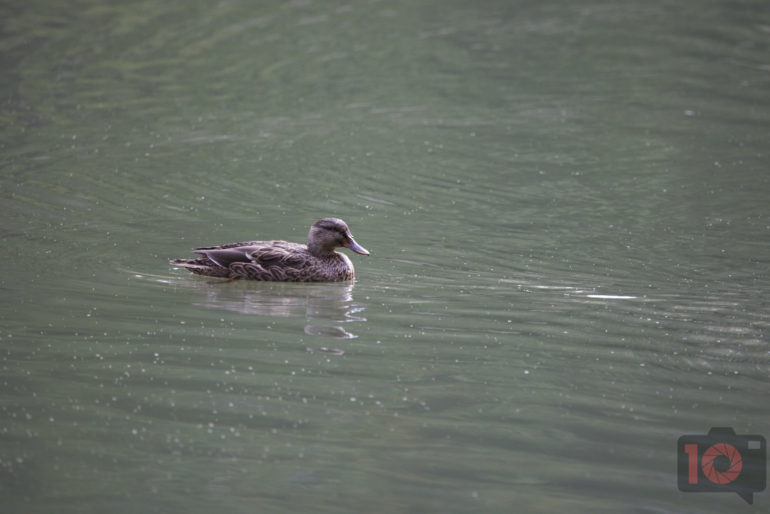
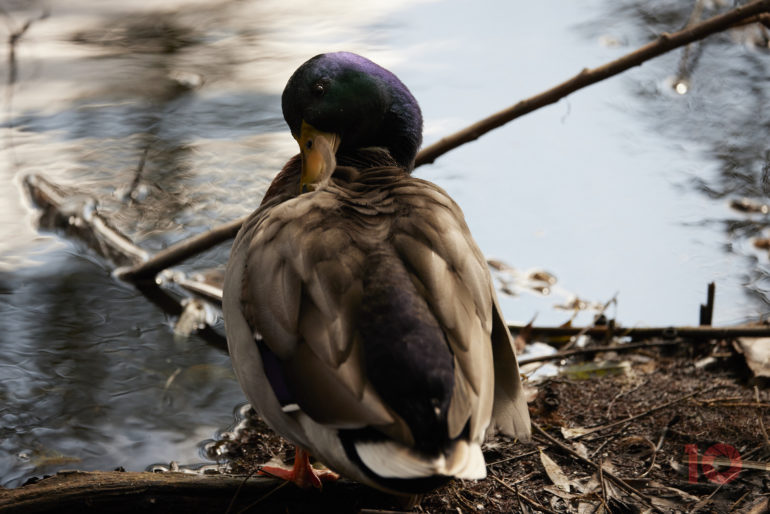
If there’s one Canon RF mount lens that balances the zoom and speed wildlife photographers need with the portability and durability they want, it’s the Canon RF 100-500mm f4.5-7.1 L IS USM. The zoom lens doesn’t have the ultra-bright aperture of Canon’s telephoto primes, but, on a full-frame camera, the lens is more than capable of taking stunning wildlife images. The trade-off for that narrower f7.1 aperture at the long end is a super telephoto zoom that’s easy enough to hike with. While the L series build means it’s not a spontaneous purchase, the price is actually reasonable compared to other lenses that offer a 500mm reach.
In our Canon RF 100-500mm review, we state:
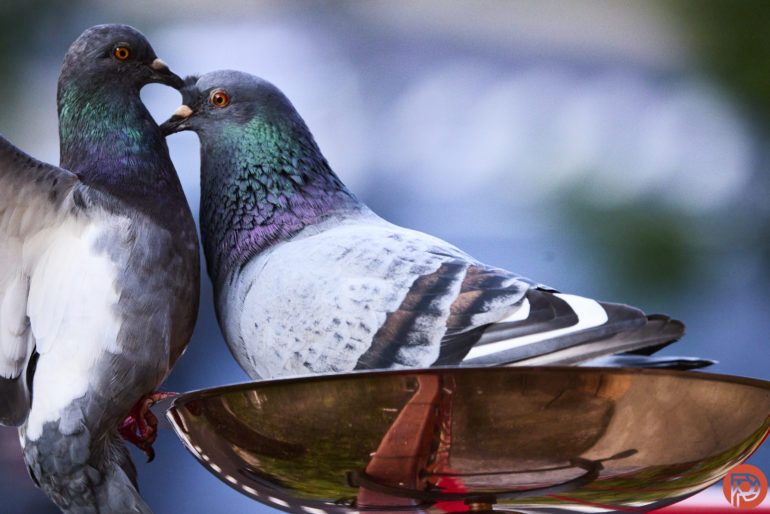
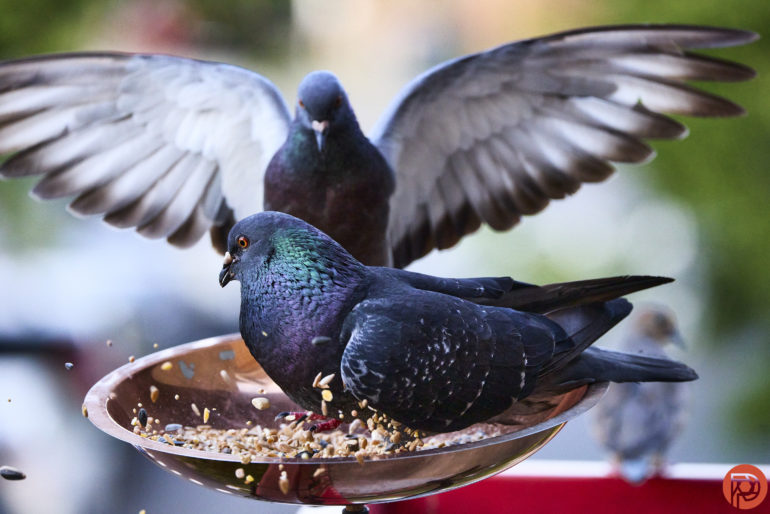
Here’s the deal, the Canon RF 100-500mm f4.5-7.1 L IS USM is an excellent lens. There isn’t really a single flaw about it. It’s compact compared to some competitors, the image quality is wonderful, and it’s weather sealed. And $2,699 for what you’re getting isn’t too awful of a price point, though it’s also not a no-brainer purchase. For what this lens is, it’s exemplary, and I think that any serious birding photographer will really enjoy it as long as you’re not hiking with it for a while. There isn’t much to complain about with the Canon RF 100-500mm f4.5-7.1 L IS USM.
Canon RF 100-500mm Pros and Cons
PROS
- Pretty light
- Fast-focusing
- Image stabilization is awesome
- Nice colors
- Gorgeous bokeh
- Super sharp
CONS
- Expensive
- F7.1 max aperture at the long end
For Some Photographers, these Might be the Best Wildlife Photography Lenses for Canon
The Canon RF 100-500mm is our top pick because it balances the image quality, performance, and versatility wildlife photographers need with a body that’s not terrible to haul around and a price that’s not horribly shocking. But, prime lenses can offer even more background blur and light-gathering capabilities, while some photographers may find L glass out of their price range. These three other RF mount lenses from Canon all have other unique features worth considering for photographing wildlife.
Canon RF 600mm f4
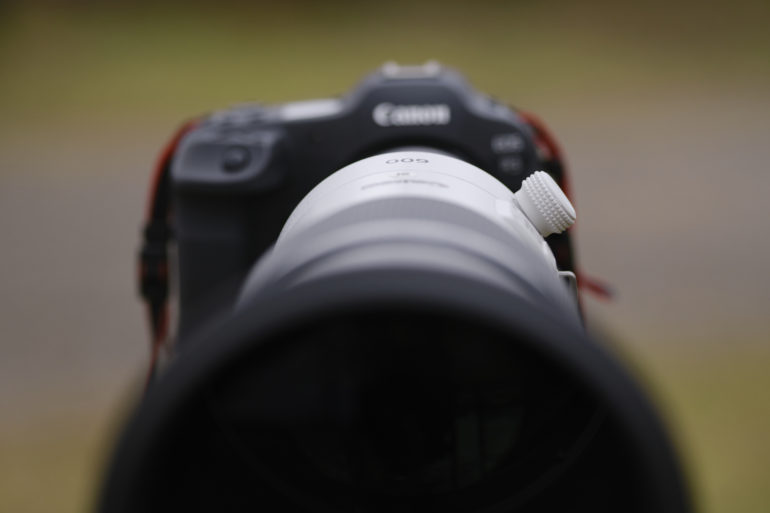
If you turned up your nose at the thought of an f7.1 aperture lens, then the Canon RF 600mm f4 may be more your style. The prime loses the versatility of zoom but offers beautiful depth, colors, and bokeh. The trade-off? That f4 aperture with a 600mm reach means the lens is a beast that’s difficult to hike with — and also retails for $13k.
In our Canon RF 600mm f4 review, we state:
The Canon RF 600mm f4 is a heavy, expensive lens. Yet, the images are worth hauling such a large optic around, with rich color, soft backgrounds, and close detail. The autofocus keeps up 95 percent of the time and the image stabilization makes it possible to shoot handheld (though still uncomfortable). The large lens was a conversation starter among other bird photographers, so perhaps it is not ideal for introverts.


Canon RF 400mm f2.8 L IS USM
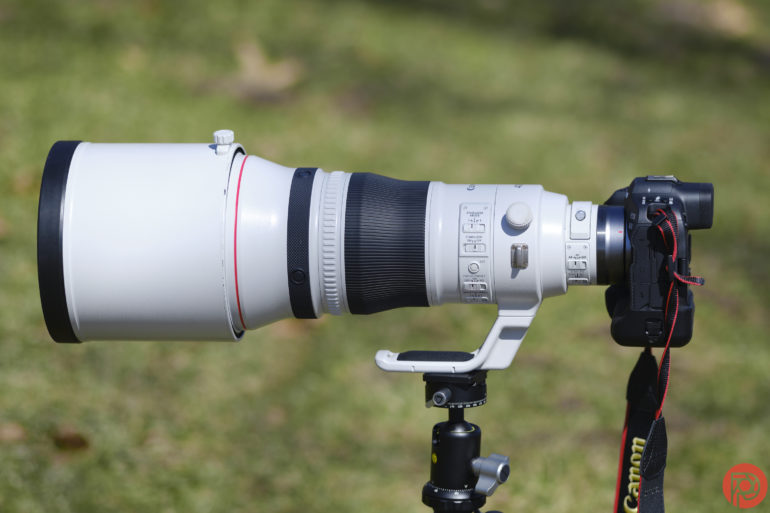
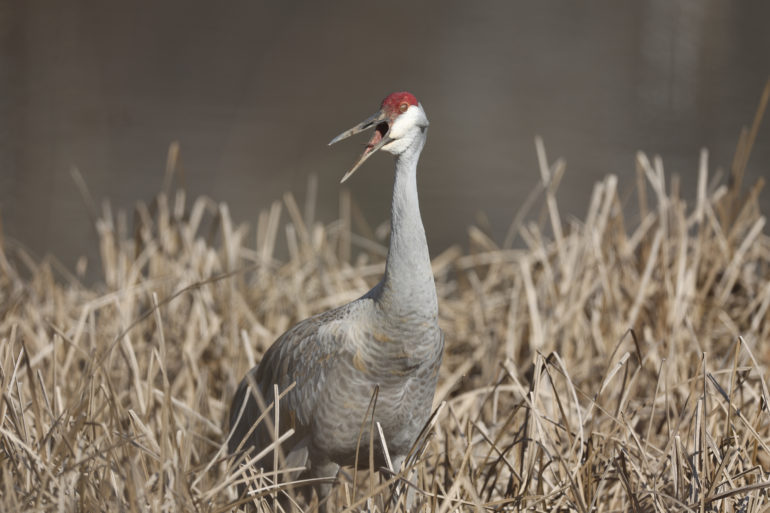
The Canon RF 400mm f2.8 L IS USM is both a little lighter and brighter than the 600mm prime. The 400mm lens was a bit easier to manage hiking with, though, at times, I missed the extra 200mm of reach from the 600mm. Still, the f2.8 paired with the long reach makes backgrounds melt away from a sharply captured bird. The autofocus has the speed the wildlife genre demands and weather-sealing is a big plus. Like the 600mm, however, it’s very pricey and still quite heavy to lug around.
In our Canon RF 400mm f2.8 review, we said:
The Canon RF 400mm f2.8 L IS USM is an excellent piece of glass. The bokeh is dreamy while subjects remain sharp. The autofocus has a great hit rate even with action. And the durability and control scheme is made for pros.


Canon RF 100-400mm f5.6-8 IS USM
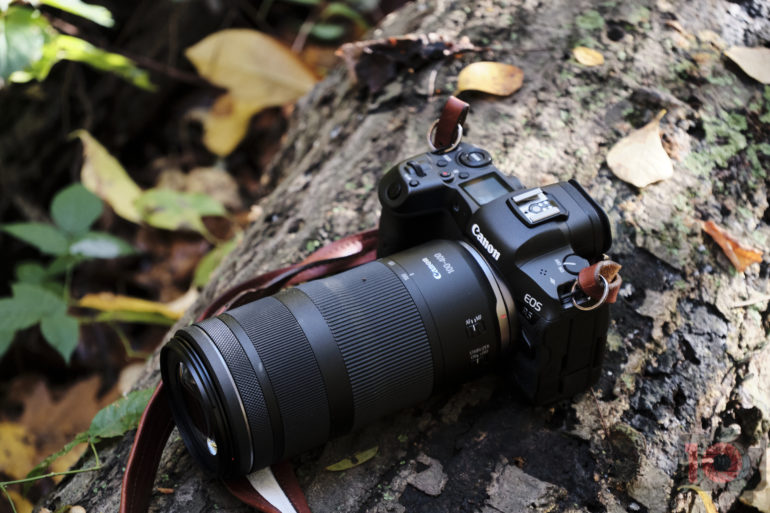
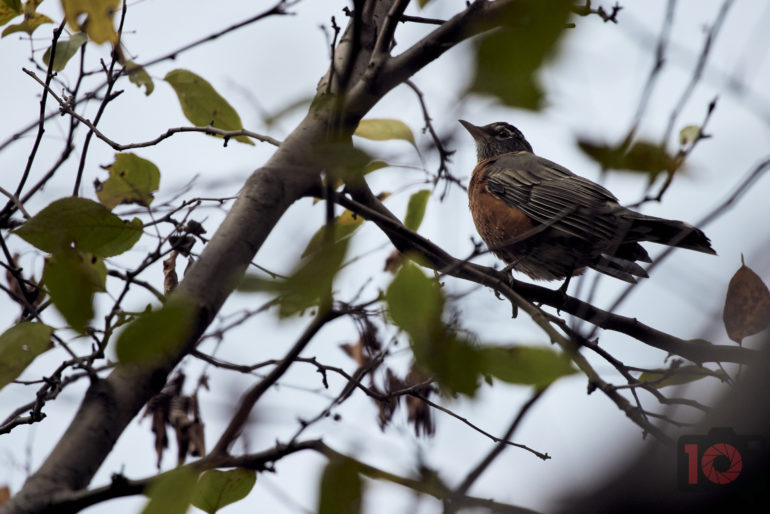
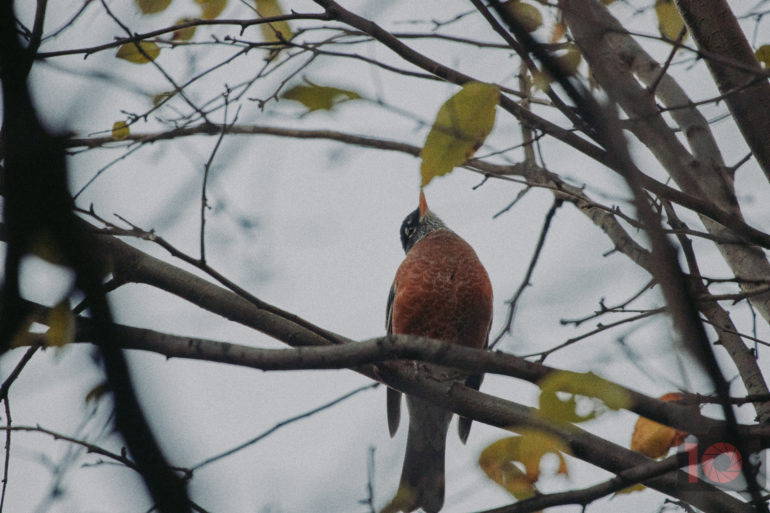
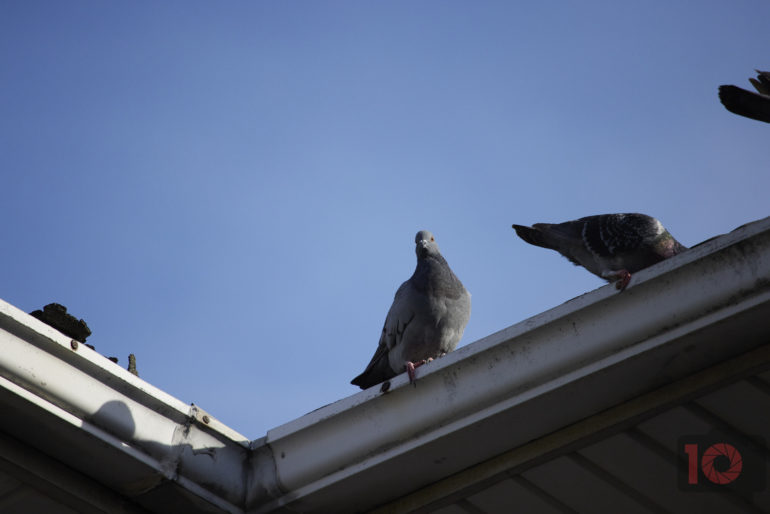
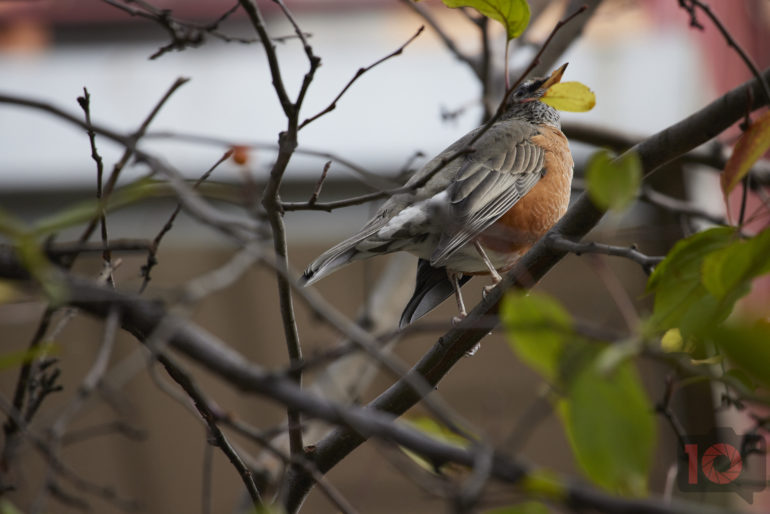
The three L-series super telephotos above deliver professional-level results for wildlife photography. But, A Canon body also takes the top slot in our list of the best cameras for wildlife photography under $2,000, with the Canon EOS R7. For hobbyists and beginners on a budget, the R7 and similar Canon bodies pair well with the RF 100-400mm f5.6-8 IS USM. For only $649, the lens offers excellent reach, with good autofocus and image stabilization. While the image quality isn’t on the same level as the L lenses in this list, it’s pretty nice for such an affordable lens. The biggest downsides are that the bird-detection autofocus doesn’t work as well with this lens and there’s no weather-sealing to help keep dust and moisture out.
In our Canon RF 100-400mm review, we said:
The Canon RF 100-400mm f5.6-8 IS USM is a very capable lens on the right camera. At the same time, if I bought a higher-end Canon camera, I don’t think I’d buy the Canon RF 100-400mm f5.6-8 IS USM. I’d feel it’s a waste. Why would I shell out so much money for a weather sealed camera and not care any bit about the lens being sealed? That’s just odd. All of Canon’s RF cameras have weather sealing as of this moment. And the more affordable ones can’t use the features that you’d need with a lens like this. So again, it’s in a very weird place.
Using this Guide to the Best Wildlife Photography Lenses for Canon
If you’re considering purchasing anything from this list, consider the following:
- All the product images and sample photos in these roundups are shot by our staff. In fact, we don’t talk about products at length in roundups like this unless we’ve done full reviews of them. But you can surely know that we’ve done all the research ourselves.
- We’d never recommend a product to you that we haven’t tested or that we really didn’t like. You can reference our linked reviews, for more information on this.
Tips on Choosing the Best Canon Wildlife Photography Lens

Wildlife photography is one of the more demanding genres, requiring more telephoto reach as well as more speed. That means the lens plays a pivotal role in creating the right gear setup for photographing birds and animals.
- Consider how you’ll be using the lens. Will you be sitting in a wildlife blind waiting for an opportunity? Or do you prefer hiking and photographing whatever animals you come across? If you prefer the latter, move lightweight and compact higher up your list of priorities. If you prefer to sit and wait, invest in a good tripod too to keep the strain of a big telephoto off your shoulders.
- Skittish animals require more reach. Photographing birds off a feeder, I can get away with something like a 300mm. But when I’m hiking and trying to photograph larger, more timid animals, I want all the reach I can get.
- If you pair the lens with a higher resolution body, you’ll have more flexibility to crop in even closer, either through editing or the camera’s built-in 1.3x crop mode. With a lower-resolution body, getting that longer optic becomes even more important.
- The physics of moving more lens pieces on a longer telephoto means this type of lens can take longer to lock focus. Thankfully, the lenses on this list were all praised for their quick autofocus, leading to fewer missed opportunities.
Picking the right Canon Wildlife Photography Lens for you
- What’s your budget?
- How will you use the product?
- What lighting situations are you in, and how will that affect what you’re doing? Our reviews hyperlinked in this article can help with that.
- Are you traveling a lot with it?
- Will you be using it in a situation that’s a bit rougher?
- Who else uses this product? How are they using it?
- What’s so appealing about this product that I can’t get from what I have already or something else?
- When will I really have time to use this product?
- Where will I bring this product?
- How will this product help bring me joy and joy in my photography?
Get rid of the ads!
Did you enjoy reading this article as much as we enjoyed writing it? There's a way to support us and our reporting, getting ad-free navigation and more as a bonus. Subscribe to us for less than a coffee per month —just $3.99— or take advantage of our yearly subscription with a hefty discount for only $25.- An ad-free experience
- A free mystery box for Lightroom or Capture One
- All the books in our store
- 20% discount on Capture One
- 30% discount on Imalume Photo Theft Protection
- 20% off Herbs and Kettle Tea Company.
- 20% off your order from MPIX printing services.
- 5% off Viltrox Products via their eCommerce store.
- 10% off all film developing, printing and scanning services from Blue Moon Camera and Machine
- 15% off 7Artisans products: The lens and accessory maker is offering a sweet discount for Phoblographer's readers.