Finding a full-frame mirrorless camera that takes bad pictures is hard to do — most are quite excellent paired with a good lens. But if there’s one thing that separates the great cameras from the mediocre, it’s this: low light autofocus. While factors like ergonomics and image quality still matter, the autofocus performance often determines whether or not the camera can get the shot.
When full-frame mirrorless cameras first debuted, autofocus in low light was considerably behind the longstanding DSLR. But as contrast-based autofocus gave way to technology like phase detection and then hybrid systems mixing both technologies, mirrorless cameras have quickly surpassed DSLRs.
Still, some mirrorless cameras struggle in low light. Speed slows, and features like eye detection become less accurate. Most systems struggle with darker skin tones in limited lighting.
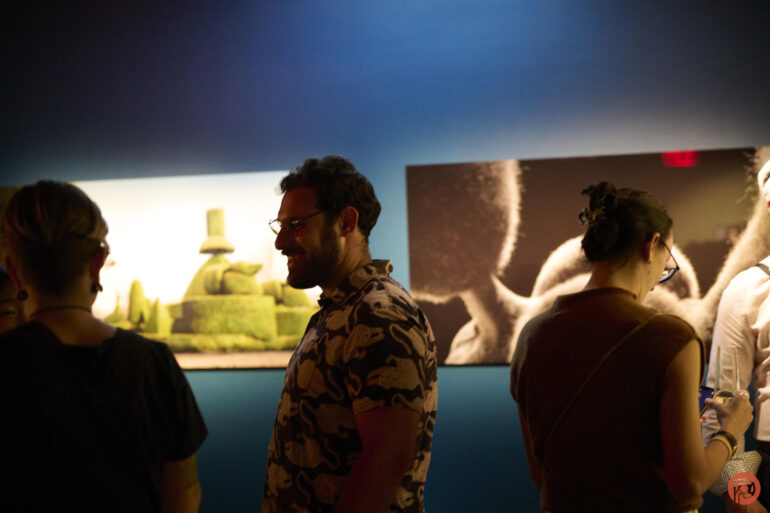
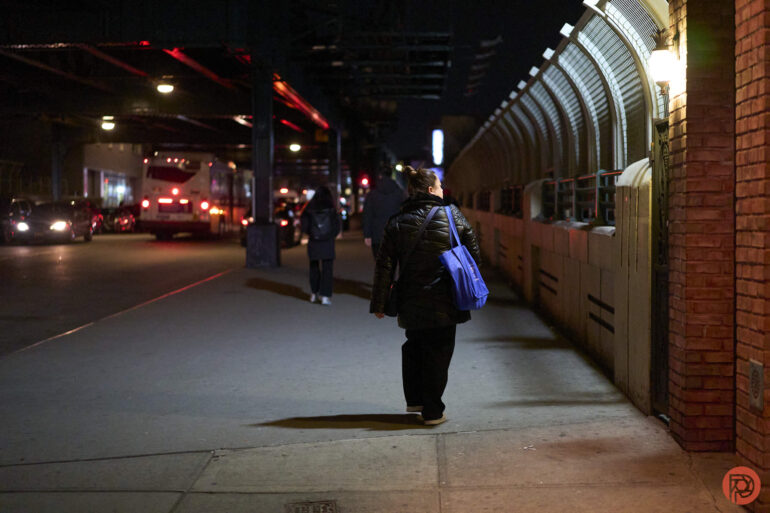
Thankfully, a handful of high-end cameras house autofocus systems that are capable of keeping up in any light, offering a key advantage in genres like street photography, concert photography, and indoor sports. Out of all the gear that we’ve tested, these are the best cameras for low-light autofocus.
Table of Contents
How We Test and Choose the Best Cameras for Low low-light Autofocus
- The Phoblographer’s various product round-up features are done in-house. Our philosophy is simple: you wouldn’t get a Wagyu beef steak review from a lifelong vegetarian. And you wouldn’t get photography advice from someone who doesn’t touch the product. We only recommend gear we’ve fully reviewed in these roundups.
- If you’re wondering why your favorite product didn’t make the cut, there’s a chance it’s on another list. If we haven’t reviewed it, we won’t recommend it. This method keeps our lists packed with industry-leading knowledge. Some of our stories include affiliate links. If you buy something through one of these links, we may earn an affiliate commission.
- When we test lenses, we’ve got various things in mind. First off, we consider who might want to buy the lens and what they might do with it. With that in mind, we try to tackle at least three genres of photography with that lens in a variety of situations. If the lens has weather resistance, then we’ll test it accordingly with a weather-resistant camera. We also test the autofocus of the lens in continuous mode, single mode, with exposure preview effects, without those effects, and then with all the major image quality parameters. These days, no one really makes a bad lens — but some are far better than others.

- In this specific roundup, we’re basing our findings on the reviews that we’ve done. We’re choosing a favorite, but we’re also giving photographers a bunch of others that they might like, depending on how they shoot.
Our Choice Among the Best Cameras for Low Light Autofocus: Nikon Z9

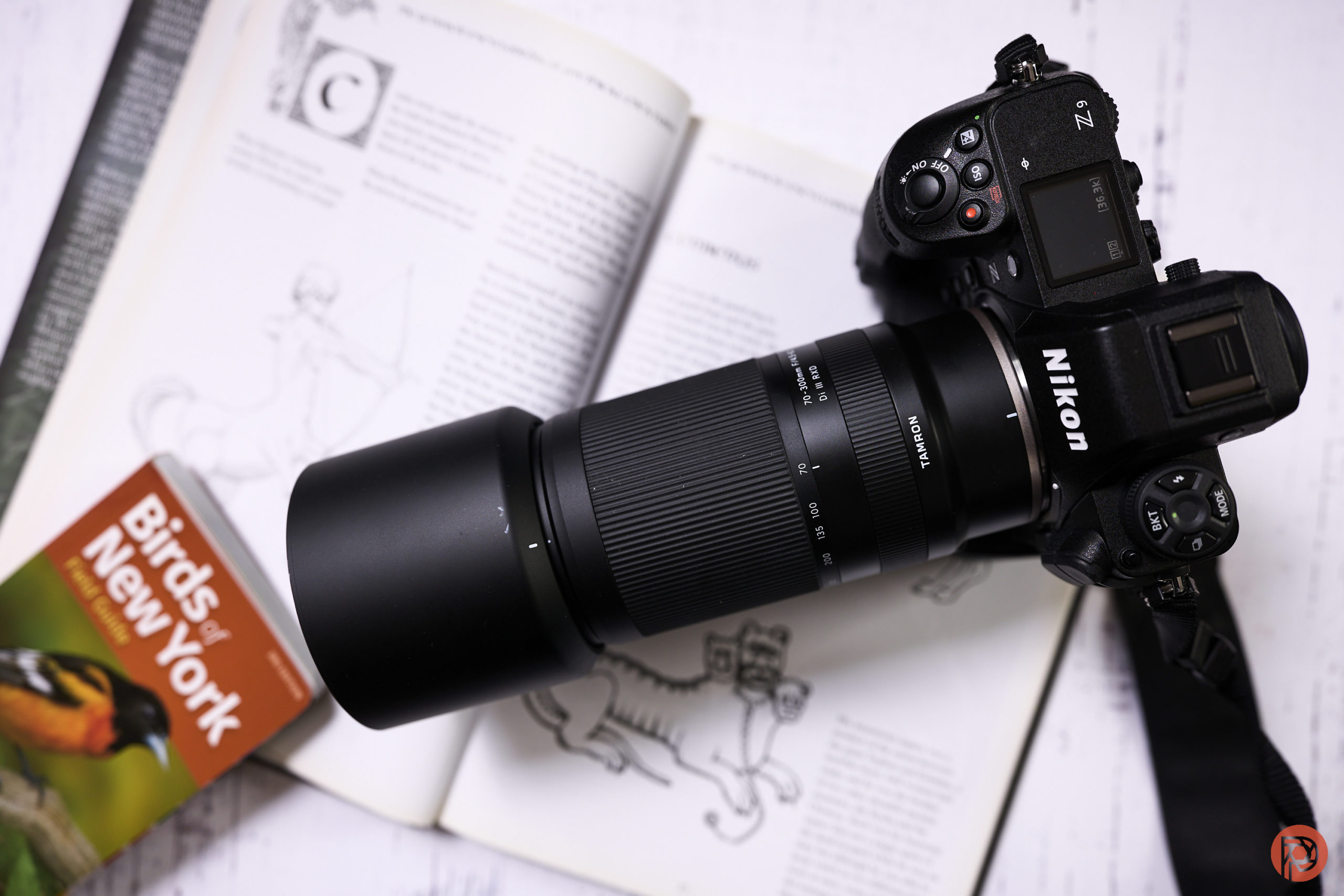
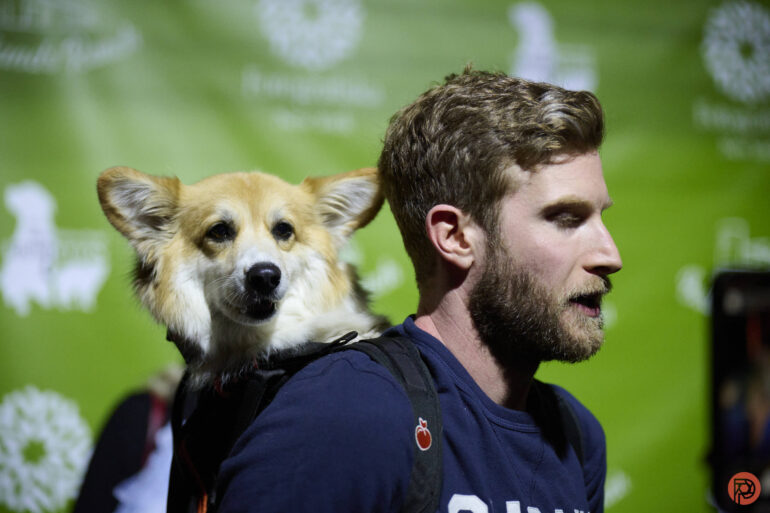
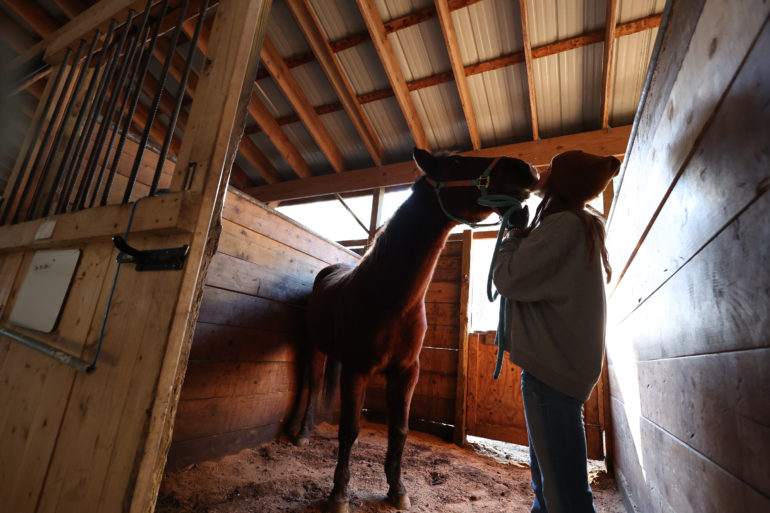
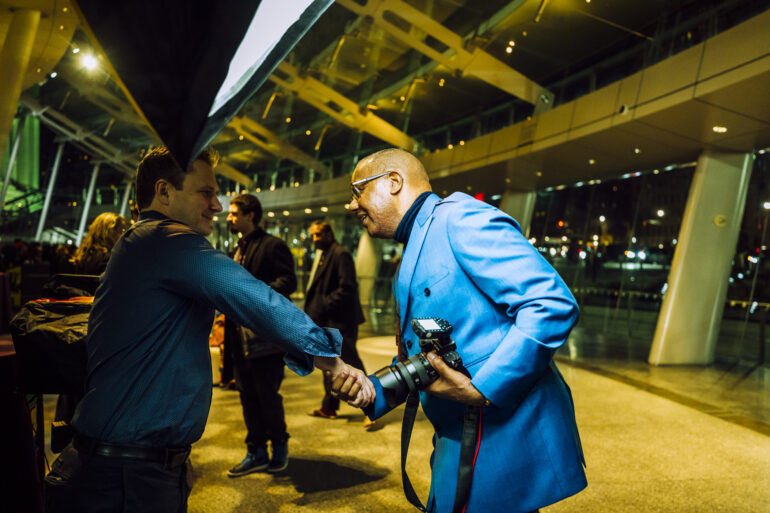
While the autofocus on the Nikon Z9 was solid at launch, multiple firmware updates have earned the full-frame mirrorless the title for the best low-light autofocus on the market. Not only does the Z9 lock on to subjects in dark rooms easily, but the tracking still performs admirably even in difficult conditions. In our tests, the Z9 also did the best in low contrast, low light scenarios, which means the camera still locked quickly when photographing people of color. The Z9’s animal eye AF isn’t quite as good as Canon’s or Sony’s, but the low-light performance is hard to beat. Another key feature for shooting in low light is that several of the Z9’s buttons light up, making them easier to find in a dark room.
In our review, we state:
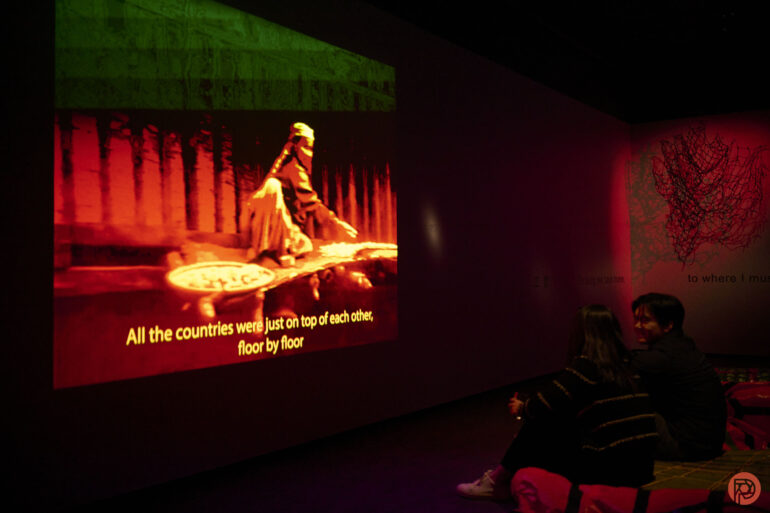
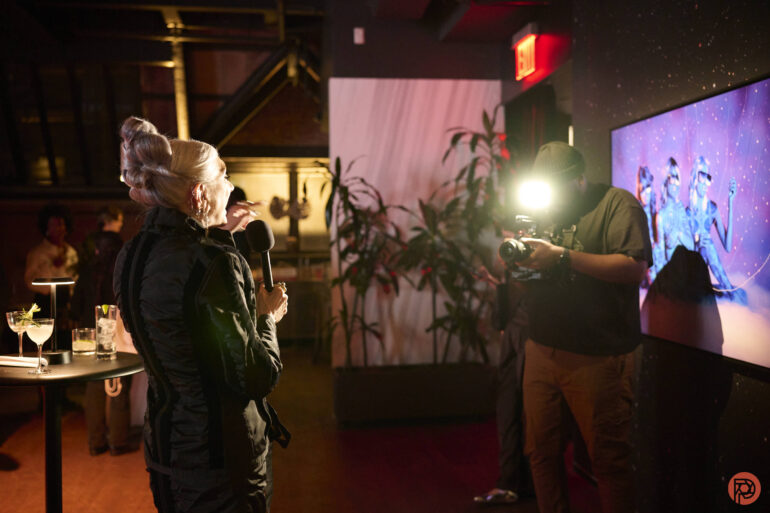
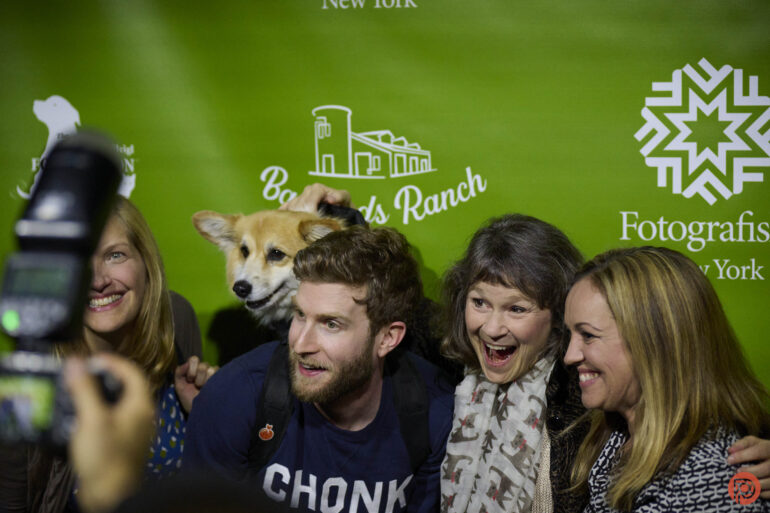
The results? Well, [the Z9] was able to autofocus both on people of color and those with lighter skin better than I’ve seen with comparable Canon and Sony cameras. What’s more, it did this in the auto autofocus mode — specifically where the system tries to figure it all out itself. Based on the compositions, I was able to have the camera easily focus on people or dogs, even in low light. By all means, the Nikon z9 is the top performer when it comes to shooting inclusive events in low light.


PROS
- High Speed sync works to 1/8000 and possibly beyond
- The Nikon z9 genuinely feels like the first serious camera for a professional photographer along with the Canon EOS R3.
- Nikon’s absolute best autofocus
- Once you get the hang of it and set everything up just the way you want, it’s an excellent camera.
- Light up buttons are the absolute best thing.
- Lots of customization options
- Fast and quiet shooting
- 3D tracking is great for animal photography.
- Auto subject detection is quite good.
- Nikon’s in-camera cropping feature is so wonderful to get more reach from your lenses.
- The world’s first camera for photographers without a physical shutter.
- I had zero camera shake issues. Anything pertaining to it would’ve been issues with using a slower shutter speed.
- Rolling shutter is considerably eliminated, and it’s only visible if you pixel peep.
- Pretty good tracking autofocus in low light!
- The vertical grip is a nice addition.
- Tons and tons of buttons that can do virtually everything
CONS
- The AF illuminator dramatically slows down the autofocus.
- I’ve surely seen better high ISO results.
- Exposure preview setting has been completely changed.
- Heavy, but that’s to be expected
- Noise reduction is very strong.
- I wish all the buttons lit up and not just a few. What about the buttons on top?
- Animal autofocus is good but not as good as Canon or Sony.
- Nikon still doesn’t have anything unique about their image quality that would make me want to buy it over Canon or Sony.
- Pushing the shadows introduces a significant amount of noise even if you’re not looking at the image at 100%
- Editing Nikon’s colors in mixed lighting is a nightmare I never want to go through again.
- At this level, the in-camera multiple exposure feature should make the files into RAWs and not JPEGs.
- 17×22 prints are a bit soft if you’re looking super close. You’ll also see grain at ISO 6400, unlike we’ve seen with a few others. But it’s acceptable.
- Pricey, but not as expensive as competitors for sure.
For Some Photographers, These Might be the Best Cameras for Low Light Autofocus
While the Z9 seemed to tackle the toughest lighting conditions with ease, it’s not the only mirrorless capable of focusing in dark environments. The Canon R3, Sony a9 III, and Leica SL3 also deliver excellent autofocus performance in the toughest scenarios. Yes, all those cameras are high-end models that do not come cheap. That’s because low light autofocus is one of the biggest challenges for cameras, which means it’s also a main focus for brands developing new tech for flagship models. Perhaps in a few years, the technology will trickle down to some of the more affordable models, but if you’re truly looking for the best in low-light autofocus, these top-tier cameras are where it is at.
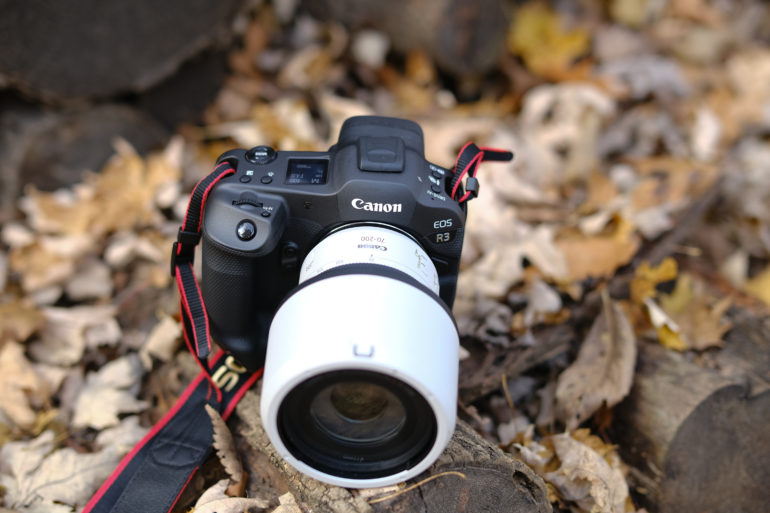
Canon EOS R3

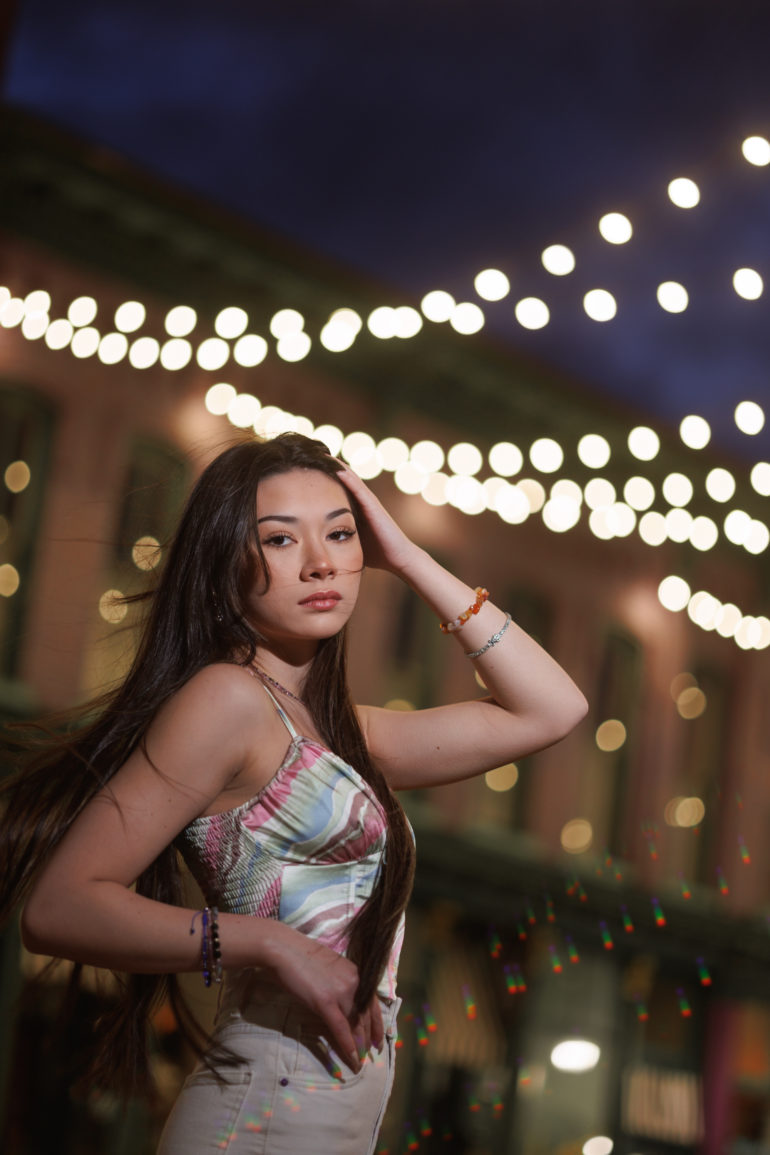
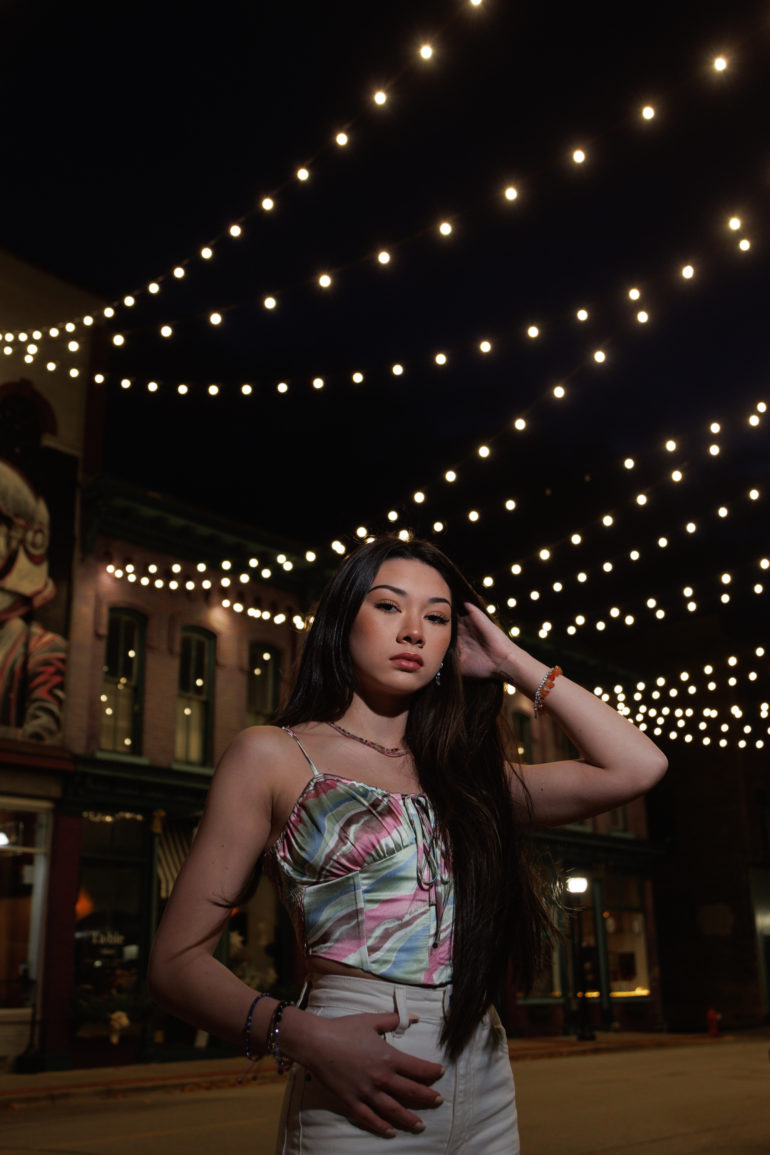
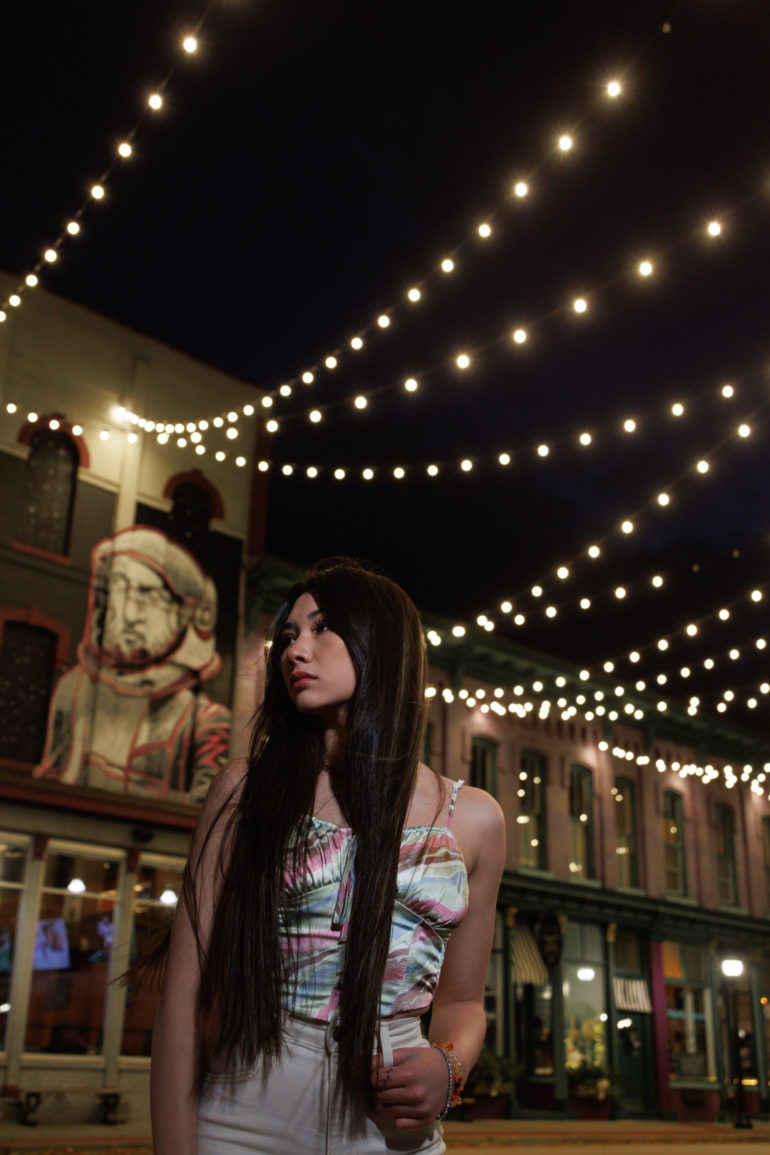
The Canon EOS R3 is a low-light jackpot, not only in terms of autofocus but with excellent quality at high ISOs as well. The R3 uses a 1053-point Dual Pixel autofocus system that’s rated down to -7.5 EV. In our tests, we found those specifications were not exaggerated. I was blown away when I used the R3 for night portraits using off-camera flash. The scene was so dark that the viewfinder was almost entirely black except for string lights in the background, yet the R3 not only nailed the focus but still managed to use eye AF as well.
In our review, we state:
The Canon R3 has a top burst speed that’s actually useful because of a great autofocus system and a faster processor to limit rolling shutter. This camera can not only shoot in the dark but print ISO 128,000 and still look good. While the R5 may make more sense for detail work, the R3 is an exceptional low-light and fast-action camera.


Sony a9 III

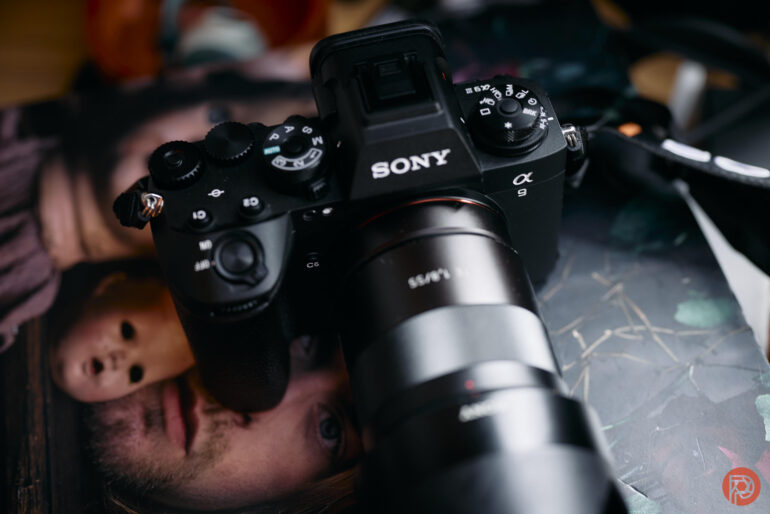
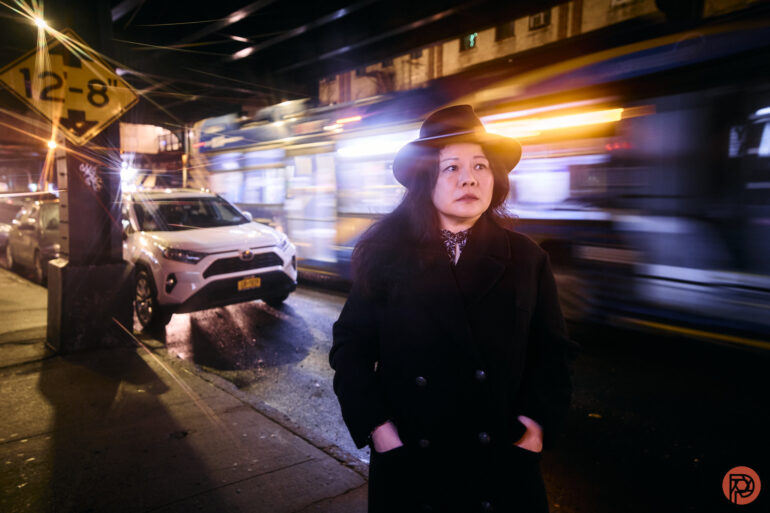
While the Sony a9 III made headlines with its global shutter that allows for flash at any setting, the camera’s low light autofocus is quite impressive as well. While it doesn’t focus on people with more melanin in their skin as well as the Z9 does, the a9 III still performed admirably taking street portraits at night in New York City. For comparison, the a9 III is rated to focus down to -5 EV, whereas the R3 is rated to -7.5 EV.
In our review, we said:
By far, the Sony a9 III is the single best camera that Sony has made thus far. Nearly every issue that I’ve had with the company’s cameras over the years has been resolved in some way or another. Ergonomically speaking, this is the most perfect Sony camera I’ve held. It truly feels like the evolution of a Minolta camera for mirrorless. It’s simple enough to use, and anything that you really need can be wired to a button or two. But perhaps the greatest innovation is the global shutter. While I miss the fact that I could physically feel the shutter, I’ll accept that it comes with new technology that makes strobism even better. If you’re a photographer that uses a lot of off-camera flash, then this is the single best camera you can get on the market right now.


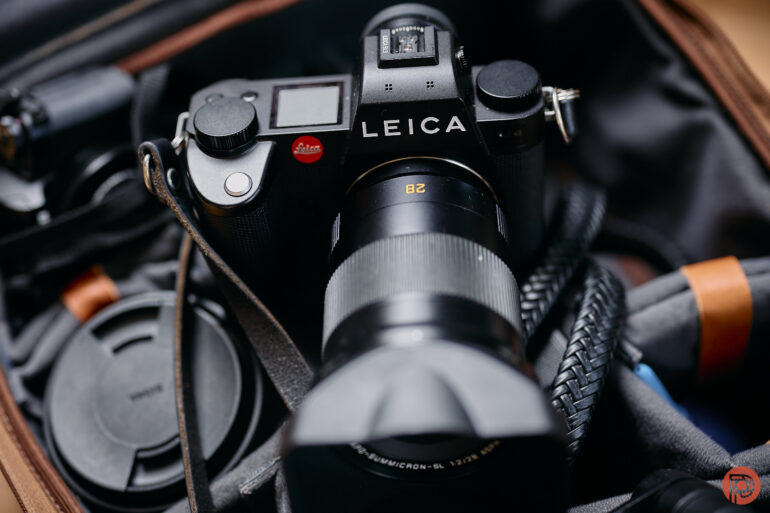
Leica SL3

The higher the resolution the sensor is, the tougher it is to pair with a great autofocus system. This is why we were pleasantly surprised at the autofocus performance of the 60-megapixel Leica SL3. We found the camera outperformed Sony’s high-resolution sensors in low light, locking on quickly in low light. The SL3 didn’t quite focus on people of color as quickly as the Nikon Z9, but it outperformed Canon and Sony in this challenge.
In our review, we said:
I truly thought that it would’ve been a year or two more until 60MP sensors were able to focus quickly. However, the Leica SL3 has the single fastest autofocusing 60MP sensor I’ve ever seen. Indeed, it puts Sony to shame — but lags behind Nikon a bit when focusing on people of color in low light.


Using this Guide to the Best Cameras for Low Light Autofocus
If you’re considering purchasing anything from this list, consider the following:
- All the product images and sample photos in these roundups are shot by our staff. In fact, we don’t talk about products at length in roundups like this unless we’ve done full reviews of them. But you can surely know that we’ve done all the research ourselves.
- We’d never recommend a product to you that we haven’t tested or that we really didn’t like. You can reference our linked reviews, for more information on this.
Tips on Choosing the Best Cameras for Low Light Autofocus

A number of different factors can affect a camera’s autofocus performance, specifically in low light. As you narrow down your camera choices, consider these factors:
- Turning off the exposure preview almost always improves the low-light autofocus speed. Yes, this means you’ll need to use the light meter inside the viewfinder to adjust your settings just like on a DSLR. But by allowing the viewfinder to see more clearly, autofocus performance is often improved.
- Higher-resolution sensors tend to have a tougher time with low light autofocus, though there are some high-resolution cameras on this list. The higher resolution also tends to mean more noise at higher ISOs.
- Using a wide-aperture lens will also play a key role in improving low-light autofocus performance. Wider apertures let more light in, allowing the camera’s autofocus system to “see” better as well.
- Outside of the aperture, lens choice also plays a role because the lens houses the autofocus motor. Some lenses focus faster than others. Wide-angle lenses tend to typically have faster focus.
- The center point is typically the camera’s most capable autofocus point, which means that performance can be reduced if you are trying to focus on a subject toward the edge of the frame.
- Some cameras have built-in autofocus assist beams, which send out a bit of light to help the camera focus. These assist beams tend to be reserved for single-shot mode rather than continuous autofocus. Similarly, some camera flashes have AF assist beams that can also aid the camera in limited light.
Picking the Right Low Light Camera for You
- What’s your budget?
- How will you use the product?
- What lighting situations are you in, and how will that affect what you’re doing? Our reviews hyperlinked in this article can help with that.
- Are you traveling a lot with it?
- Will you be using it in a situation that’s a bit rougher?
- Who else uses this product? How are they using it?
- What’s so appealing about this product that I can’t get from what I have already or something else?
- When will I really have time to use this product?
- Where will I bring this product?
- How will this product help bring me joy and joy in my photography?