

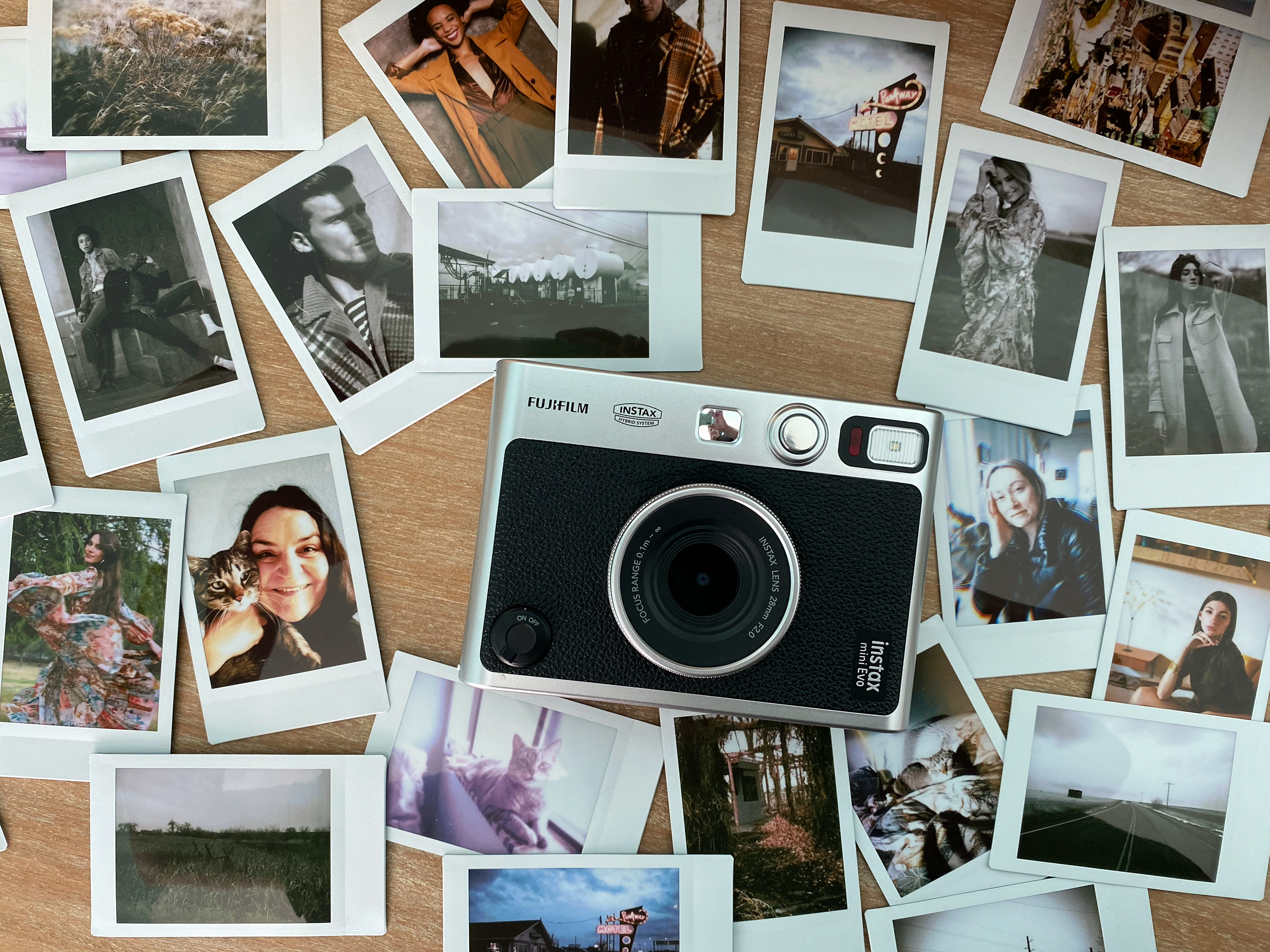
Taking photographs is a way to share how you see the world — handing a camera over to someone who is only three feet tall can be an enlightening experience. Kids love taking photos. But, handing over a smartphone isn’t always the best solution. Many parents are looking for a camera that doesn’t come with the distraction of built-in games or the potential minefield that is the internet, which leaves smartphones out. Thankfully, there are a number of great cameras for kids that are easy to use, internet-free, and reasonably priced.
As a mom of three, I’ve learned that the cameras made by toy companies are just that: toys. Unless you are buying a camera for a 2 or 3-year-old, steer clear of the cameras made by the same companies that manufacture toys. For an older kid or preteen, picking up an actual camera rather than a toy will not only last longer, but create good-quality images and perhaps even instill a lifelong love of photography.
Skipping the toy cameras doesn’t mean you have to spend $1,000 on a camera that may end up dropped in the toilet or slimed with sticky fingers either. Here are the best cameras for kids for under $350.
Table of Contents
How We Test and Choose the Best Cameras for Kids
- The Phoblographer’s various product round-up features are done in-house. Our philosophy is simple: you wouldn’t get a Wagyu beef steak review from a lifelong vegetarian. And you wouldn’t get photography advice from someone who doesn’t touch the product. We only recommend gear we’ve fully reviewed in these roundups.
- If you’re wondering why your favorite product didn’t make the cut, there’s a chance it’s on another list. If we haven’t reviewed it, we won’t recommend it. This method keeps our lists packed with industry-leading knowledge. Some of our stories include affiliate links. If you buy something through one of these links, we may earn an affiliate commission.
- When we test lenses, we’ve got various things in mind. First off, we consider who might want to buy the lens and what they might do with it. With that in mind, we try to tackle at least three genres of photography with that lens in a variety of situations. If the lens has weather resistance, then we’ll test it accordingly with a weather-resistant camera. We also test the autofocus of the lens in continuous mode, single mode, with exposure preview effects, without those effects, and then with all the major image quality parameters. These days, no one really makes a bad lens — but some are far better than others.
- In this specific roundup, we’re basing our findings on the reviews that we’ve done. We’re choosing a favorite, but we’re also giving photographers a bunch of others that they might like, depending on how they shoot.
Our Choice Among the Best Cameras for Kids: Instax Mini Evo
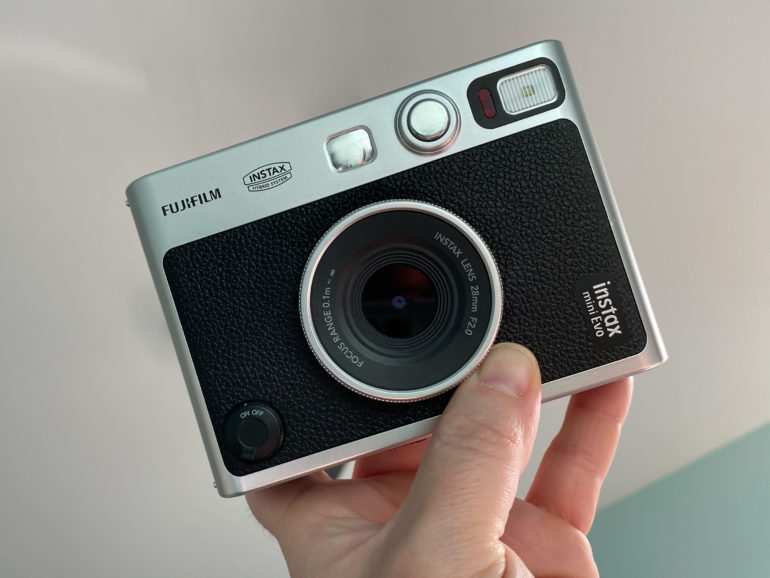
Kids love instant film cameras — until they run out of film, that is. The Instax Mini Evo is both an instant film camera and a digital camera in one. That means that, not only does your kid get to continue using it after the film has run out, but they can also pick and choose which images to print rather than wasting film on that photo of their fingers. The Evo also has a number of cool built-in effects like double exposures and black and white. Another plus? Those built-in filters and instant prints will also make this camera a hit with teens and preteens as well. Personally, this is the camera that I chose to gift my 9-year-old and it was — and still is —an absolute hit. The biggest downside is that the Evo isn’t as durable as a waterproof camera and the battery life can be on the short side.
In our review, we state:
“Fujifilm has created another fun Instax Mini camera with a beautiful retro vibe. The camera has modern buttons that intuitively mimic those found on old-school film cameras. A smartphone app allows users to send digital versions of printed images with the Instax border to their phone. It also doubles as a smartphone printer. Photographers will enjoy the option to integrate this into their workflow. Users of all ages will appreciate the fun factor. It’s too bad the battery doesn’t last long because this camera is designed to be used all day.”



Instax Mini Evo Tech Specs
The following tech specs are from the Fujifilm Instax Mini Evo website:
- Image sensor: 1/5-inch CMOS with primary color filter
- Number of recorded pixels: 2560 x 1920
- Storage media: Internal memory, microSD/microSDHC memory card
- Storage capacity: Approximately 45 images in internal memory, approximately 850 images per 1 GB in microSD/microSDHC memory card
- Focus distance: f = 28 mm (35-mm film equivalent)
- Aperture: F2.0
- Auto focus: Single AF (with AF Illuminator)
- Shooting distance: 10 cm to ∞
- Shutter speed: 1/4 second to 1/8000 second (automatic switching)
- Shooting sensitivity: ISO100 to 1600 (automatic switching)
- Exposure compensation: −2.0 EV to +2.0 EV (1/3 EV step)
- Metering method: TTL 256 split metering, multi metering
- White balance: Auto, Fine, Shade, Fluorescent 1, Fluorescent 2, Fluorescent 3, Incandescent
- Flash: Auto flash / Forced flash / Suppressed flash, Shooting range with flash: Approximately 50 cm to 1.5 m
- Self-timer: Approximately 2 seconds / approximately 10 seconds
- Image effects: 10 lens effects, 10 film effects. Total of 100 effects by multiplying above
For Some Photographers, these Might be the Best Cameras for Kids
While the Instax Mini Evo is a great hybrid camera for kids (and adults alike), it’s not the best choice if you have a kid who is really tough on all their toys. If you need something more durable, or something more affordable, here are a few more great cameras for kids.
Camp Snap Camera
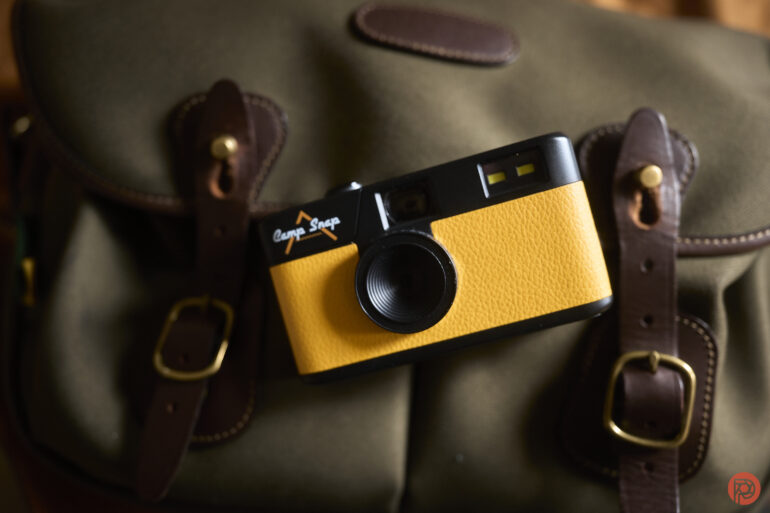
The Camp Snap takes the old-school feel of a disposable film camera and adds digital innards. The result is an affordable, easy-to-use screen-free camera that never runs out of film. Instead, images are stored on a microSD card. For a $65 camera, don’t expect to be wowed by the image quality. But, we rather love the idea of giving kids something closer to the feel and experience of the cameras of the 90s. They still have to wait to see their images with no screen on the back, but parents don’t have to spend money on film development. It’s also a great option for sending to summer camp if screens are banned.
In our review, we state:
“Right from the start, everyone I showed it to fell in love with the looks. The device reminds me of some sort of retro camera from the film days. It’s designed to look and feel like a disposable camera. But it’s not. In fact, the company did quite a bit of keep it at around $45. For example, there’s no LCD screen — and I love that. It means that you actually need to look at the moment as it’s happening in front of you. It’s also simple to use. To power it on or off, you press and hold the shutter button for at least two seconds. When the back display shows a number, then you’re ready to shoot. When it’s powered down, the camera has been turned off.”
Fujifilm Instax Mini 12

If you love the idea of instant prints, but want a screen-free camera, the Instax Mini 12 is an excellent choice. The Fujifilm Instax Mini 12 is simple to use, plus it comes in a wide range of colors. While kids won’t be able to keep taking photos once the film runs out like with the Evo, it’s more affordable and it is screen-free.
In our review, we said:
“In the bluntest terms, it’s the modern equivalent of a 35mm disposable camera that can be reloaded, but it shoots Instax. However, it’s got an adorable design that really makes you want to use it and hold it. And in many ways, I wish that manufacturers treated digital cameras like that — by concocting cameras that you really want to hold and bring with you all the time. For $79.95 here in the US, you’re getting a very fun product. Then you have to consider the cost of Instax film, which can be pretty pricey over time.”
Ricoh WG-80
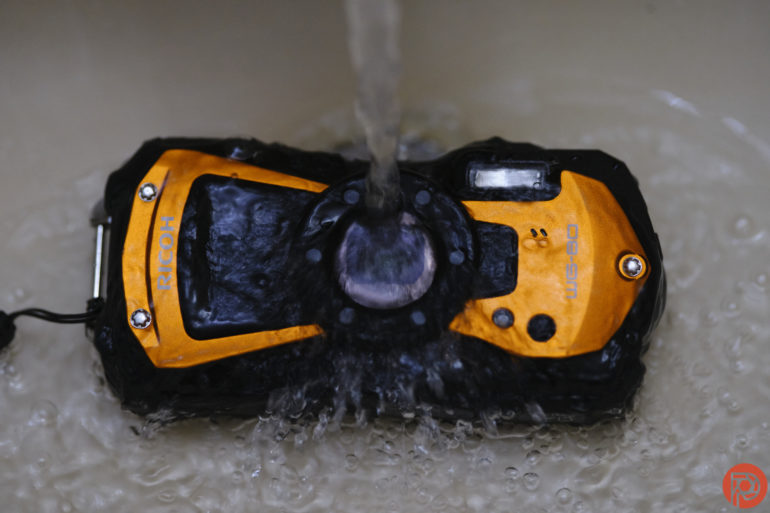
The Ricoh WG-80 is a camera tough enough to withstand pretty much anything your kid can throw at it. This is a camera that your kid can take to the pool and photograph friends underwater, plus it can also withstand drops. While it’s a tough camera, the images are about smartphone quality — which is to be expected for the price — and its slow 1 fps burst speed might annoy some adults.
In our review, we said:
“The Ricoh WG-80 is straightforward and easy for even non-photographers to use. In fact, it’s simple enough for kids to use; my two-year-old even used it. The camera has a handful of auto and scene modes. It has a P mode for a little more control but lacks any other manual controls. It also doesn’t record RAW files, only JPEGs. The limited number of settings also means that finding things in the menu is simple because the menu is so small.”
Using this Guide to the Best Cameras for Kids
If you’re considering purchasing anything from this list, consider the following:
- All the product images and sample photos in these roundups are shot by our staff. In fact, we don’t talk about products at length in roundups like this unless we’ve done full reviews of them. But you can surely know that we’ve done all the research ourselves.
- We’d never recommend a product to you that we haven’t tested or that we really didn’t like. You can reference our linked reviews, for more information on this.
Tips on Choosing the Best Cameras for Kids
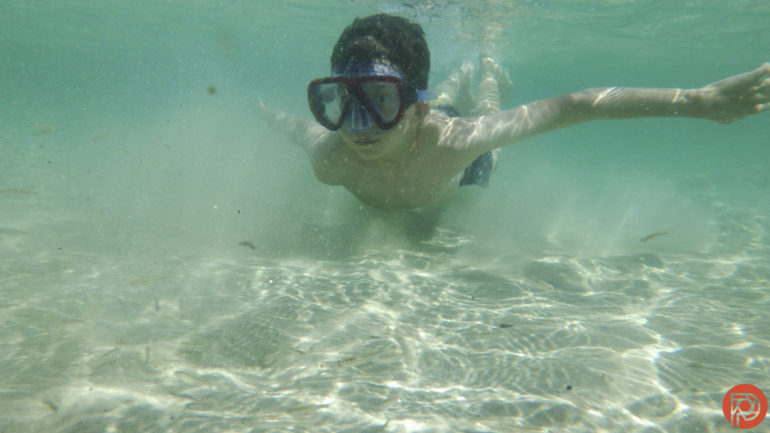
Choosing a camera for a kid or preteen isn’t like picking one up for an adult. Durability and ease of use is often a bigger priority than the image quality itself. Price can also be a big factor, but so can longevity. Toy-like cameras are affordable, but tend to be short-lived.
- Consider the age of the child. The younger the child is, the more important durability is. Older preteens may be less accident prone and may also enjoy features like different color effects.
- Instant film can be great for kids. The few minutes wait for the print to develop can help teach patience, plus they have fun prints to hold or decorate their bedrooms with. The film can be expensive though, so hybrids like the Mini Evo that let them continue taking photos and only print out their favorites may be the most affordable option in the long run.
- Choosing a camera made by a camera company, rather than a toy company, tends to be the smarter, longer-lasting choice.
- The key to buying a camera for kids is to choose something that will help them fall in love with photography. Avoid cameras that are frustrating or too challenging.
- Another way to find kids cameras on a budget is to look for something used. A preteen that’s serious about photography would love a used DSLR, and with the used price, it’s not a huge deal if it breaks. Once they hone their skills and know they are serious about the craft, they can move into a nicer, more expensive camera.
Picking the Right Cameras for Kids
- What’s your budget?
- How will you use the product?
- What lighting situations are you in, and how will that affect what you’re doing? Our reviews hyperlinked in this article can help with that.
- Are you traveling a lot with it?
- Will you be using it in a situation that’s a bit rougher?
- Who else uses this product? How are they using it?
- What’s so appealing about this product that I can’t get from what I have already or something else?
- When will I really have time to use this product?
- Where will I bring this product?
- How will this product help bring me joy and joy in my photography?
Get rid of the ads!
Did you enjoy reading this article as much as we enjoyed writing it? There's a way to support us and our reporting, getting ad-free navigation and more as a bonus. Subscribe to us for less than a coffee per month —just $3.99— or take advantage of our yearly subscription with a hefty discount for only $25.- An ad-free experience
- All the books in our store
- 20% discount on Capture One
- 30% discount on Imalume Photo Theft Protection
- 20% off Herbs and Kettle Tea Company.