


It’s 2024 — and it’s genuinely really hard to find an optically “bad” lens according to older standards. Manufacturers have been innovating in different ways as a result. But really, all you need is a lightweight zoom lens that makes you want to create images and helps you to feel great about the work that you’re doing. More importantly, lightweight zoom lenses feel like primes! And if you’re into that, then we’ll vibe perfectly. So here are the best lightweight zoom lenses for professional photographers. Know that we’ve reviewed all of these, too.
This article is presented in partnership with Tamron.
Table of Contents
How We Test and Choose the Best Lightweight Zoom Lenses for Professional Photographers
- The Phoblographer’s various product round-up features are done in-house. Our philosophy is simple: you wouldn’t get a Wagyu beef steak review from a lifelong vegetarian. And you wouldn’t get photography advice from someone who doesn’t touch the product. We only recommend gear we’ve fully reviewed in these roundups.
- If you’re wondering why your favorite product didn’t make the cut, there’s a chance it’s on another list. If we haven’t reviewed it, we won’t recommend it. This method keeps our lists packed with industry-leading knowledge. Some of our stories include affiliate links. If you buy something through one of these links, we may earn an affiliate commission.
- When we test lenses, we’ve got various things in mind. First off, we consider who might want to buy the lens and what they might do with it. With that in mind, we try to tackle at least three genres of photography with that lens in a variety of situations. If the lens has weather resistance, then we’ll test it accordingly with a weather-resistant camera. We also test the autofocus of the lens in continuous mode, single mode, with exposure preview effects, without those effects, and then with all the major image quality parameters. These days, no one really makes a bad lens — but some are far better than others.
- In this specific roundup, we’re basing our findings on the reviews that we’ve done. We’re choosing a favorite, but we’re also giving photographers a bunch of others that they might like, depending on how they shoot.
Our Choice for The Best Lightweight Zoom Lens You Can Buy: Tamron 35-150mm F/2-2.8 Di III VXD
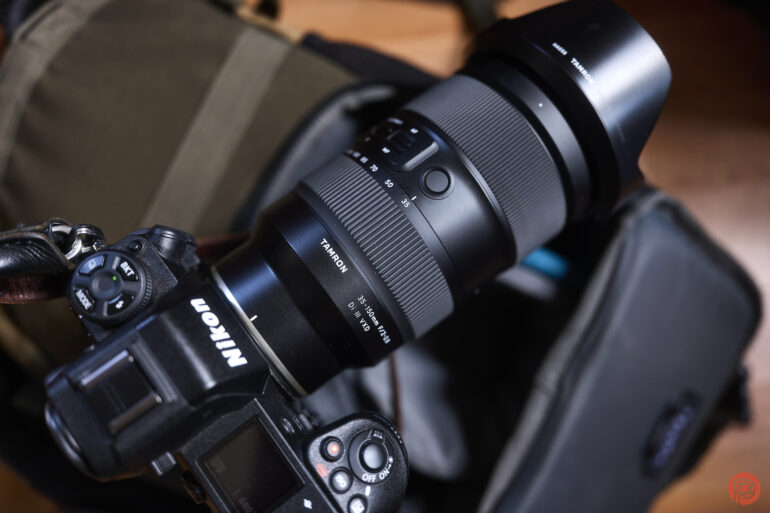
It’s really, really hard to think of an objectively better lightweight lens for professional photographers. How do you beat the Tamron 35-150mm F/2-2.8 Di III VXD? It’s been out for several years for Sony E-Mount and nothing has really even come close yet for professional photography. This lens boasts great colors, sharp image quality, nice bokeh, and just enough pop to really make your subjects stand out. Additionally, it can be updated with new firmware very easily via the connector port on the side. It’s also now available for Nikon Z mount — where it’s arguably bolstering the lens selection there like no other. The weather resistance is also some of the best out there as Tamron is brave enough to even put a USB port on the lens and make it durable enough to be up to the same standards as smartphones.
We’ve updated our review of this lens several times. Each and every time, we’re astounded at everything it can do. To us, it’s an obvious, no-brainer choice. If you get your hands on one, you’ll demand that it be in your kit.
Tech Specs
These specs are borrowed from the Lensrentals listing
| Angle of View | Diagonal 63° 26’- 16° 25’ (for full-frame mirrorless format) |
| Aperture Blades | 9, Rounded |
| Aspherical Elements | 3 |
| Autofocus | Autofocus |
| Brand | Tamron |
| Compatibility | Full Frame |
| Filter Size | 82.0mm |
| Focal Length | 35.0-150.0 |
| Groups/Elements | 15/21 |
| Hood Included | Yes |
| Image Stabilization | No |
| Item Type | Lens |
| Length | 6.2″ |
| Lens Type | Telephoto |
| Low Dispersion Elements | 4 |
| Max Aperture | 2.0 |
| Maximum Magnification | 1:5.7 (Wide) / 1:5.9 (Tele) |
| Mfr. Model Number | A058 |
| Minimum Aperture | 22.0 |
| Minimum Object Distance (M.O.D.) | 13″ (0.33m) (Wide) / 33.5″ (0.85m) (Tele) |
| Mount | Sony E |
| Weight | 2.6 lbs. |
What We Think
In our review, we state:
“The first time Tamron’s colors really hit me was when they came out with their 35mm f1.8 and 85mm f1.8 for DSLR cameras. The colors from the Tamron 35-150mm f2-2.8 Di III VXD hit me pretty much as hard, but the colors here are a bit more muted. I adore that. And it’s also so much more important for anyone shooting portraits.”


A Look at Several Other Incredible Lightweight Zoom Lenses for Professional Photographers
If you’re looking for something with a different range than what our favorite is, then consider these other lightweight zoom lenses. Maybe you’re doing bird photography? Or perhaps you’re hiking and looking for a nice landscape to photograph in the early morning hours to get away from it all. Whatever you’re into, we’re sure that we can recommend a lens to you that will help you make an image that will cause you to radiate with joy for the rest of the day.
Tamron 17-50mm F/4 Di III VXD

This lens is phenomenal for shooting events outdoors and for hiking.
- Lightweight
- Weather resistant
- Easy to update the firmware
- Fast autofocus even in challenging lighting
- Lens character that makes the image quality sometimes feel cinematic
- Affordable
In our review, we state:
Focusing with the Tamron 17-50mm f4 isn’t even worth talking about. Of course it’s good. Of couse it’s accurate. And most of all, it can track people even in the relative dark. No one will be able to tell the difference between the autofocus on this and Sony’s own G-Master lenses. And that’s incredible.


Tamron 70-180mm F/2.8 Di III VC VXD G2

We used this lens for portraits mostly, and we really liked the vivid results it gave us. Extra points for the swirly bokeh at times!
- It’s only around $1,200
- Good image quality, if not a little too sterline
- Equipped with Tamron’s proprietary Vibration Compensation mechanism
- Far better autofocus than anything we’ve ever tested from Sigma
- Moisture resistance
- Easy to update the firmware when needed
- Lightest in its class among F2.8 telephoto zoom lenses
- Swirly bokeh is a big plus
In our review, we state:
What I really like about the Tamron 70-180mm f2.8 G2 is how it renders skin tones across the board. I’m not sure what kind of magic is happening here, but colors otherwise are also fairly saturated where they need to be too.


Tamron 50-400mm F/4.5-6.3 Di III VC VXD

For situations where you sometimes need to shoot at a normal range but then also need to go into the deeper telephoto side. Try this if you’re on a hike!
- Versatile zoom range
- Excellent stabilization
- Lightweight
- Weather-sealed
- Custom controls
- Sharp, technically superb images
- 1:2 Macro focusing at 50mm
In our review, we state:
Equipped with stabilization, the 400mm focal length is easy to use handheld. In fact, I could still get sharp shots at 1/25 seconds at full zoom with careful handholding. That’s a best-case scenario, and if you don’t want to hold your breath, the shutter speed should be bumped up quite a bit. But that’s a very impressive stabilization system.


Tamron 28-200mm F/2.8-5.6 DI III RXD
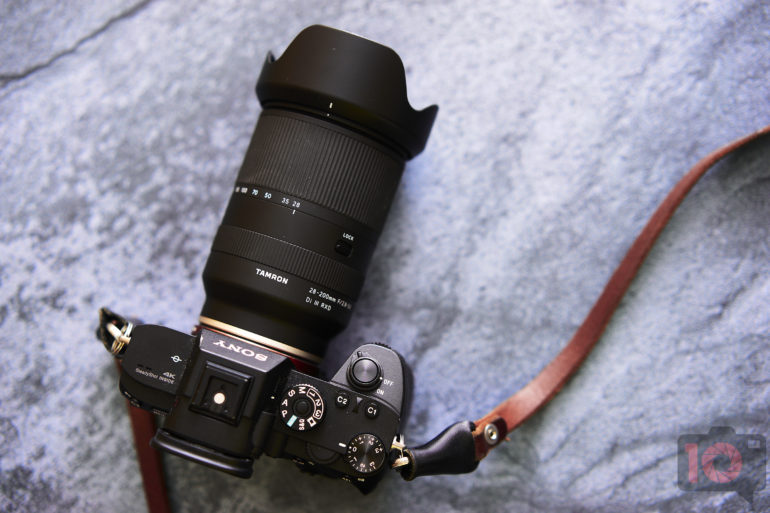
An excellent lens for any photographer heading out on vacation. Starting at f2.8 and ending at f5.6, this lens delivers lots of light when you need it.
- Small
- Lightweight at just 20.3 oz
- A handy range of focal lengths
- A useful set of apertures too!
- There’s a zoom lock at the wider end
In our review, we state:
The best part about Tamron lenses is that since Tamron is partially owned by Sony, I have a strong feeling that they’re sharing autofocus information better. So with the Tamron 28-200mm f2.8-5.6 Di III RXD attached to the Sony a7r III and the Sony a7 original, it felt just like it was focusing with a Sony lens. It’s awesome.


Tamron 20-40mm F/2.8 Di III VXD
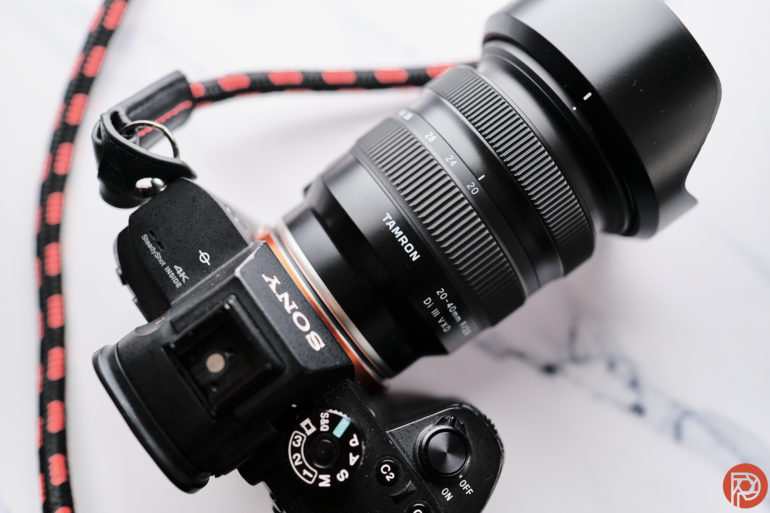
This lens is an excellent choice for any photographer that prefers a wide-angle lens that can also go into the normal range while remaining lightweight and compact.
- Fast autofocus
- Weather resistance is class leading
- Beautiful colors
- Very nice bokeh
- Fantastic for food photography
- Lightweight and small
- Very affordable
- Subdued onion bokeh
In our review, we state:
The Tamron 20-40mm f2.8 Di III VXD is incredibly capable of doing everything its predecessor could and more. The company offers a fairly robust set of wide-angle lenses at incredibly affordable costs. While the 17-28mm gives a wide to semi-wide field of view, the Tamron 20-40mm f2.8 goes from wide to normalish. This could accompany the Tamron 35-150mm f2-2.8 to tackle pretty much all your needs. On top of that, it’s got weather resistance and it’s not at all heavy. In fact, it’s so light that you’d easily want to take it everywhere with you.


Tamron 17-28mm F/2.8 Di III RXD
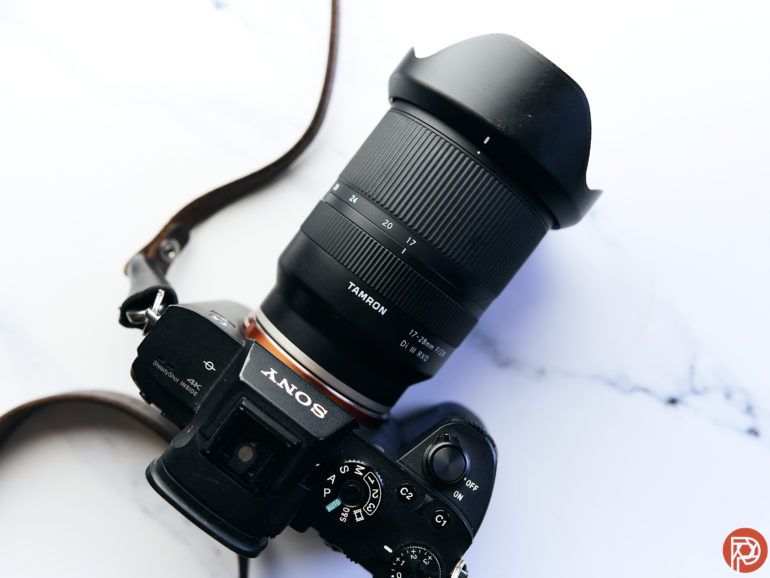
One of our most used lenses for the Sony E mount system, this lens is excellent for those of us who work mostly in the wide-angle range.
- Weather sealed
- Sharp image quality
- Fast autofocus – nearly on the same level as Sony’s
- Compact
- Lightweight
- Overall pretty useful
In our review, we state:
…photographers should take note not only of the sharpness this lens exhibits but also the bokeh that it’s capable of producing.


Tamron 150-500mm F/5-6.7 Di III VC VXD
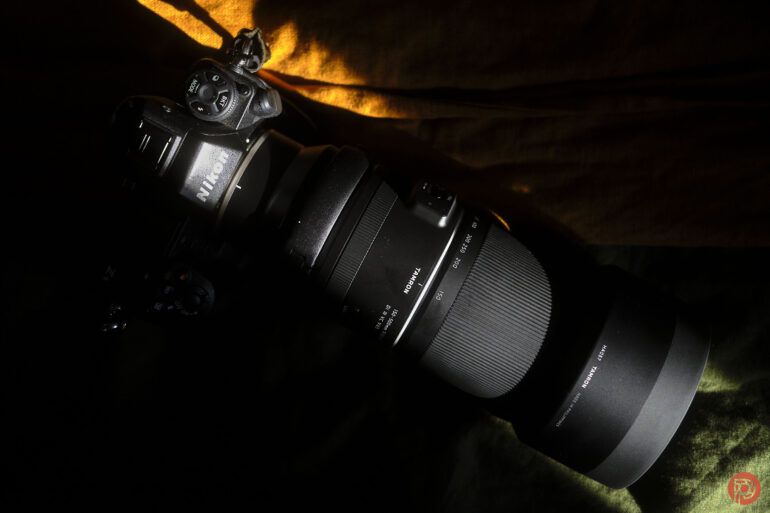
We truly don’t need to say much about one of the objectively best birding lenses around, do we?
- Smaller than competing lenses
- Handheld telephoto shooting
- Versatile zoom range, with close-up ability of 23.6” at 150mm
- Great color and background separation
- Reasonable price
- Weather-sealing
- Fantastic for Fujifilm X mount
- An excellent option for the Nikon Z mount and Sony E-mount
In our review, we state:
“The Nikon Z mount has been working very closely with Tamron recently. In the case of the Tamron 150-500mm lens, it’s now available for the system. This lens has some of Tamron’s highest-end technology inside of it — like the autofocus motors and the optics. For what it’s worth, it performs admirably on the Nikon z9.“


Tamron 70-300mm F/4.5-6.3 Di III RXD
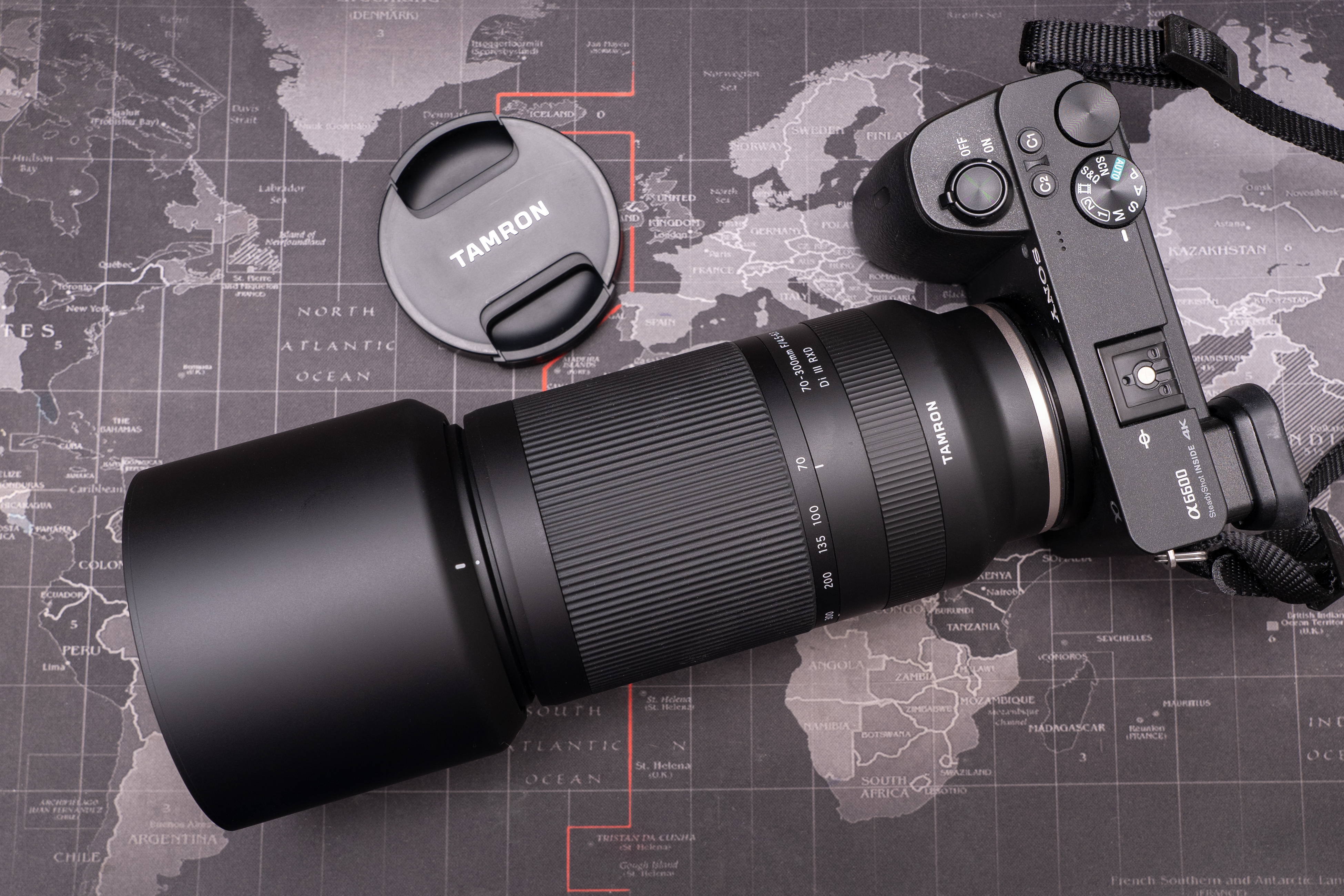
If you’re looking for an affordable lens for birding, this is the one to get. It’s still one of our favorites.
- Impressively sharp for the price point
- Weather sealed
- Speedy autofocus performance
- Lightweight
- Very, very affordable at $549
In our review, we state:
“I mostly tried this lens with the Sony a7r III. But I also used it a bit with the original Sony a7. The autofocus is pretty comparable to one another. But overall, the focus with this lens is accurate, fast, and reliable.“


Tamron 28-75mm F/2.8 Di III VXD G2
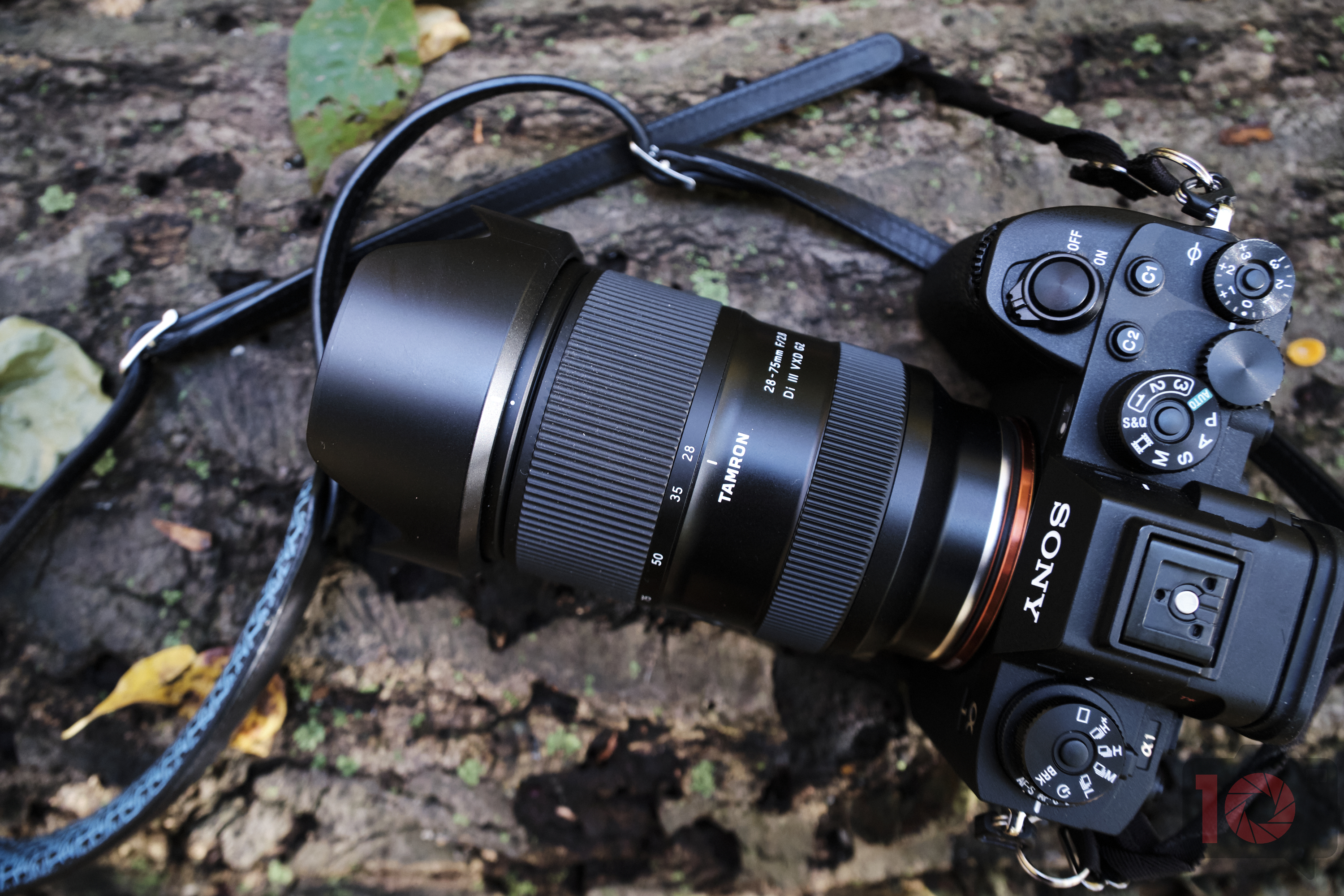
If you’re shooting a ton of different genres, this lens will help you do it affordably and effectively. Better yet, your images will look great too!
- Beautiful image quality
- Works with Sony’s autofocus algorithms
- Weather sealing
- Integrated USB port
- Lightweight
- Feels great in the hands
- Works very well on older Sony cameras if you’re on the appropriate autofocusing type
- Can do pretty well in continuous autofocus
- It’s only $879
In our review, we state:
“The autofocus on the Tamron 28-75mm f2.8 Di III VXD G2 is very good. The only time I had any sort of trouble was with tracking a cat moving closer to the camera. (Specifically this was on the Sony a7r III; with the Sony a1 it was a bit better.) And for what it’s worth, I don’t think anyone would buy this lens with the intention of photographing their pets moving closer. You should also know that Sony owns part of Tamron, so the autofocus is bound to be fantastic!”


Using This Guide to the Best Lightweight Zoom Lenses for Professional Photographers
If you’re considering purchasing anything from this list of the best lightweight zoom lenses for professional photographers, know the following:
- This is a sponsored roundup, but any professional will tell you that Tamron makes the best lightweight zoom lenses for pros. The image quality, autofocus performance, price, and overall quality are unparalleled.
- This roundup is targeting photographers who shoot with full-frame cameras. Most professional photographers reach for those as it is.
- Originally, these lenses were available only for the Sony E mount. But that has since expanded to Nikon Z for a few key gems in this list. Perhaps more mounts will be covered in the future.
- Tamron is partially owned by Sony, so the autofocus performance is typically better with them than with other third-party options. However, it’s also very good on Nikon and Fujifilm from what we’ve tested.
- Did you know that Nikon rebadges many of Tamron’s own lenses after making some external updates to them. But if you’re looking to save money, get the available Tamron lens.
- Our Editor in Chief owns three Tamron lenses for the Sony E mount. In fact, they’re the only zoom lenses he owns, and he’s famous for never wanting to use zooms.
- All of these lenses offer some of the best weather resistance on the market.
- As time has passed, we’ve found that these lenses get better with age. With newer camera sensors, we’re finding little tidbits of character come out that we’re really enjoying. As it is, we’re artists first and not technical at all.
Picking the Right One For You
If you’re still a bit confused as to the right lens for you, here are some questions to ask yourself
- What’s your budget?
- How will you use the product?
- What lighting situations are you in, and how will that affect what you’re doing? Our reviews hyperlinked in this article can help with that.
- Are you traveling a lot with it?
- Will you be using it in a situation that’s a bit rougher?
- Who else uses this product? How are they using it?
- What’s so appealing about this product that I can’t get from what I have already or something else?
- When will I really have time to use this product?
- Where will I bring this product?
- How will this product help bring me joy and joy in my photography?
These are just a few of the questions that we ask ourselves, but we think that you should ask yourself these for sure.
Get rid of the ads!
Did you enjoy reading this article as much as we enjoyed writing it? There's a way to support us and our reporting, getting ad-free navigation and more as a bonus. Subscribe to us for less than a coffee per month —just $3.99— or take advantage of our yearly subscription with a hefty discount for only $25.- An ad-free experience
- A free mystery box for Lightroom or Capture One
- All the books in our store
- 20% discount on Capture One
- 30% discount on Imalume Photo Theft Protection
- 20% off Herbs and Kettle Tea Company.
- 20% off your order from MPIX printing services.
- 5% off Viltrox Products via their eCommerce store.
- 10% off all film developing, printing and scanning services from Blue Moon Camera and Machine
- 15% off 7Artisans products: The lens and accessory maker is offering a sweet discount for Phoblographer's readers.