

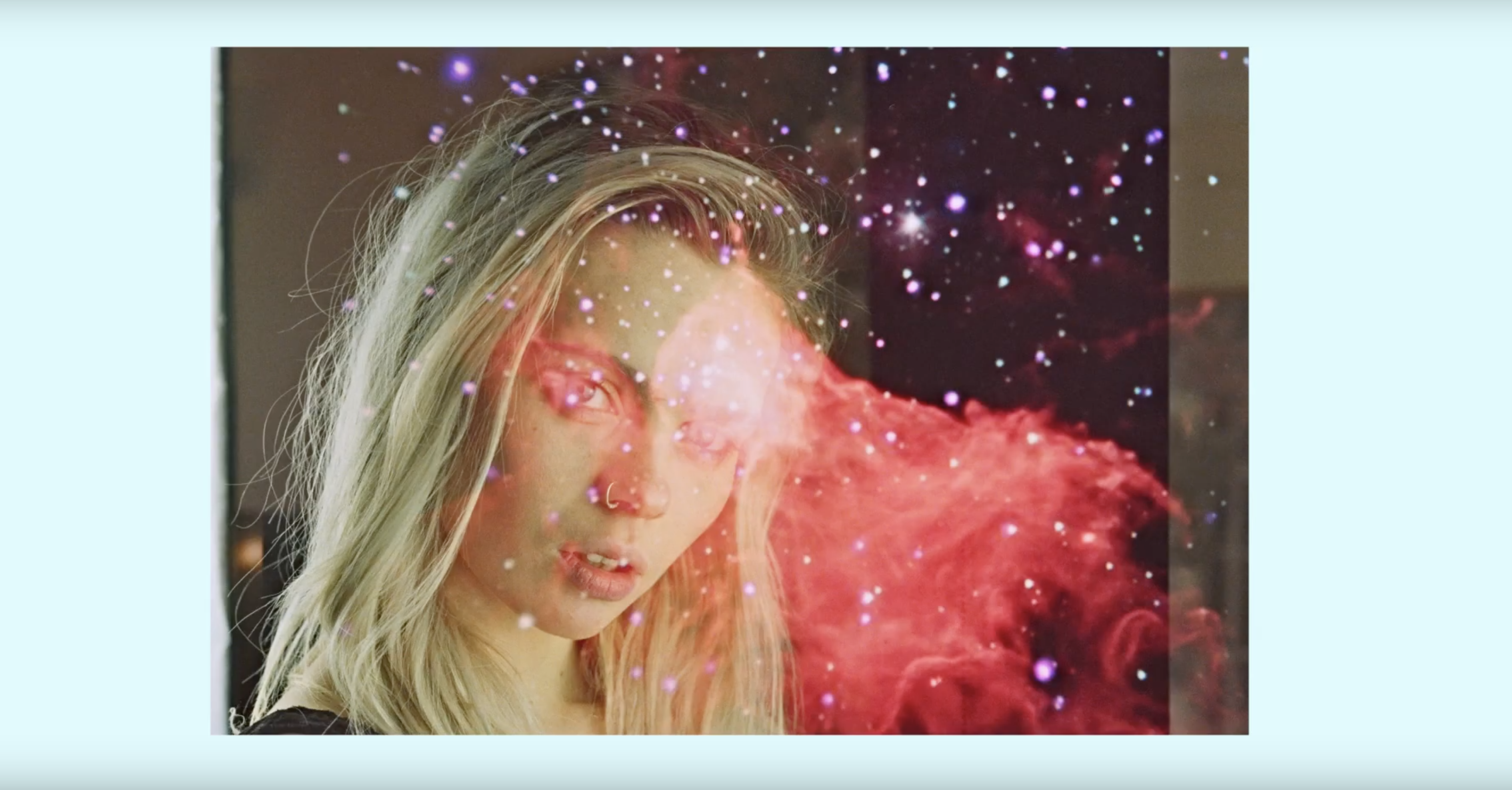
Whether you’re looking for something experimental to do on film or simply want to give your snaps the stellar treatment, this galaxy double exposures trick is worth a try!
Film photography is especially known for encouraging all sorts of creative experimentation, which eventually popularized techniques like double exposures during the digital age. The often cool results and happy accidents are among the things that encourage today’s generation to shoot film. If you’re yet to try double exposures on film or want to do something different with it, we’re sure this quick galaxy double exposures tutorial by United Kingdom-based Kate Hook is right up your alley.
This film photography trick is actually a simple way to add something different to your photos, whether it’s portraits, landscapes, architecture, or even a simple day out with friends. You’ll only need a few items: your SLR camera, a roll of 35mm film (a cheap one will do), a marker, a computer, a USB drive, and a TV.
Do This Legally!
The process is simple as well. The first thing you need is to look for HD galaxy photos on the NASA website. They shouldn’t be too bright and should ideally have a dark or black background. As Kate noted, however, you have to take note of the usage and copyright terms before downloading and using any of them. While most photos are under the public domain, you may need to get clearance if you intend to use them for commercial purposes (like selling derivative work) or get permission from photographers who copyrighted the original photo.
Once that’s done, you can proceed to save the photos on the USB drive under a folder named “Galaxy.” Put this drive on the USB port of your TV and open the photos in the folder where you saved the photos. Alternatively, you can just load the photos straight from your computer if you have a good monitor. After this, you can load the film into your SLR camera, making sure to mark the frame before you close the back of the camera and start snapping away. For best results, shoot in a darkened room.
Let the Magic Begin!
Once you’re done shooting, rewind your film as usual, but leave the film leader out so you can reload it for the second exposures. Make sure to align the frame markings when reloading. So your second exposures are aligned with the galaxy exposures.
And, that’s it! If you did everything correctly, your scans from the lab will show some otherworldly galaxy double exposures.
Check out Kate Hook’s YouTube channel for more of her film photography tips and tricks.
Lead image Screenshot taken from the video
Get rid of the ads!
Did you enjoy reading this article as much as we enjoyed writing it? There's a way to support us and our reporting, getting ad-free navigation and more as a bonus. Subscribe to us for less than a coffee per month —just $3.99— or take advantage of our yearly subscription with a hefty discount for only $25.- An ad-free experience
- A free mystery box for Lightroom or Capture One
- All the books in our store
- 20% discount on Capture One
- 30% discount on Imalume Photo Theft Protection
- 20% off Herbs and Kettle Tea Company.
- 20% off your order from MPIX printing services.
- 5% off Viltrox Products via their eCommerce store.
- 10% off all film developing, printing and scanning services from Blue Moon Camera and Machine
- 15% off 7Artisans products: The lens and accessory maker is offering a sweet discount for Phoblographer's readers.
- 15% off a VSCO One subscription: Get a bunch of great tools with their all-in-one package.