


Young portrait photographers often wonder what they can do to get the best results. The first step, for many, has been to make the person they are photographing feel safe. But sometimes, that is just the tip of the iceberg. So, today, we take a look at a few interviews, where photographers share their advice that can be of help.
All images in this article were used with permission in our original interviews.
Get it Right In-Camera
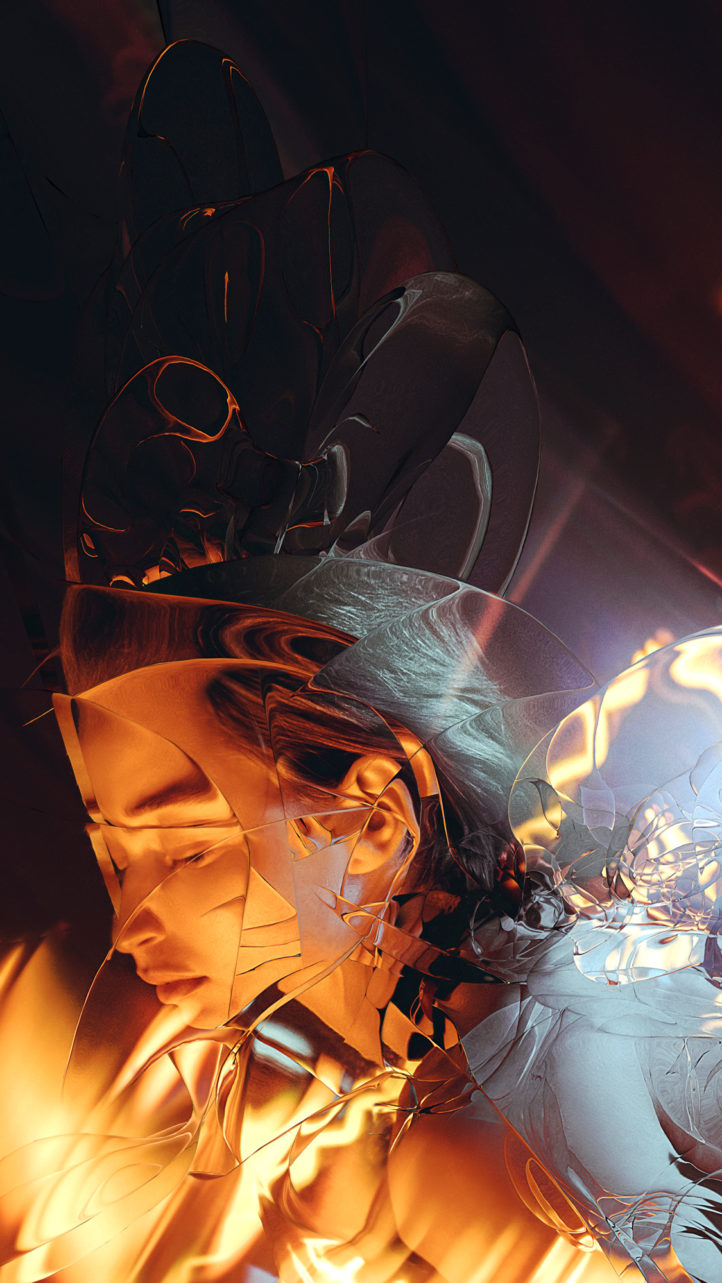
Portrait photographers spend hours at their editing table, but Ernest Em‘s work is a direct opposition to that. The photographer coined his style, “Prismagraphy”, in 2019, wherein he utilizes a standard triangular prism to get some flares, a rainbow effect or to blur an image. The act of reflecting light helps him to create images that are surreal. The image above is an example of how the screen looks like breaking glass, which is enhanced by the play of light. Had the prism not been there, this would have looked like an average photo of a model.
Prismagraphy is a kind of analog photography based on refraction of light. It’s like an interactive experience of a real-world environment. It’s as if they are enhanced by Photoshop-generated perceptual information, but it’s not the case. You literally use different prismatic & reflective materials to get a complex image.
Work with Limitations
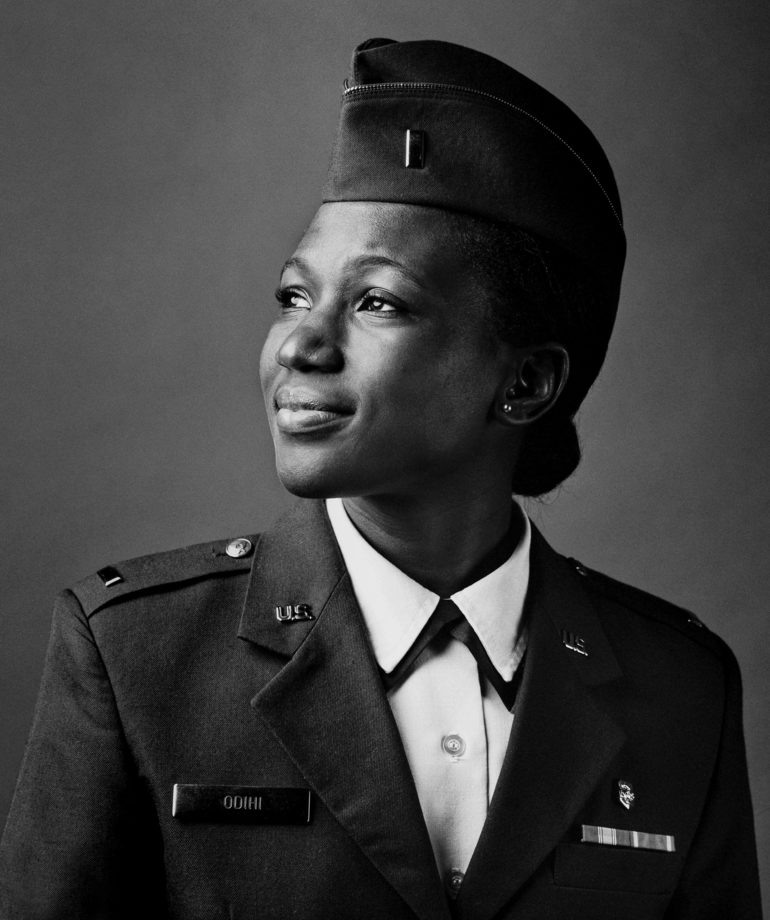
Formal portraits are one of the few things that photographers need to get right. Evan Baines, who turned to photography after serving in the army, revealed how the connection between the photographer and the subject is of help. However, limitations in formal portraiture are a part of the job, especially since the poses are limiting, and you can only do so much with lighting. Thus, it is important that you learn and improve with what you have. In fact, the expression plays the biggest role here, along with the single source of light that elevates the whole aura. Remember, these portraits are supposed to be reflection of heroism and honor, which only a handful can do.
I think one of the biggest things I’ve learned is that with such limitations is that one has to be committed to making every remaining variable the best it can be. Even the smallest details can undermine a portrait when it is so focused.
Colors Tell a Story
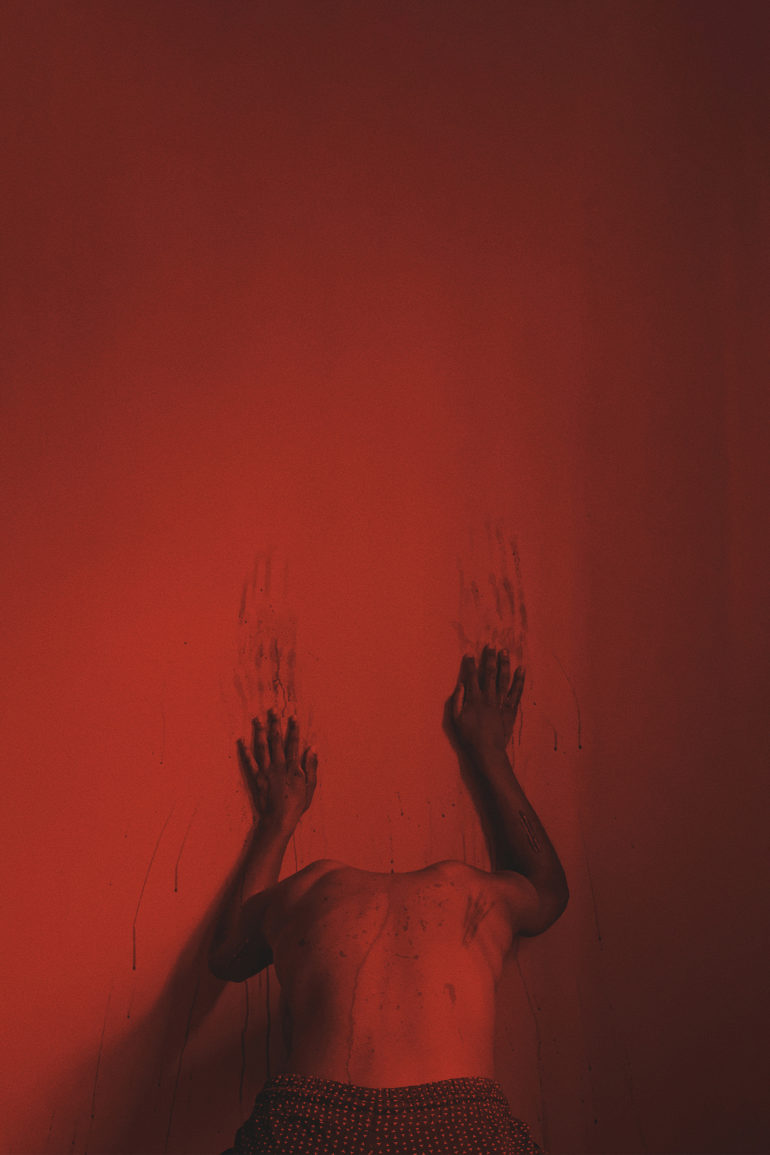
Nwabisa Salukazana is a portrait and self-portrait photographer who creates surreal works of art. The photographer uses soft pinks, red hues, or even bright blues to make his subjects stand out. According to the photographer, it is a way to add a layer of feelings. In many ways, photographers use these tones to also express a sense of wonder in people. The image above raises more questions than it lends the answers. The lack of the head and the stains only lead to questions about whether it is blood or paint. Red also makes one see a sense of despair, and photographers can achieve this by paying attention.
In our interview, he said:
My use of color depends on the idea, like the deep Reds to tell a dark story, Blues to bring a feeling of isolation, and Browns for a natural look. The neutral tones are meant to keep the image grounded so that even when the image portrays the most bizarre thing, it still looks natural because of the colors.
Work in Cycles

Jordanna Kalman is a portrait photographer who likes to document the feminine form in the nude. However, what sets her work apart is that the photos are photographed again, this time, by blending them with little trinkets that she found in her garden. The re-photographing helps to make her feel more like a piece of herself. However, what she advises is to work in multiple cycles, putting down her ideas on paper, and then taking pictures to flesh out the idea. This can be beneficial to anyone who has started photography recently, as it will set them apart from the rest. The image above is a beautiful reminder of how one can blend the past and present as one.
My work happens in a cycle: I open myself up to everything; I look and do research and think for weeks or months at a time, and then the thinking brain turns off, instinct takes over, and pictures happen.
Finding the Human Spirit
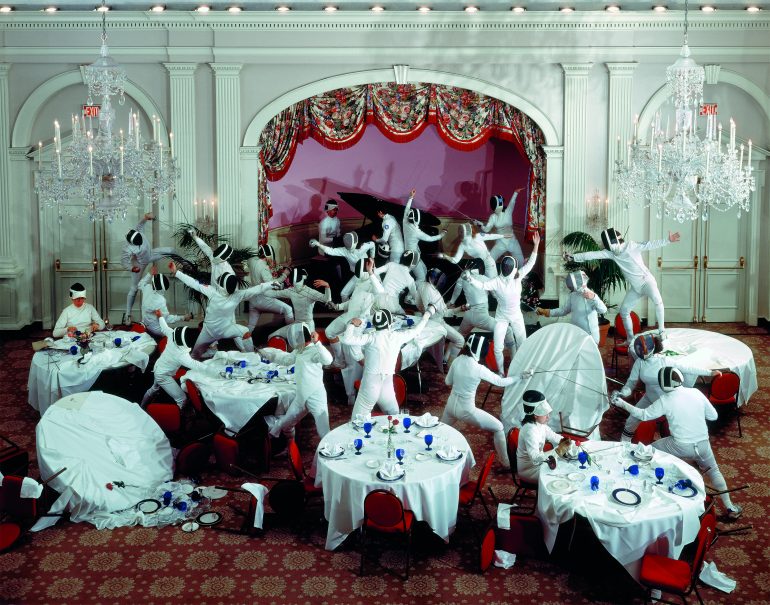
One of the most prominent photographers on the list, Neal Slavin, has been documenting people in groups since the 1970s. Unlike other portrait photographers, Slavin works with two distinct things: the group’s traits and colors. While his work makes the subjects seem “eccentric,” Neal has been focused on depicting what they mean as a whole. Portrait photographers who have to shoot group images at events and weddings can learn how they can let people arrange themselves. This will showcase the group dynamics, with the important people putting themselves up front. All you have to do is take the photo.
I want my work to affirm our self identity within our public persona; to affirm the joy of being together rather than being apart. My intention is to intensely glimpse that kind of human spirit through the lens of my camera.
Drawing Inspirations
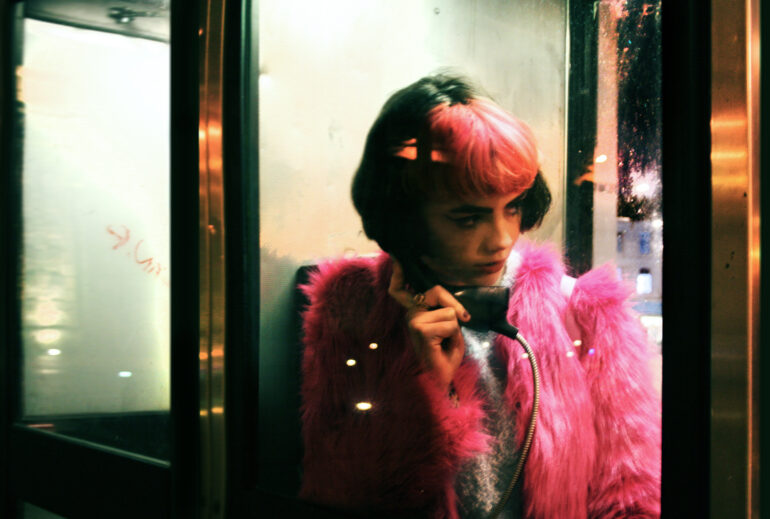
Megan Doherty is a young photographer who shares how she began to use film, LED lights and draw inspiration from movies. Doherty’s portraits are cinematic, as the colors pop out, and the narrative seems suspended in air. Inspired by Kar Wai-Wong’s movies, the photographer tries to bring out the story of the subject through a single frame. The image above does not only feature some fantastic colors, but the girl holding the phone only leads to more questions. Her expression makes one wonder if she is in trouble or if she has heard bad news. The pink hair, the golden light, and cool walls only bring out the emotions. If you are thinking about photographing people, this is the way to go about it: candid but layered.
..in doing so, it allows them to reveal parts of themselves that feel natural and documented, even in a staged scenario.
Get rid of the ads!
Did you enjoy reading this article as much as we enjoyed writing it? There's a way to support us and our reporting, getting ad-free navigation and more as a bonus. Subscribe to us for less than a coffee per month —just $3.99— or take advantage of our yearly subscription with a hefty discount for only $25.- An ad-free experience
- A free mystery box for Lightroom or Capture One
- All the books in our store
- 20% discount on Capture One
- 30% discount on Imalume Photo Theft Protection
- 20% off Herbs and Kettle Tea Company.
- 20% off your order from MPIX printing services.
- 5% off Viltrox Products via their eCommerce store.
- 10% off all film developing, printing and scanning services from Blue Moon Camera and Machine
- 15% off 7Artisans products: The lens and accessory maker is offering a sweet discount for Phoblographer's readers.
- 15% off a VSCO One subscription: Get a bunch of great tools with their all-in-one package.