

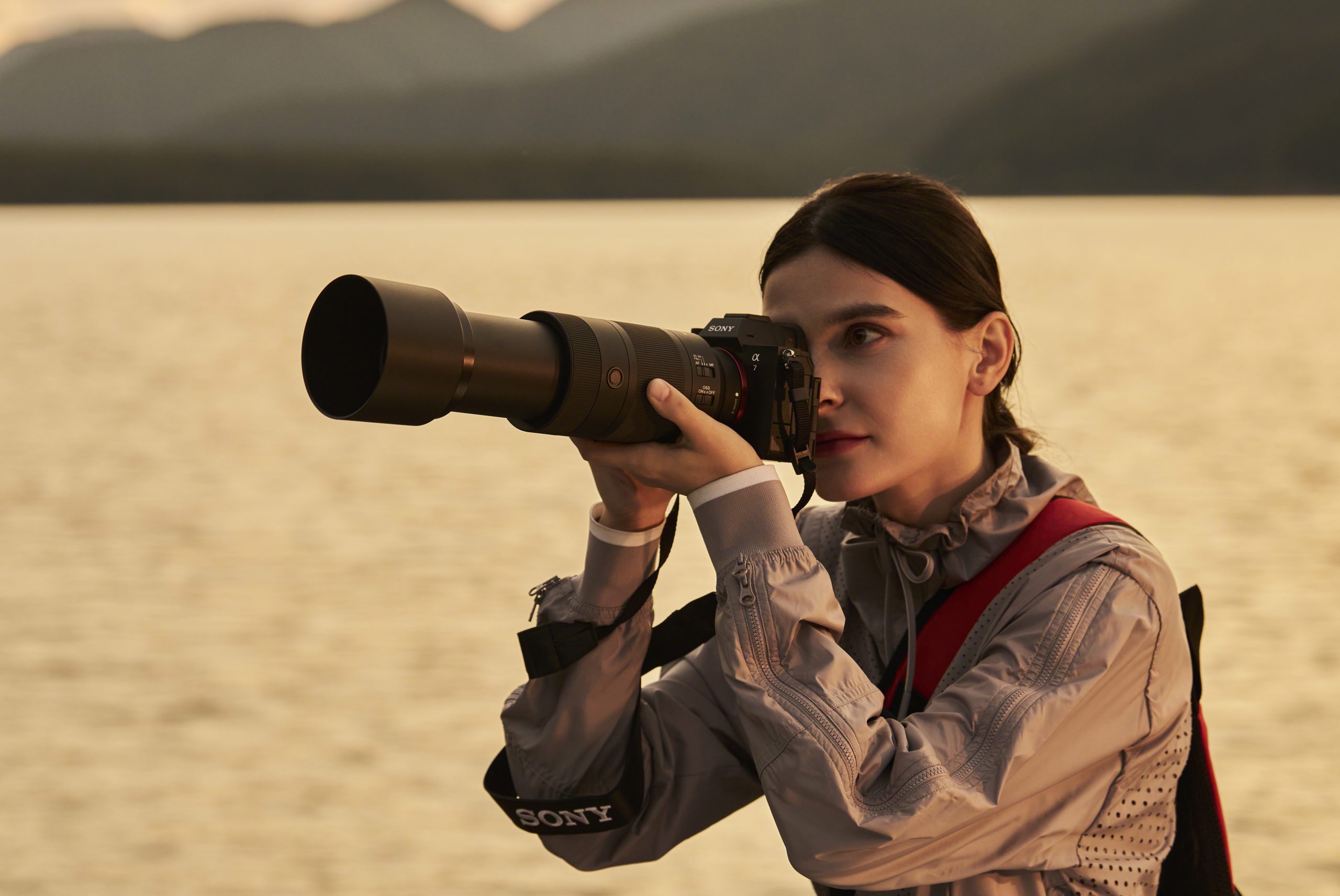
Sony has always created updated iterations of its popular lenses. The 100-400mm is one such focal length, which welcomes its third iteration on August 3 (after 100-400mm f4.5-5.6 GM and 100-400mm f4.5 GM OSS). While it may seem off for a company to introduce a focal range of this nature so soon, there are some updates that will certainly make landscape photographers quite happy.
What the Sony 100-400mm Offers
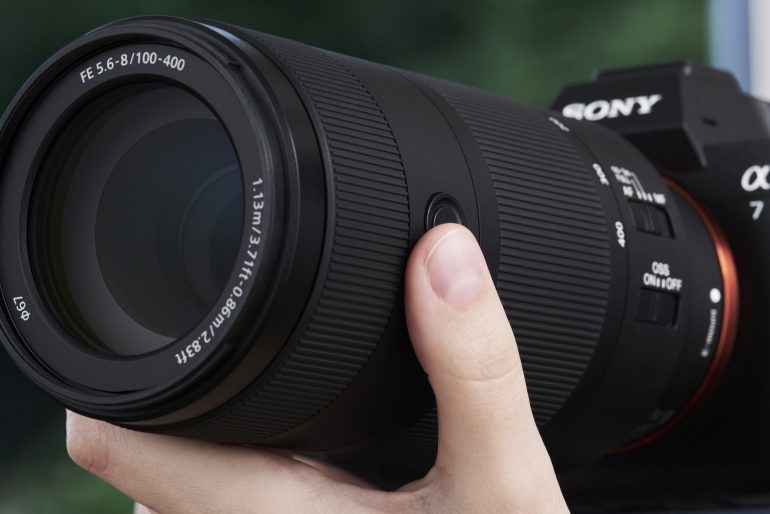
The new 100-400mm comes with a variable aperture of f5.6-8, and is touted to be lightweight, weighing just 654g. According to Yang Cheng, Vice President of Imaging Solutions, the new lens is designed for “hobbyist photographers,” and is said to be affordable. In addition to portability, the lens can be used with Sony’s teleconverters, which can make the go up to 800mm, or up to 1,200mm with APS-C mode.
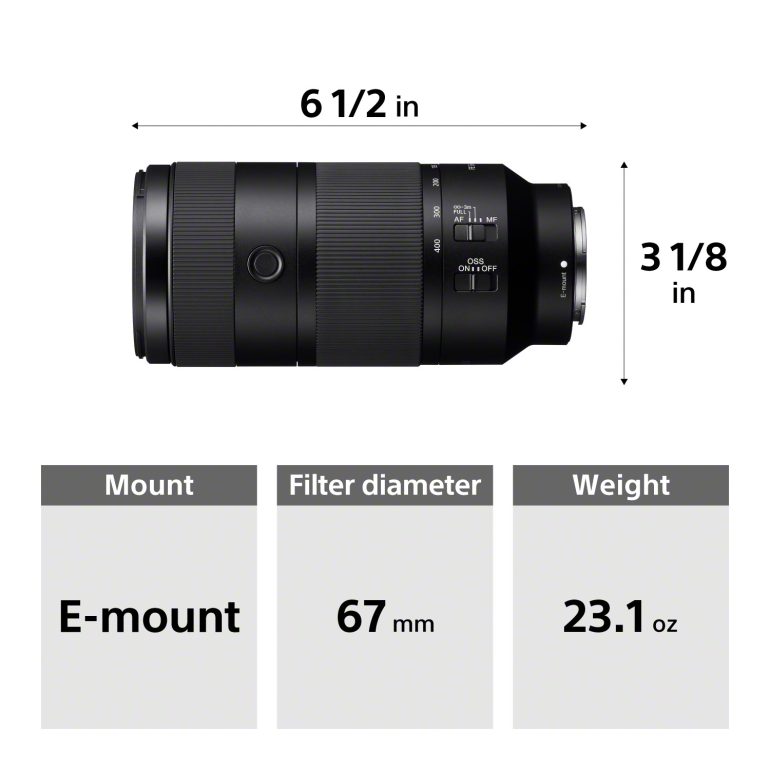
The Sony 100-400mm comes with two ED glass elements and two aspherical elements. It has 9-aperture blades, a minimum focusing distance of 0.86 m at the telephoto end and 1.13 m at the wide end, with a maximum magnification of 0.41x. Some other features also include fast, precise, and quiet AF, high-speed continuous shooting with AF/AE (auto exposure), and it can keep up with the a9 III, which has a burst rate of 120fps. There is also built-in stabilization, dust and moisture resistance, and is available for just $850.
How Landscape Photographers Benefit
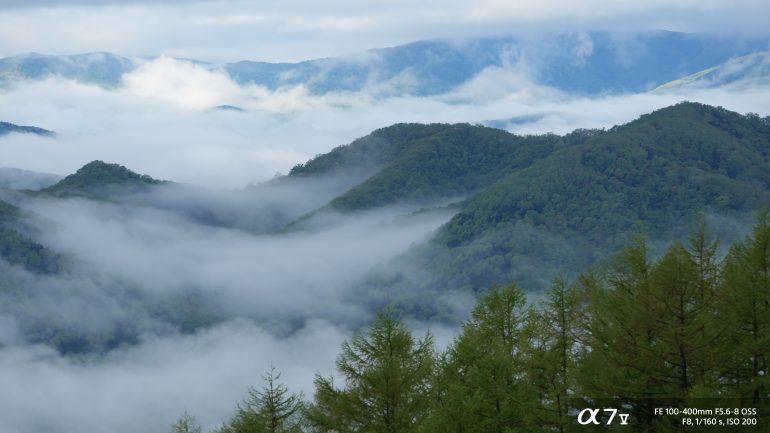
A telephoto lens is helpful when you want to compress and isolate distant mountains. A lens of this nature can deliver strong compression, which means that mountains, trees or layered horizons can appear closer in the frame. A wide angle lens is helpful when you want to create depth, ensuring that the scene appears as it is to the human eye.
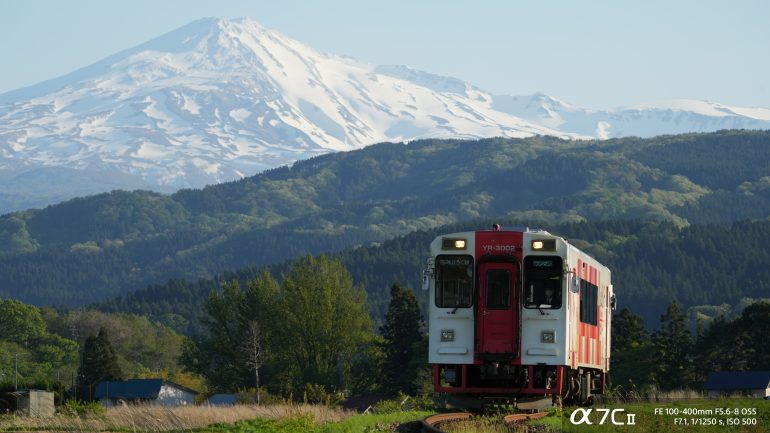
The Sony 100-400mm is lightweight enough, ensuring that it does not slow you down when you are hiking to a remote viewpoint. Landscape photographers often carry lots of gear, which includes ND filters, tripods, extra lenses. A lens like the Sony 100-400mm can be ideal when you want to shoot from a vantage point, and in good light. Some hikes require you to walk uphill for 3–4 hours, or some are longer expeditions through snowy mountains. Either way, the lens can have your back.
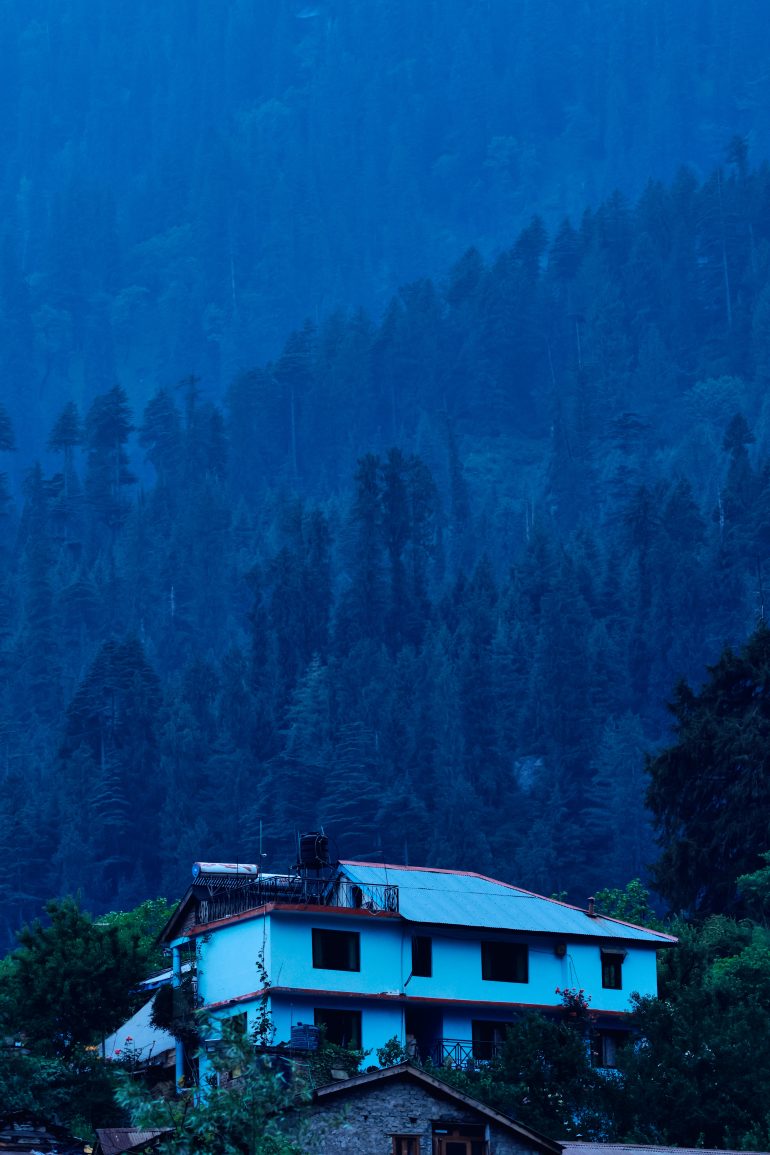
While variable aperture is a problem, f5.6-8 may not be a huge challenge. Sometimes, shooting f8 is ideal to get everything tact sharp from the foreground to the background. If you are shooting a town from the top of the mountain, you can get a long exposure as well.
Travel photographers who often photograph landscapes can learn a lot from this. All you have to do is keep your mind open to experimentation.
Get rid of the ads!
Did you enjoy reading this article as much as we enjoyed writing it? There's a way to support us and our reporting, getting ad-free navigation and more as a bonus. Subscribe to us for less than a coffee per month —just $3.99— or take advantage of our yearly subscription with a hefty discount for only $25.- An ad-free experience
- A free mystery box for Lightroom or Capture One
- All the books in our store
- 20% discount on Capture One
- 30% discount on Imalume Photo Theft Protection
- 20% off Herbs and Kettle Tea Company.
- 20% off your order from MPIX printing services.
- 5% off Viltrox Products via their eCommerce store.
- 10% off all film developing, printing and scanning services from Blue Moon Camera and Machine
- 15% off 7Artisans products: The lens and accessory maker is offering a sweet discount for Phoblographer's readers.
- 15% off a VSCO One subscription: Get a bunch of great tools with their all-in-one package.