

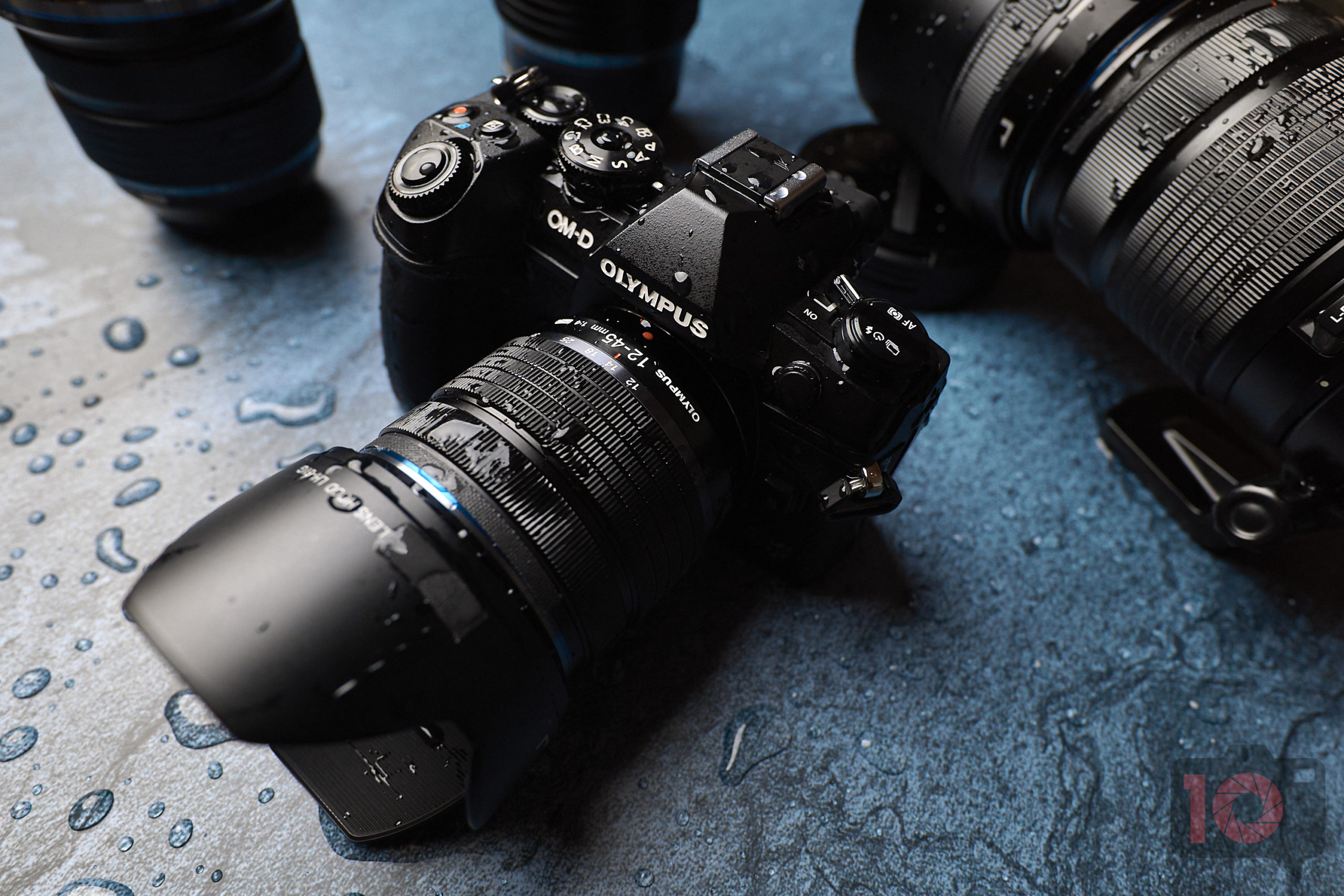
When it comes to choosing the best camera, one has multiple options to work with. For instance, Nikon, Canon, Sony, and Fujifilm are a few brands that many young photographers are opting for. Similarly, for those interested in becoming astrophotographers, there are several great options to rely on. This includes Micro Four Thirds cameras that have proven their worth. Here’s a look at the kit you must invest in.
Olympus OMD EM1 III
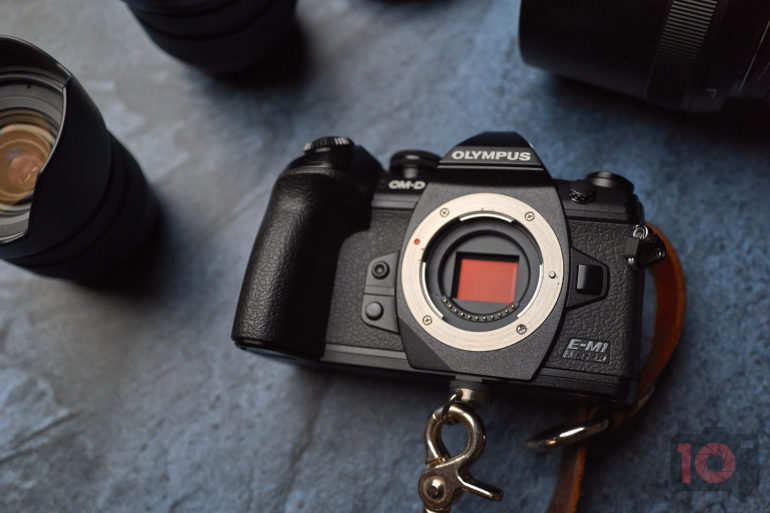
What makes it great? A 20MP 4/3 camera, the EM1 is the perfect option for people on a budget. It is quite diverse, has 5-axis image stabilisation, 4K videos, and the Starry Sky AF feature. The camera is also very well weather-sealed, making it the ideal option for outdoor shoots. It’s magnesium alloy body has plenty of controls to make your life easy.
Why is it unique? One of the most important features is the Live Composite mode of the camera. It helps one to create star trails, long exposures and so on in camera. The autofocus is pretty decent and those shooting stars will, anyway have to rely on manual focus to get the sky right. To get more details, switch to detail priority mode, and you get more details. And with the art filters, you get pretty good results as well. Overall, the images are worth your time.
The starry sky AF feature on the Olympus OMD EM1 III works in two different ways. There is an accuracy priority that makes focusing a bit slower. Additionally, there’s a faster option too. You should ideally just be using accuracy combined with Live Composite. Then just hang out wherever you are with friends and have fun.


Olympus 7-14mm f2.8 PRO
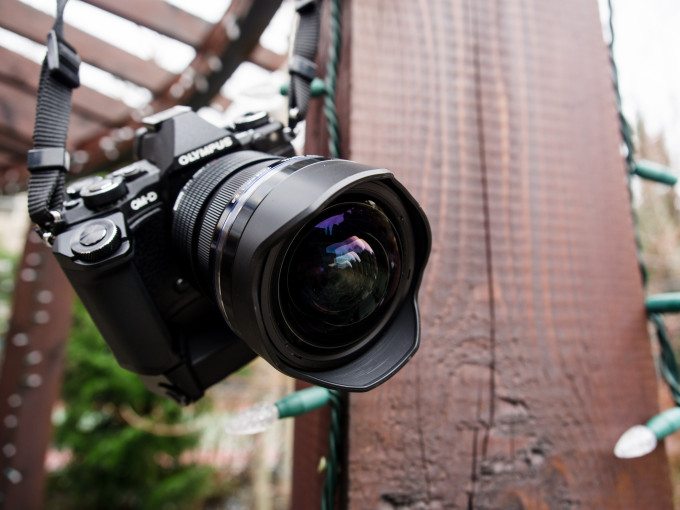
What makes it great? With 14 elements in 11 groups, the 7-14mm offers a 14-28mm equivalent of focal range. There is a 20mm minimum focusing distance, 0.11x magnification, and it weighs 534g. The focus ring can double as a manual focus switch option as you swap it back. There is a nice-textured ring, simple controls, and a big bulbous front element. It is also weather sealed, if you are worried about it.
Why is it unique? As a wide angle lens, the focus is quick and snappy. However, for astrophotography, it is best to manually focus on the stars. The image quality is quite sharp, has matured colors and, with the color filters, you can get amazing results. It is also small, handles distortion well. And is quite easy to work with.
Considering that this lens at f2.8 is basically like f5.6 when it comes to the depth of field on a full frame 35mm camera, there is no real need to stop it down. F5.6 is the most I’d go generally. To that end though, the image above was shot with a flash and the sharpness is rather remarkable.


