

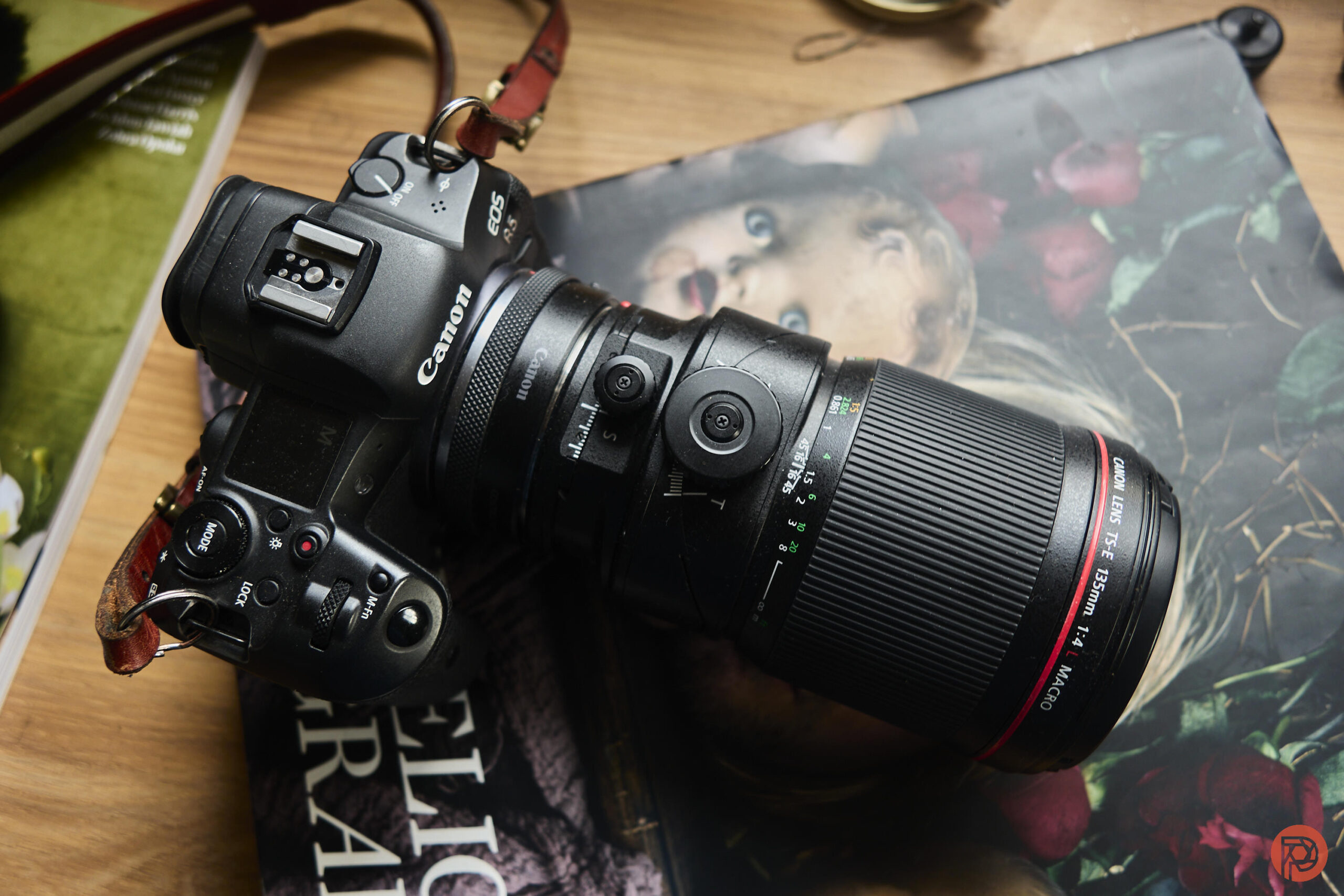
Over the years, Canon has introduced some great lenses for multiple photographers. From landscape to wildlife, photographers have a varied range that they can work with. Amongst various creations, Canon’s tilt-shift lenses have been the most promising and loved. It appears that the company aims to revive them soon for mirrorless models.
According to Asobinet, Canon patent number 2026-072135, Canon is developing multiple iterations of tilt-shift for customers. This includes models ranging from 24mm f3.5 to 17-24mm f4 to 100-400mm f4.5-5.6. Here is a quick look at the examples:
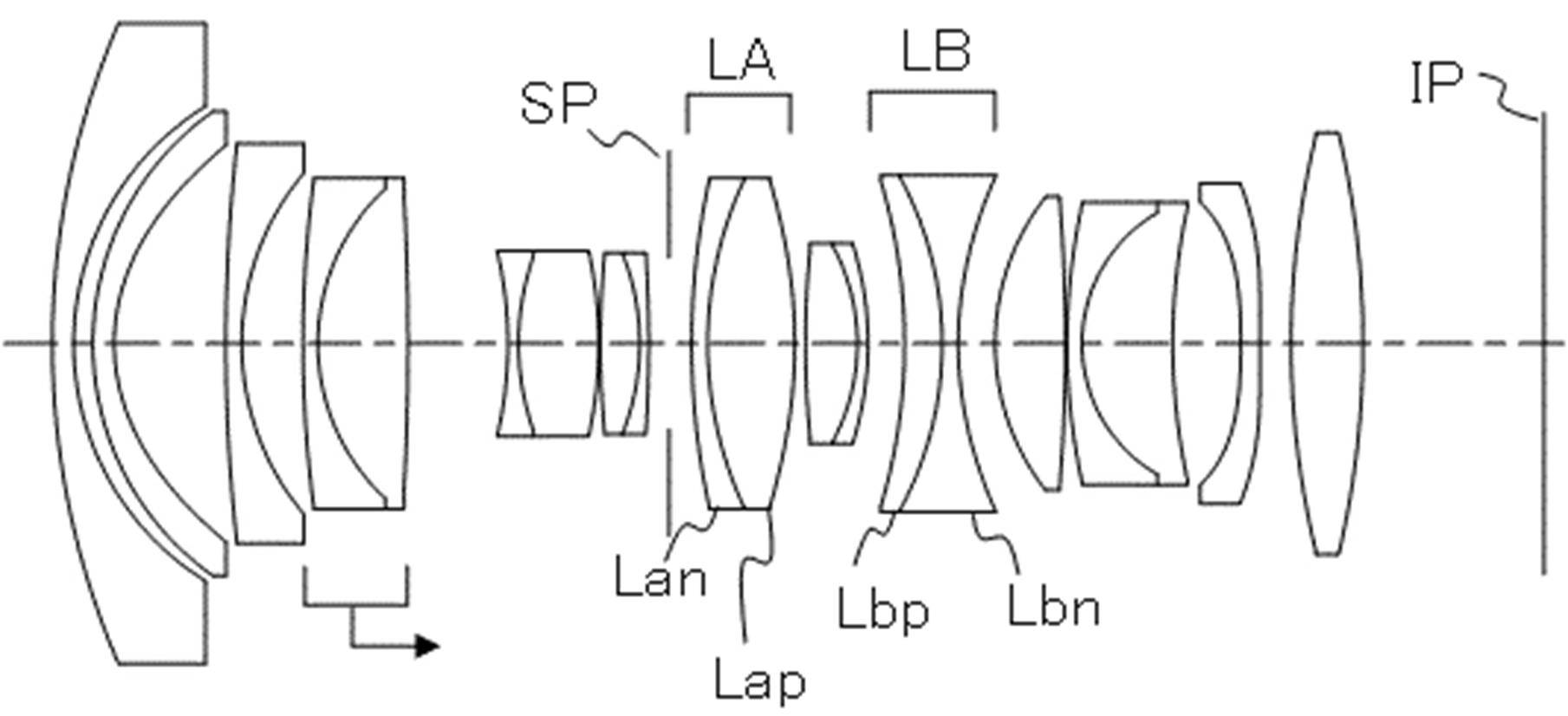
Example 1
- Focal length: 24.03
- F-number: 3.50
- Half-angle of view: 41.99
- Height: 21.64
- Length: 140.00
- Back Focus: 17.00
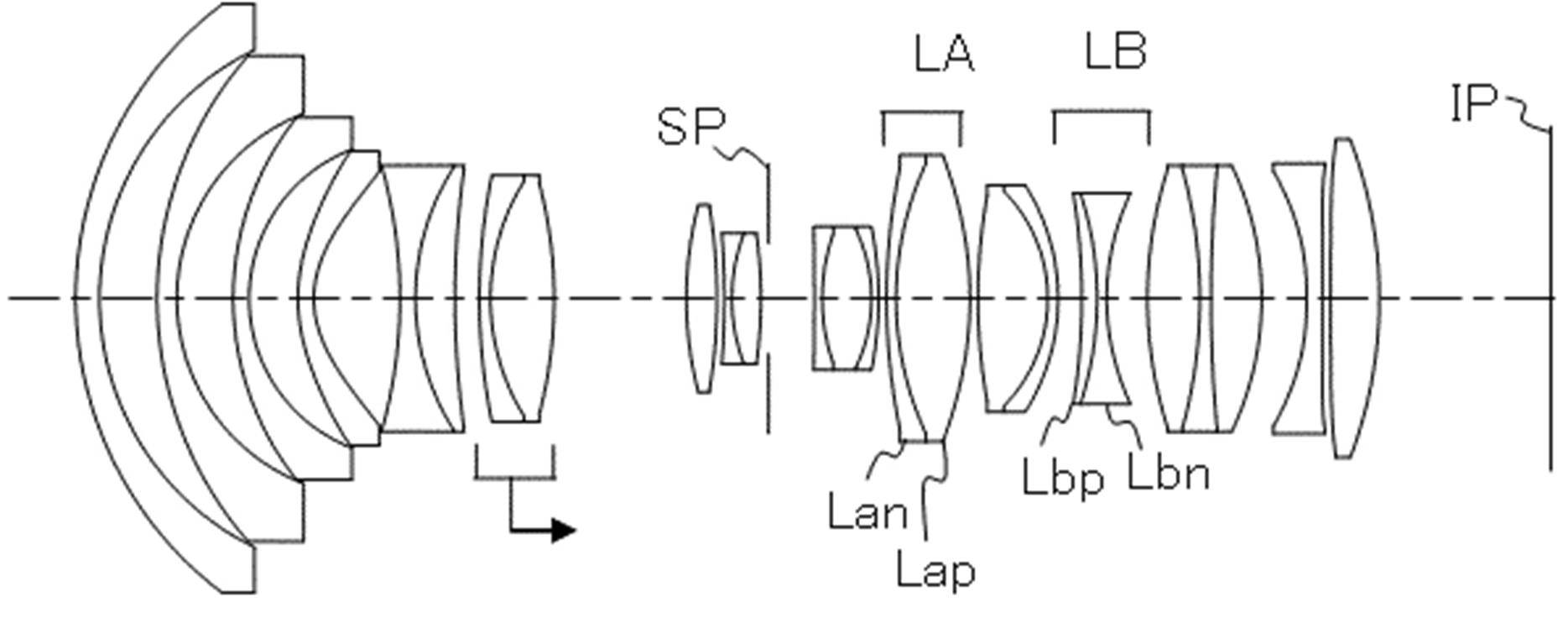
Example 2
- Focal length: 17.51-23.30
- F-number: 4.10
- Half-angle of view: 51.01-42.88
- Height: 21.64
- Length: 186.00
- Back Focus: 21.63
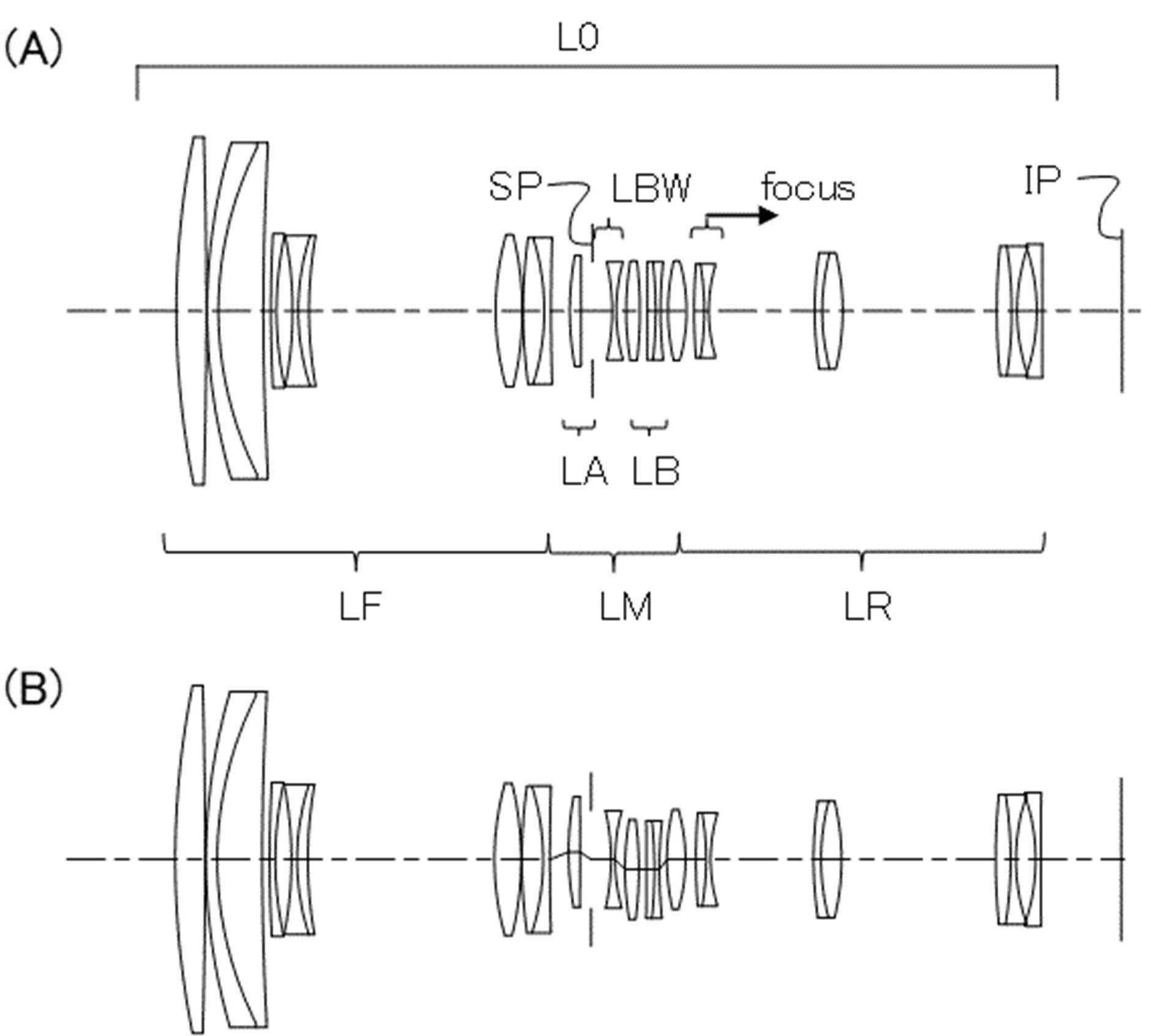
Example 3
- Focal length: 103.00-388.00
- F-Number: 4.64-5.77
- Half-angle of view: 11.86-3.19
- Height: 21.64
- Length: 252.25-342.25
- Back Focus: 21.40-66.85
Example 4
- Focal length: 20.61-33.94
- F-number: 4.12
- Half-angle: 44.45-32.51
- Height: 21.64
- Length: 113.98-107.29
- Back Focus: 16.73
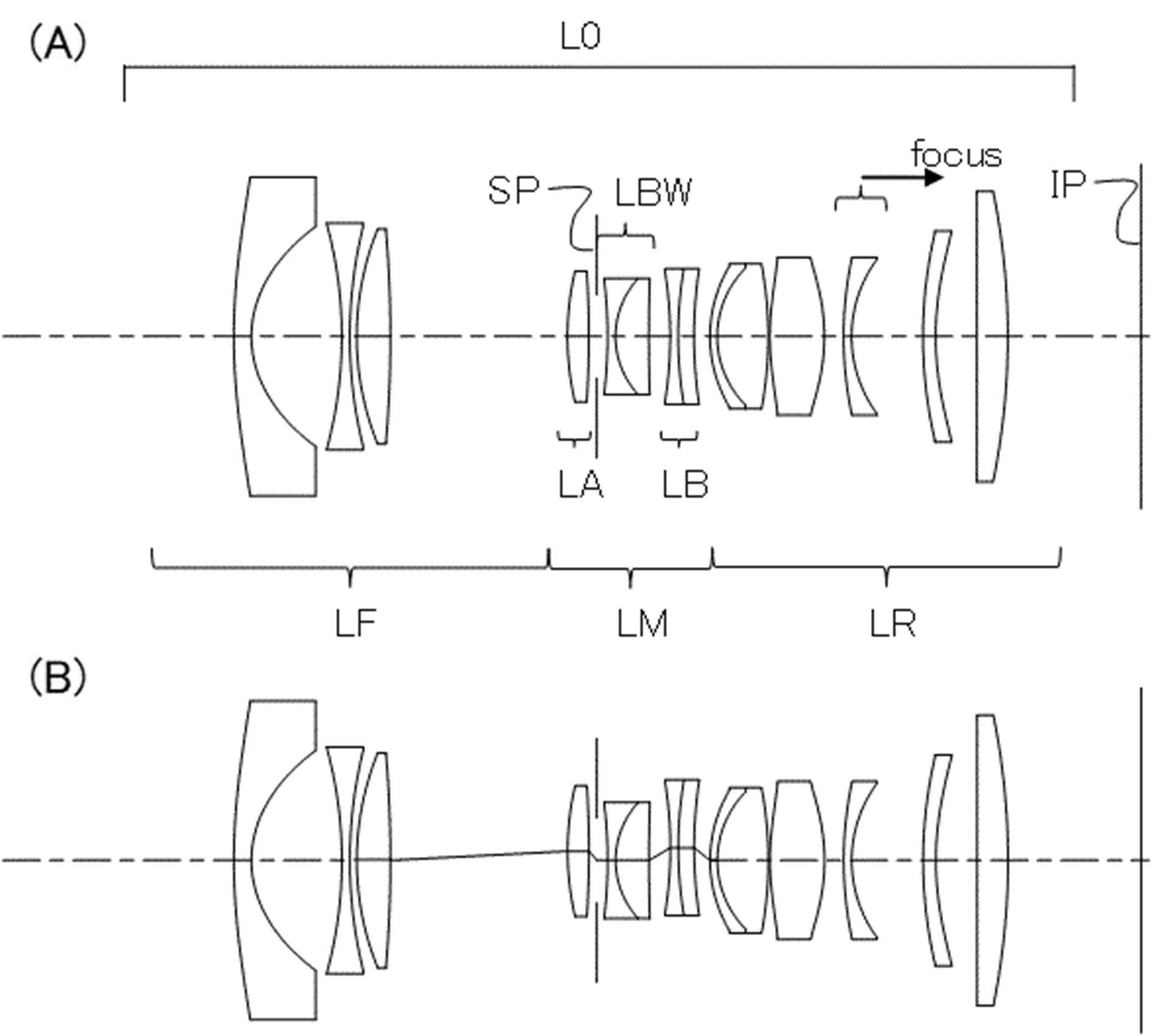
Example 5
- Focal length: 194.00-582.00
- F-Number: 5.60-8.24
- Half-angle of view: 6.36-2.13
- Height: 21.64
- Length: 260.20-350.20
- Back Focus: 23.11-81.24
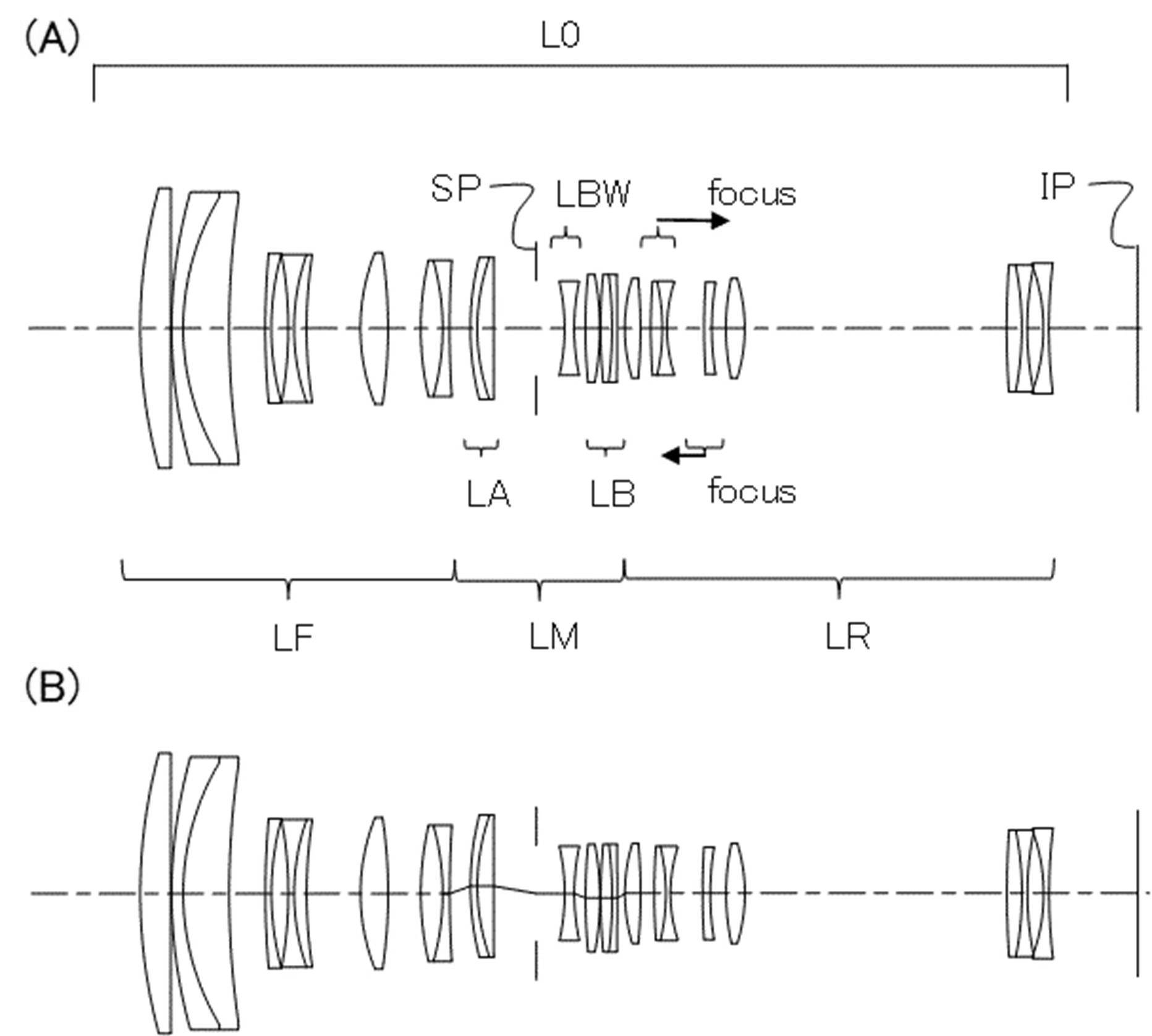
Every tilt lens on the market achieves the effect by moving the lens barrel externally. However, Canon’s patent looks at a different approach. Rather than moving the barrel, the new design moves two internal lens groups sideways in opposite directions simultaneously. These groups move in opposite directions specifically to prevent compositional drift.
Canon is also demonstrating up to 70 to 75 degrees of object tilt. The current Canon TS-E lenses are between ±6.5° and ±10° tilt. So a jump from 70 to 75 degrees is impressive and can help with miniature effect photography, product photography, and architectural work.
Theoretically, the 100-400mm and the 200-600mm TS lenses seem unreal, and so, they can be for design purposes, rather than actual products for customers. Canon already offers, 17mm, 24mm, 50mm, and 90mm, and so, a super telephoto zoom is just weird.
In addition to Canon, Laowa, TTArtisan and Samyang have introduced wide-angle tilt-shift lenses, which makes the super telephoto lenses unlike any other. 17mm is one common lens, including a 24mm focal range.
Overall, a native RF lens will make the Canon system more interesting and important for interior and architecture photographers. A 17-24mm also means you get two lenses in one, which reduces the gear load. Moreover, the internal shifting mechanism itself will further make things easier for many users.
Tilt-shift photography is impressive and helpful. The RF lens system is pretty young, so a new lens native to a mirrorless mount can also help store data better. It remains to be seen what Canon finally launches. But for now, it seems an impressive research.
Get rid of the ads!
Did you enjoy reading this article as much as we enjoyed writing it? There's a way to support us and our reporting, getting ad-free navigation and more as a bonus. Subscribe to us for less than a coffee per month —just $3.99— or take advantage of our yearly subscription with a hefty discount for only $25.- An ad-free experience
- A free mystery box for Lightroom or Capture One
- All the books in our store
- 20% discount on Capture One
- 30% discount on Imalume Photo Theft Protection
- 20% off Herbs and Kettle Tea Company.
- 20% off your order from MPIX printing services.