

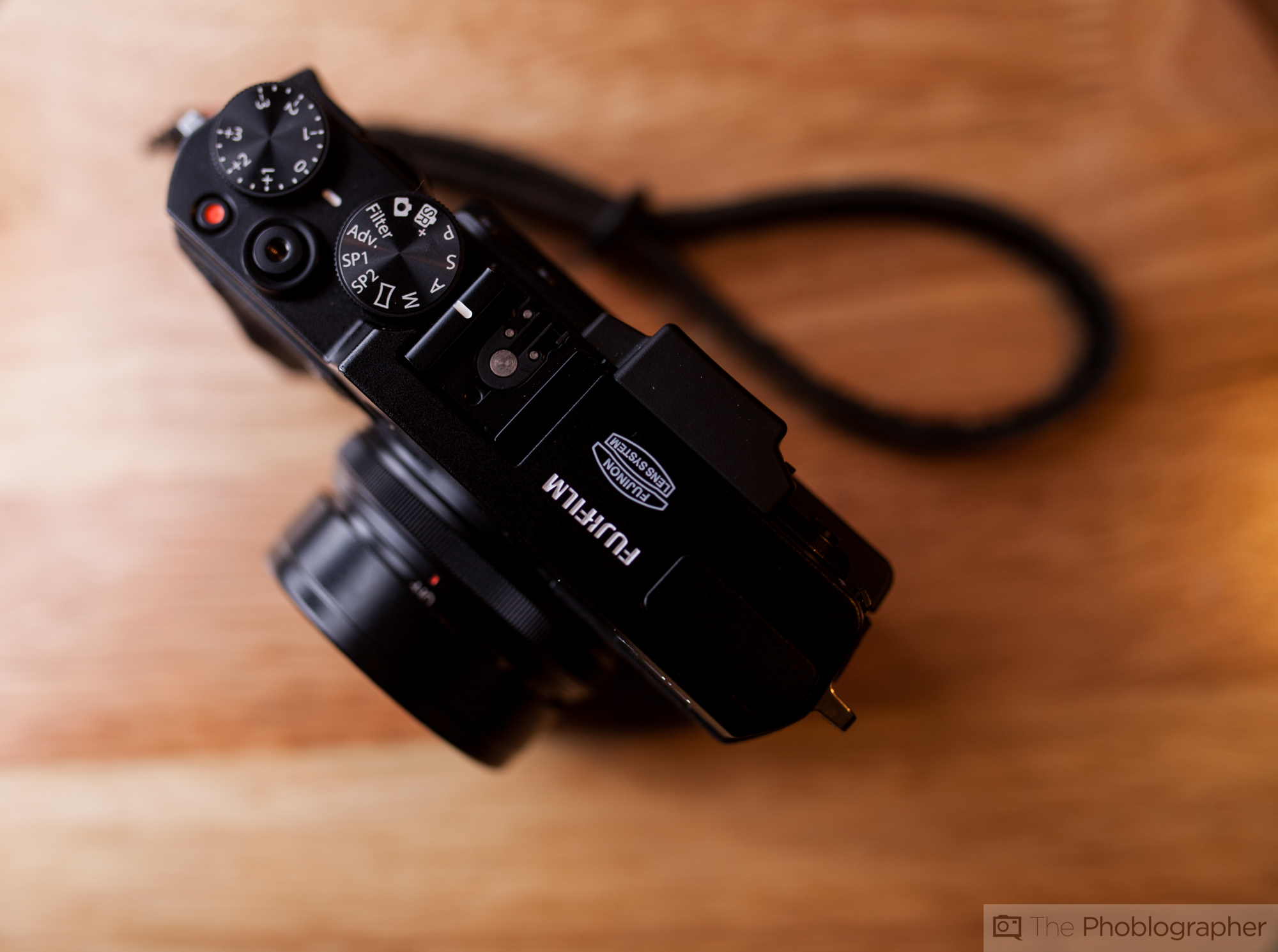
Travel photography is one of the few genres that requires two things: portability, and a good zoom lens. With more and more photographers opting for retro cameras with small built, it is becoming clear that size, after all, matters a lot. Keeping this in mind, here are some compact cameras that can be of help to young image-makers, who want a balance between price and performance.
Fujifilm X30
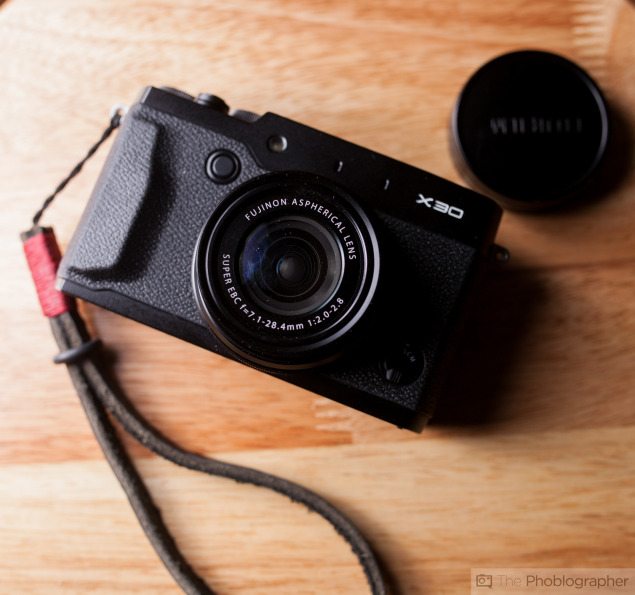
What makes it great? A fixed-lens camera, it offers a 12MP CMOS II sensor, a 28-112mm lens, and a 3-inch 920k-dot LCD. The front has various controls, you get a leatherette body mode dial, hot shoe, shutter release, video record button, and exposure compensation dial at the top. It is so small it can practically fit in your pocket, and the build quality is nice. One can easily take this around for any trip and not worry about anything else.
Why is it so unique? What makes the device so fun is that it is easy to shoot with. The focus is fast, accurate and it also offers a nice EVF to see what you are focusing one. One can rewire controls to move the focusing point. The camera offers detailed images in good light, and you can push the high ISO up to 3200. The RAW files are versatile, and you can recover immense details from highlights and shadows. The colors are amazing, and the dynamic range is good, too. The device is pretty perfect in many ways. Overall, it is a device that will make photography fun for you.
Despite the fact that the camera has such a small sensor, it can surely allow you to have a lot of bokeh. If you’re a macro shooter, you’ll have a lot of fun taking a look at the amazing amount of bokeh that you can get.


Ricoh GR (Original)
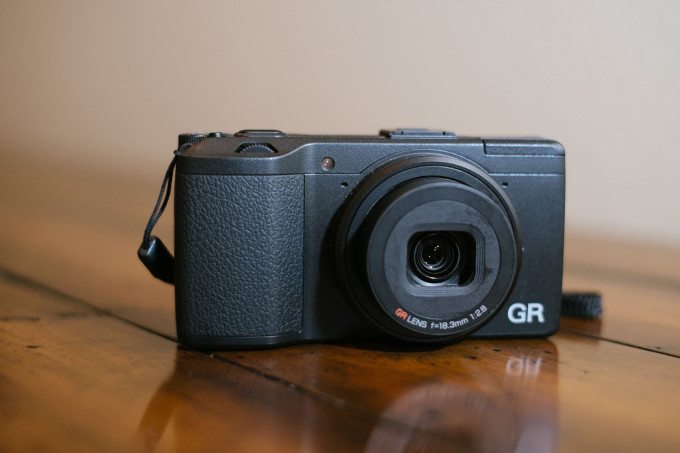
What makes it great? The autofocus of the device is something many will adore. In bright light, it easily fixes the focus and quick to latch on to the subject. In low light, it struggles a little before it can focus on something. Single point AF with focus & recompose method will be of help here. The camera is capable of producing detailed images at normal and high ISO ranges. The lens is also sharper and cleaner. The RAW files also help you push the colors to get what you desire. The in-camera B&W JPEGs are fantastic as well. In fact, we found it to be “a perfect travel camera” in many ways.
Why is it so unique? This is the first GR iteration, which was quite popular amongst many photographers. It houses a 16MP APS-C sensor, offers a 28mm lens, a 1,230,000 dots LCD, and a built-in flash, which is missing from GR IV. The device weighs 243.8g, and is known for how inconspicuous it is. Moreover, it is quite simple to use, with easy menus to navigate. Despite being slightly heavier than the current models, it feels well-balanced and great to use.
n typical daylight the camera will lock onto a subject quickly and accurately the first try (I don’t like saying things have 100% accuracy, but it felt pretty darn close). In very very low light I found that the GR would hunt for focus for a second or two, but most of the time it would eventually lock on what I had intended. This was a bit slow, but I feel that it was within my expectations for a non-DSLR
I thought that the in-camera B&W Jpegs were fantastic, most of the ones I shot needed no additional editing which I really enjoyed.
I was also impressed with the usable dynamic range of the GR. It completely saved some horrendously overexposed images (thanks to me accidentally overexposing 4 stops from pressing the compensation button without realizing it). I was able to pull the exposure to a very usable level in Lightroom 5, and it’s good to know that images can be salvaged when you make a mistake.


Get rid of the ads!
Did you enjoy reading this article as much as we enjoyed writing it? There's a way to support us and our reporting, getting ad-free navigation and more as a bonus. Subscribe to us for less than a coffee per month —just $3.99— or take advantage of our yearly subscription with a hefty discount for only $25.- An ad-free experience
- All the books in our store
- 20% discount on Capture One
- 30% discount on Imalume Photo Theft Protection
- 20% off Herbs and Kettle Tea Company.