


A little over a decade ago, Nikon had arguably the best speedlight system of any camera brand on the market. The lights could all talk to each other wirelessly without much hassle, and the system helped many a photographer become a creative professional. But with their last speedlight model being released over a decade ago, what’s caused this stagnancy in the lighting department of their R&D team?
“Joe McNally!”, came the answer from the back of the conference hall to the rhetorical question “Name a photographer who’s known for every kind of photography.” I was assisting the legendary Tim Wallace at his ‘Inspire – Innovate – Lead‘ seminar on the business of professional photography that evening and an audience member decided to humorously respond to the query posed to the attendees. That reply elicited a chuckle from everyone seated there, and while Joe is well known for being an all-rounder in many genres of image taking, I think he stands out best for being a pioneer in off-camera lighting. A good part of the years of his digital photography career were spent being an absolute master using speedlights on sets and locations. And he was able to be a wizard at this, primarily due to the crazy possibilities that were opened up to him while using the Nikon Creative Lighting System. A system that now appears to be banished to the annals of Nikon’s website archives, as I can’t even find a link to the microsite for CLS that used to be on their site. Which is exactly what makes me wonder, why Nikon has quietly buried what used to be a fantastic selling point for their speedlights over 10 years ago.
I remember when Nikon flashes weren’t just tools. They were magic.
Creative Lighting System

If you wanted to buy a Nikon speedlight today, you’d probably walk out of the store with an SB-5000. This is a flash that was launched way back in 2016, and wasn’t followed with a newer model. No SB-6000 or SB-7000. Not even the faintest whisper of a new or improved Creative Lighting System since then. For those of us who grew up believing Nikon owned the world of wireless flash, the emptiness in their speedlight lineup since then is deafening.
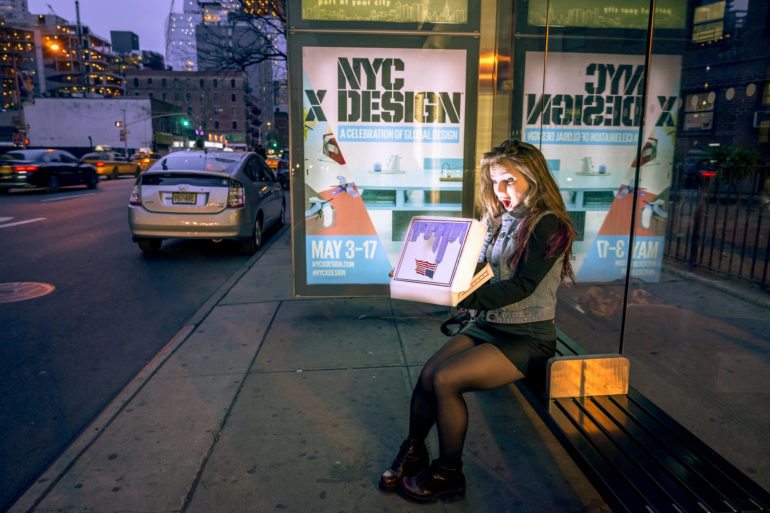
I remember when Nikon flashes weren’t just tools. They were magic. In the mid-2000s, Joe McNally was doing stuff with Nikon speedlights that seemed absolutely impossible. And I’d argue it was, because I’d never seen anyone else do it as well. Like no one else, he could light a full environmental portrait using five to ten SB-800s, SB-900s, and SB-910s. These flashes were taped to light stands, stuffed into ceilings, and creatively hidden behind furniture. The results looked like they were made using a truck full of studio strobes. But it was just small flashes that were cleverly placed and creatively controlled using the Nikon Creative Lighting System proprietary wireless technology.
His books, The Moment It Clicks and Sketching Light made Nikon’s CLS feel like a superpower. For a generation of photographers like me, McNally wasn’t just a hero at his work. His usage of Nikon’s speedlights alone was definitive proof that Nikon understood off-camera light better than anyone.
Magical When It Worked
CLS was years ahead of the competition. Using Nikon’s i-TTL metering, you could control multiple groups of flashes right from your camera’s pop-up flash or an SU-800 commander (what a futuristic looking tool that was, eh). No separate triggers or complex wiring. On paper it was as simple as setting your flashes in the right spot, pointing your camera, and wham – you got a stunning portrait in-camera. Of course, you needed the creative mind of someone like McNally and also the confidence to pre-visualize what you could create with all those lights, but in theory, those stunners were possible without strobe lights at all.
The SB-5000 Breakthrough
Yes, it had limits for sure. The IR system required line of sight. Outdoors in harsh sunlight, it often failed. But when it worked, it felt like a mind-blowing miracle. For location portrait shooters, CLS wasn’t a compromise, it was the ultimate dream fusing portability and cost-effectiveness. Yet for those of us who weren’t accustomed to getting line of sight to work well enough, Nikon understood a change was needed.
The SB-5000 debuted in 2016. Finally it seemed like they listened to a lot of our silent and not-so-silent complaints. This model introduced built-in radio control using their new WR (wireless remote?) system. No more requiring line of sight between all units. No more dancing around trying to align tiny IR sensors. You could hide a flash behind a wall, around a corner, or anywhere you wanted really, and it would still fire perfectly.
This was a real game changer as it meant that location setup time dropped from minutes to seconds. Reliability in bright sun or crowded rooms became rock solid. It felt like Nikon had finally perfected CLS. The SB-5000 wasn’t just an upgrade for their speedlights, it was a statement they had revolutionized the system.
Radio Silence….
We’ve still been waiting for a decade to see not just a successor, but also various more WR compatible speedlights from Nikon. In this time, brands like Godox have raced ahead with a plethora of affordable and highly reliable speedlights. They’ve even made speedlights, and strobes, that are pocket-friendly both in terms of size and affordability. It really makes you wonder what happened to Nikon after 2016 when it came to their flash development team. Did they assign them to other tasks, or cull them entirely? Why kill something that could really help a whole new generation of photographers see and think creatively using portable off-camera lighting?
If it boiled down to R&D and production cost vs returns, then the most obvious solution could be to outsource this to someone like Godox while retaining creative oversight and branding. Much like the Tamron and Nikon collaboration where the former develops lenses for the Z-mount line of cameras but brands them for Nikon’s look and feel. It’s a win-win for both as new speedlights (and strobes even) could be quickly brought out onto the market for loyal brand fans.
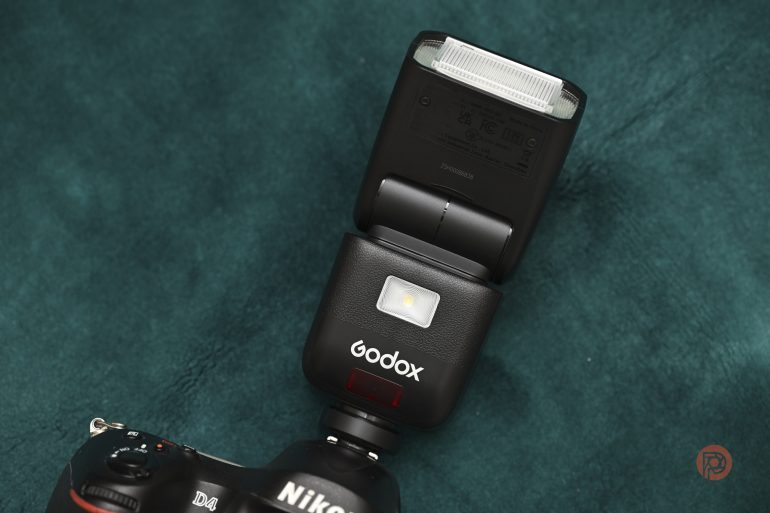
Imagine an all-new series of speedlights for the “Nikon Creative Lighting System” by Godox. Nikon provides the software, the color science, and the gel integration. Godox handles the hardware, the radio chips, and the production scale. Nikon loyalists would finally get modern flashes with native CLS radio tech. No third-party triggers or adapters. This could even be expanded onto the Godox portable strobe series.
I Hope They’re Listening

Nikon has been bleeding its flash user base for almost a decade now. Event photographers, portrait experts, and location shooters like me (who once owned four Nikon SB speedlights) have moved to brands like Profoto, Godox and Flashpoint because we need modern features and better pricing options. Also, for far better battery life.
Nikon’s silence on this front for the last decade sends an unclear message, one that seems to say that they don’t see creative lighting as part of their future. I don’t think CLS isn’t dead though; it’s been abandoned. And for those of us who remember what it felt like to trigger six flashes from a pop-up unit on a Nikon D700 or D3s, that feels worse.
Nikon proved they could solve the IR problem and showed they understood gel integration, TTL accuracy, and wireless grouping. Every year of silence is another year loyal users spend their money elsewhere. And once they switch triggers, they very rarely come back. Joe McNally once made the Nikon Creative Lighting System look like the future. It’s time Nikon remembered that.
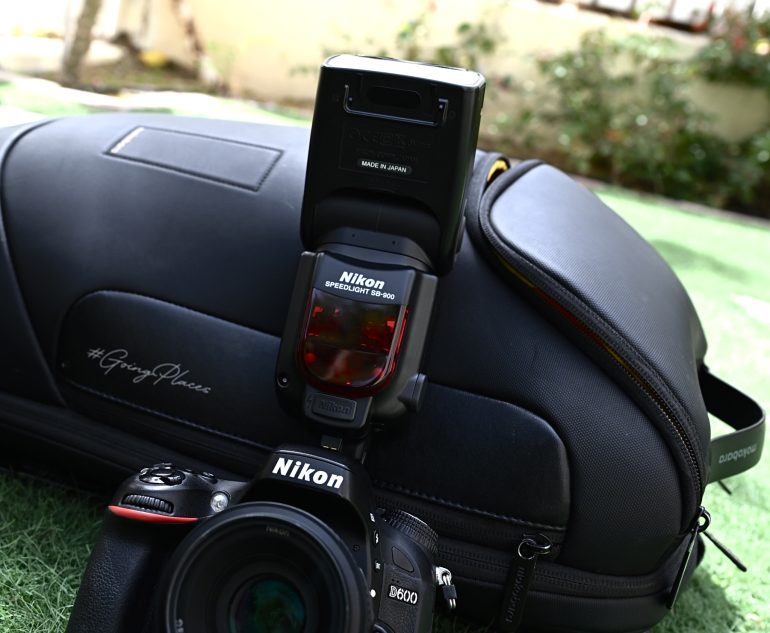
The cover image and SB90 featured images for this article were shot by my friend Avinash and used with permission. I couldn’t locate my own SB910 and SB800 because I hadn’t used them for ages.
Get rid of the ads!
Did you enjoy reading this article as much as we enjoyed writing it? There's a way to support us and our reporting, getting ad-free navigation and more as a bonus. Subscribe to us for less than a coffee per month —just $3.99— or take advantage of our yearly subscription with a hefty discount for only $25.- An ad-free experience
- A free mystery box for Lightroom or Capture One
- All the books in our store
- 20% discount on Capture One
- 30% discount on Imalume Photo Theft Protection
- 20% off Herbs and Kettle Tea Company.
- 20% off your order from MPIX printing services.
- 5% off Viltrox Products via their eCommerce store.
- 10% off all film developing, printing and scanning services from Blue Moon Camera and Machine
- 15% off 7Artisans products: The lens and accessory maker is offering a sweet discount for Phoblographer's readers.