


Olympus has launched some important cameras over the years and the EM1 is one of them. The device was launched in 2013 and was designed specifically to replace the old E5, a DSLR. What EM1 offered was not just a better design but also impressive features. For instance, it was a mirrorless camera that was catering to the needs of professionals. Here is a brief overview of why it is highly regarded today.
Exceptional RAW Files Versatility

For professionals, image quality, especially RAW files, is of utmost importance. The EM1 truly delivers good results, thanks to its improved colour depth, dynamic range, and more. In fact, it beats the EM5 with ease. If you are editing the photos a bit too much, you need to be aware of the colour theories, so that the results are good. The images above, the one on the left is the original and the one on the right is edited. You can see how we have been able to recover the skin tone but also enhance the photo’s overall. Moreover, for a Micro Four Thirds camera, the noise truly starts to happen only after ISO 2000. Before that, you’ll be able to get good results.
An Exceptional Build
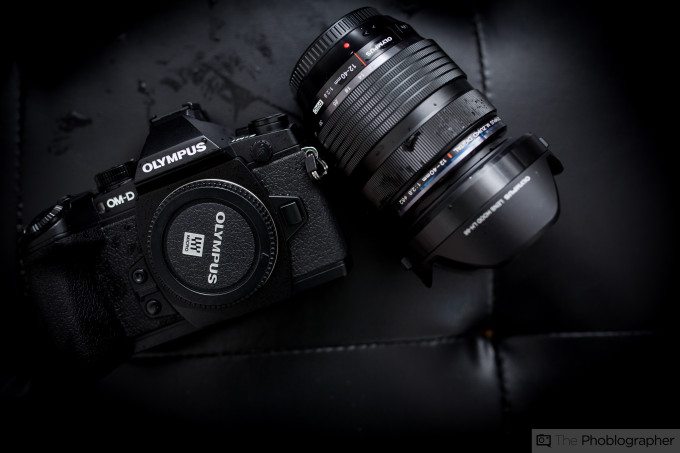
Most photographers opt for Olympus because the company promises to provide exceptionally built cameras. The EM1 is no different. The device has multiple buttons and dials at the top and the back to give photographers a chance to customize the device based on their needs. The button placement is also intelligently done so. The retro feel of the camera further makes it a much-loved model. But where it shines the most is in the weather sealing. The camera feels right in your hands, and it is also water, dust, and freeze-proof. To test the theory, we ran the OMD EM1 under a faucet with a weather-sealed lens attached. It performed flawlessly. This proves the camera lives up to its predecessor that also survived 15 minutes of snow while buried inside it.
Autofocus: Second to None

If you are purchasing an Olympus, you are likely a photographer who shoots fast-moving subjects: birds, mammals, or people. In that regard, the EM1 can focus on subjects quickly. The performance is snappy for the most part, and in daylight, the autofocus will latch on to subjects with speed. But there may be some challenges if there is a person behind your original subject. Thus, you need to rely on specific autofocus points. Similarly, focus peaking is also quite accurate, and it works best with “electronically coupled lenses” and Voigtlander. As we added in our review, “It’s clear that Olympus put a lot of time and thought into this camera. Any major problems that we had with it could be considered minor quibbles in the grand scheme of things.”
The OMD EM1 will cost just $500 today, which is perfect if you are a serious enthusiast trying to get a worthy camera.
Get rid of the ads!
Did you enjoy reading this article as much as we enjoyed writing it? There's a way to support us and our reporting, getting ad-free navigation and more as a bonus. Subscribe to us for less than a coffee per month —just $3.99— or take advantage of our yearly subscription with a hefty discount for only $25.- An ad-free experience
- A free mystery box for Lightroom or Capture One
- All the books in our store
- 20% discount on Capture One
- 30% discount on Imalume Photo Theft Protection
- 20% off Herbs and Kettle Tea Company.
- 20% off your order from MPIX printing services.
- 5% off Viltrox Products via their eCommerce store.
- 10% off all film developing, printing and scanning services from Blue Moon Camera and Machine
- 15% off 7Artisans products: The lens and accessory maker is offering a sweet discount for Phoblographer's readers.