


Zoom lenses are quite important for photographers. One of the reasons is that they provide a versatile range in one lens, which is the most cost-effective for many photographers on a budget. If you are someone who has recently started using the Nikon system, then let us introduce you to two offerings that cost around $1,100. And each is perfect for your varying needs.
Nikon Z 17-28mm F2.8
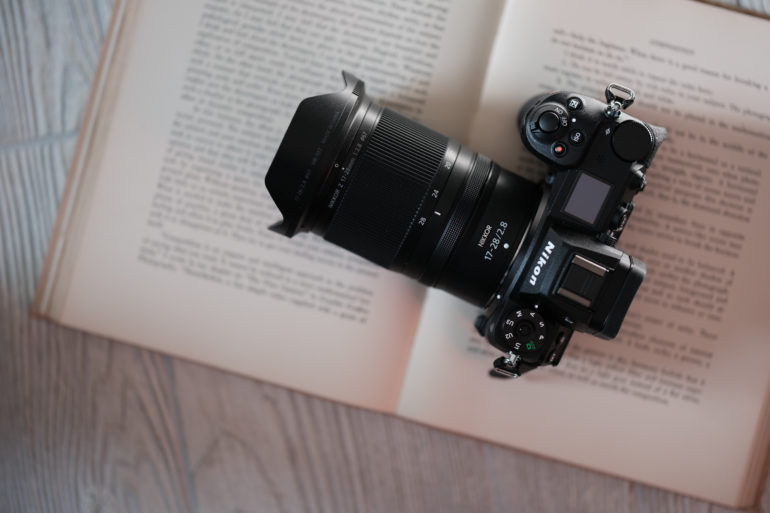
What makes it great? This is a cheaper alternative to most wide-angle zooms with a fast aperture. The lens fits in the Z lineup at ease; it costs less than the 14-24mm f2.8. The design is also simple, the leash weighs about a pound, and it is short enough for portability too. You can use it with ease when shooting for long hours. There are also some minimal controls such as a focus ring and a zoom zing on the lens. What’s more is that it is weather-sealed, which means it can be taken out during snowfall without any issue. It also feels nice in your hands.
Why is it unique? One of the most important things is that the Nikon 17-28mm does not miss a shot. The focus locks on, even when the dog is headed towards the camera, and the number of soft shots increases only when you are shooting indoors, in low light. The lens also does a good job when shooting wide angle, as you can see below. And with a close focusing distance of 0.6 feet, you can get really close to the subject. In addition, the image quality is impressively sharp. While wide-angle lenses are not known for bokeh, the f2.8 can give you good bokeh in the right conditions. The colors are true to life, and you can find some nice flares when shooting against the sun.
Who is it for? The wide-angle lens is perfect for landscape, urban city, architecture, interior, and environmental portraits. Events, landscape, and wedding photographers can use this.
The 17-28mm f2.8 is quite a bit cheaper than the S series lens, and I liked the flare that this lens created. If you don’t need something as wide as 14mm and don’t shoot action, you can save more than $1,000 by choosing the 17-28mm.


Nikon Z 24-120mm F4 S
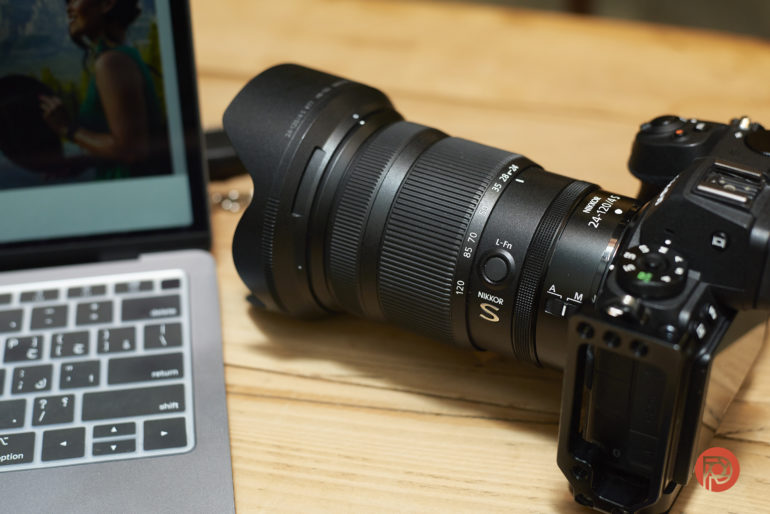
What makes it great? The lens can easily focus on anything, thanks to the focus point selection in recent cameras. While it is not the fastest lens, it is also no slouch. For the most part, it did well with eye detection AF in AF-C wide area mode. Tracking is with speed and accuracy, but that also depends on the camera you use. The camera, for instance, could capture skids running the park with ease. As for the photos, the lens is at par with the 24-70mm. It offers nice and accurate colors, and the bokeh is decent given the aperture. Sharpness is also great across the frame at f5.6.
Why is it unique? The Nikon lens offers macro capabilities, which means you can shoot as close as 1.15 feet at 120 mm. This is helpful for those who want to shoot plants or something else when you do not have the space to carry a dedicated macro lens. It offers a 1:2.56, which is doable in most scenarios. Similarly, the lens withstood the heat in Dubai and the soot as well. The weight is also well-balanced, which means you can use it for hand-held shots as well.Given the price point, this is a better lens to choose than the Z 24-70 f4.
Who is it for? This lens can be used across genres: from photojournalists to portrait photographers to street photographers to even bird and sports photographers. The range allows you to work with one less for a long time.
Understandably enough, this isn’t a lens you’d buy for its bokeh qualities. While bokeh isn’t anywhere close to an f2.8 lens, it’s pretty good at f4 and above 100mm. There’s good separation depending on how close the subject is to the lens.


Get rid of the ads!
Did you enjoy reading this article as much as we enjoyed writing it? There's a way to support us and our reporting, getting ad-free navigation and more as a bonus. Subscribe to us for less than a coffee per month —just $3.99— or take advantage of our yearly subscription with a hefty discount for only $25.- An ad-free experience
- A free mystery box for Lightroom or Capture One
- All the books in our store
- 20% discount on Capture One
- 30% discount on Imalume Photo Theft Protection
- 20% off Herbs and Kettle Tea Company.