


The year was 2018 when Leica partnered with Panasonic and Sigma to announce the L-mount. The companies’ focus was simple: to manufacture a system that is open to other brands. This collaborative effort was not exactly huge, but six years since, the L-mount is one mount that is ready to beat Japanese camera makers such as Sony, Canon, or Nikon. So, where is the L-mount winning where the others are struggling to keep up? Let’s find out.
What Does L-Mount Offer
The L-mount alliance was known for giving access to their mount to a third-party lens maker. This was not the case with Canon and Nikon, until recently, and Sony, perhaps, was the only brand that did not truly raise any challenge. Over the years, the company now has over 10 cameras and over 100 lenses in their name. In fact, in more recent years, they have opened up the alliance to other mounts, including Sirui and Viltrox, which showcases how the numbers are growing.
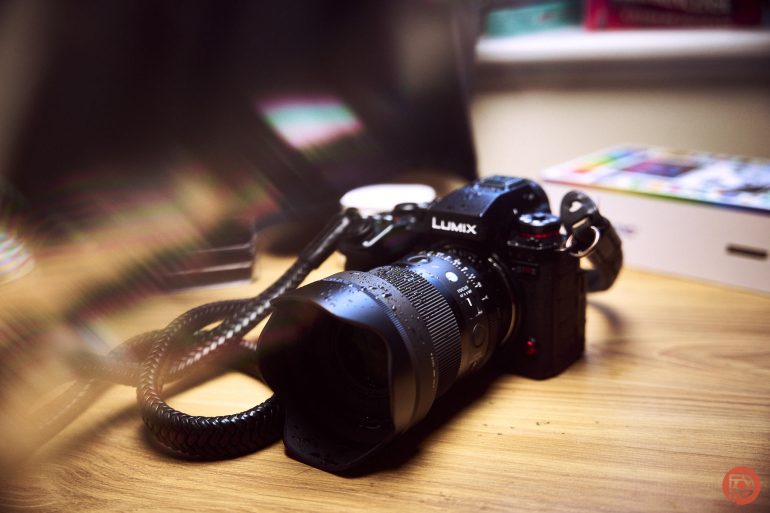
Keeping this in mind, one can say how each brand brings in its expertise to make the L-mount more desirable. BlackMagic is known for professional videos, while Sirui is known for cinematic lenses. Viltrox, too, brings an array of macro and tiltshift lenses for the L-moun. In fact, now most third-party camera manufacturers are looking at ways to join L-mount, as they are likely to be safe and able to cater to more audiences.
Users, too, have a chance to work with budget lenses, which is certainly a challenge when it comes to Sony, Canon, or Nikon. For instance, lenses such as the TTArtisan 40mm f2, Astrhori 50mm f1.4 Tilt, Laowa 90mm f2.8 2x Ultra Macro, and the upcoming 7Artisans AF 135mm f1.8 are some lenses that one can use at under $700.
In fact, Sigma’s entire portfolio, ranging from 14mm f1.8 Art to 60-600mm f4.5-6.3 DG DN OS Sports, can now be used with L-mount cameras. The flexibility that one gets by purchasing Leica or Panasonic cameras is unbelievable. Similarly, Samyang’s 24mm f1.8 to their latest Schneider Kreuznach x LK Samyang lenses can also be adapted to L-mount. Other brands such as Viltrox and Meieke also have some interesting offerings that photographers can get their hands on.
Where Do Other Brands Stand
This compared to the other brands seems much better, especially since Canon has resisted third-party RF lens development. The only companies to get some access now are Sigma, but for APS-C lenses, and Tamron. Canon’s full-frame range is still not accepting third-party lens makers.

Similarly, Nikon is in a more complicated situation. Nikon has allowed Tamron to create cheaper lenses, and so does Sigma. But Viltrox, which created AF lenses, is now facing a lawsuit in China. If the company wins, it means Viltrox will have to pull the plug. The legal uncertainty alone has already caused Sirui and Meike to pull lenses from online shelves.
Sony is perhaps the only camera company that has allowed third-party lens makers to create new lenses, including Chinese brands. While the practice works, it lacks the same foundation that L-mount has, which offers better structure for the company.
How Third-Party Narrative Has Changed

In the past five years, Chinese third-party lens makers have achieved brilliance at just a fraction of a cost. The initial compromises, such as optical or build quality, are no longer a concern for most photographers. A third-party lens, whether for E or L mount, gives as good results as first-party lenses. For instance, in our review of the Viltrox 16mm f1.8, we said:
Because this is the L-mount system and Viltrox is an official partner, the brands all share the same exposure and autofocus data through the mount’s contacts. This means that Viltrox works just fine with scene detection from Panasonic and Leica cameras.
During my testing period, NYC got several inches of snow. To my fascination, the Viltrox 16mm f1.8 works in extreme cold. Even my SL2s’s shutter dial froze solid and couldn’t move until I really worked it. When everything defrosted inside of an MTA bus, it continued to work perfectly fine again without fail.
Plus, it does this all for a super affordable price point. I’ve said it before: Chinese lenses aren’t cheap. Japanese lenses are just expensive.
If photographers are able to get their ideal lens without breaking the bank, then the L-mount is doing something for the better. Whether this can translate into more user adoption like Canon’s or Sony’s remains to be seen. But for photographers who value ecosystem openness, lens variety, and creative flexibility over brand tribalism, the L-mount argument has never been stronger than before.
Get rid of the ads!
Did you enjoy reading this article as much as we enjoyed writing it? There's a way to support us and our reporting, getting ad-free navigation and more as a bonus. Subscribe to us for less than a coffee per month —just $3.99— or take advantage of our yearly subscription with a hefty discount for only $25.- An ad-free experience
- A free mystery box for Lightroom or Capture One
- All the books in our store
- 20% discount on Capture One
- 30% discount on Imalume Photo Theft Protection
- 20% off Herbs and Kettle Tea Company.
- 20% off your order from MPIX printing services.
- 5% off Viltrox Products via their eCommerce store.
- 10% off all film developing, printing and scanning services from Blue Moon Camera and Machine