


When it comes to Canon lenses, one knows that they are getting their worth for what they are paying for. The L-series, for instance, has been popular amongst many photographers for this reason. But while they have plenty of longer-range lenses, there are about nine options in the wide-angle range. In an attempt to grow the latter, the company seems to be working on a new set of wide-angle lenses.
Asobinet reports that the company has released a new patent that showcases four new focal ranges: 10mm f2.8, 12mm f2.8, 18mm f2.8, and 28mm f2.8. The patent, number P2026052804, says that they are created for weight reduction and minimal focus group movement. Let’s have a look at the design:
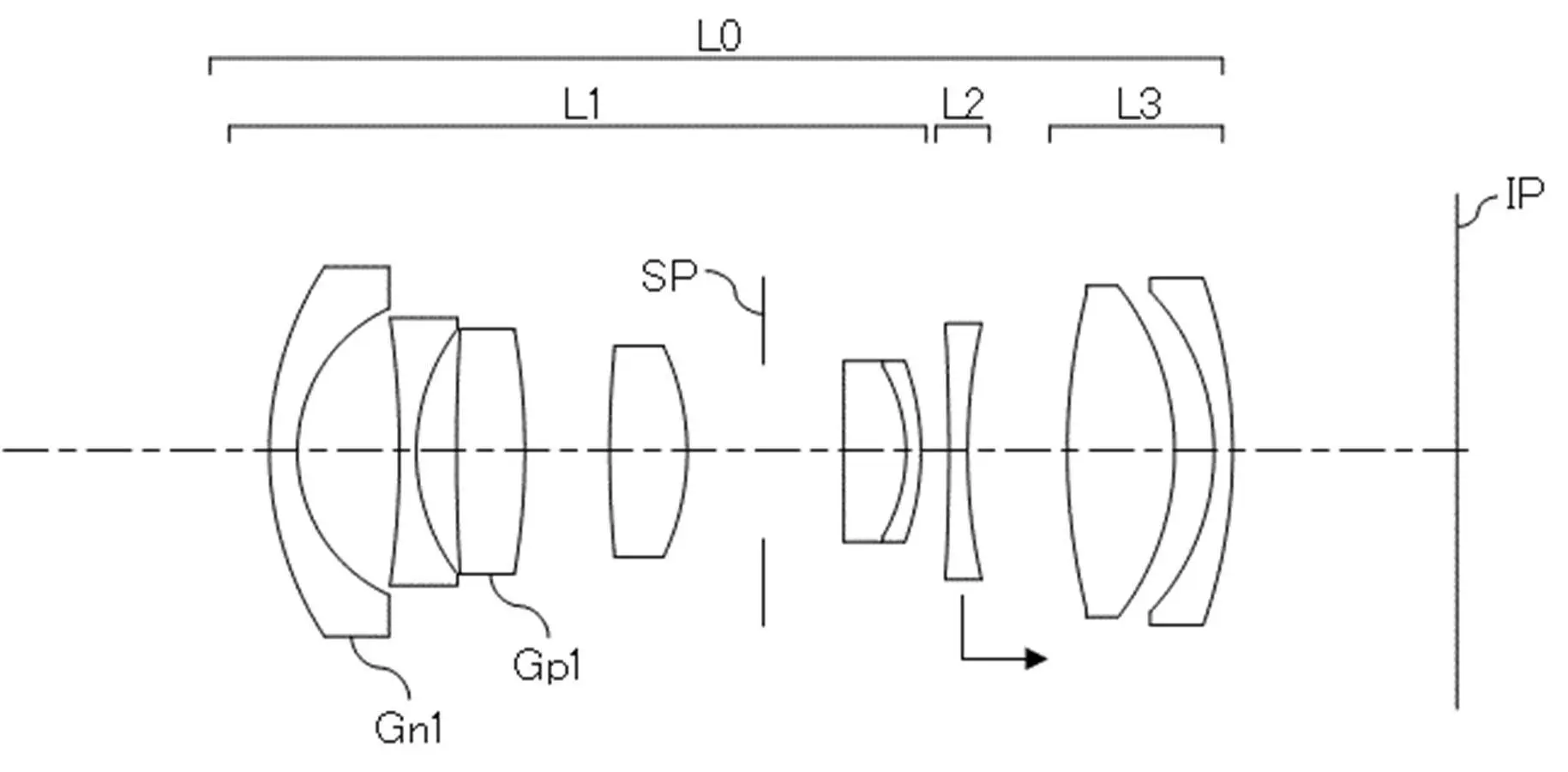
Example 1
- Focal length: 12.38
- F-number: 2.83
- Half-angle: 42.99
- Image height: 11.54
- Total length: 63.50
- Back focus: 12.00
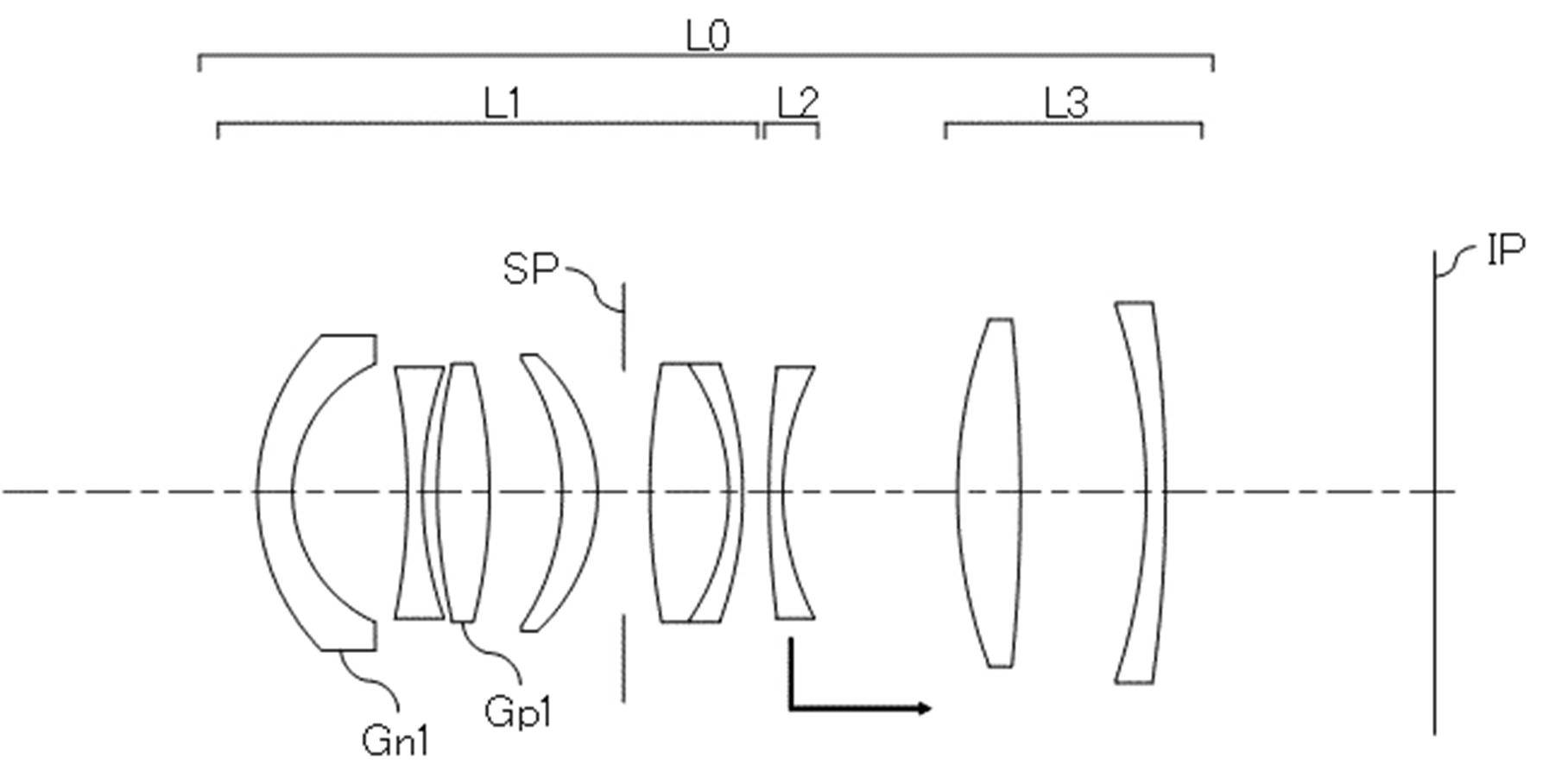
Example 2
- Focal length: 28.17
- F-number: 2.83
- Half-angle: 24.14
- Image height: 12.63
- Total length: 67.03
- Back focus: 15.32
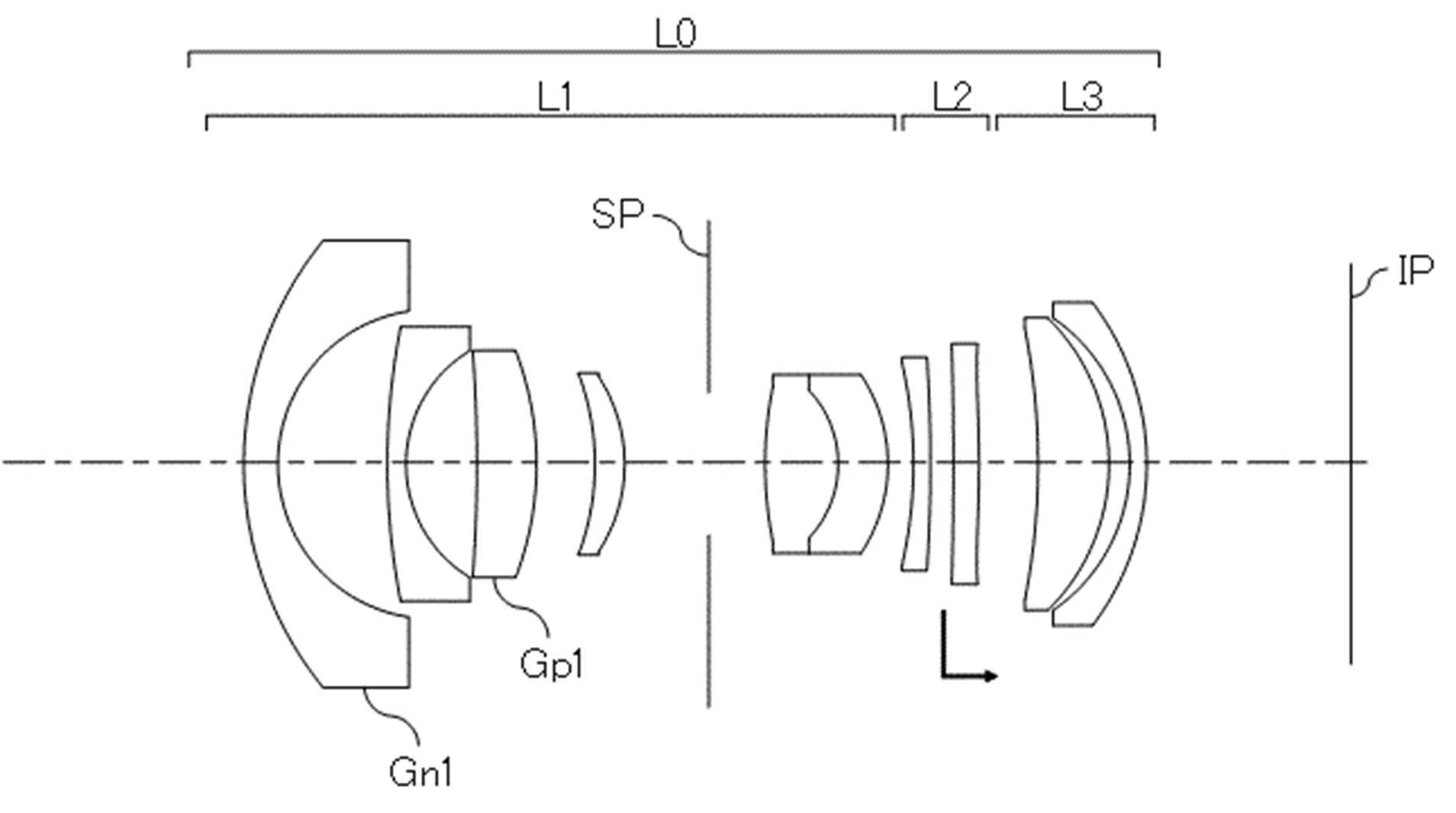
Example 3
- Focal length: 10.02
- F-number: 2.83
- Half-angle: 48.98
- Image height: 11.52
- Total length: 65.00
- Back focus: 12.00
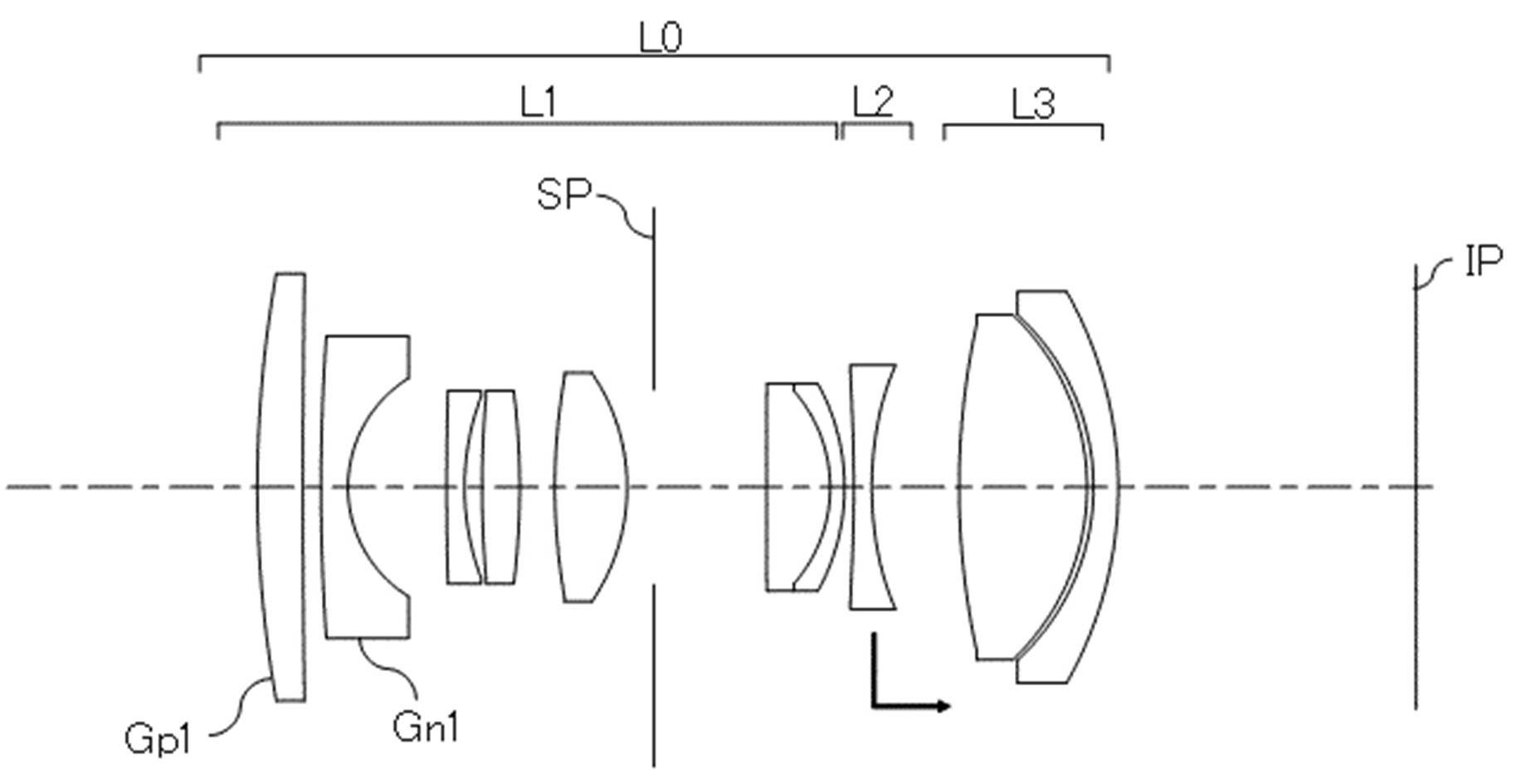
Example 4
- Focal length: 14.63
- F-number: 2.83
- Half-angle: 39.45
- Image height: 12.04
- Total length: 64.29
- Back focus: 16.54
Example 5
- Focal length: 18.13
- F-number: 2.83
- Half-angle: 33.83
- Image height: 12.15
- Total length: 70.71
- Back focus: 12.17
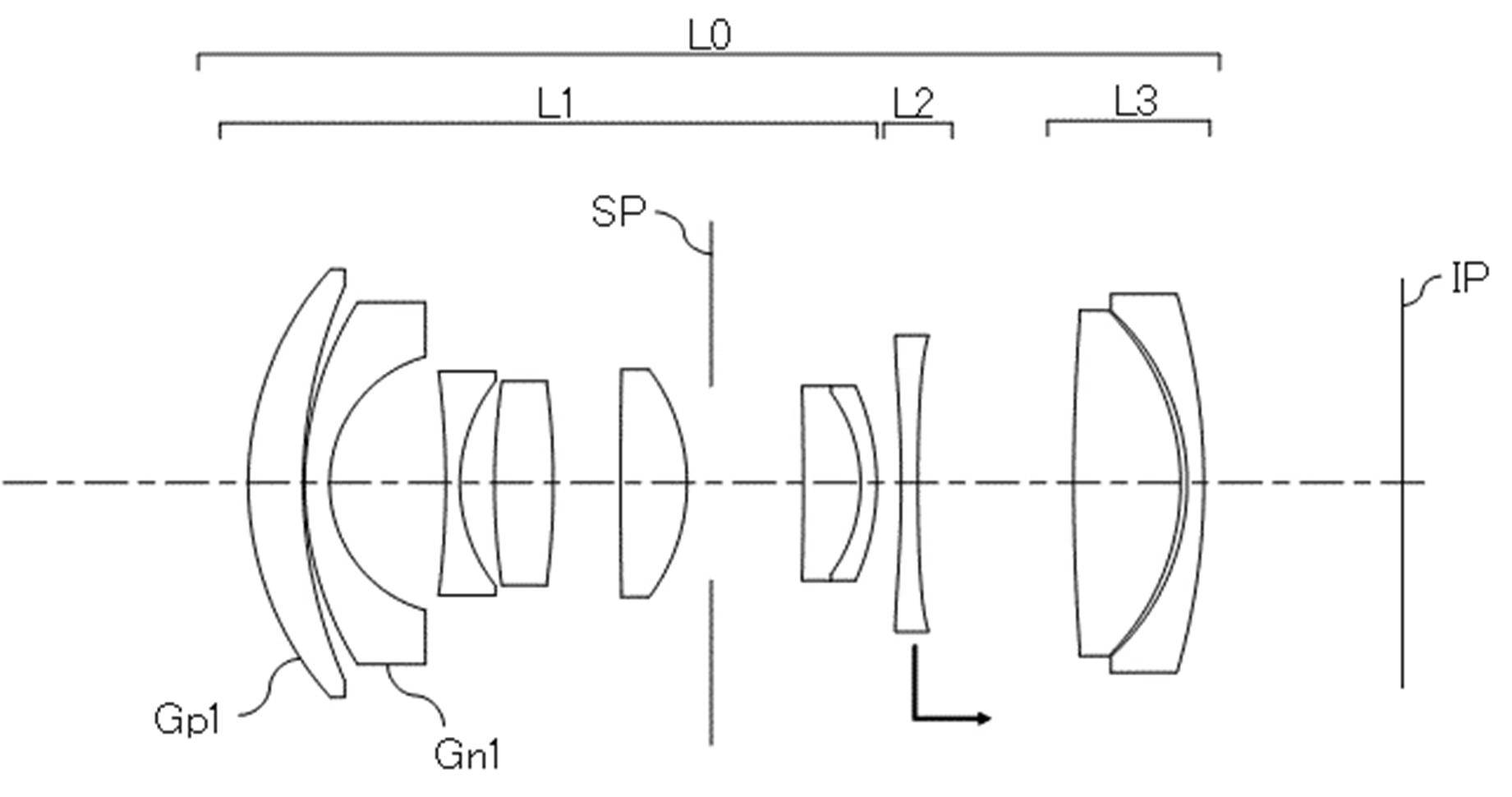
The image circle height, however, falls short of the APS-C sensor dimensions. This means that designs may apply some in-camera cropping during distortion correction.
The current RF-S lineup does not have too many lenses. They only have the RF-S10-18mm f4.5-6.3 IS STM as their wide-angle lens option, with other primes catering to full frame users. Considering Canon’s R50 has been quite popular, the camera certainly falls short for a variety of lenses for many users. For many, one option that they can rely on is the use of an adapter to work with EF lenses. In that regard, a 10mm or 12mm native lens will be truly helpful to landscape, architecture, and astrophotographers.
On the other hand, some options that third-party lens makers provide include the Sigma 10-18mm f2.8, which is better than the Canon version due to its brighter aperture. There are also 12mm, 15mm, and 16mm f1.4 variants to work with. For many R7 users, this is the best option to choose from.
Overall, the patent sounds exciting given that Canon has been criticized for treating the RF-S system as a secondary concern. A template family of f2.8 lenses can signal a shift in their strategy, especially since APS-C cameras are preferred by many. The timing of the patent is notable, too, especially since reports of the R7 II’s launch have been prominent in the news. To support the system, there must be lenses that can help photographers. Otherwise, what’s the point of getting an APS-C system.
Get rid of the ads!
Did you enjoy reading this article as much as we enjoyed writing it? There's a way to support us and our reporting, getting ad-free navigation and more as a bonus. Subscribe to us for less than a coffee per month —just $3.99— or take advantage of our yearly subscription with a hefty discount for only $25.- An ad-free experience
- A free mystery box for Lightroom or Capture One
- All the books in our store
- 20% discount on Capture One
- 30% discount on Imalume Photo Theft Protection
- 20% off Herbs and Kettle Tea Company.