

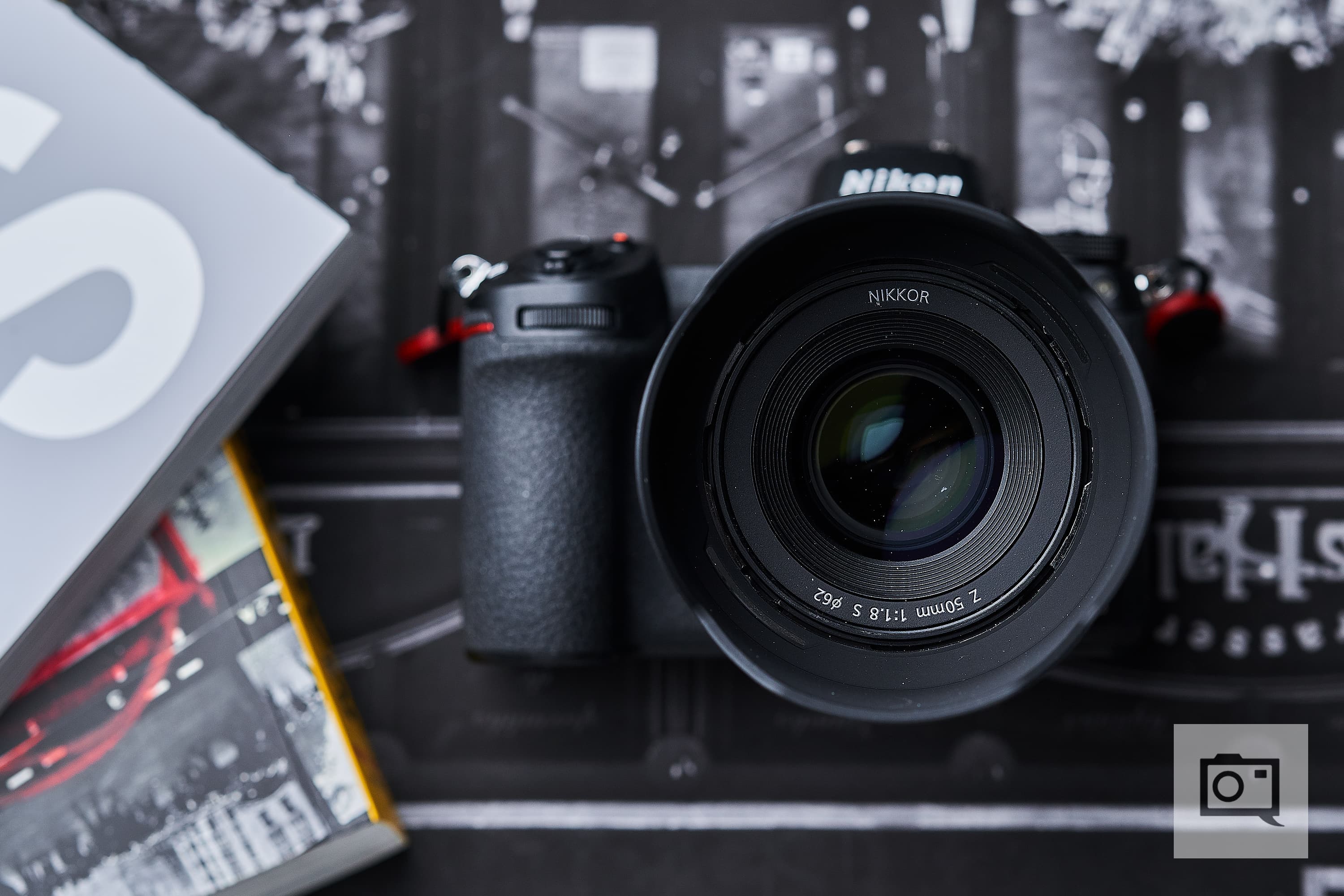
If you’re considering the Nikon 50mm f1.8 Z or the Nikon 50mm f1.4 Z, then you should read this article through. I talk about the realities here and I’m very thorough while doing so.
For your reference, we’ve done more of a comparison between all of Nikon’s 50mm lenses that you can find right here at this link.
What’s Unique About Each Lens?
So what’s unique about each lens? Well, in regards to the Nikon 50mm f1.8 Z S (review here) it’s one of the only lenses that any camera brand has that’s considered to be one of the highest-grade lenses. Of course, Nikon also has an f1.2 — but the f1.8 is apparently considered to be sharper more than anything else.
The 50mm f1.4 Z (reviewed here), on the other hand, is considered to be more of a lens designed for character. And while you can see a little bit of that, I still think that Nikon could’ve and should’ve leaned more into this idea. If they did, they would’ve had a lens that could easily help photographers make images that AI couldn’t quite create.
Still, if I had to pick one, I’d go with the 50mm f1.4 Z instead.
Ergonomics and Build Quality

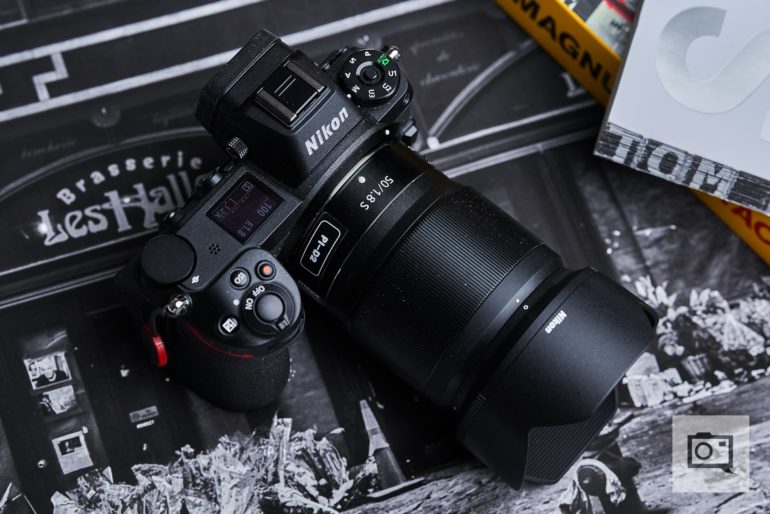
If you looked at both lenses, it would be hard to tell them both apart without looking at exactly what’s written on them. That goes even further to say that on the outside, neither of them feel unique to the touch. There’s something to be said for a brand making all their products feel similar — but in the case of a lens created for character, I wonder why Nikon didn’t give the 50mm f1.4 an aperture ring that was dedicated to the task. I also wonder why they didn’t make it with a retro styling the way that Nikon’s 40mm f2 is made.
To me, it just seems like it’s more about profitability than a user experience.
With that aside, both lenses have weather resistance and good autofocusing capabilities. That brings me to my next point beyond the fact that both of the ergonomics of these lenses aren’t even worth the consideration here.
Focusing Performance
The autofocus of both the 50mm f1.8 S Z and the 50mm f1.4 are good and nothing worth complaining about at all. In fact, the 50mm f1.8 has gotten firmware updates to improve it quite a bit. In contrast, the 50mm f1.4 Z came out at a time when Nikon was on its game for autofocus. So truly, in this case, it really just depends on the camera you have. But anything that came after the Z9 will be perfectly fine. However, the best autofocus performance is mostly left for the Z8, Z9, Z6 III, and the Zf.
There are probably going to be situations where a subject is backlit and the character of the f1.4 lens might affect the autofocus. But in my tests, I didn’t ever find that to be case.
Image Quality
So here’s the odd thing: camera lenses for the past 10 years or so have had very diminishing returns. If you want character, you can get the 50mm f1.8 and slap the sharpness of it in the face by putting a Glimmerglass filter on it with prisms and all. And if you want sharpness from the 50mm f1.4, you could instead just fix it up in post-production.
In my honest opinion, neither of these lenses really make a lot of sense when the Viltrox 50mm f1.4 (review here) is so affordable and good. And it’s a balance between both.
Which One?
So which one is better for you? Honestly, I think that the difference between both is so negligible when you’re looking at the whole image. Pixel peeping, however, is a thing that only photographers do to find ways to justify to themselves that they’re making the best decision for capitalism’s sake. The truth is that if you’re creating content, then no one will care because everyone will just scroll on past whatever you posted.
But if you are making real photographs, then I’d really just reach for the 50mm f1.4 because of the slightly more light gathering abilities, the character, and the fact that I can carry less in my bag and probably post-process the “problems” out.
The bigger problem is that Nikon isn’t offering much differentiation between its lenses besides an F-stop. And in the end, we, as consumers, end up losing out.
Get rid of the ads!
Did you enjoy reading this article as much as we enjoyed writing it? There's a way to support us and our reporting, getting ad-free navigation and more as a bonus. Subscribe to us for less than a coffee per month —just $3.99— or take advantage of our yearly subscription with a hefty discount for only $25.- An ad-free experience
- A free mystery box for Lightroom or Capture One
- All the books in our store
- 20% discount on Capture One
- 30% discount on Imalume Photo Theft Protection
- 20% off Herbs and Kettle Tea Company.
- 20% off your order from MPIX printing services.
- 5% off Viltrox Products via their eCommerce store.
- 10% off all film developing, printing and scanning services from Blue Moon Camera and Machine
- 15% off 7Artisans products: The lens and accessory maker is offering a sweet discount for Phoblographer's readers.