

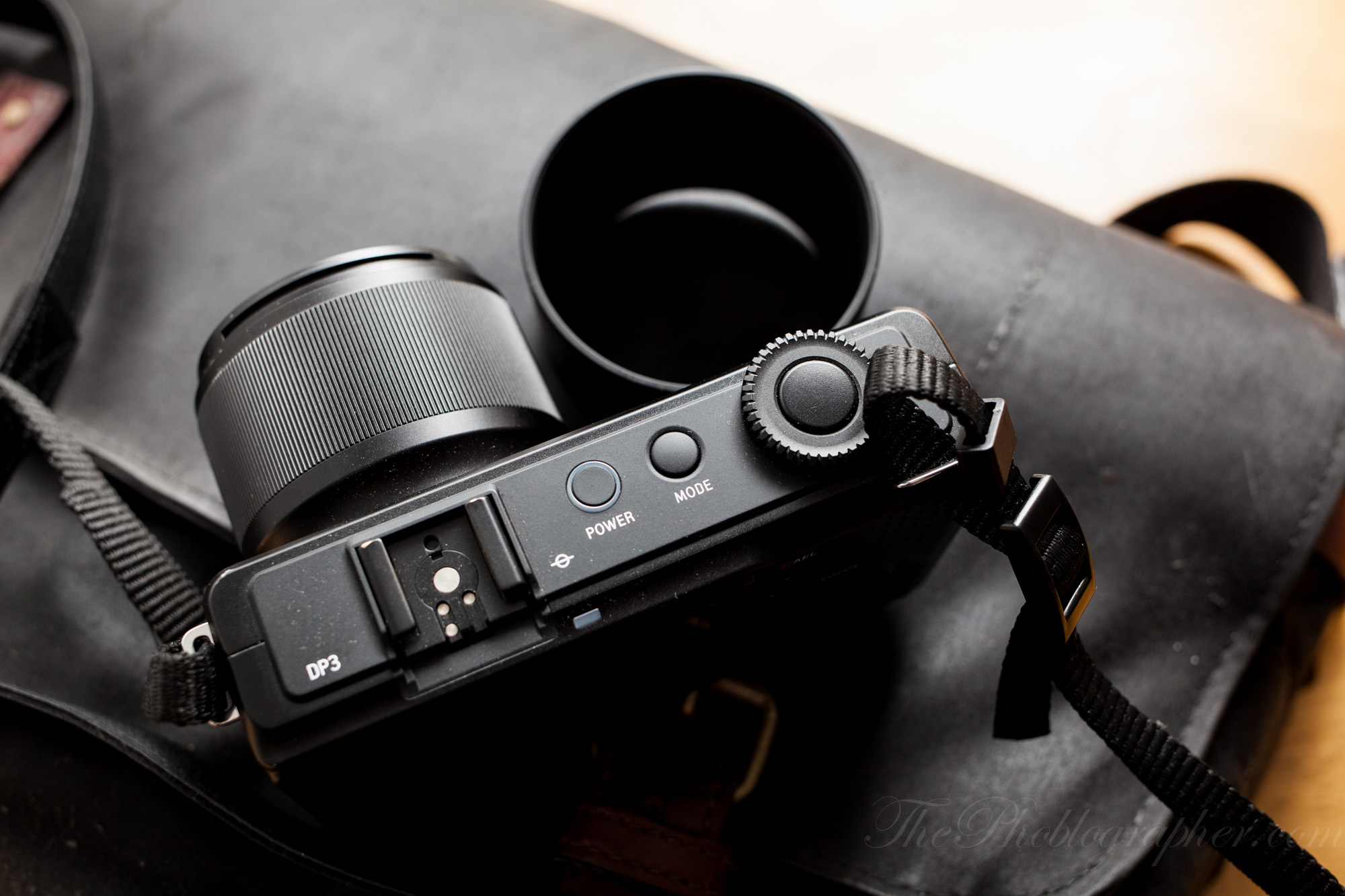
Sigma has been creating cameras for several decades, but the company has not achieved the same level of fame as other camera brands. While Sigma is better known for its lenses, its cameras, particularly those with the Foveon sensor, continue to be discussed. No matter how unusual the designs were, the sensor itself was remarkably ahead of its time, allowing one to capture great images thanks to the vertical placement of the red, blue, and green photodiodes. So, here is a quick look at the device.
Sigma DP2s

The camera features a 14MP Foveon X3 sensor and is equipped with a 24.2mm f2.8 lens. The device features 7 color modes, designed in a brick-like shape, and with the HA-21 hood attached, it becomes even easier to use. It has nine autofocus points at the center, but the autofocus system is overall slow. It is slower than Olympus’ Micro Four Thirds cameras. Where the device excels is in image quality. With the lens and sensor, the RAW files offer detailed images and are quite versatile in Lightroom. The colors are great, making it ideal for anyone who wants a compact camera that produces high-quality images. As we explained, “The images out of camera sometime resemble Kodachrome or Fuji Velvia film. Film buffs will really appreciate this.” However, the challenge is high ISO, which lags behind others. But if you are ready to sacrifice that, you have a great device for your everyday shoot.
Sigma DP3 Merrill
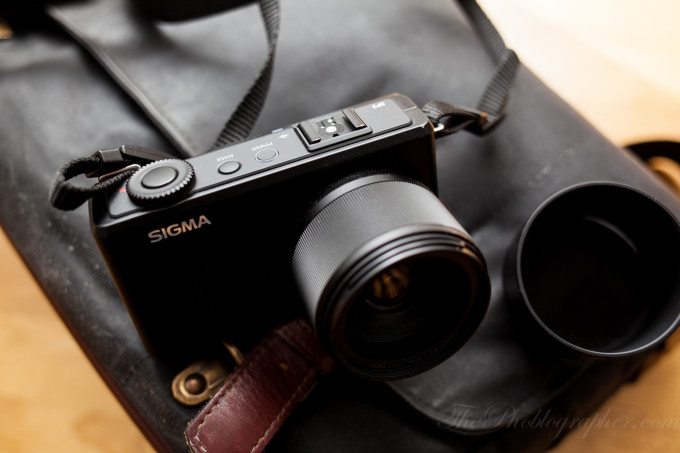
The DP3 Merrill was introduced in 2013 and comes with a 46MP Foveon X3 sensor. It features a 50MP f2.8 prime lens, a 3-inch TFT LCD, and can shoot at a 4fps burst rate in RAW. The camera is well-built and seems to compete with the Fujifilm X100s due to its metal exterior. Similarly, the autofocus needs you to be really patient. Consider using a medium format body rather than an APS-C one. The DP3 Merrill produces some incredible photographs. There are plenty of details. And up to ISo 800, you can get good images. Only after that do you see some noise. The colors are outstanding, and the sharpness is also great. As we said, “In many ways, once again, this is a studio photographer’s point and shoot.” You also get a good dynamic range, which is better than that of competing cameras.
Sigma SD Quattro
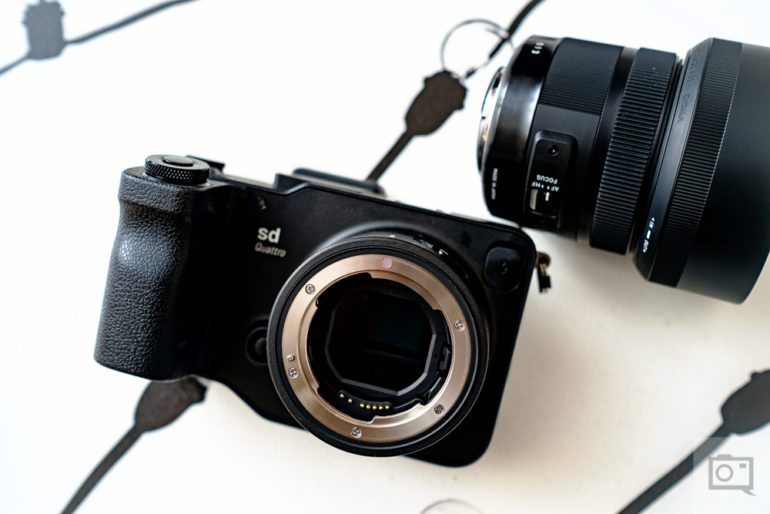
The SD Quattro features a 24MP Foveon sensor, has 9 AF points, 11 color modes, and a 1,620,000-dot LCD. It is built well but lacks weather sealing. The design is also unusual, but that will not hinder you in any way. It is also easy to use; you just have to spend some time with it. Like the other cameras, you also get slow autofocus, despite the camera being launched in 2016. The Foveon sensor delivers film-like JPEG quality, and the camera boasts fantastic color balance. There is also retention of details, which adds to it. However, aside from the images, the device will be a hard sell.
It remains to be seen what Sigma launches in the future, but for now, it is safe to say that while the sensor is great, the company has to push itself for more.
Get rid of the ads!
Did you enjoy reading this article as much as we enjoyed writing it? There's a way to support us and our reporting, getting ad-free navigation and more as a bonus. Subscribe to us for less than a coffee per month —just $3.99— or take advantage of our yearly subscription with a hefty discount for only $25.- An ad-free experience
- A free mystery box for Lightroom or Capture One
- All the books in our store
- 20% discount on Capture One
- 30% discount on Imalume Photo Theft Protection
- 20% off Herbs and Kettle Tea Company.
- 20% off your order from MPIX printing services.
- 5% off Viltrox Products via their eCommerce store.
- 10% off all film developing, printing and scanning services from Blue Moon Camera and Machine
- 15% off 7Artisans products: The lens and accessory maker is offering a sweet discount for Phoblographer's readers.