


When most people speak of Photography, they mostly discuss gear. Gear is an important part of Photography, but it’s just one component of what it takes to be good at creating images. And while gear can be helpful, it can also be the biggest stumbling block for most new photographers and an endless money pit for seasoned hobbyists. But it doesn’t need to be photography can be fulfilling without emptying your pockets. Here’s how.
Buy Used; Refurbished if You Can
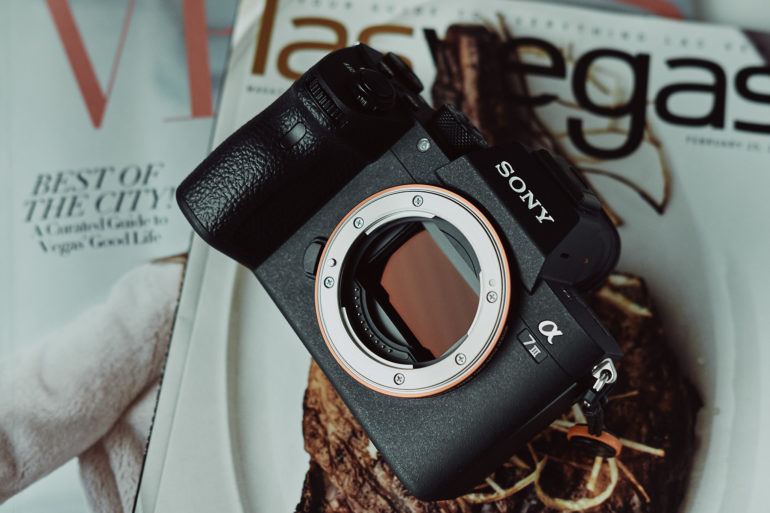
The first and most obvious way to save some cash when purchasing photography equipment is to buy used. Whether local marketplaces, eBay, or online shops like KEH, MPB, or BackMarket, buying a second-hand camera is an easy way to keep your new hobby affordable. I strongly recommend checking used retailers like LensRentals, Adorama, or Amazon as they often test their equipment and clearly note its condition at the time of testing. While you may find better deals on eBay or Facebook Marketplace, using dedicated resell sites offers a level of security, as you know that what you pay for is what you’ll receive.
Master What You Own Before Upgrading
I’m going to be very frank here – you don’t need to upgrade your gear. If you’ve bought a camera in the last five years, you definitely don’t need an upgrade. While a lot of camera manufacturers go on and on about tech spec sheets, boasting insane burst rates, AI-powered everything, and various other features that only 1% of photographers may need, many of these vanity specs are just that – something to include in a marketing piece and of little value to most hobbyists.
I’m going to be very frank here – you don’t need to upgrade your gear.
At the risk of coming off as someone who is unaware of the massive privilege they have in terms of access to the latest and greatest gear, you don’t need new gear. At least not until you’ve mastered the gear you own. Don’t have a fast prime or an F2.8 telephoto lens? It may not matter if you’re new to the world of photography. Sometimes we get caught up in terms like “broken” and associations with large apertures, but if you understand your equipment well enough, you can probably achieve similar results without sacrificing your kids’ college savings. Best of all, if you’ve mastered your current gear, imagine how much easier it will be when you do upgrade.
Consider Third-Party Lenses and Accessories
One way to keep your photography hobby costs in check may be as simple as considering all options for your camera system. These days, many mirrorless camera mounts have third-party manufacturers building both MF and Af lenses for their cameras. Often, third-party manufacturers offer either highly competitive prices, unique products, or both. These lenses cannot only save you some cash but also help you create something truly unique (like many lenses by Lensbaby or Lomography), or, as is my case, use and adapt a handful of favorites across multiple systems.

There are some downsides to buying third-party lenses, specifically in terms of potential compatibility issues. While manual focus third-party lenses should work without issue, things can become hit-or-miss whenever a camera manufacturer updates its firmware. We’ve experienced it with the Sony a7RIV and most recently with the launch of the Sony a7V. That said, if you’ve followed our previous advice of purchasing used and new-to-you camera models, you’ll likely be just fine.
Do You Really Need an Interchangeable Lens Camera?
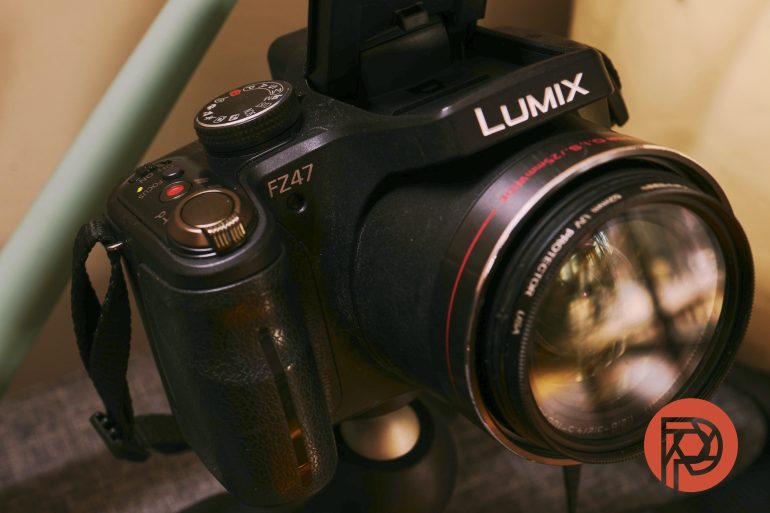
Take a minute and truly answer that question for yourself. Are you really looking to buy more than one or two lenses? Will having to carry the extra gear deter you from wanting to walk around making photographs? Or do you simply want something that’s not your phone? If you’ve concluded that you’re perfectly fine with your phone’s image quality but want a distraction-free device for taking photographs, welcome. The water’s nice here. Seriously, not once in my entire life as a photographer has someone said they can’t wait to pack a suitcase full of lenses for their next vacation (well, maybe those Nikon guys). Most hobbyists start off taking photographs during their travels, walking around their neighborhood, or even just snapshots of their friends and family. That’s exactly what photography is all about, quiet moments that you took the opportunity to document or create. And you don’t need expensive, heavy gear for all that.
Most of the time, a compact camera will do the trick. Sometimes you’re in it for the aesthetic, which again, no judgment, and there are plenty of options available to you. Older compact cameras not only keep photography affordable, but some of the older technology in those cameras can produce images that are truly unique and that modern sensors cannot replicate.
Get rid of the ads!
Did you enjoy reading this article as much as we enjoyed writing it? There's a way to support us and our reporting, getting ad-free navigation and more as a bonus. Subscribe to us for less than a coffee per month —just $3.99— or take advantage of our yearly subscription with a hefty discount for only $25.- An ad-free experience
- A free mystery box for Lightroom or Capture One
- All the books in our store
- 20% discount on Capture One
- 30% discount on Imalume Photo Theft Protection
- 20% off Herbs and Kettle Tea Company.
- 20% off your order from MPIX printing services.
- 5% off Viltrox Products via their eCommerce store.
- 10% off all film developing, printing and scanning services from Blue Moon Camera and Machine
- 15% off 7Artisans products: The lens and accessory maker is offering a sweet discount for Phoblographer's readers.