

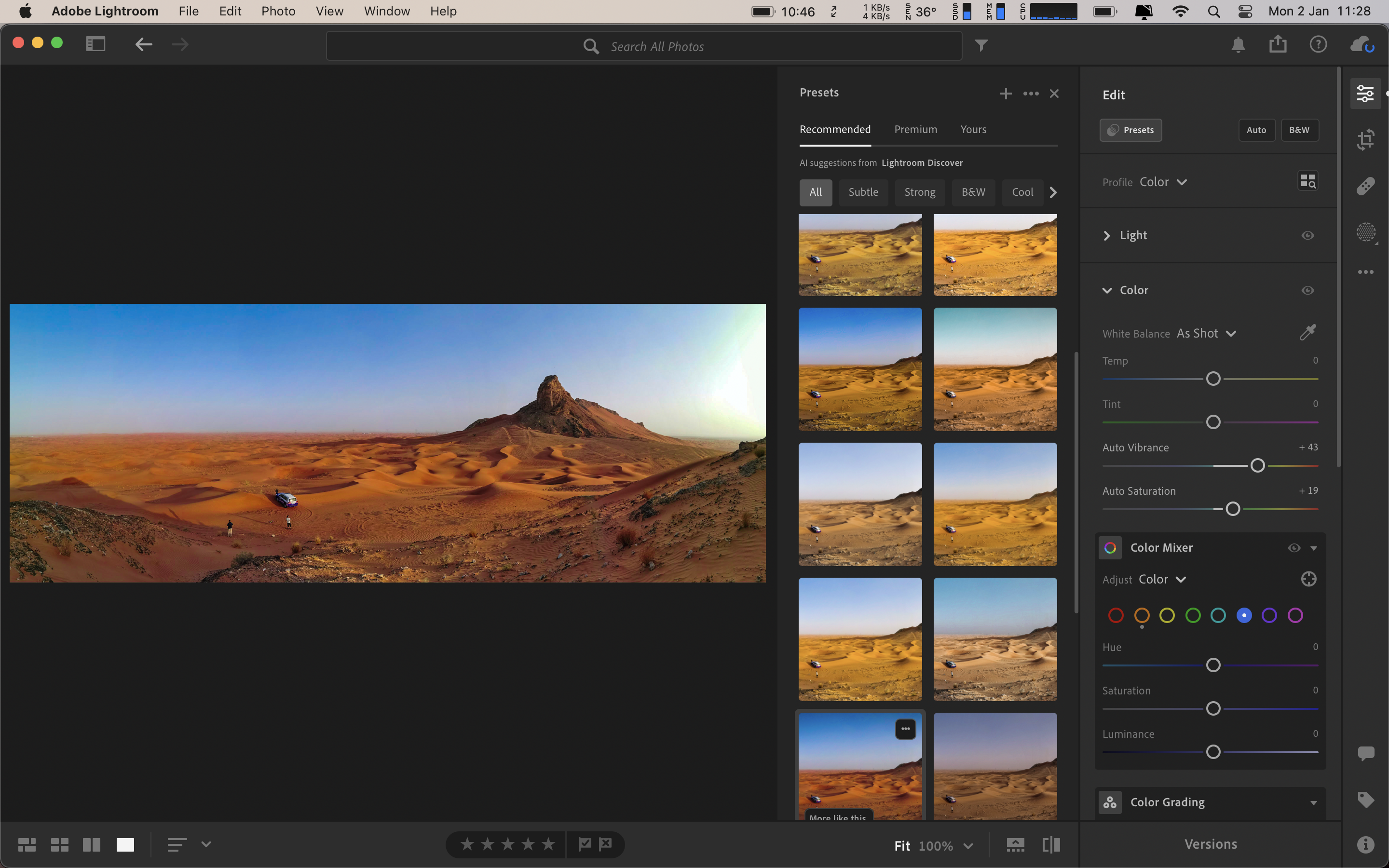
Behind the scenes, The Phoblographer staff will regularly share our work, processes, and push one another to really understand the decisions we make, not just with our articles, but our personal photography work (we’re ALL photographers at The Phoblographer). Most recently, we all noticed another Adobe Creative Cloud exodus on social media. Full transparency: I was the last member of the team to leave Adobe for Capture One. We wanted to get a sense of how the Photography Community felt about Adobe and what they were using instead. You guys did not disappoint.
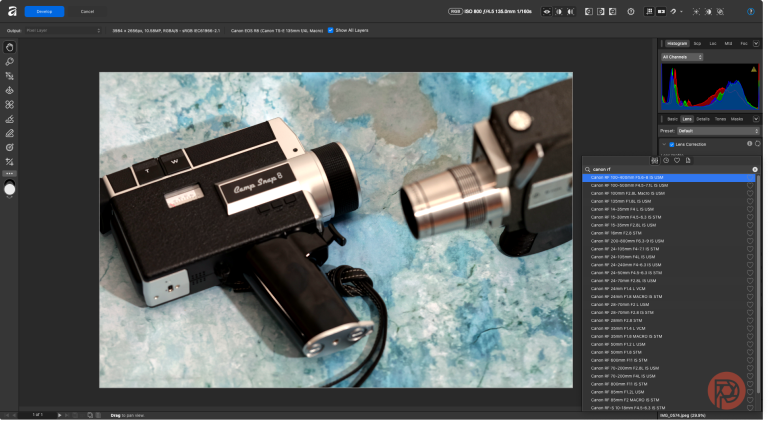
One of the biggest gripes from those who’ve left Adobe is the move from lifetime licenses to an exclusively subscription-based model. When I began reaching out to photographers with Reddit’s r/AskPhotography community, the response was immediate and visceral. User, FearlessBadger5383, bluntly puts it:
“Adobe’s shady business practices of using grey and dark patterns on their subscriptions and respective ui to trick people into their subscriptions and then making it as hard as possible to leave.”
“It’s like they don’t believe in their own product. I use DxO now.”
Another community member, Beneficial_Bit6486, had this to add:
“The thing that makes me stay far from Adobe is that they are training their AI off of image libraries that people are hosting on their local machines. In other words, if they paid royalties there would be no issue. I don’t like that.”

To be fair, Adobe has repeatedly stated that it does not train its AI models on its customers’ images. In an October 2025 Adobe community post, Adobe once again stressed that they do not use their customers’ images for the purposes of training their Firefly image generation model, specifically, the company added this to an explainer on their approach to Generative AI:
“Adobe Firefly models are trained on a dataset of licensed content, such as Adobe Stock, and public domain content where copyright has expired. Adobe Stock content is covered under a separate license agreement, and Adobe compensates contributors for the use of that content.
We do not mine the web or video hosting sites for content. We only train on content where we have rights or permission to do so.”
But sometimes, the reason we leave a company behind has more to do with their treatment of its customers than it does with the ethics around AI and photography. As Montreal-based photographer, Brad Hurley, tells us, “I don’t use Gen-AI regularly, although Capture One has a few AI-based tools for subject and background isolation that I sometimes use to create layers for specific edits. I am not interested in AI tools that remove objects or add elements that weren’t in the photo; I have a more documentary mindset, at least with digital.” When asked why they switched from Adobe to Capture One, the response was something that I could relate to.
“I left Adobe long ago; I have nothing against subscription software and spend hundreds of dollars on software subscriptions every year,” Hurley adds. “But in more than 30 years of using Adobe products, I never once had a good customer experience. Never.”
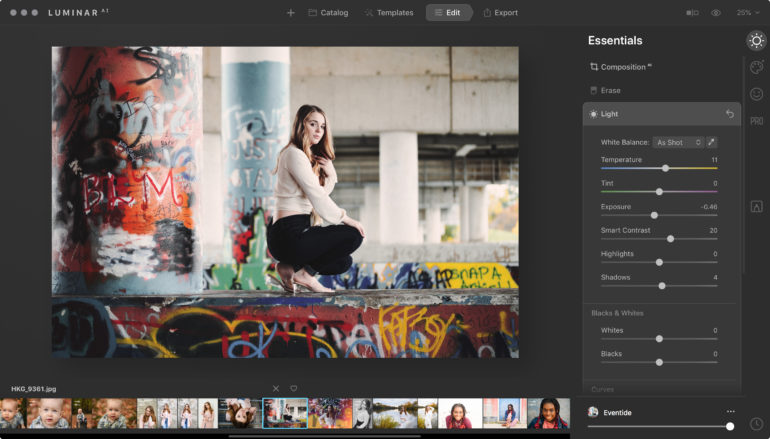
Not every photographer has jumped ship. Despite many of the issues outlined above, switching editing platforms isn’t always a straightforward affair – especially for professional work. When I asked the community in r/AskPhotography why they might stay, user FSmertz, said the following:
As a professional artist, I have to maintain both high standards to ensure quality artwork, and an efficient workflow so I can find images and manage information quickly in my library of 400,000 images that date back to the early 1970s…. I’m not a religious software brand zealot, and already use alternate plug-in point solutions from other vendors when their quality is superior such as Qimage One for printing, and Silver Efex for B&W rendering. But Lightroom’s greatest strength is image management. I came to this from highly complex corporate digital asset management, and having a consumer-level lighter approach with the Lightroom Library module just makes things a lot easier.
This isn’t too hard to believe, when I worked as a marketing director, many of the assets we sent to print had to be fully compatible with one Adobe product or another. Adobe’s Creative Cloud Suite’s ubiquity makes it extremely difficult to cut the cord seamlessly, even if you’d rather not stay.

As for myself, there are several issues I have with the direction Adobe has been taking for some time. I’m a photographer first, and I need tools that help me realize the creative vision I want for my images. I don’t spend hours in any editor – Lightroom, Photoshop, or even these days, Capture One. Instead, I do my best to get as close to the final product all in-camera. I recognize that this may not work for everyone, nor do I suggest everyone do the same, but it made it clear that I wasn’t using, nor did I need, all the AI bloat that Adobe was force-feeding its customers. To this day, I’m not 100% over my toxic relationship with Adobe. As I learn Capture One, I love some things, but there are times I long for Lightroom’s catalog management. In the end, breaking away from Adobe was the right choice for me, even if it meant that I’ve had to find alternatives for other parts of my digital creation toolset.
When I initially reached out to the collective wisdom of Reddit, I wasn’t sure just how much traction it would receive. When the dust settled, it was pretty evident that the majority of Reddit photographers (hobbyists, newbies, and professionals alike) were most turned off by Adobe forcing everyone into a subscription bucket – especially when many of the AI features just didn’t add value to their experience. Maybe Adobe should finally listen to what we’ve been saying.
Get rid of the ads!
Did you enjoy reading this article as much as we enjoyed writing it? There's a way to support us and our reporting, getting ad-free navigation and more as a bonus. Subscribe to us for less than a coffee per month —just $3.99— or take advantage of our yearly subscription with a hefty discount for only $25.- An ad-free experience
- A free mystery box for Lightroom or Capture One
- All the books in our store
- 20% discount on Capture One
- 30% discount on Imalume Photo Theft Protection
- 20% off Herbs and Kettle Tea Company.
- 20% off your order from MPIX printing services.
- 5% off Viltrox Products via their eCommerce store.
- 10% off all film developing, printing and scanning services from Blue Moon Camera and Machine