

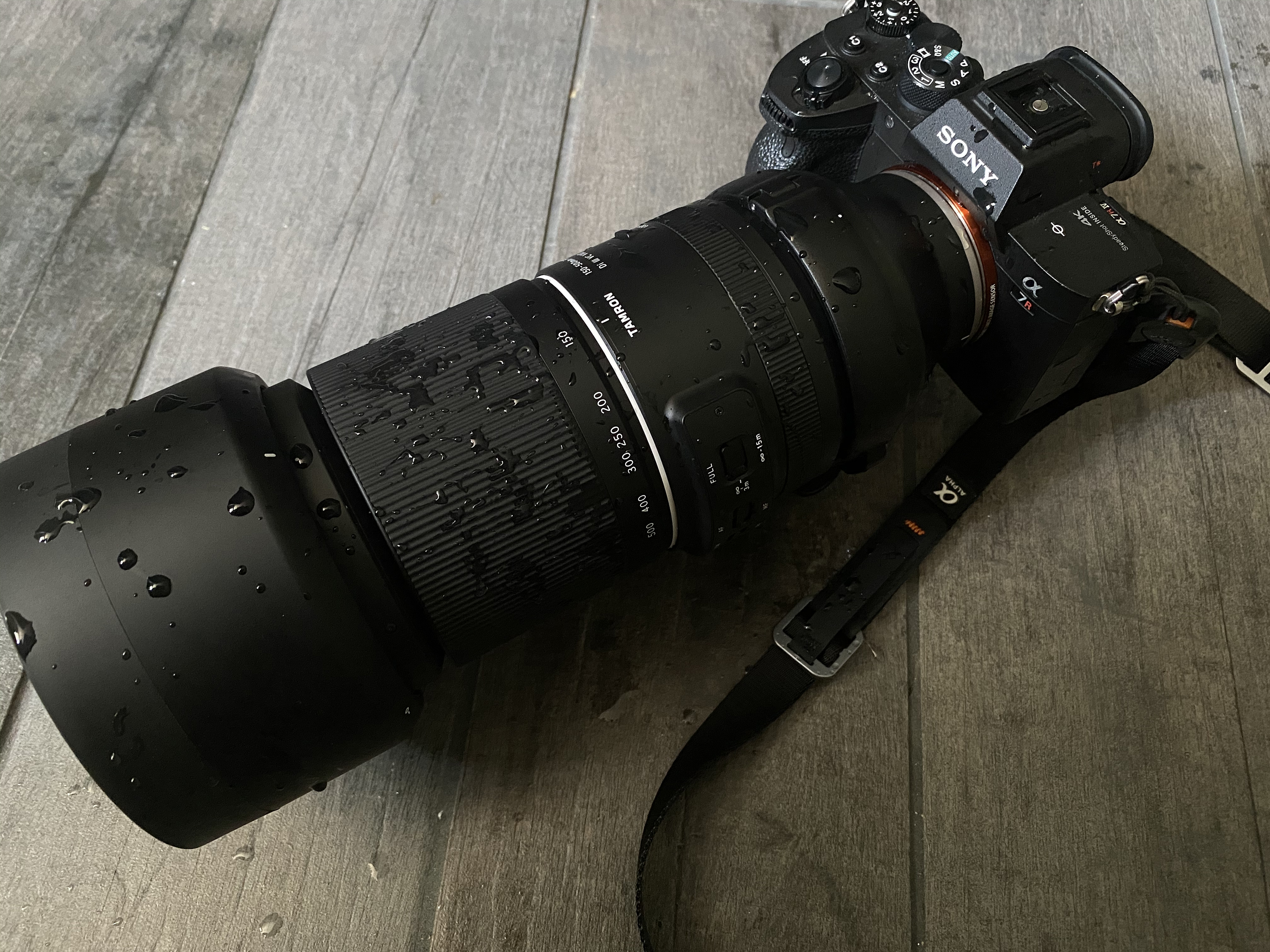
With the Sony A7V launching last year, many photographers are eager to upgrade their cameras with this device. However, a new camera also often means a new lens that can keep up with modern technology. If you are someone who wants to invest in a lens but doesn’t want to break the bank, then take a look at these two third-party offerings that can be of help.
Tamron 35-150mm F2-2.8 Di III VXD

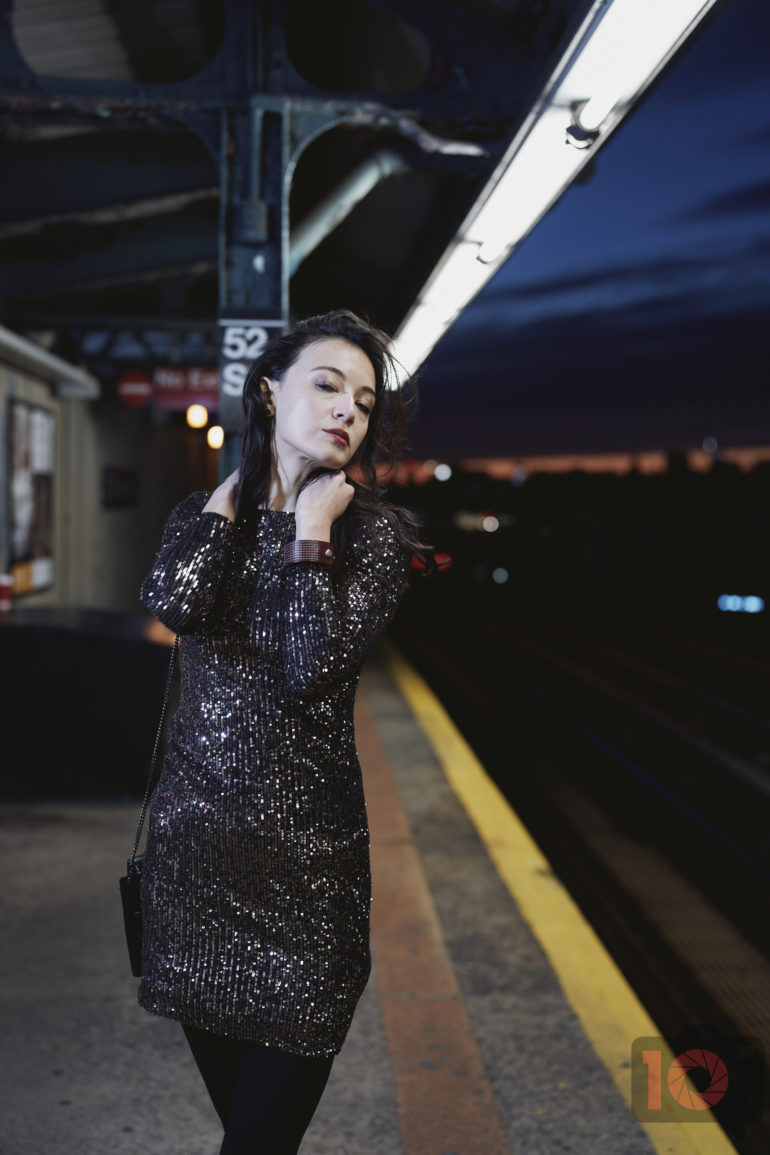
Why is it great? The Sony a7 V works best with Tamron lenses, possibly due to the company’s partial ownership stake. What you get with Tamron is quick autofocus, and the subject detection is just as great. In fact, our review of the 35-150mm lens found it to be on par with Sony’s own lenses. The 9 aperture blades also offer smooth bokeh, allowing for pleasing colors and sharpness. There is also lens flare, which will work best for portraits.
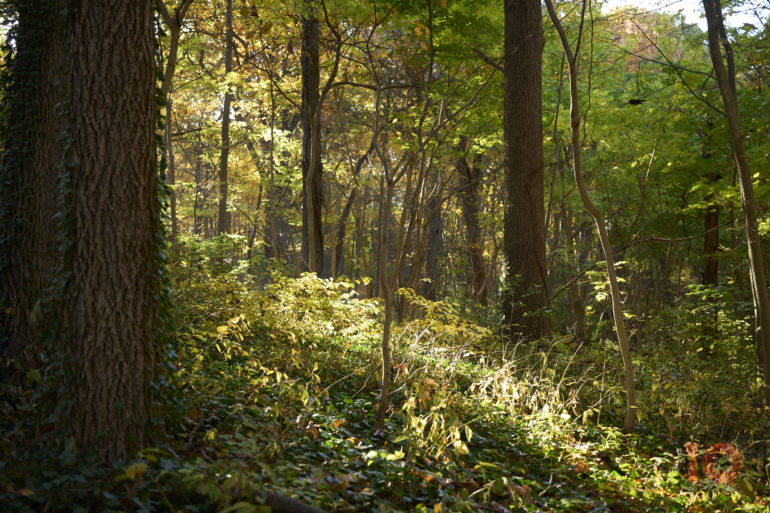
Who is it for? Photographers who travel frequently, create portraits, shoot events, and landscapes will appreciate this. Even photojournalists want extra reach.
What makes it unique? Tamron has the best lenses in the third-party zoom range. The 35-150mm is no different. The company has made this the first offering to have an f2 to 2.8 aperture, which is great since zoom lenses go beyond f4. Another feat is that it is the only lens in the world with a USB port. If that’s not enough, you get weather sealing, and you can remove the dock to update the firmware. It offers 13 inches of minimum focusing distance at 35mm a 33.5 inches at the 150mm.
In our review, we said:
This single lens is almost convincing me to sell my Sony lenses. I own the Tamron 70-300mm and the 17-28mm f2.8. The Tamron 35-150mm f2-2.8 Di III VXD would give me everything I need.


Tamron 150-500mm F5-6.7 Di III
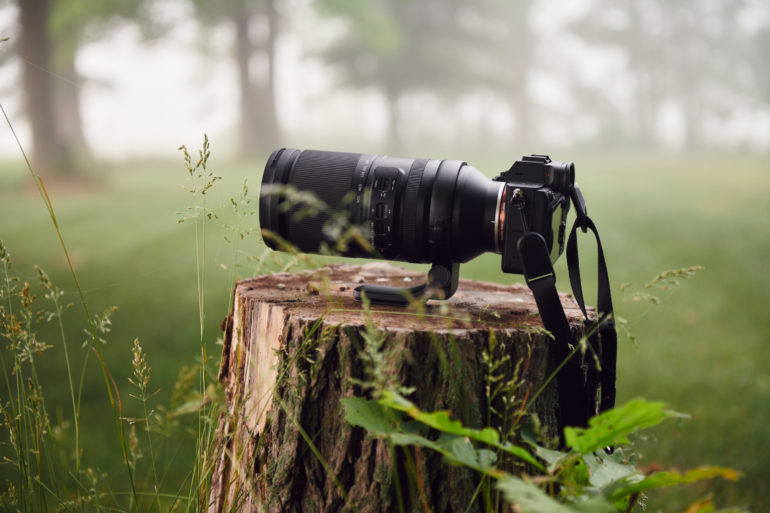
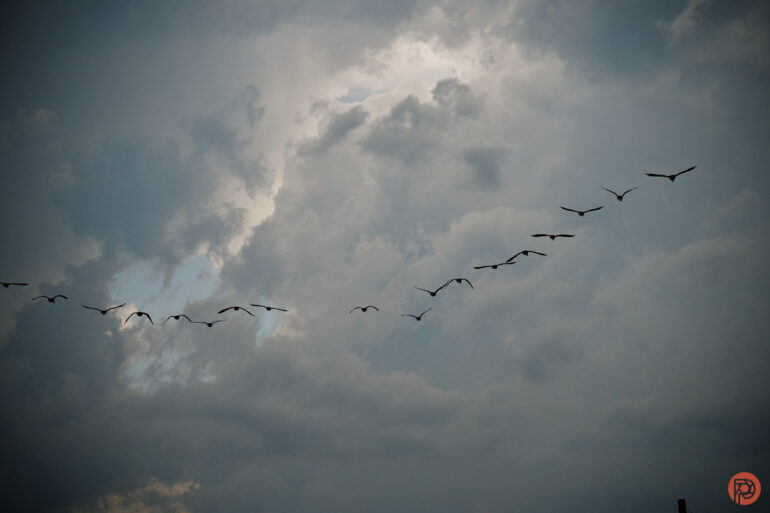
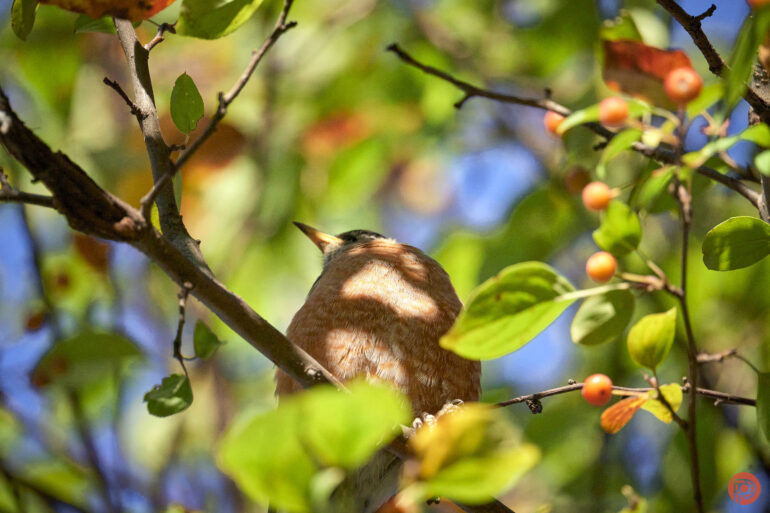
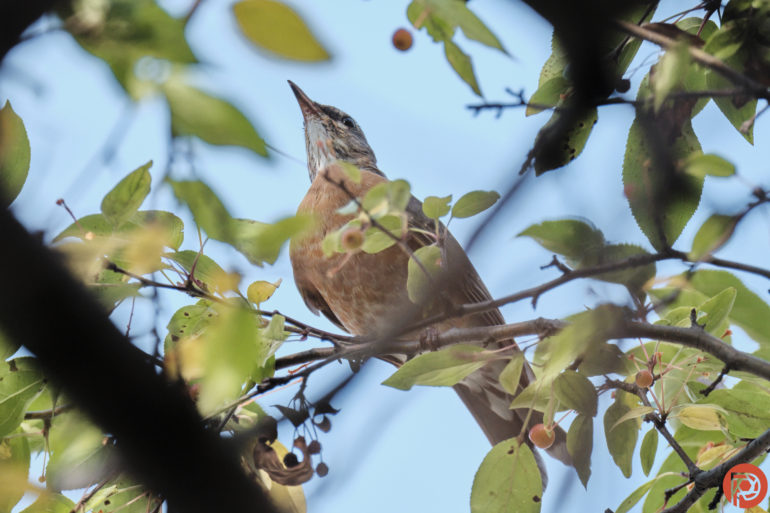
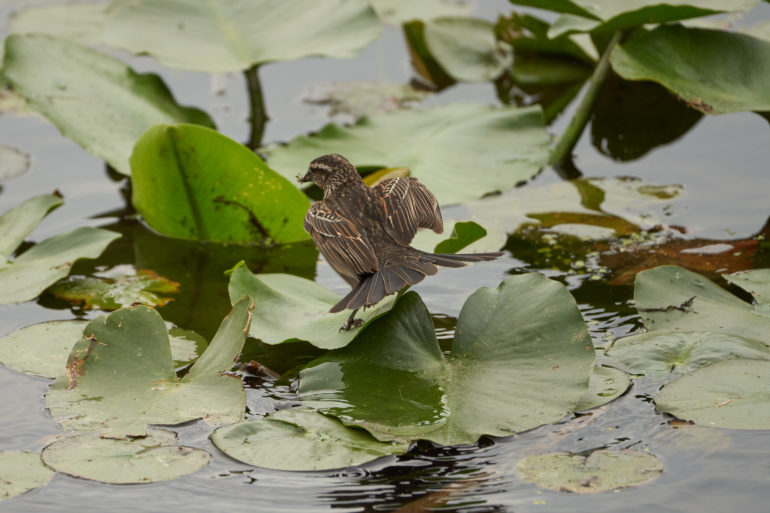
Why is it great? At the telephoto end, the autofocus missed only fifteen percent of shots during a soccer game, and that is not bad, given that there are so many elements of the lens that need moving. With a camera like the Sony a7 V, you are likely to get faster results than with the Sony a7R IV. This lens also gets really close to the subject, and it manages distrotion really well. You also get good colors, and the sharpness is great at the center of the frame.
Who is it for? The lens is perfect for wildlife, bird, and sports photographers.
What makes it unique? Featuring 25 elements in 16 groups, the 150-500mm offers a lot of reach. It is also smaller and lighter than the Sony FE 200-600mm f5.6-6.3 G OSS, and the Sigma 150-600mm f5-6.3 DG OS HSM Contemporary. And that is one of its biggest innovations. You also get 7 aperture blades, and a minimum focusing distance of 0.6m at the wide end and 1.8m on the telephoto end. It is also weather-resistant, making it a great option for outdoor shoots.
In our review, we said:
While heavy, it’s not too heavy to wield without a tripod, thanks to stabilization. Despite making a big zoom compact, the lens does a good job of managing distortion and aberration

Get rid of the ads!
Did you enjoy reading this article as much as we enjoyed writing it? There's a way to support us and our reporting, getting ad-free navigation and more as a bonus. Subscribe to us for less than a coffee per month —just $3.99— or take advantage of our yearly subscription with a hefty discount for only $25.- An ad-free experience
- A free mystery box for Lightroom or Capture One
- All the books in our store
- 20% discount on Capture One
- 30% discount on Imalume Photo Theft Protection
- 20% off Herbs and Kettle Tea Company.
- 20% off your order from MPIX printing services.
- 5% off Viltrox Products via their eCommerce store.
- 10% off all film developing, printing and scanning services from Blue Moon Camera and Machine
- 15% off 7Artisans products: The lens and accessory maker is offering a sweet discount for Phoblographer's readers.