

Last Updated on 12/07/2025 by Chris Gampat
Photography is not just about cameras. Sure, the tool is important, but the device is only good as one’s vision. Many young photographers often focus on the former rather than the latter, and in the modern world, many professional creators are now gearing towards cameras far more than they should. Are photographers forgetting what the medium is about? Perhaps, so. It is one of the reasons why we are exploring three practices that both young and advanced photographers should try to keep the creative juices flowing.
Shooting Across Complexity
Photography is a challenging medium, which means you need to be able to move fluidly between images that differ from one another. This includes technical prowess and also creativity. Photographers who stick to the same kind of aesthetic or the same subject can miss out on their potential, but also those who think simple images as beneath them.
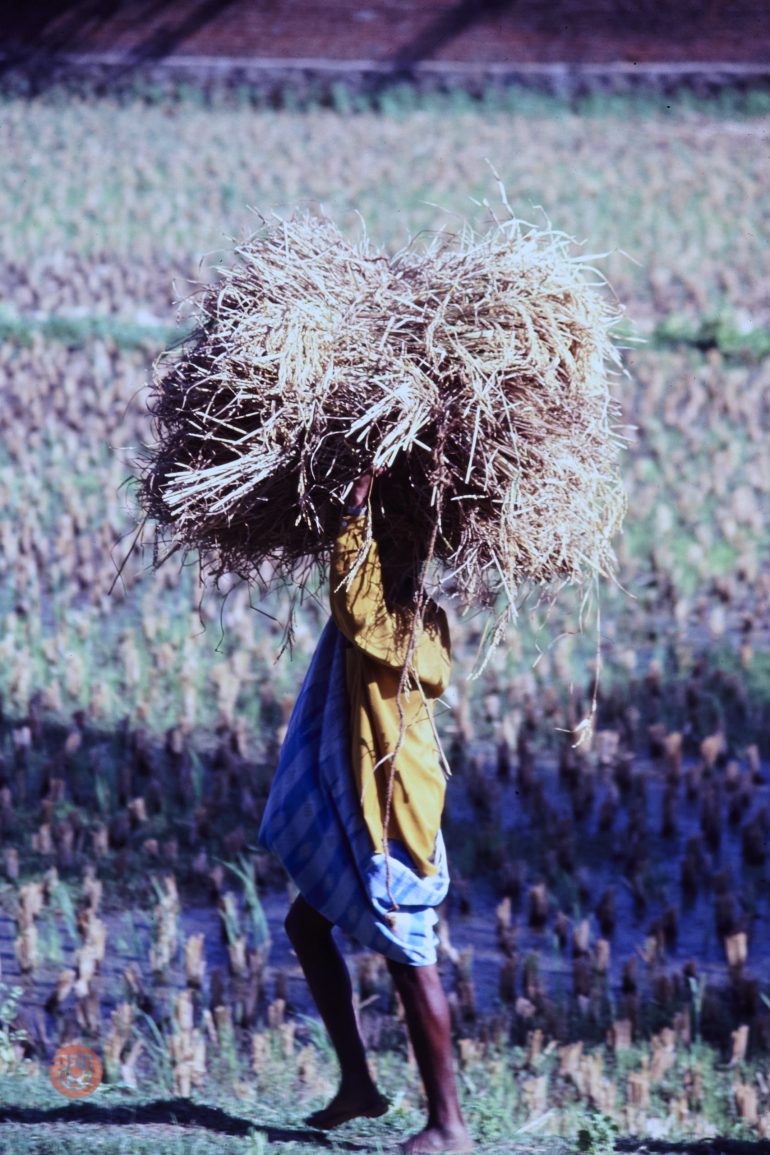
When you think of photographers who have mastered the complexity of the medium, Saul Leiter comes to mind. He can capture purely layered colors and compositions, but also quiet moments of people passing by. The same goes for Joel Meyerowitz, who has done documentary work, such as Ground Zero, a project focusing on the aftermath of 9/11, as well as street photographs that showcase the complexity of our society.
One could say that developing one’s vision is much like growing a muscle. It requires practice, stretching, and stepping out of your comfort zone to discover something that will enhance your portfolio.
Shooting Across Perspective
Shooting across perspectives means you expose yourself to different ways of seeing. Young photographers often find themselves in echo chambers, creating the same kind of images that they see on social media or are influenced by great masters. However, the world of photography is far wider than that. It is important that you do the following in this case:
- Learn from photographers from different cultures
- Different eras (1950s street, 1970s color, modern digital minimalism)
- Different philosophies (documentary truth, surrealism, abstraction)
- People whose approach challenges their assumptions
Don’t abandon your vision, but strengthen it by seeing contrasting approaches to a story. Let’s say you’re stuck when it comes to shooting a hard-hitting documentary project. Seeing approaches from different photographers or different traditions can help you to find your style.
Shooting Across Genres
Last but not least is photographing across genres. Sure, you can pick one genre and stick to it, but it is often nice if you have built your career by experimenting across different categories. This helps you think differently and encourages you to step out of your comfort zone. If you are a street photographer, you can combine that with fashion and get something entirely different. Similarly, if you are a wildlife photographer, you can work with weddings, because your skill set will expand.
In some ways, remember the following:
- Street photographers who do not shoot portraits often miss the significance of capturing a direct gaze.
- Portrait photographers who avoid street photography can’t understand the drama that street photography brings.
- Fashion photographers who don’t work on documentary projects will never understand the significance of unposed or uncontrolled frames.
- Landscape or wildlife photographers who do not capture people can miss out on the beauty of humanity.
Your way of seeing is as much about flexibility as it is about curiosity about the world and stories around you. In many ways, these tips will help you expand your capacity for attention, empathy, and courage. Don’t think too much, just do it one frame at a time.
Get rid of the ads!
Did you enjoy reading this article as much as we enjoyed writing it? There's a way to support us and our reporting, getting ad-free navigation and more as a bonus. Subscribe to us for less than a coffee per month —just $3.99— or take advantage of our yearly subscription with a hefty discount for only $25.- An ad-free experience
- A free mystery box for Lightroom or Capture One
- All the books in our store
- 20% discount on Capture One
- 30% discount on Imalume Photo Theft Protection
- 20% off Herbs and Kettle Tea Company.
- 20% off your order from MPIX printing services.
- 5% off Viltrox Products via their eCommerce store.
- 10% off all film developing, printing and scanning services from Blue Moon Camera and Machine
- 15% off 7Artisans products: The lens and accessory maker is offering a sweet discount for Phoblographer's readers.