


Fujifilm is one of the few companies that has truly revolutionized the way we view cameras. The company is popular for its X series devices, but with the introduction of medium format, Fujifilm proved it is in for a longer haul. Now competing with brands such as Phase One and Hasselblad, the company has showcased the prowess of the emdium for photographers who like to make images on the street. Today, we look back at the two cameras from our entire portfolio that will never disappoint you.
Fujifilm GFX 100 II for the Working Studio Professional
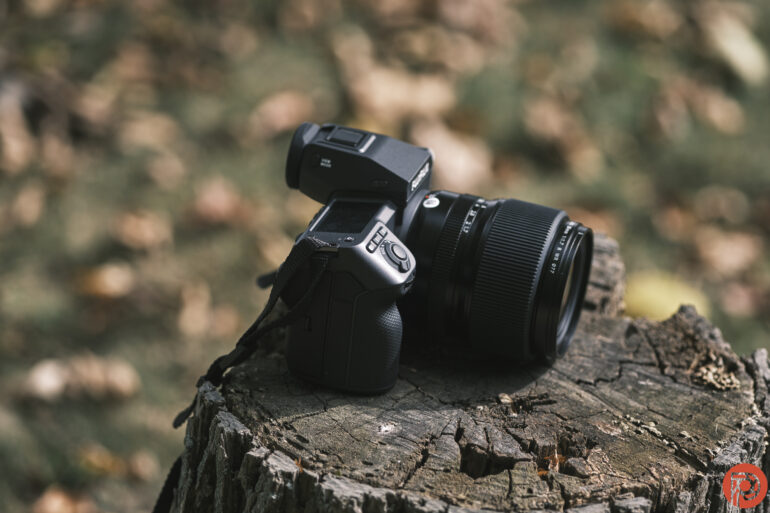
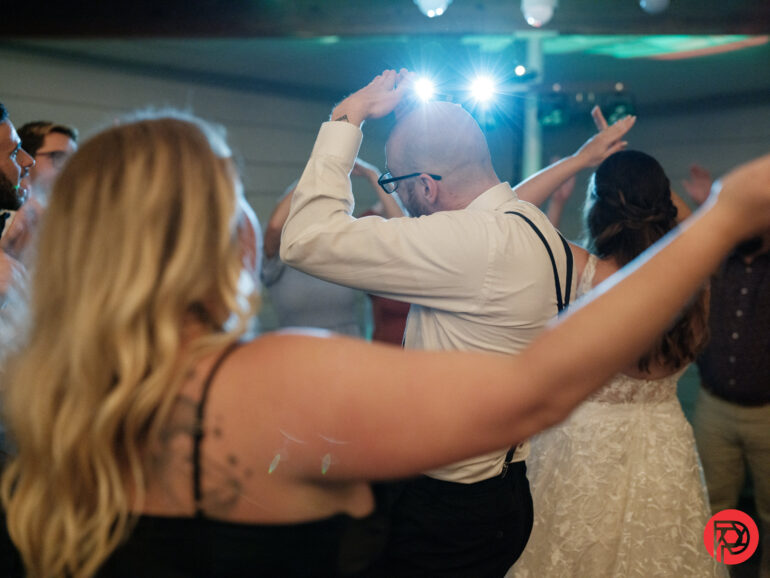
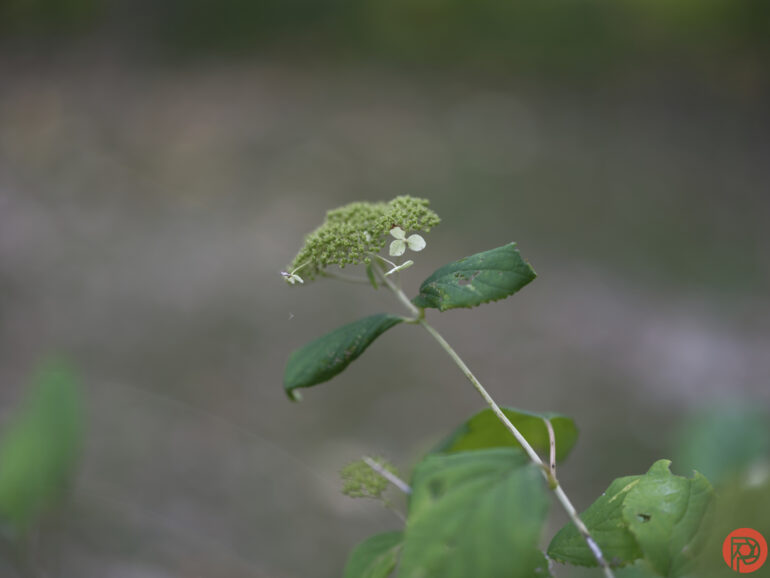
Why is it great? The GFX100 II features multiple changes over the original camera. It has a better sensor, processor, autofocus, stabilisation, as well as ergonomic features. The camera weighs 2.3 pounds but offers a grip, a retro-style top dial, and feels robust. The camera is weather sealed, which means you can shoot with it outside of your studio. The autofocus is slow, given the large format, but it is decent enough to keep up with subjects on a dark dance floor. As for the image quality, you get exceptional sharpness and great bokeh, depending on the lens you are working with. Add color profiles to this, and you get pictures that will make your work stand out.
Who is it for? The camera is expensive, but it offers a lot of room to make your photos distinct. The camera is not only for studio photographers, but also for portrait photographers, landscape photographers, and in some cases, even wedding and event photographers shooting slower subjects.
What makes it so special? There is so much to gush about here. You get film-like colors, good dynamic range, and multiple buttons on the body to make your camera feel like yours. The noise is controlled well in low light, and you don’t lose the sharpness. Let’s not forget, you get 102MP images, which means you can crop your images however you like.
In our review, we said:
The biggest thing that sets the Fujifilm GFX100 II apart is that it makes medium format less of a one-trick pony and introduces the possibility of using the system for lifestyle, journalism, and other moving subjects. No, it’s not as fast as many of the full-frame cameras, but it increases the performance enough that I can see this camera creeping into more genres.

Fujifilm X-Half for Being Completely Unique

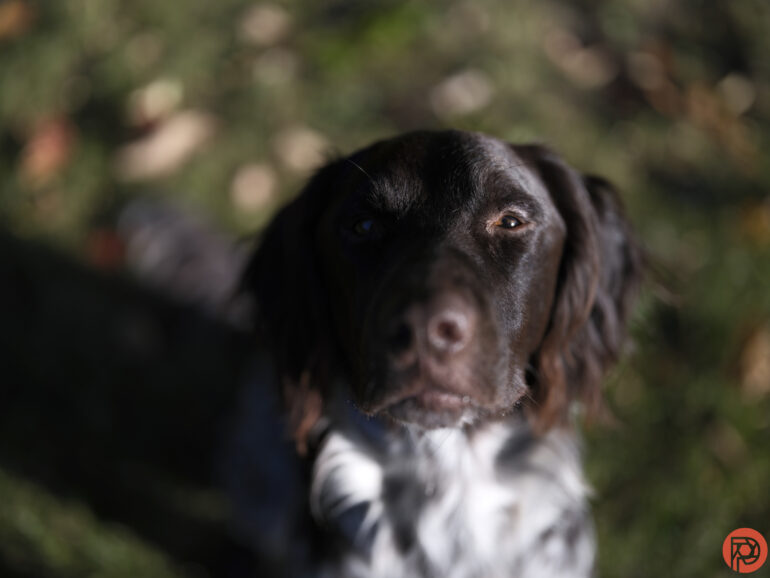
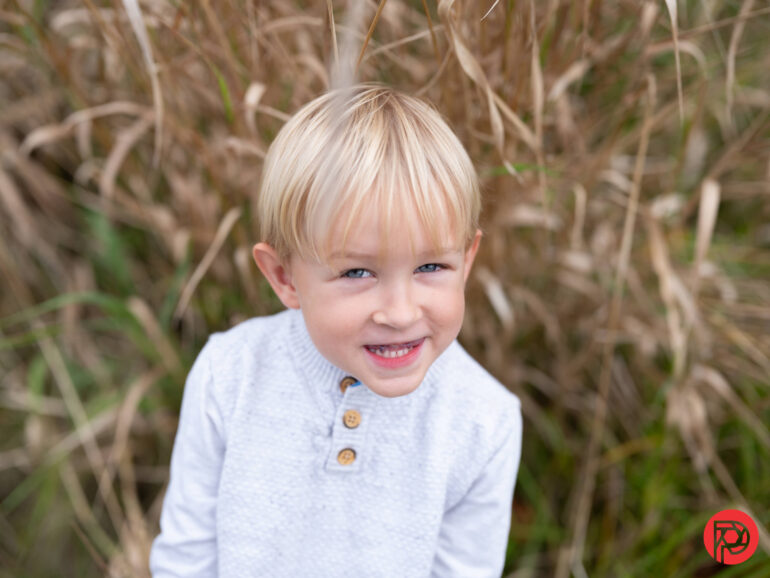
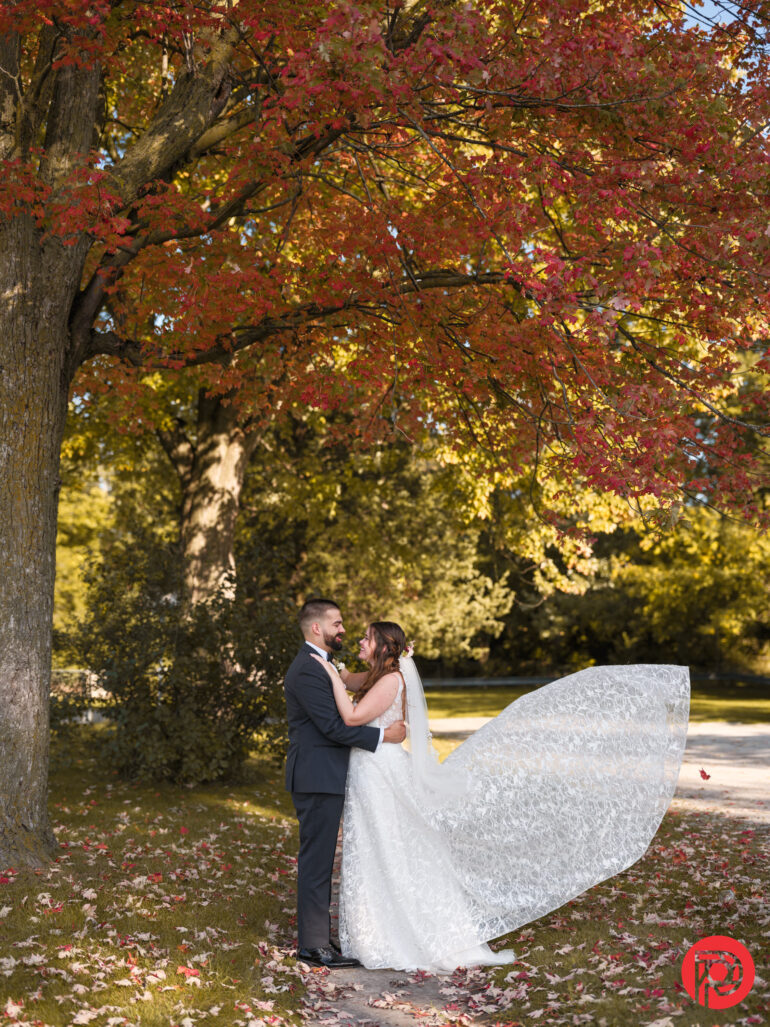
Why is it great? The Fujifilm X-Half is the first 1-inch camera to feature a vertical sensor. The company took the idea of a point-and-shoot camera and modernized it even further. It is an ideal camera for everyday shooting, offering colorful JPEGs, as well as the chance to shoot a diptych of the field in-camera. The device was designed to mimic half-frame cameras, offering multiple film simulations and filters, and a ‘film lever’ that can help you ‘advance’ your images. The image quality is grainy, evoking a nostalgic feel. If you don’t use the film simulation mode, the filters help the images appear like they were shot on a digicam.
Who is it for? Anyone who wants to have fun with their photography. The camera takes clinical images and turns them into something entirely different. You get plenty of room to play with, so whether you are a beginner or a serious enthusiast, the camera can find a place in your arsenal.
What makes it so special? The vertical sensor, screen, and aspect ratios include 3:2, 4:3, and 16:9. There is also the ability to shoot 2 different images in one frame, and you also get Light Leak and Halations as filters. It’s a camera that allows you to achieve the best results in-camera, thereby reducing your time spent on post-processing.
In our review, we said:
How many people who are brand new to real digital cameras will really know what expired film looks like? The X half does a good job of making the images look like the film was kept in your desk and not in the fridge. But the other filters are hit or miss.


Get rid of the ads!
Did you enjoy reading this article as much as we enjoyed writing it? There's a way to support us and our reporting, getting ad-free navigation and more as a bonus. Subscribe to us for less than a coffee per month —just $3.99— or take advantage of our yearly subscription with a hefty discount for only $25.- An ad-free experience
- A free mystery box for Lightroom or Capture One
- All the books in our store
- 20% discount on Capture One
- 30% discount on Imalume Photo Theft Protection
- 20% off Herbs and Kettle Tea Company.
- 20% off your order from MPIX printing services.
- 5% off Viltrox Products via their eCommerce store.
- 10% off all film developing, printing and scanning services from Blue Moon Camera and Machine
- 15% off 7Artisans products: The lens and accessory maker is offering a sweet discount for Phoblographer's readers.