


Last Updated on 11/24/2025 by Chris Gampat
As the year comes to a close, we have decided to take a look at a few lenses that have left a lasting impression on us this year. This includes offerings from both first- and third-party lens makers, which gives photographers plenty of room to experiment. If you are a professional seeking a new set of lenses for your arsenal, here are some exciting options to consider. Have fun!
Tamron 16-30mm f2.8 G2
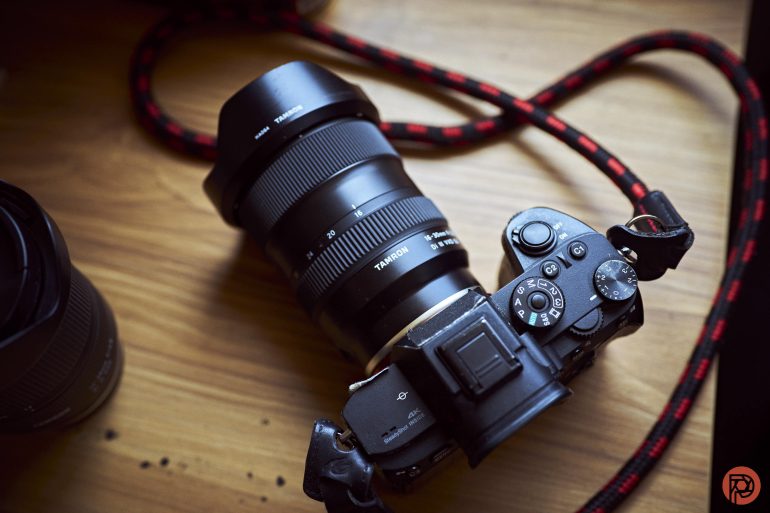
The Tamron 16-30mm f2.8 G2 is perfect for street and landscape photographers. The device has 16 elements in 12 groups, has a close focusing distance of 7.5 inches on the wide-angle side and 11.8 inches at the telephoto lens. The lens has 9 round aperture blades. The autofocus is quite good, including with the Sony a7r III. The image quality is pretty good, offering punchy colors and sharpness. The weather sealing enhances the overall package. As we added, “With that said, this lens is pretty close to being a Sony G Master lens, but it’s nowhere as mammoth-sized.” The lens is ideal for anyone looking to upgrade.
Panasonic S 24-60mm f2.8

The Panasonic LUMIX 24-60mm f2.8 S is special as no other lens has been created in this focal range. Portrait, event, and photographers will find this very useful. Designed with 14 elements in 12 groups, including 3 aspherical lenses, 1 UED lens, 2 ED lenses, and comes with 9 diaphragm blades. It also offers a 0.19m close focusing distance, a 0.30x magnification, amongst other things. The autofocus is impressive, as usual, and it will ensure you get the images right off the bat. The image quality is also excellent, and the colors are quite natural as well.
Sigma 35mm f1.2 DG Art II

The Sigma 35mm f1.2 II ART is a new addition, and it comes with 17 elements in 13 groups. It has 11 aperture blades, has a minimum focus distance of 28cm, and it weighs 745g. The autofocus is snappy, and in low light, it can struggle a bit. However, if you stop down to f1.4, you will notice a difference in performance. The image quality is excellent, and one can achieve remarkably sharp results when paired with a flash. As we explained, “But it mostly does that with LUMIX cameras more than anything else. Sony cameras tend to deliver images that lack imagination and give you the sad reality that we’re all trying to escape.” LUMIX photographers, thus, stand a chance to get the best of both worlds.
Viltrox 50mm f1.4 AF Pro
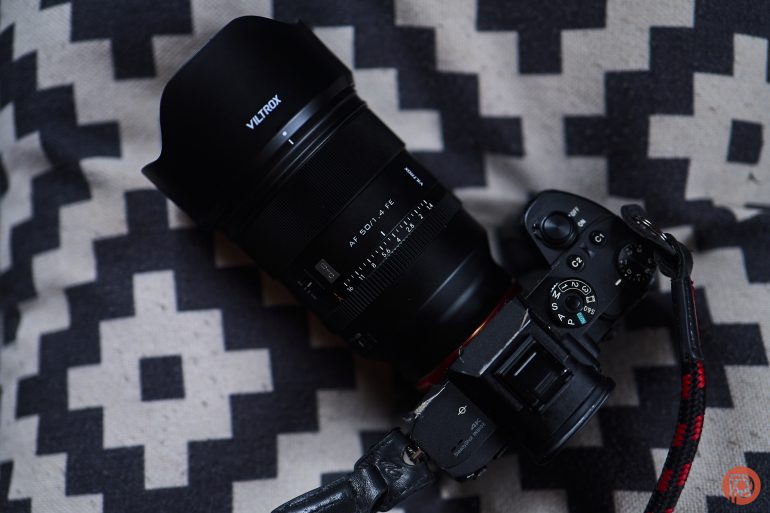
The Viltrox 50mm f1.4 AF Pro features 15 elements in 11 groups, including 8 HR elements, 3 ED elements, and 1 UA element. The camera features 11 aperture blades, a minimum focusing distance of 0.45 m, and is weather-resistant. The lens has full control, and with AF-S mode and scene detection, you have a lot to work with. The colors are natural, and the lens can enhance certain shades more effectively. There is also sufficient sharpness, and even the bokeh is impressive. As we added, “This lens instead reminds me of the Sony NEX and early full-frame Alpha camera days. And there’s truly something about that I’m smitten with.”
Sigma 135mm f1.4 DG Art

The Sigma 135mm f1.4 DG Art is the world’s first 135mm with f1.4. It features 17 elements in 13 groups, including 4 FLD, 2 aspherical elements, 13 apertured blades, and comes with a 110cm minimum focusing distance. The autofocus is exceptionally fast, the weather resistance is a great addition, it can focus closely, and it is not heavy, despite its large appearance. As we said, “In fact, it’s faster than Leica’s 28mm f2 Apochromatic – which is by far, one of the fastest focusing lenses available for L mount.” In fact, it can outdo Sony in many ways. The colors are nice, the bokeh is smooth, and you can use images right off the camera.
Get rid of the ads!
Did you enjoy reading this article as much as we enjoyed writing it? There's a way to support us and our reporting, getting ad-free navigation and more as a bonus. Subscribe to us for less than a coffee per month —just $3.99— or take advantage of our yearly subscription with a hefty discount for only $25.- An ad-free experience
- A free mystery box for Lightroom or Capture One
- All the books in our store
- 20% discount on Capture One
- 30% discount on Imalume Photo Theft Protection
- 20% off Herbs and Kettle Tea Company.
- 20% off your order from MPIX printing services.
- 5% off Viltrox Products via their eCommerce store.
- 10% off all film developing, printing and scanning services from Blue Moon Camera and Machine
- 15% off 7Artisans products: The lens and accessory maker is offering a sweet discount for Phoblographer's readers.