


If my phone is a soulless device with few buttons and an adaptable simulation, a dedicated point-and-shoot camera reminds my soul that I am a human being with five senses—and that they work. Phones and so many digital cameras have taken away the sensory romance of photography as camera manufacturers have done little to cater to the people who are truly in love with cameras. I’m not talking about the enthusiast market segment, the pro, or the hobbyist — instead, I’m talking about the passionate photographer. These are the folks who enjoy every step of the process of making an image and don’t necessarily wish to sit behind a computer all day to get their image to look wonderful. Instead, they get it right from a little device that can fit in their pocket, but can also be carried on the hip in a little case.
In my 38 years on earth, I’ve learned that I have something known as rebellious child syndrome. And it’s often when one lets the world know that the ship is sinking — but no one believes them. I said it during the slow end of DSLRs. And I said it when lenses were getting too clinical and sterile. And I’ve been asking for point-and-shoot cameras for years.
Being a journalist in the photography world and an actual lover of cameras is something that makes me patiently impatient. Point and shoots are only now coming back; but we’re lacking all of the extras that made us want to carry them around.
It’s not about putting it in your pocket, it’s about making me want to bring it with me — and this is a concept that I feel so many camera manufacturers majorly do not understand. I adore the idea of having a camera on my hip. But don’t think of it as a gun holster or something like that — some tech-bro is bound to try to think of this. Instead, think of it as a little bit of a tool case.
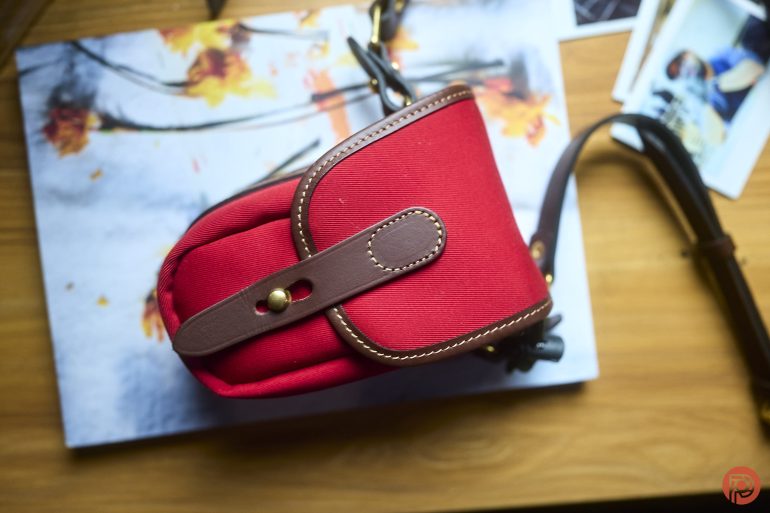
A company that got this almost perfectly right is Billingham. Their TEN 16 can be mounted on the hip or sling around.the shoulder.
So what’s so beautiful about these cases? Well, it’s a simple part of the process and enjoying the process of seriously taking photos of things that aren’t so serious. You lift the flap up, grab the camera, bring it to a ready position, power it up, maybe change a setting or two, and then shoot. In the process, your senses are fully engaged. You’re feeling either leather or canvas,. you’re listening to the lens extend or detract, you’re seeing the scene in front of you and on the screen, and you’re breathing in the air that affects how you feel.
If it sounds mundane, then you’re right. The camera industry has lost its identity with trying to capture those who rely on the attention economy. And it hasn’t adapted to the world the way that watches did.
But a return of these small cases could deliver us not to how things used to be, but to the sense of self that we’ve given up to other devices.
Get rid of the ads!
Did you enjoy reading this article as much as we enjoyed writing it? There's a way to support us and our reporting, getting ad-free navigation and more as a bonus. Subscribe to us for less than a coffee per month —just $3.99— or take advantage of our yearly subscription with a hefty discount for only $25.- An ad-free experience
- A free mystery box for Lightroom or Capture One
- All the books in our store
- 20% discount on Capture One
- 30% discount on Imalume Photo Theft Protection
- 20% off Herbs and Kettle Tea Company.
- 20% off your order from MPIX printing services.