

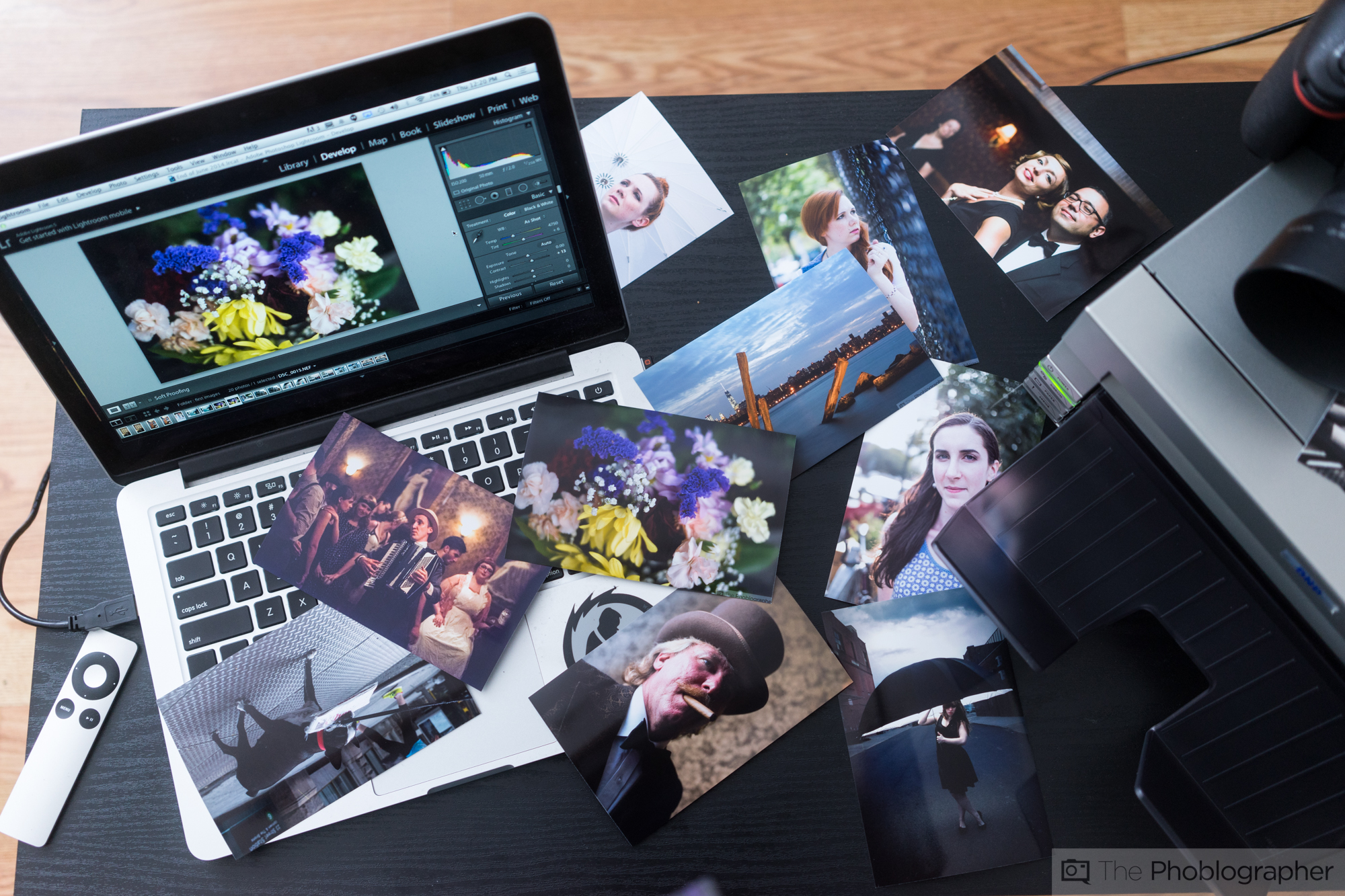
When it comes down to creating a portfolio, we often face several challenges: the kind of work to show, the edit, and the overall flow of the images. You may be one of the best photographers, but you stand to lose the opportunity because of your portfolio, which may not be attracting clients enough. And no, “Instagram” is not how you pitch yourself. One of the things that makes your portfolio stand out is the ability to make it specific to serve your clients. How do you achieve this? With these five tips.
Who Are Your Clients?
This is the first question you ask yourself, even before you begin to make a portfolio. You need to know who you are targeting because that will impact everything else. For instance, do you want to work with a studio? A fashion brand? Corporates? Or restaurants? Narrow down your choice, which will make it easy to directly communicate with your clients.
However, you also must remember that you must not specialize in one subject. If it’s food, for instance, then you also can photograph the creation process, varied beverages, and so on to showcase your creativity. The answer here is different styles, points of view, and contrast images, in addition to quiet moments. Have tabletop photographs of best-styled food, but you can also shoot otherworldly macros to heighten the viewer’s senses. This way, despite the niche genre, you still get the client hooked on your diversity.
Analyse Your Clients
Upon figuring out who you will approach, it’s time to do your research. This is crucial because it will give you an insight into what your clients have done in the past and how you can build on that. After all, there is no point in showcasing your work, which could be similar to another campaign. So here are a few things you can do to help your portfolio impress your clients.
- Look at competitors’ work as well as the photographers with whom they have already worked. A fashion magazine or an architecture firm will have the credit of the person. Get a gist of it.
- Understand the kind of images they are displaying and what kind of angles, colors, and points of view work for them. One’s creative or production style will give you better insights. Also, take notes of what you saw.
- Look at all their communications channels, from websites to social media pages and video communications.
- After you have done your homework, look at the gaps. Figure out what they haven’t done and how you can use that to get them to give your series. For instance. An architecture magazine may have never used infrared images. So, you can perhaps use your technical knowledge and understand your client’s brand image to work on your portfolio.
Remember, all clients want is freshness, something that can get their campaign noticed sooner rather than later.
Now, Select Your Images
You now have a better idea of what can work for your potential client. It’s time to get to business. Firstly, curate your images based on what you are going for. Your images need to have a reason why they are in the portfolio. For instance, if you want to work with an automobile company, it won’t make sense to add too many images that focus on the model with the car. At the same time, if you have not worked on assignments before, then work on personal projects and start small, working for a local brand that is of interest to you.
Don’t have more than 30-32 images when you making your portfolio. You want to showcase your work, but you also know people don’t have that much time. Also, if you happen to be showcasing different genres of work, have a cohesive narrative where images tie well together. Strike with a few gems, but also give enough time in the meeting so you can discuss any ideas and pitches you may have.
Think of Specialization
There is nothing wrong with a commercial photographer shooting weddings or an automobile photographer doing fashion. However, when you do so, you also tend to be a jack of all trades and master of none. What we do suggest is not to think of specialization in one genre but the style of images you make. For instance, I have an experimental style of photography, and the same is applicable across genres, whether I shoot street, portraits, or even food. This way, the images I make stand on their own instead of boxing me in.


How to Rework Your Current Portfolio
Let’s say you already have made your portfolio to show, but it is a bit haphazardly done. The first thing you need to do is breathe and start small. A portfolio of 12-15 images is a good start. You can see the above points and apply them to your work.
At the same time, you must remember to make new work. A personal project could be a good start. If you haven’t yet, maybe it is a good time to get started now. Make a schedule and stick to it. Figure out your time frame and budget. Reach out to people you trust and get a second opinion. Even potential clients (even the local ones) can help you. Also, for the latter, tell them you will work hard if you mean it. If not, don’t waste their time or yours.
Furthermore, stay consistent and keep making new images. Your vision changes with time and experience. If you don’t shoot, you won’t improve. And this way, you lose clients, too. High-quality work doesn’t happen overnight. It takes constant efforts to reach there. And, of course, willingness and will power to reach that goal. Your time and your money are your investments, so use them wisely.
Repeat this cycle to reach new clients and elevate your style.
Get rid of the ads!
Did you enjoy reading this article as much as we enjoyed writing it? There's a way to support us and our reporting, getting ad-free navigation and more as a bonus. Subscribe to us for less than a coffee per month —just $3.99— or take advantage of our yearly subscription with a hefty discount for only $25.- An ad-free experience
- A free mystery box for Lightroom or Capture One
- All the books in our store
- 20% discount on Capture One
- 30% discount on Imalume Photo Theft Protection
- 20% off Herbs and Kettle Tea Company.
- 20% off your order from MPIX printing services.
- 5% off Viltrox Products via their eCommerce store.
- 10% off all film developing, printing and scanning services from Blue Moon Camera and Machine
- 15% off 7Artisans products: The lens and accessory maker is offering a sweet discount for Phoblographer's readers.