


I’ve been a photographer long enough that I remember when my mentor first told me that I needed three lenses in my bag to be a successful wedding photographer: a 24-70mm, a fast 50mm, and a 70-200mm. The Canon RF 70-200mm F2.8 L IS USM Z is quite possibly the best iteration of the 70-200mm that I’ve ever worked with, but there are some caveats.
Table of Contents
The Big Picture: Canon RF 70-200mm F2.8 L IS USM Z

The Canon RF 70-200MM F2.8 L IS USM Z takes the bread-and-butter 70-200mm zoom lens and gives it some critical modern upgrades—namely, an internal zoom, keeping the lens compact and light-ish, improving the autofocusing speed and ability, and, when paired with the Canon EOS R5 Mark II, being able to use the Iris control ring. While you may not get all the benefits from the lens if you’re using an older RF-mount body (anything prior to the EOS R1, R5 II, or R50V), it’s still a lens that will be a welcome addition to any working photographer’s bag.
We’re giving the Canon RF 70-200MM F2.8 L IS USM Z three out of five stars. If you want to try one for yourself, check it out on Amazon.
TL; DR: here’s what we thought in a bulleted format:
- Pro: Internal zoom keeps the lens relatively compact and light
- Pro: Solid weather-resistance, meant for the outdoors
- Pro: Iris Control (clicky aperture) on newer Canon RF-mount Cameras
- Pro: Speedy autofocusing motors that are also whisper quiet
- Con: Iris Control is limited to newer Canon RF-mount cameras
- Con: Pricey, MSRP of $2999 USD may be outside of many photographers’ reach
Experience
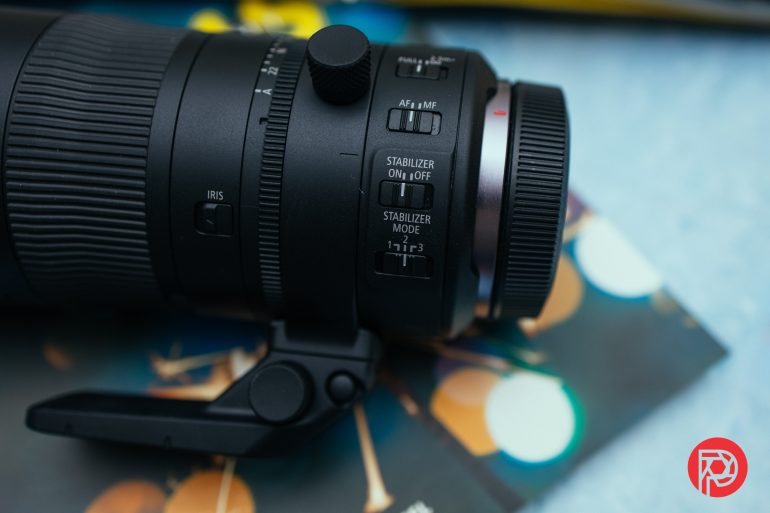
This lens was loaned to us along with the Canon EOS R5 II by Lensrentals.
When the package first arrived from Lensrentals, I was a little unsure of what to expect. I’ve shot with the EF 70-200mm F2.8 L for a number of years, but the box that came in was a lot larger than I was expecting. Thankfully, it was limited to the packaging. Upon getting everything out of the boxes and onto the camera, I instantly noticed that this 70-200mm was so much lighter than the one I used when I shot weddings for a living. It felt refreshing to use the lens and camera combination – it didn’t feel heavy or like it would be a slog to carry in my bag.

Working my way through the lens, I was greeted with many of the familiar controls that were found on the EF version of the lens that I had come to know like a dear friend – a switch to limit the focus distance (Full or 2.5 m-infinity), an AF/MF switch, and then something new: two Stabilization Mode switches. These tactile controls will be a welcome change to anyone who shoots sports or any kind of action that requires allowing them to make changes right from the lens, vs. having to go through the menus.
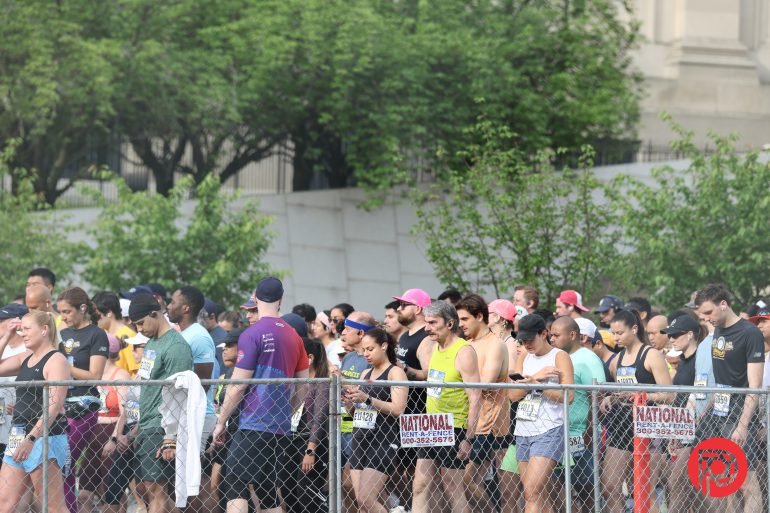
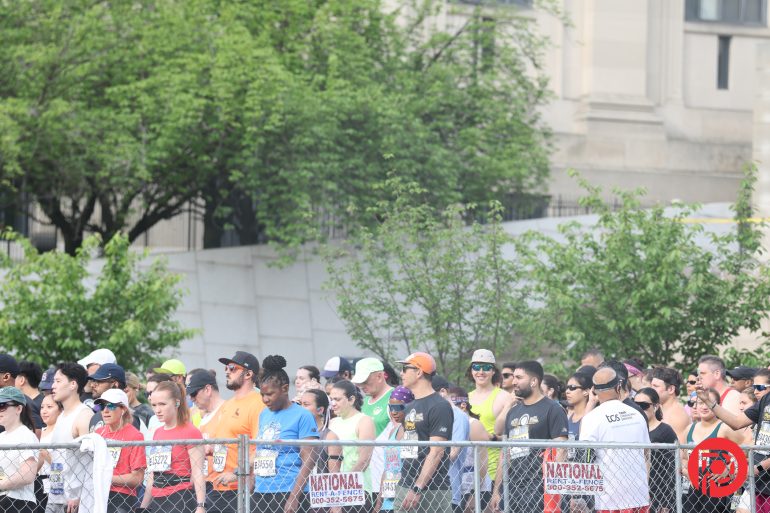
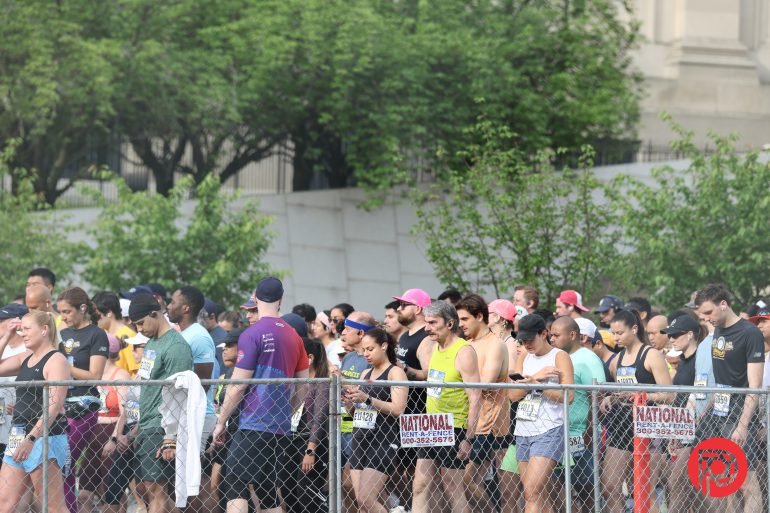
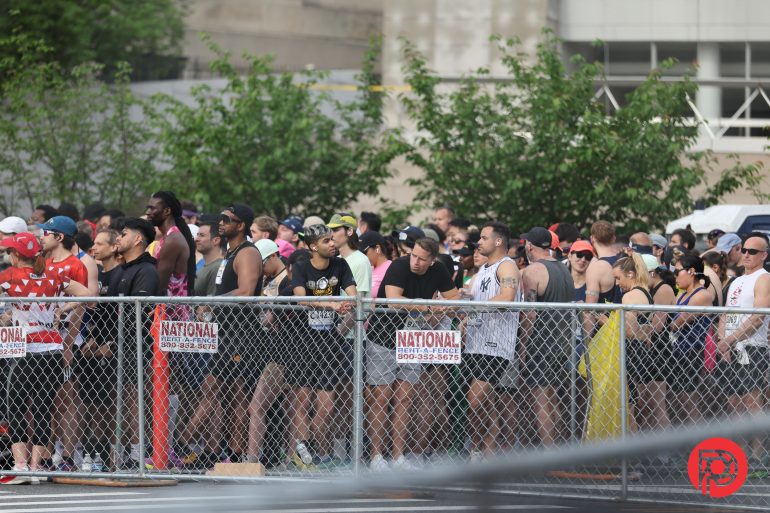
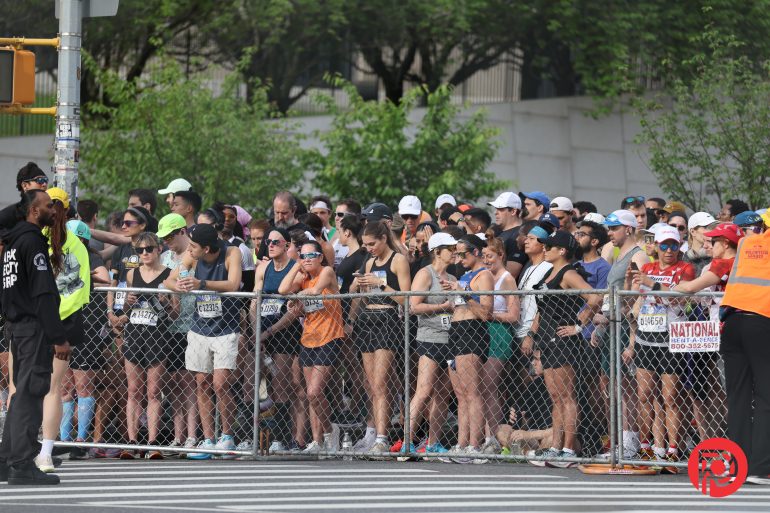
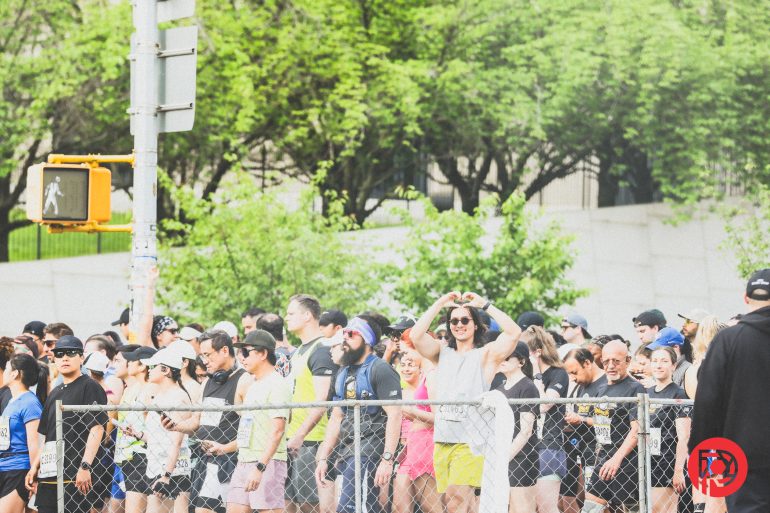
My first test of the lens was trying to get shots of a friend who ran in the Brooklyn Half Marathon this past May. While I was unfortunately on the wrong side of Eastern Parkway, the RF 70-200mm F2.8 L IS USM Z was able to get me close enough where I got my buddy the shots he was looking for. It was a great opportunity to get reacquainted with the RF 70-200mm F2.8 L IS USM Z and one that provided great results, even if I neglected to shoot in RAW. The lens was able to easily acquire focus and keep it until I switched focus points, as a $3k lens should.
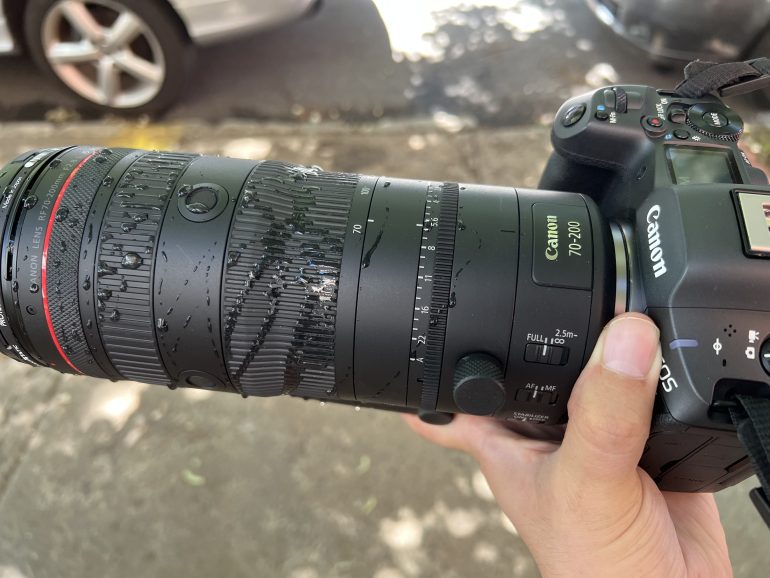
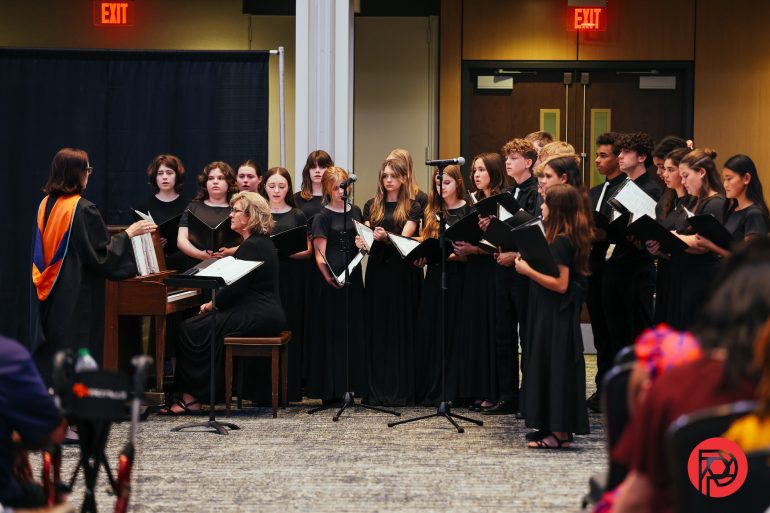
To recap what I wrote in my Canon EOS R5 II update, this lens was also with me on a recent gig – a graduation celebration where the lighting was terrible and I needed the full reach of the lens. Going in knowing that the camera had struggled in the past when it came to acquiring focus on people of color, I was concerned that I would miss more shots than I could keep. Thankfully, that was far from the case. I used the camera with both Face Registration on and off and found that the lens was able to handle people of color well, even with fairer-complexioned people around my subject.
Image Quality
It’s hard to argue with the images that the RF 70-200mm F2.8 IS USM Z produces. They’re sharp across the focal range and deliver a beautiful look straight out of the camera. If you’re still looking for more creative freedom, you can achieve the look you’re going for. The images are sharp and have character – the latter of which means more to me as a photographer.
The following images were taken with the Canon RF 70-200mm F2.8 L IS USM Z and are unedited.


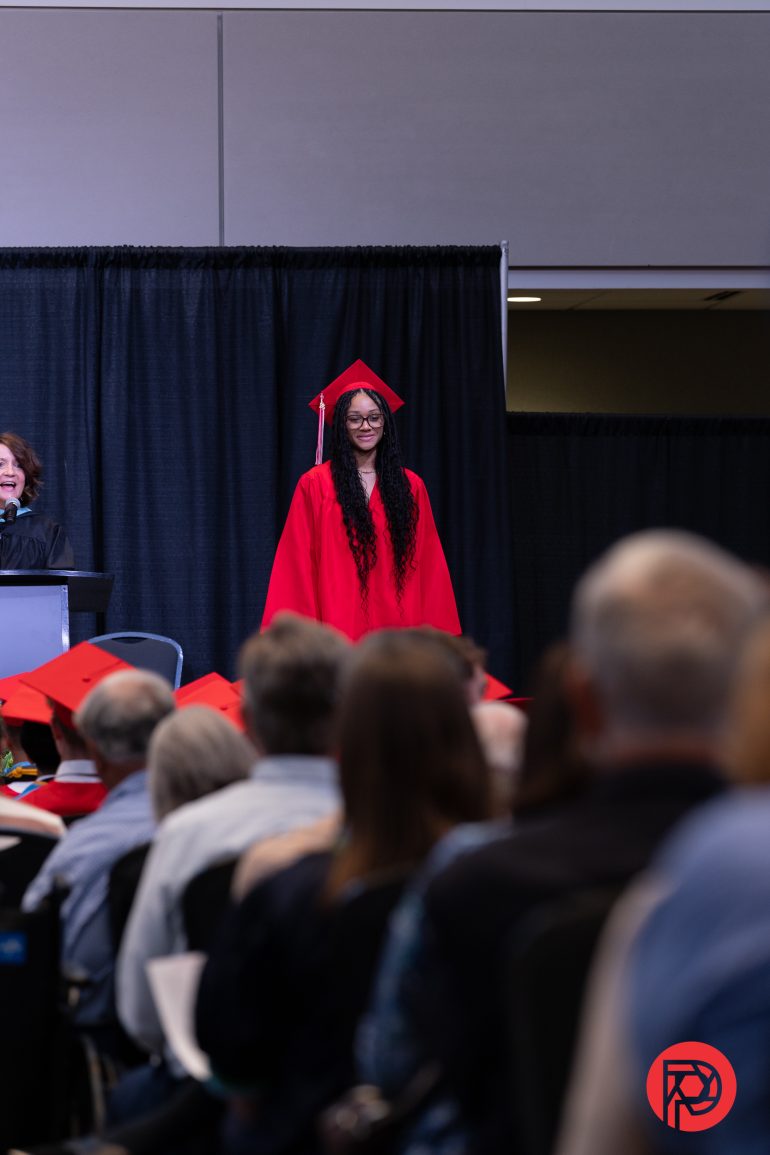








These images were taken with the Canon RF 70-200MM F2.8 L IS USM Z and have been edited.










Canon RF 70-200MM F2.8 L IS USM Z Tech Specs
- Focal Length: 70-200mm
- Maximum and Minimum Aperture: f/2.8 – f/22
- Lens Mount Type: RF Mount (Metal Mount)
- Compatible Cameras: Canon EOS R-series, APS-C and full-frame
- Minimum Focusing Distance: 0.49 m/1.61 ft. (at 70mm), 0.68 m/2.23 ft. (at 200mm)
- Maximum Magnification: 0.2x (at 70 mm), 0.3x (at 200mm)
- Field of View, at Minimum Focus Distance: Approx. 180 mm × 120 mm (7.1″ x 4.7″) (at 70mm); Approx. 120 mm × 80 mm (4.7″ x 3.1″) (at 200mm)
- Angle of View (Diagonal): Approx. 34º – 12º
- Lens Construction: 18 elements in 15 groups
- Special Elements: Two Super UD Lenses, One UD Lens, and Three Aspherical Lenses
- Lens Coating: Canon ASC (Air Sphere Coating), SSC (Super Spectra Coating), Fluorine Coating
- Filter Size Diameter: ø82 mm
- Aperture Blades: 11
- Image Stabilization (yaw/pitch directions): Mode 1, 2, 3 – Provided Via gyro sensors (1 each for yaw and pitch)
- Focusing Drive System: Canon Nano USM (Ultrasonic Motor) motors x2
- Full-time Manual Focusing: Yes (Supports both ONE SHOT AF and SERVO AF with compatible EOS R-series cameras)
Declaration of Journalistic Intent
The Phoblographer is one of the last standing dedicated photography publications that speaks to both art and tech in our articles. We put declarations up front in our reviews to adhere to journalistic standards that several publications abide by. These help you understand a lot more about what we do:
- At the time of publishing this review, CANONS ISN’T running direct-sold advertising with the Phoblographer. This doesn’t affect our reviews anyway and it never has in our 15 years of publishing our articles. This article is in no way sponsored.
- Note that this isn’t necessarily our final review of the unit. It will be updated, and it’s more of an in-progress review than anything. In fact, almost all our reviews are like this.
- None of the reviews on the Phoblographer are sponsored. That’s against FTC laws and we adhere to them just the same way that newspapers, magazines, and corporate publications do.
- LensRentals.com loaned the unit and accessories to the Phoblographer for review. There was no money exchange between us or their 3rd party partners and the Phoblographer for this to happen. Manufacturers trust the Phoblographer’s reviews, as they are incredibly blunt.
- CANON knows that it cannot influence the site’s reviews. If we don’t like something or if we have issues with it, we’ll let our readers know.
- The Phoblographer’s standards for reviewing products have become much stricter. After having the world’s largest database of real-world lens reviews, we choose not to review anything we don’t find innovative or unique, and in many cases, products that lack weather resistance. Unless something is very unique, we probably won’t touch it.
- In recent years, brands have withheld NDA information from us or stopped working with us because they feel they cannot control our coverage. These days, many brands will not give products to the press unless they get favorable coverage. In other situations, we’ve stopped working with several brands for ethical issues. Either way, we report as honestly and rawly as humanity allows.
- At the time of publishing, the Phoblographer is the only photography publication that is a member of Adobe’s Content Authenticity Initiative. We champion human-made art and are frank with our audience. We are also the only photography publication that labels when an image is edited or not.
More can be found on our Disclaimers page.
Get rid of the ads!
Did you enjoy reading this article as much as we enjoyed writing it? There's a way to support us and our reporting, getting ad-free navigation and more as a bonus. Subscribe to us for less than a coffee per month —just $3.99— or take advantage of our yearly subscription with a hefty discount for only $25.- An ad-free experience
- A free mystery box for Lightroom or Capture One
- All the books in our store
- 20% discount on Capture One
- 30% discount on Imalume Photo Theft Protection
- 20% off Herbs and Kettle Tea Company.