

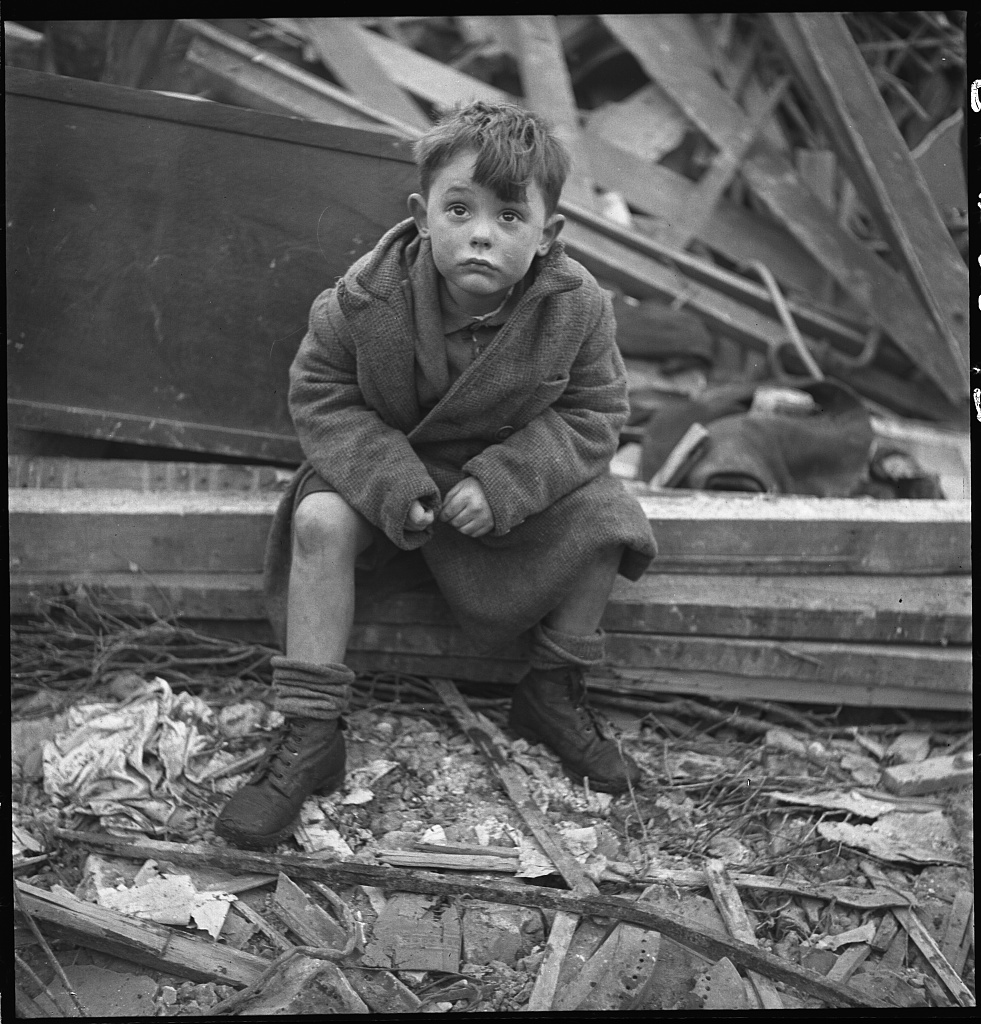
When one speaks about war photography, particularly during World War, the few women war photographers that come to mind are Margaret Bourke-White, Dorothea Lange, and Christina Broom. These women truly captured the events of the battles and their consequences. Bourke-White documented the partition of India and Pakistan, the Korean War, and much more, while Lange and Broom worked on The Great Depression and soldiers leaving for the First World War, respectively. However, today, we wanted to shed light on two more women photojournalists who may not be too familiar to you but have made incredible contributions to the medium: Helen Johns Kirtland and Toni Frissell.
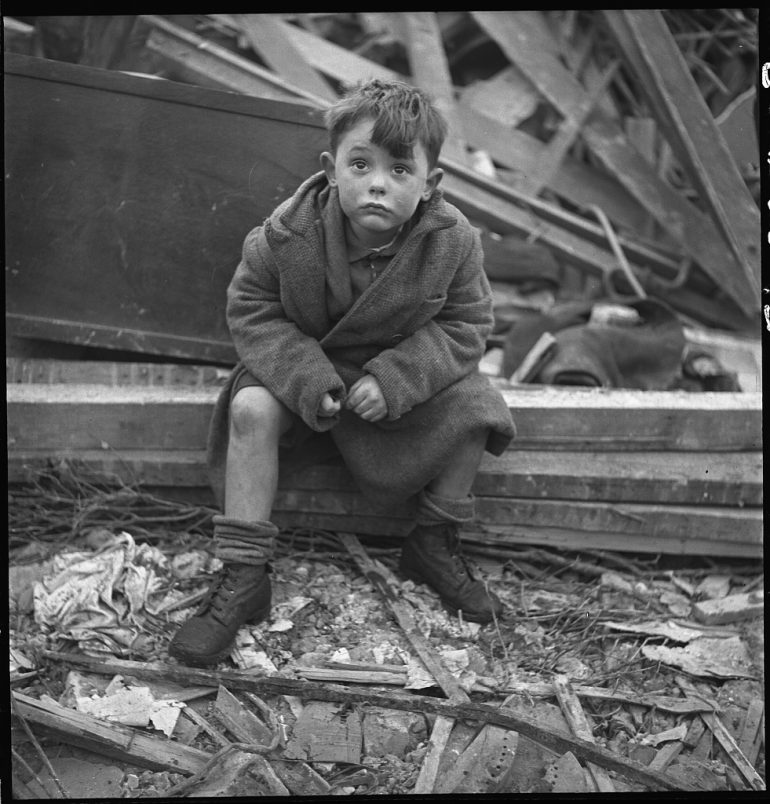
The lead image is by Toni Frissell. All images are screenshots from The Library of Congress.
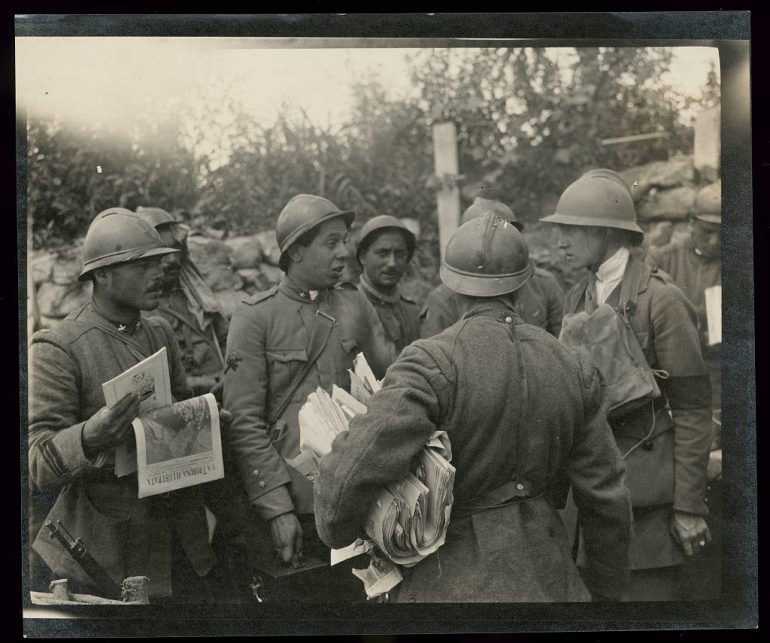
Born in 1809, Helen Johns Kirtland was one of the women war photographers who actively documented World War I. According to the Library of Congress, she was the “first and only woman correspondent allowed at the front” following the retreat of Caporetto in 1917. having worked for Leslie’s Illustrated Weekly and the YMCA, Helen captured some of the most significant moments of the war. Some of her images documented frontline battles, women war workers, and post-war Europe. However, due to her perspective, she covered a powerful story in 1918 called A Tribute to Women War Workers, which honored women working for the allied cause.
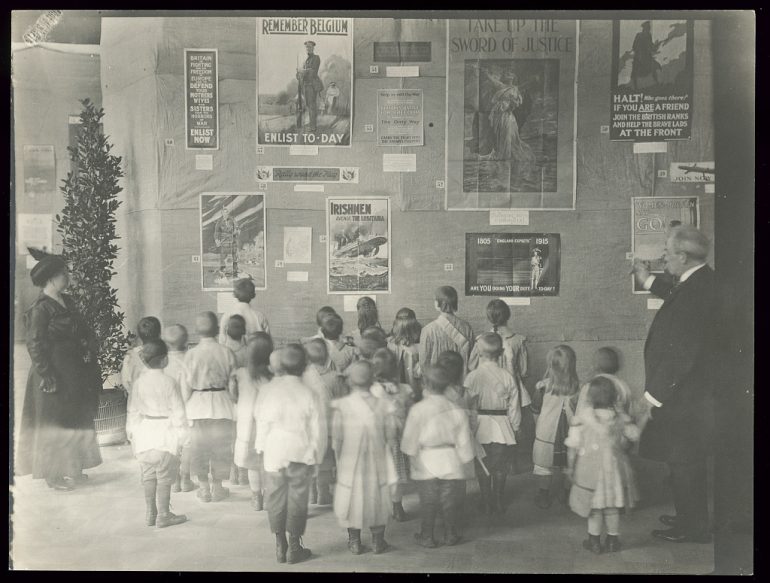
What set her work apart was her dignity and empathy for the people she photographed, including women like Madame Poincaré, the wife of French statesman Raymond Poincaré. Helen’s work not only focused on the impact of war but also showcased the strength and determination of people enduring it. The pictures portrayed the trenches, where Helen was also seen in protective gear, fulfilling her duty and commitment.
Like Helen, Toni Frissell was one of the spectacular women war photographers who made immense contributions to war photography. An aristocrat, Toni worked for -Harper’s Bazaar, Vogue, Town and Country, and Sports Illustrated as a fashion photographer. However, when World War II approached, she began to grasp the tension in Europe and chose to expand her practice. She volunteered for the Red Cross, and her assignments proved she challenged social norms. In 1942, she captured a photograph of a boy sitting in the rubble of bombed London, which showcased the impacts of war on civilians. In fact, it was her images that helped her gain fame, especially those that included coverage of women working for the Red Cross and the Women’s Army Auxiliary Corps (WAACs).
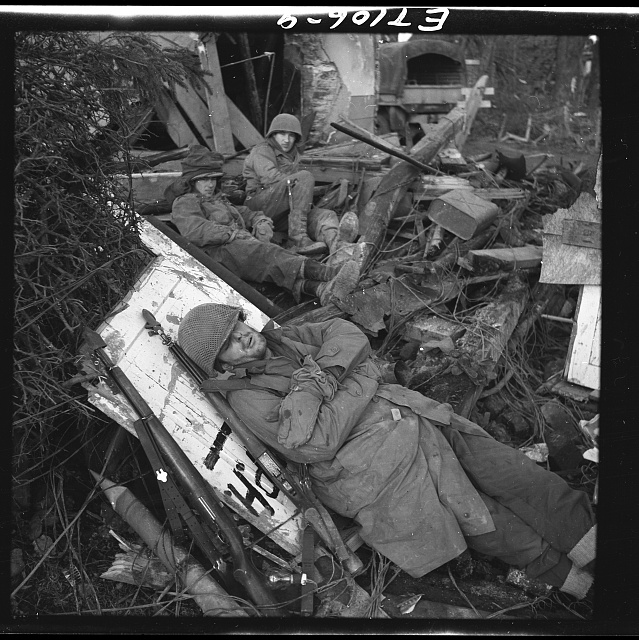
In 1945, she was the only photographer to visit the Writer’s Review Board to chronicle soldiers and civilians on the frontlines in England, Germany, and Italy. Gradually, she worked on assignments with LIFE magazine, and that same year, she also documented Tuskegee Airmen, the all-Black fighter pilot unit. The latter becomes a rare and significant inclusion in war photography.
Like Helen, Toni’s images reveal the human cost of war. However, her work was not immediately considered a success. Much later, critics began to see its historical significance, and in 1995, the Library of Congress celebrated her contribution in an exhibition titled “Women Come to the Front.”
Both these women war photographers highlighted the importance of diverse perspectives in every field. Through their powerful images, we were able to witness the impact of war on women and children, which may have otherwise gone unnoticed. We hope that these inspiring women war photographers encourage you to pick up a camera and create images that drive change.
K
Get rid of the ads!
Did you enjoy reading this article as much as we enjoyed writing it? There's a way to support us and our reporting, getting ad-free navigation and more as a bonus. Subscribe to us for less than a coffee per month —just $3.99— or take advantage of our yearly subscription with a hefty discount for only $25.- An ad-free experience
- A free mystery box for Lightroom or Capture One
- All the books in our store
- 20% discount on Capture One
- 30% discount on Imalume Photo Theft Protection
- 20% off Herbs and Kettle Tea Company.
- 20% off your order from MPIX printing services.
- 5% off Viltrox Products via their eCommerce store.
- 10% off all film developing, printing and scanning services from Blue Moon Camera and Machine
- 15% off 7Artisans products: The lens and accessory maker is offering a sweet discount for Phoblographer's readers.
- 15% off a VSCO One subscription: Get a bunch of great tools with their all-in-one package.