

The Phoblographer has always spoken about the most exciting, best, or most innovative cameras and lenses over the years. After all, that’s what our readers are so keen on knowing about! However, each year brings us a more pumped-up version of photographic equipment, but it also makes us forget about our roots. Don’t get me wrong: We all love a high-megapixel camera that can peer into the pores of a model’s face. But it certainly should not be at the cost of traditional photography. For educational purposes, we have decided to collate a list of various forms of lensless photography, which is something that both beginners and professionals should dabble with from time to time.
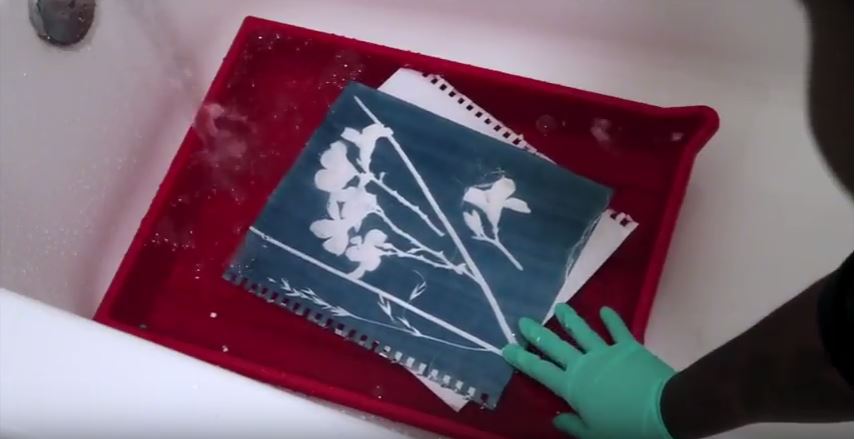
The lead image is taken from a story published in 2017.
Cyanotype
Known as one of the oldest and most accessible types of lensless photography, Cyanotypes allow you to get beautiful silhouettes on Prussian blue paper. Remember Anna Atkins’ work? That is what a Cyanotype does. For one to try this, all you need is a photographic paper coated with a light-sensitive mixture of iron salts, such as ferric ammonium citrate and potassium ferricyanide. Place any object of your liking, from plants to clothes, and then expose it to UV light for the best result. A break from high-end gear can actually help you to appreciate photography even more.
Anthotype
This is yet another lensless photography technique, which also happens to be quite eco-friendly. What one needs is natural pigments from plants, fruits, and flowers to create photographic images, which can be paired with substrate to produce unique and colorful prints. If you are someone who really cares about nature, then you must give this technique a chance.
Albumen Printing
Dating back to the 19th century, this photography process requires eggs and salt to bind photosensitive chemicals to paper. Then, you can use a negative on the paper to create warm, brown images. However, if you want this to be a truly lensless photography experience, then you can use contact printing and cameraless techniques.
Wet Plate Collodion
This is a popular process that involves coating a glass or metal plate with photosensitive emulsion and developing the image while the plate is wet. Unlike either practice, this does require a camera and a lens, but those who want it to be lensless can use the contact printing method to achieve the desired results. Furthermore, the process also requires a portable darkroom, and the images can have truly high details.
Pinhole Technique
This is yet another lensless photograph that requires one to use light-sensitive paper and a box with a small (pin-sized) hole. This type of camera needs longer exposure for the light to be captured on the film. This is a fun way to capture pictures that can be grainy and help you achieve a new perspective on things. Check out Kenneth Leishman’s images to get a better idea.
Chlorophyll Printing
If you love nature, then we have something for you. Lensless photography entirely depends on natural pigments in plants to create images. All one has to do is place fresh leaves or other plant parts on photosensitive paper and expose them to sunlight. For reference, you can look at the work of Binh Danh, who captures the impact of the Vietnam War on leaves.
Lumen Printing
A lensless technique, Lumen printing uses sunlight and photosensitive materials to create images. All you have to do is place objects such as lace or leaves on photosensitive paper and expose them to UV light, which will help you to create unique silhouettes and color changes. This is perfect for those who want to create abstract images.
Lensless photography practices may seem challenging, but they are not. You may make mistakes at the beginning, which is a part of any photographic process, but you must not lose hope. In fact, these methods can be utilized for your personal projects or when you feel you have hit rock bottom with your photography. A shift in your perspective can take you a long way.
Get rid of the ads!
Did you enjoy reading this article as much as we enjoyed writing it? There's a way to support us and our reporting, getting ad-free navigation and more as a bonus. Subscribe to us for less than a coffee per month —just $3.99— or take advantage of our yearly subscription with a hefty discount for only $25.- An ad-free experience
- A free mystery box for Lightroom or Capture One
- All the books in our store
- 20% discount on Capture One
- 30% discount on Imalume Photo Theft Protection
- 20% off Herbs and Kettle Tea Company.
- 20% off your order from MPIX printing services.
- 5% off Viltrox Products via their eCommerce store.
- 10% off all film developing, printing and scanning services from Blue Moon Camera and Machine
- 15% off 7Artisans products: The lens and accessory maker is offering a sweet discount for Phoblographer's readers.