

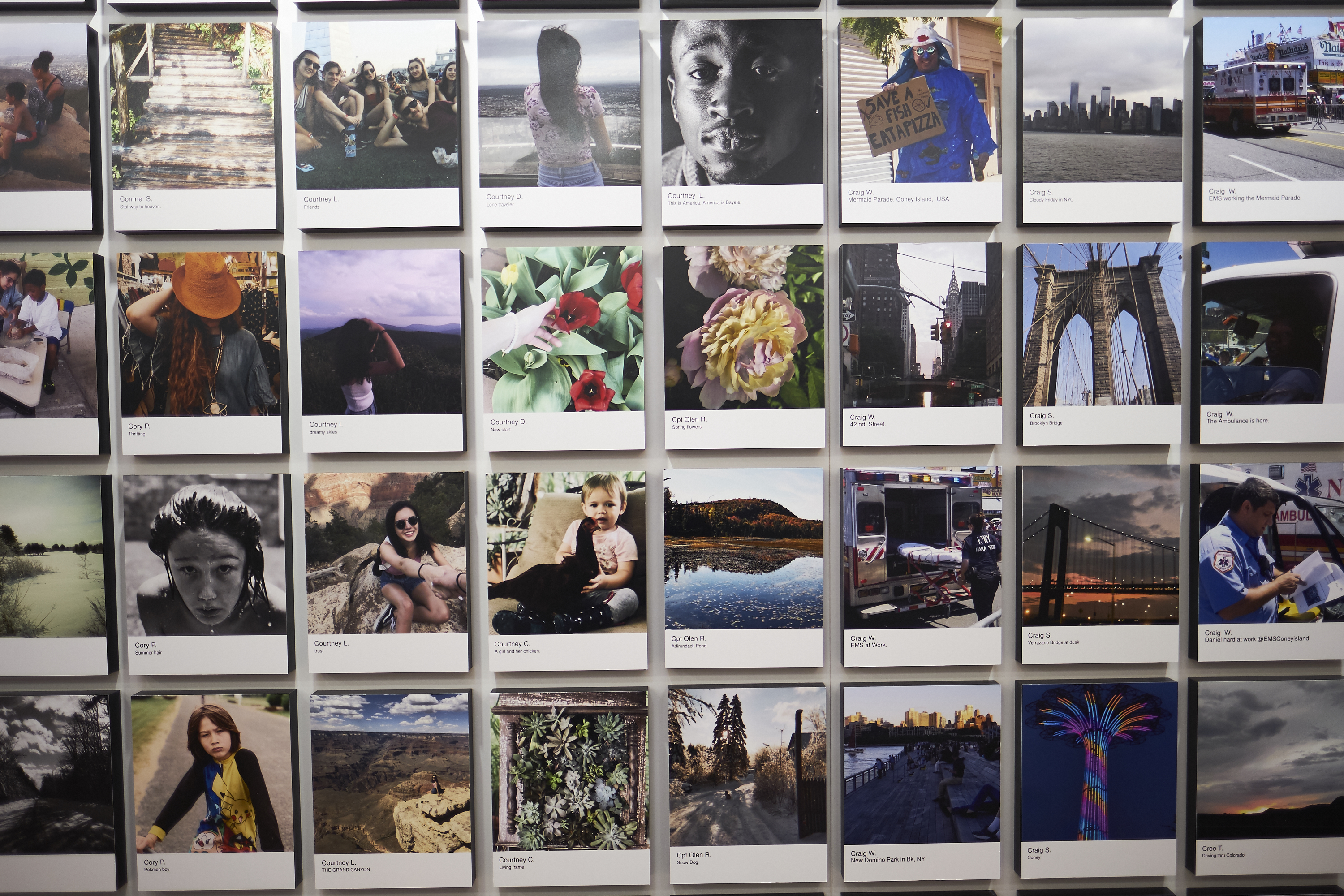
Since the boom of artificial intelligence, we have been wondering about the future of photography: Will it serve the same purpose, or will it lose its meaning? As it turns out, photography is now gaining momentum in art spheres, which was very unlikely in the past. This finding was revealed in a new report by The New York Times, highlighting that photography is now in the “renaissance” period. But will this be enough for photography to bask in the glorious sun?
What Does The Report State?
The article reveals the new trends in the photography market. While the medium has evolved significantly since the mid-1990s in the art world, it has still faced a slump for the past few decades. For instance, Cindy Sherman’s “Untitled Film Stills” gathered over $1 million when MoMA acquired it in 1995. However, with the passage of time, the same piece sold for much less.

However, thanks to smartphones, photography is now more accessible, resulting in a new interest in the medium. Initially focusing on paintings or sculptures, Galleries are not thinking of expanding their space to accommodate photographs. One key reason for this is that collectors find photographs more affordable than paintings, which leads them to buy larger collections. Furthermore, with economic recessions and turmoil, with sales in general in a slump for art, many galleries broaden their horizons, giving images a try.
AI images have made prints “rare specimens” that many admire for their craftsmanship and the creator’s keen eye for composition. There is also a renewed interest in images created on analog cameras or lensless photography. This trend can also be seen in the way many youngsters prefer to buy film cameras. Furthermore, with many from the newer generation keen on working with archives, this has resulted in a positive outlook for the medium. However, there is also the fear of photography losing this momentum due to the lack of veracity in an AI world.
How Do We Support Photography?
At a time like this, it becomes increasingly crucial to keep the velocity going. For that, we must do a few things to ensure photography continues to have the same stature in society as it has now. An example of this is collaborating with museums, universities, and other institutions to promote photography exhibits, educational programs, and lectures. This step should help change how we see the medium early on. Furthermore, the same education should be imparted to collectors who control the art business. Photographs are, in myriad ways, just as much a part of the art world as any other medium.

Sharing the medium’s history and depicting the works of artists who were critical for the advancement of the medium should also be helpful. For instance, recently, Leica sold Nan Goldin’s image for 66,000 euros, and in the past, the auctions fetched close to a million. There are also more exhibitions on the works of Robert Frank, Irving Penn, and Richard Avedon, amongst others. This proves that archival works can be used as a base to introduce collectors to photography. Furthermore, it can help to propel younger artists, many of whom work with different techniques, to depict how far the medium has come. In doing so, collectors may realize what they see on their smartphones is not even close to what the medium can achieve.
Lastly, there must be a way to decentralize the way AI works to steal the integrity of photography. For instance, politicians and influencers have been using AI images to get the attention of the masses. Although it helped to promote photography in the art world, it also damaged its reputation. Having flimsy guardrails such as tags is not really an option, as these images are a part of WhatsApp forwards. So, when a general person sees a photograph, they will continue to compare it, making the medium lose its essence. What we need is a complete ban. It’s a Catch-22, as AI helped the medium gain recognition this year. But it is a risk, too. Better to not have AI than to struggle later to undo the harm it did.
Get rid of the ads!
Did you enjoy reading this article as much as we enjoyed writing it? There's a way to support us and our reporting, getting ad-free navigation and more as a bonus. Subscribe to us for less than a coffee per month —just $3.99— or take advantage of our yearly subscription with a hefty discount for only $25.- An ad-free experience
- A free mystery box for Lightroom or Capture One
- All the books in our store
- 20% discount on Capture One
- 30% discount on Imalume Photo Theft Protection
- 20% off Herbs and Kettle Tea Company.
- 20% off your order from MPIX printing services.