

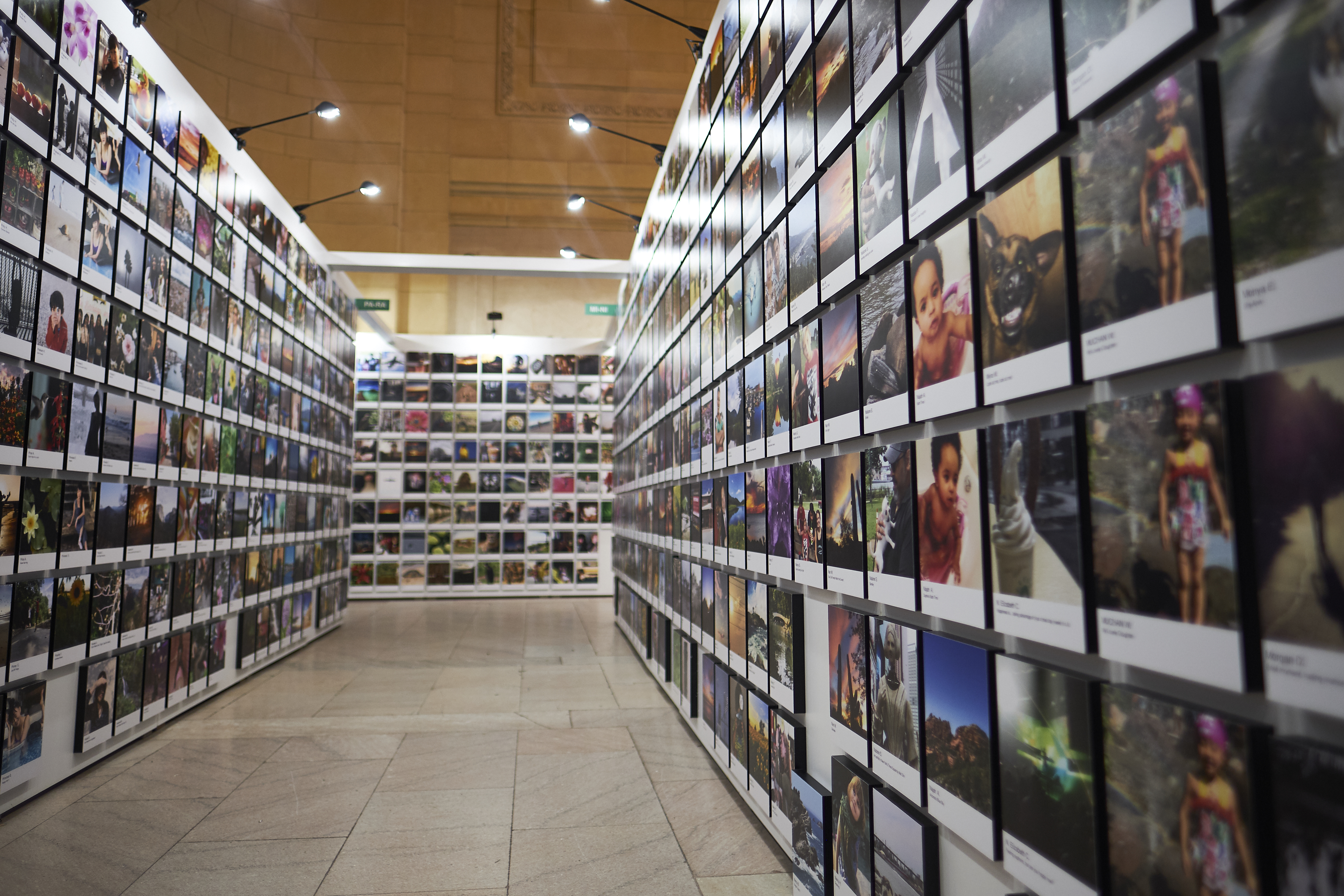
Photography is often considered the lesser-loved sibling of the arts. The genre has often fought hard to be taken seriously amongst other age-old art forms such as painting, music, and dance. In more recent years, since its inception two centuries ago, photography seems to be losing its luster, or that is what we thought. While democratization has surely helped the camera reach millions, it hasn’t taken away the charm of the art. I am not saying it sounds positive, but a new report reveals an interesting story about the photography market, especially in the art market.
A new report from ArtTactic, a London-based art market research firm, reveals that photography seems to be doing fairly well. In 2023, auction houses like Christie’s, Sotheby’s, and Phillips noticed a 16% decline in photography sales. However, the overall decline was close to 27%. If you wonder how this is positive, then just hold on. The report notes that the number of images sold has reached the highest level since 2015, when ArtTactic began tracking. To translate, the photography market is gaining momentum amongst other art forms.
The Development of The Photography Market
There are a few developments that you should know about. For instance, the sale of high-profile images highlights the cost of an image at auction. For instance, the report states that Peter Hujar’s self-portrait was sold for a whopping $252,000, a new personal record for the photographer. Similarly, Irving Penn’s picture, The Hand of Miles Davis, New York, July 1 (1986), was sold for $302,400. This number surpassed the estimate set by the auction house of $100,000–$150,000. Similarly, Diane Arbus’ iconic image of identical twins received $1.2 million, a new personal feat for the artist.
Another positive note at Phillips was that 90% of the photographs were sold within or above their estimated price ranges. Francesca Woodman’s work was sold for $63,500, while the estimate was between $7,000 and $9,000. Similarly, Cindy Sherman’s photograph was purchased at $190,500, closer to the estimated $150,000–$250,000 range. Alec Soth‘s image, in fact, set a new record at the auction, fetching $152,400, crushing the estimate of $50,000–$70,000.
While we spoke about the big-league artists, the report also highlights the scope for emerging talent. ArtTactic states that the photography market is rising at a lower price bracket. For instance, images selling under $5,000 increased by 36% from 2022 to 2023, while the surge hit an all-time high of 200% since 2019.
What Should Be Done To Keep This Momentum Going
Photography isn’t dead despite the AI boom. However, to ensure that the photography market remains the same or improves, there are a few things we have to do collectively.
Here is what photographers can do:
- Photographers must continue work that matters: A photography market is nothing without its crux: the images. As a result, artists need to persist in making important visual narratives. As seen above, each photographer followed their passion despite failures, and so their legacy lives on.
- Build a sturdy brand image: AI is everywhere, so you must employ marketing tactics for an image to sell. This means your name is your brand as a photographer. So, an Irving Penn or a Henri Cartier-Bresson image will sell considerably because of the artist’s name and what it means to the buyer.
- Network: The art market is very competitive, with photography being only a small part of the whole. As a result, you must continue to move forward by making connections. Reaching out to art galleries and art dealers or simply letting them know your work can go a long way. Once you create a standout brand image, your networks will help you to reach important auctions.

What others must do:
- Educating about photography: It means disseminating knowledge about the medium to the masses. Often, people see subpar work on social media and consider it to be the best photography has to offer. As a result, we must teach photography early on to shape people’s perspective of how art is crucial to our society.
- Photography needs to be promoted as art: Like painting and music, which are considered high art, photography, too, should receive the same degree of representation. Painting is far more difficult to produce, but making a good photograph is equally challenging. It requires technical knowledge as well as talent. So, why must it be lesser than other arts?
- Curators need to support emerging talent and diversity: Photography is diverse, with individuals from varied races, classes, and nationalities participating in it. Thus, it is important that they are represented, too. Diversity will help shape the medium during the photography market and propel it to new heights. Similarly, new voices and emerging talent can change the trajectory of the medium.
- New platforms: Most art fairs prefer painting over photographs as they are more expensive and offer lucrative gallery deals. For this reason, new platforms dedicated to photography can cut through the noise while promoting a distinct range of artists. For instance, platforms such as Photofairs New York, Paris Photo, and Photo Basel are achieving this feat. However, a larger number is still needed.
- Photography needs a great push from galleries and art fairs: More prominent museums and art fairs, such as MoMa, Art Basel, and Frieze, are some spaces that must promote photography. Such locations and events reach the masses faster; thus, they hold power over what society sees and learns. For this reason, more and more art spaces need to make photography a part of the agenda, especially in changing the audience’s perspective.
The photography market has a plethora of talent, with many photographers producing stellar work each year. However, what it needs is a better push in the right direction. It may not dominate the high art, but it surely can portray the world as it is.
Get rid of the ads!
Did you enjoy reading this article as much as we enjoyed writing it? There's a way to support us and our reporting, getting ad-free navigation and more as a bonus. Subscribe to us for less than a coffee per month —just $3.99— or take advantage of our yearly subscription with a hefty discount for only $25.- An ad-free experience
- A free mystery box for Lightroom or Capture One
- All the books in our store
- 20% discount on Capture One
- 30% discount on Imalume Photo Theft Protection
- 20% off Herbs and Kettle Tea Company.
- 20% off your order from MPIX printing services.
- 5% off Viltrox Products via their eCommerce store.
- 10% off all film developing, printing and scanning services from Blue Moon Camera and Machine
- 15% off 7Artisans products: The lens and accessory maker is offering a sweet discount for Phoblographer's readers.
- 15% off a VSCO One subscription: Get a bunch of great tools with their all-in-one package.