

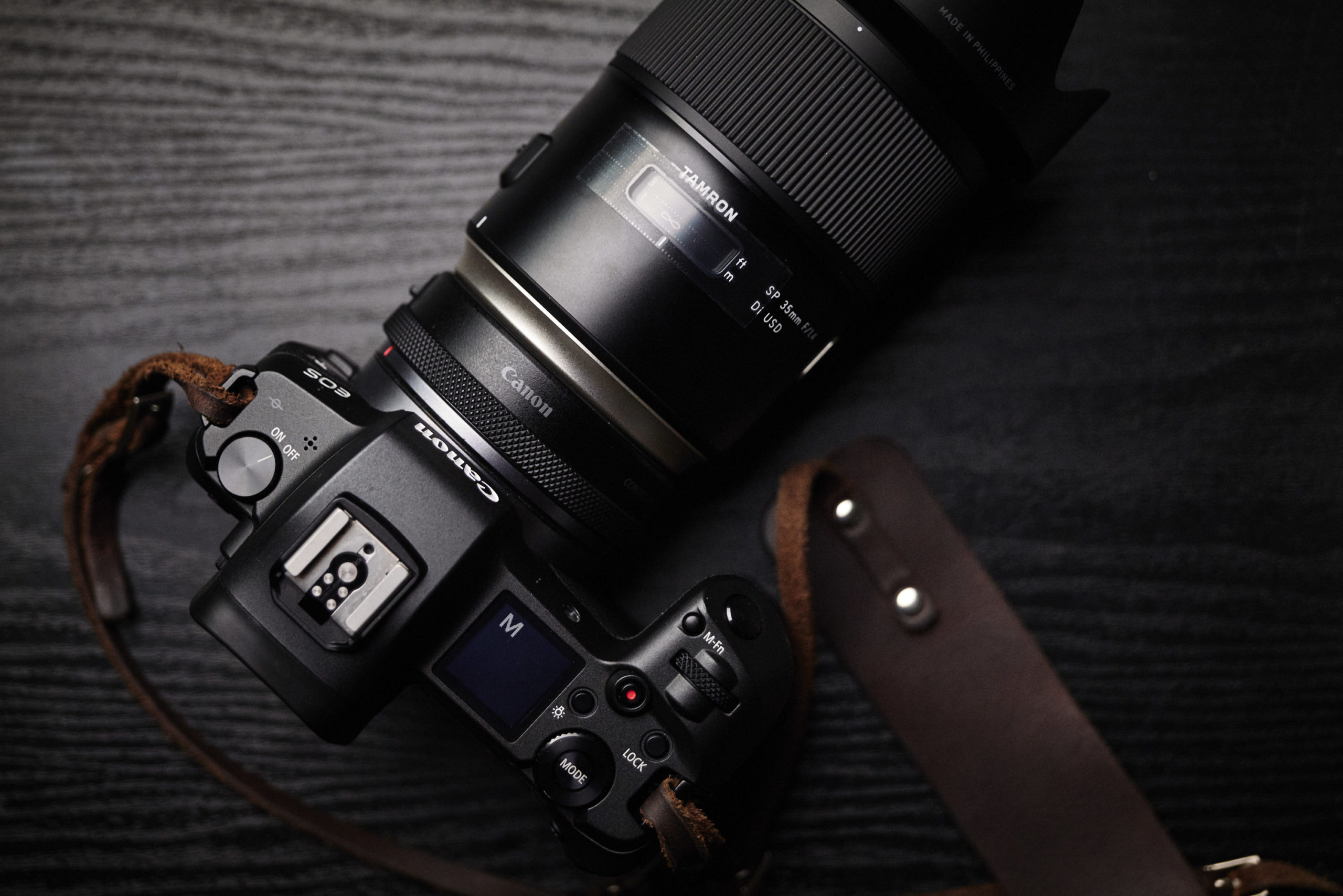
In the later part of 2019, a lens came that none of us really expected. At the time, DSLRs were being phased out, if not already. In fact, the Phoblographer adopted a policy that we wouldn’t be reviewing DSLRs anymore. So when DSLR lenses were pitched to us for review, we adapted them to mirrorless cameras. Nearly five years have come and passed since we used that lens, but every time a DSLR struts into our minds, we think of the Tamron 35mm f1.4. This was a lens that time forgot because it was released at perhaps the most inopportune time ever. But honestly, it was probably the best lens for a DSLR that we reviewed.
It’s hard to really think back on it and realize that this was “the lens” that got away. I mean, it was good. It was better than good — this lens would’ve made every single camera manufacturer quiver with fear and put up a facade that they could do something better. But since then, no one really has.
As if it were a vivid dream, I remember using this lens on the Canon EOS R and just shooting away with it. Perhaps more than anything else, this felt like the first 35mm lens I could use that didn’t get in the way of making a great photograph. After the first few times my camera’s shutter slapped down, I marveled at the masterpieces that we made together. This lens could truly help me just make great images.
When it came to reviewing the lens, I felt that it was the first one that I could be creative with. I incorporated fun features from the camera, like multiple exposure mode. Of course, I say that as an experienced photographer with my own creative vision. At the time, we had to state things like “it lacks image stabilization.” The truth is, this wasn’t a problem. Cameras often had it, and if they didn’t, there are ways to compensate. We proved this in an old episode of our Pro Camera Reviews show. The truth is, with practice, you become better. It’s why Phoblographer’s reviews staff are required to handhold a camera lens for longer than a second and get a blur-free photo.
And otherwise, there wasn’t much else to say. Technology had become so good overall that it was pretty much impossible to make a bad photograph. In turn, we just needed to focus on creativity as photographers instead.
This lens was the peak DSLR option — but it never came to the mirrorless world. I had heard rumors that Tamron had shopped this lens around to various camera brands, who all rejected it. In case you aren’t aware, Tamron makes the lenses of many camera brands overall.
The Tamron 35mm f1.4 goes for a pretty great price these days on Amazon. Would we buy it today? If you shoot a DSLR, then yes. But I wouldn’t adapt it to a camera.
Of course, we’re talking about gear in this article. But not once are we talking about pixels, sharpness, etc. Instead, we’re talking about how an artist’s tool didn’t get in the way of you making art. And more importantly, it helped us achieve our creative vision far better than other lenses could do at the time.
Get rid of the ads!
Did you enjoy reading this article as much as we enjoyed writing it? There's a way to support us and our reporting, getting ad-free navigation and more as a bonus. Subscribe to us for less than a coffee per month —just $3.99— or take advantage of our yearly subscription with a hefty discount for only $25.- An ad-free experience
- A free mystery box for Lightroom or Capture One
- All the books in our store
- 20% discount on Capture One
- 30% discount on Imalume Photo Theft Protection
- 20% off Herbs and Kettle Tea Company.
- 20% off your order from MPIX printing services.
- 5% off Viltrox Products via their eCommerce store.
- 10% off all film developing, printing and scanning services from Blue Moon Camera and Machine
- 15% off 7Artisans products: The lens and accessory maker is offering a sweet discount for Phoblographer's readers.