

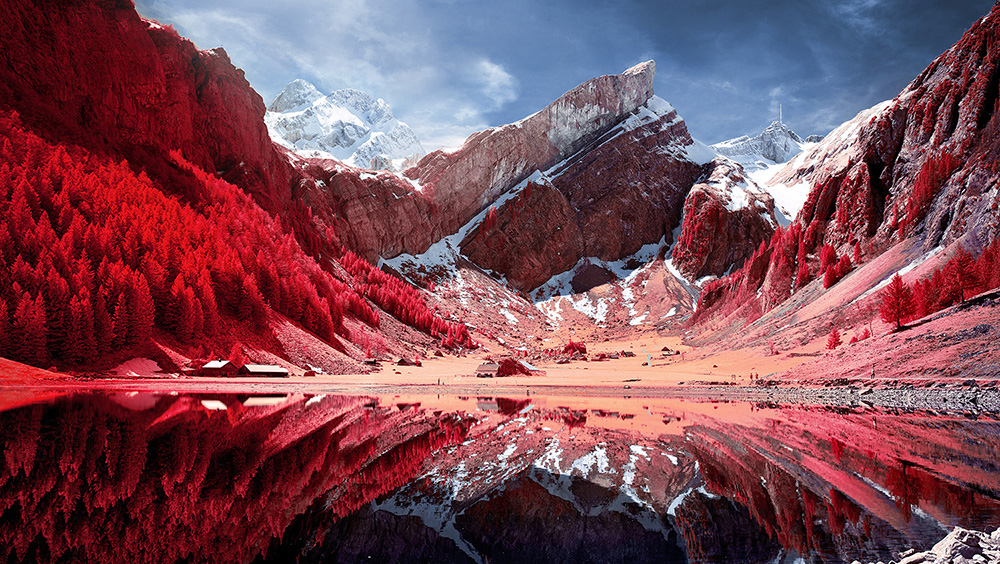
All images by Zak van Biljon. Used with permission.
You wouldn’t necessarily believe it, but photographer Zak van Biljon got bit by the photo bug after using a disposable camera. From the work he produces, you’d think he dove right into medium and large format from the start; but that couldn’t be further from the truth.
He hails from South African, and calls Red Turf his homeland–at least you can tell this from his images shot with Kodak Aerochrome. In 2003 he graduated as best student at the National College of Photography.
In 2004 he left the country and emigrated to Europe. It was in Rome where he discovered another sunlight, and in London where he scored himself on top of booking lists for prestigious underground labels. He continued his career as a part-time commercial photographer in Zurich, Switzerland, exerting his mastery in his fine art projects.
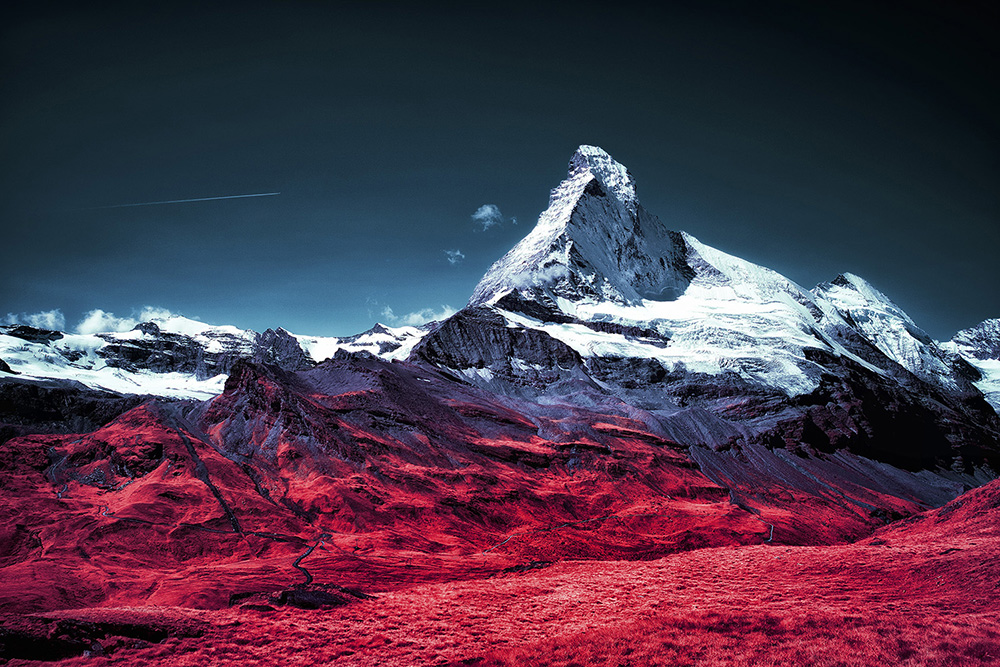
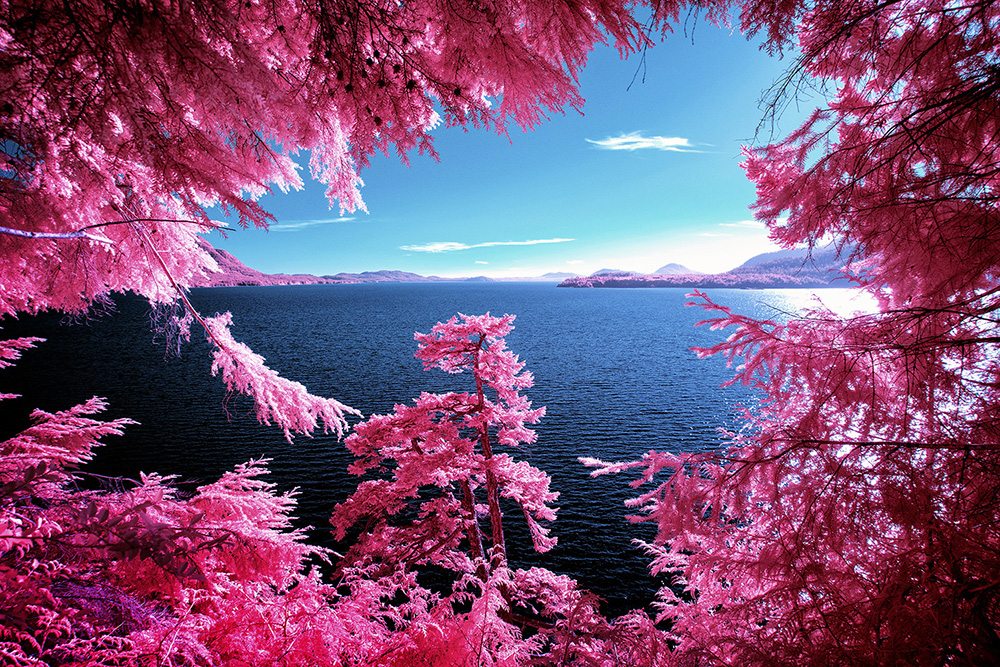
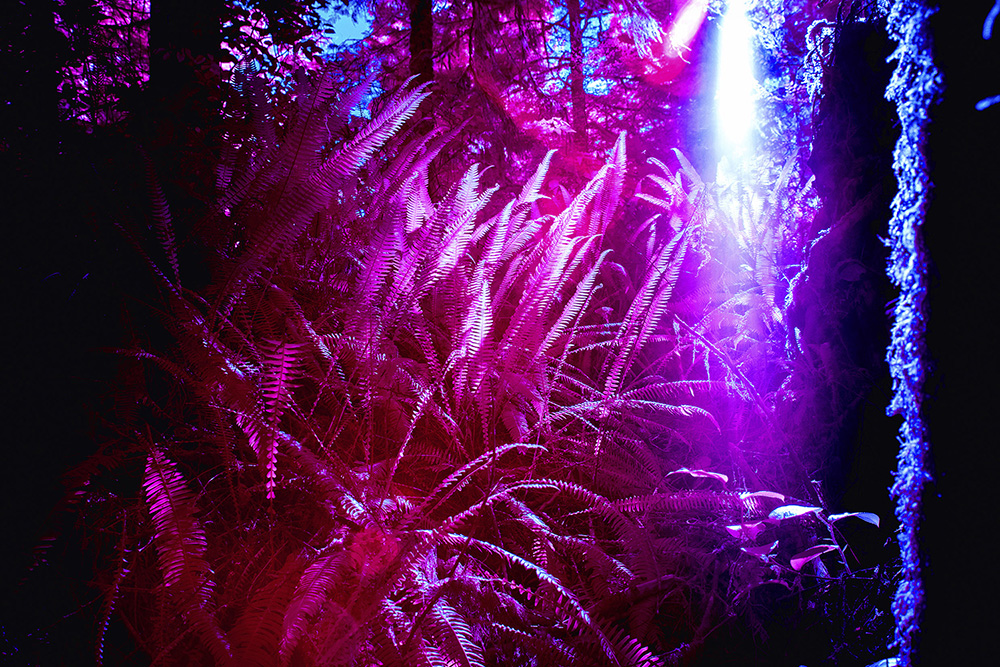
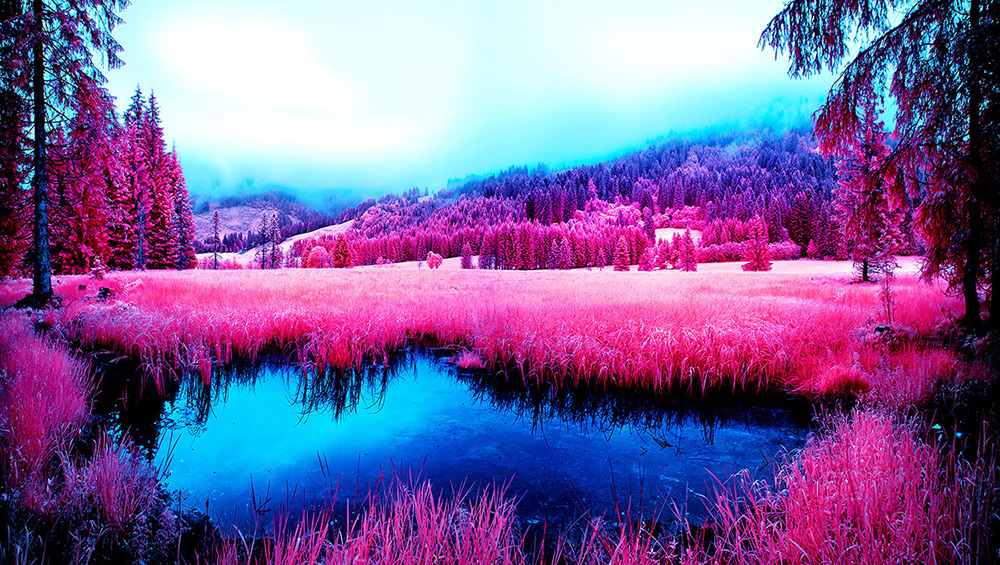
His work ranges from digital to analog, with skills in contemporary advertising and modern art photography. His main focus is the directorial handling of light as shown in his recent art work, capturing the world in infrared. The world seen in red and pink colours provides a new and impressive insight to reality as we know it.
Phoblographer: Talk to us about how you got into photography.

There I took my first shots and was hooked. The year after, in 1999, I got my dad’s F3.
Phoblographer: What made you want to get into analog photography?
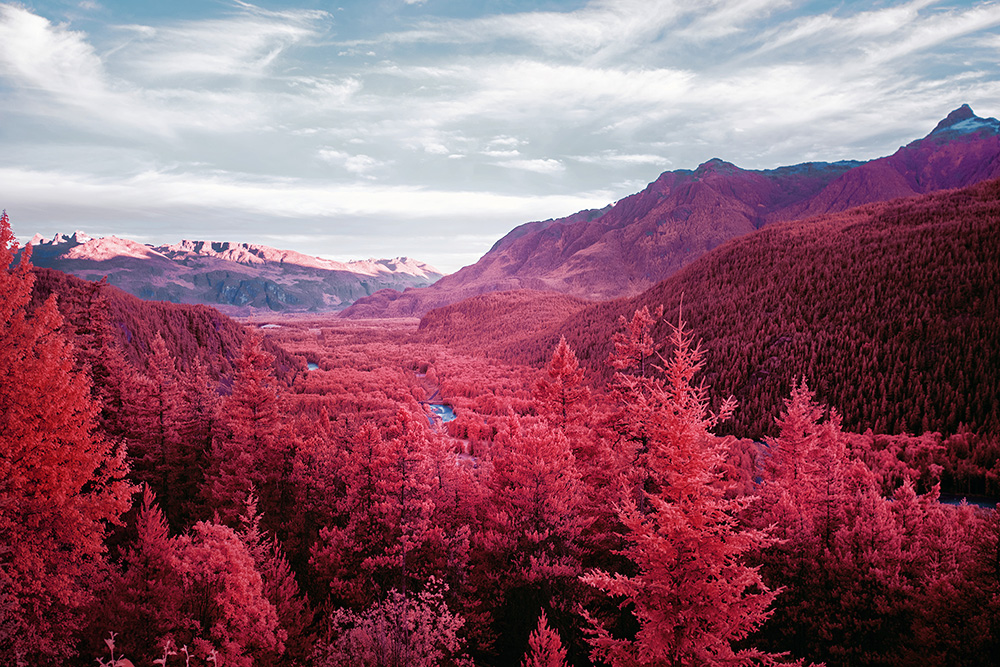
Shooting film is almost extinct and costs a fortune, which makes you double check, even triple check, if all is set up correctly. I love this precision and hands on experience with analog.
Phoblographer: Why Kodak Aerochrome? What does it do for you that other Infrared films don’t besides the green to pink?

Phoblographer: When you go about creating your photos, how does your mindset shift vs working with standard film? Do you just go about composing and capturing scenes as normal but the technical side changes?

Phoblographer: Do different plants and greenery react differently?
Zak: It all depends on the health of the plants. The pigment in plant leaves, chlorophyll, strongly absorbs visible light for use in photosynthesis. The cell structure of the leaves, on the other hand, strongly reflects near-infrared light. So a dying plant reflects less than a healthy plant.
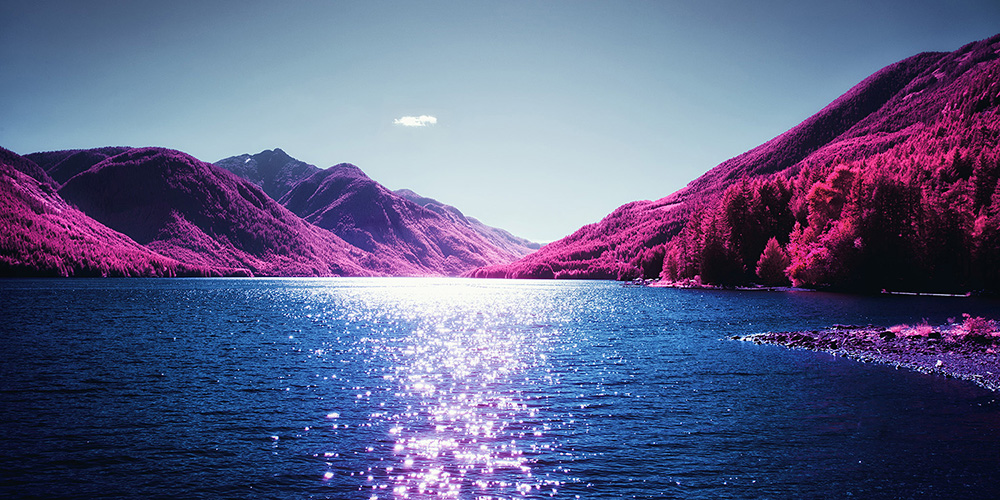
Phoblographer: How does lighting play a part in how you create the images? Obviously, you’re not white balancing to daylight here.
Zak: In general it has to be bright, but not always direct sunlight.
Phoblographer: Talk to us about the gear that you use? Do you use Graduated filters at all or other methods to create the images?

Phoblographer: Have you ever worked with the film expired? What’s it like?
Zak: At the moment it’s all expired, as long as its been taken care of, it’s not a problem. I travel with a small fridge or cooler bags when I go shoot to keep the film fresh.

Get rid of the ads!
Did you enjoy reading this article as much as we enjoyed writing it? There's a way to support us and our reporting, getting ad-free navigation and more as a bonus. Subscribe to us for less than a coffee per month —just $3.99— or take advantage of our yearly subscription with a hefty discount for only $25.- An ad-free experience
- A free mystery box for Lightroom or Capture One
- All the books in our store
- 20% discount on Capture One
- 30% discount on Imalume Photo Theft Protection
- 20% off Herbs and Kettle Tea Company.
- 20% off your order from MPIX printing services.
- 5% off Viltrox Products via their eCommerce store.
- 10% off all film developing, printing and scanning services from Blue Moon Camera and Machine
- 15% off 7Artisans products: The lens and accessory maker is offering a sweet discount for Phoblographer's readers.
- 15% off a VSCO One subscription: Get a bunch of great tools with their all-in-one package.