Useful Photography Tip #25: Quick Tips For Manually Focusing on A Photo Walk

by Gevon Servo on 05/10/2012

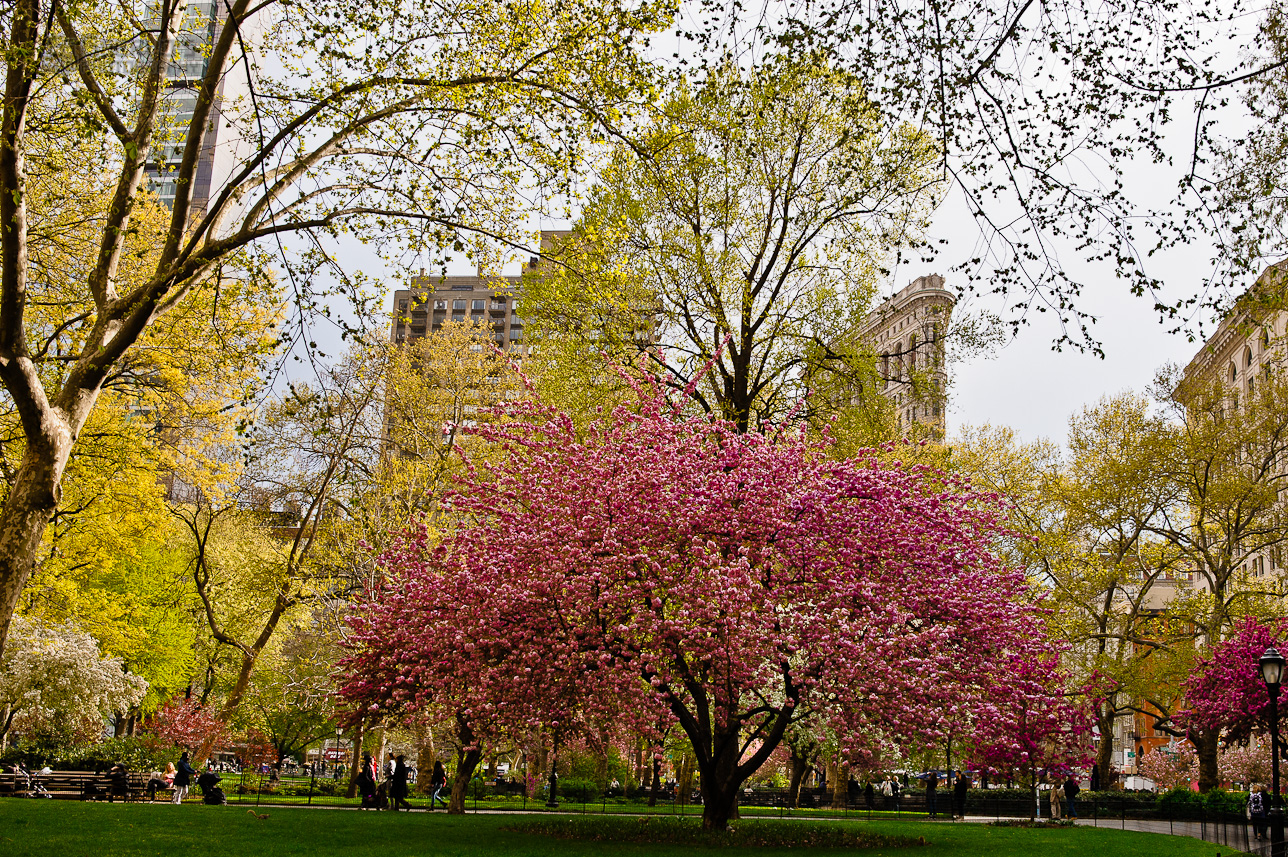
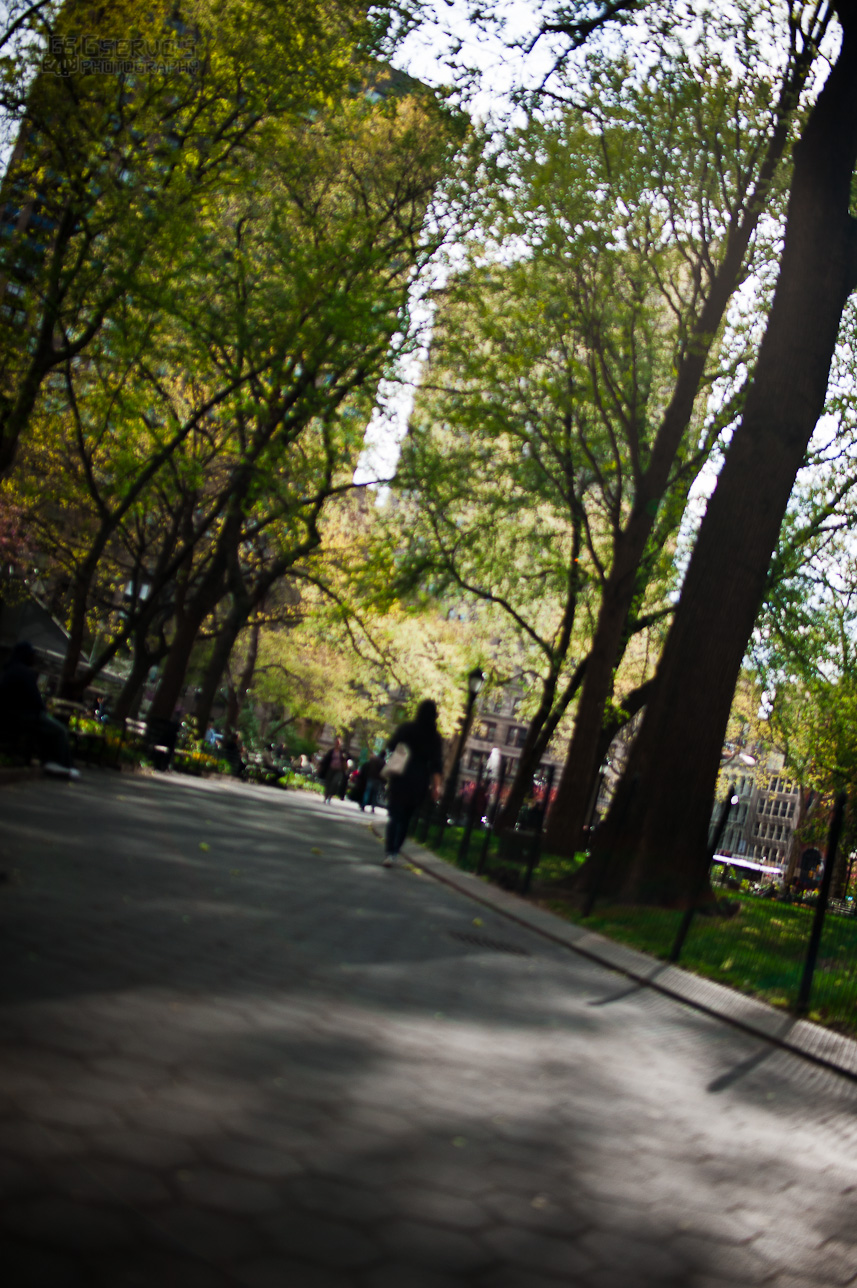
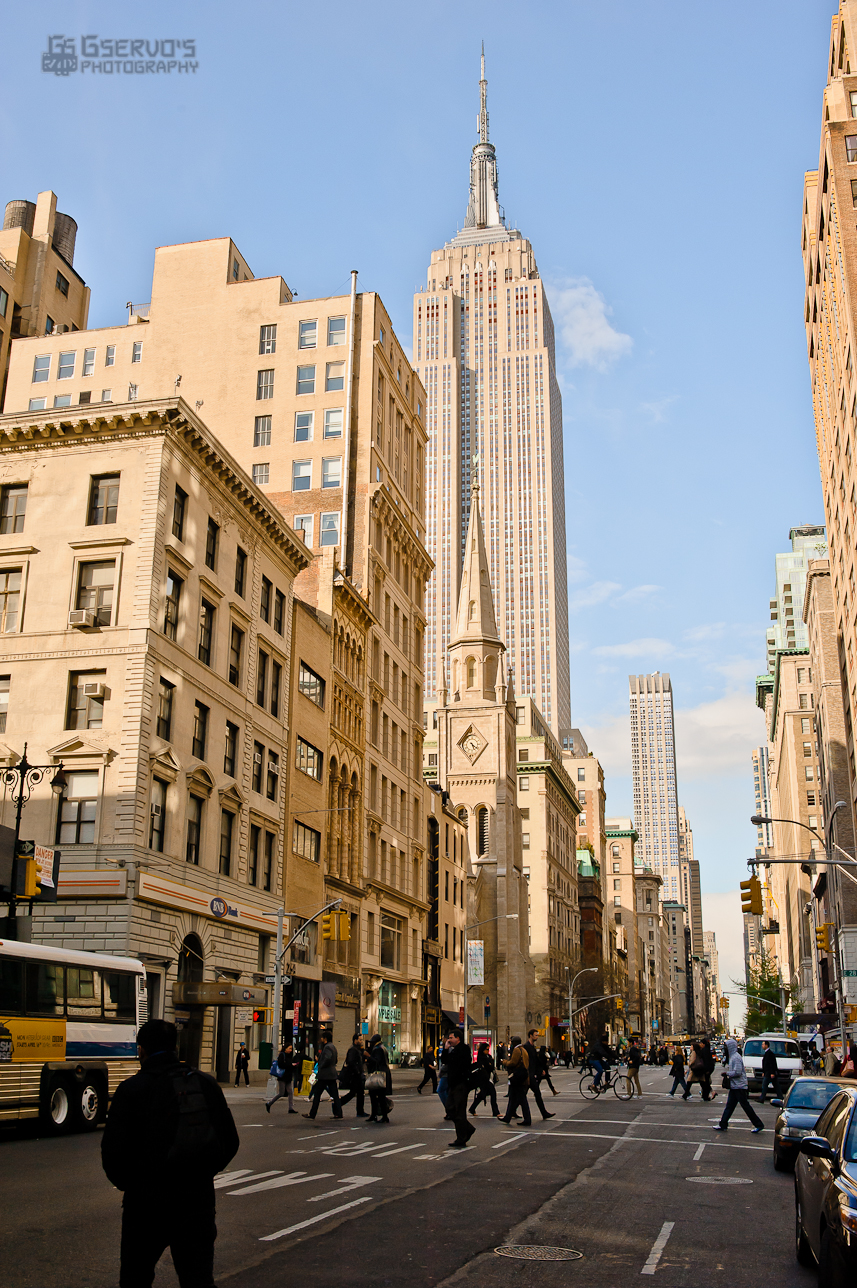
While testing the Rokinon 35mm f1.4 and picking up the Lomo Lubitel 166+ for review, I went on a photo walk though NYC. It was something new for me, a photo walk with a purely manual focus lens. It is a totally different  style of photographic Kung Fu. It really makes you appreciate auto focus. It’s a different way of seeing, which leads to real changes in how you shoot.

Gear
Special gear is not needed. Most lenses have manual focus rings. It is up to you to decide what you are going to use. When manually focusing, you want to have a comfortable focus ring. If you can easily grip and move it, the lens will work out well. Most DSLRs, mirror-less cameras, and even some point and shoots have the ability to switch over to manual focus. If you want a completely manual lens there are plenty of choices available from companies like Rokinon ,Vivitar and Zeiss. There are plenty of used and vintage lenses available also.


 Speed
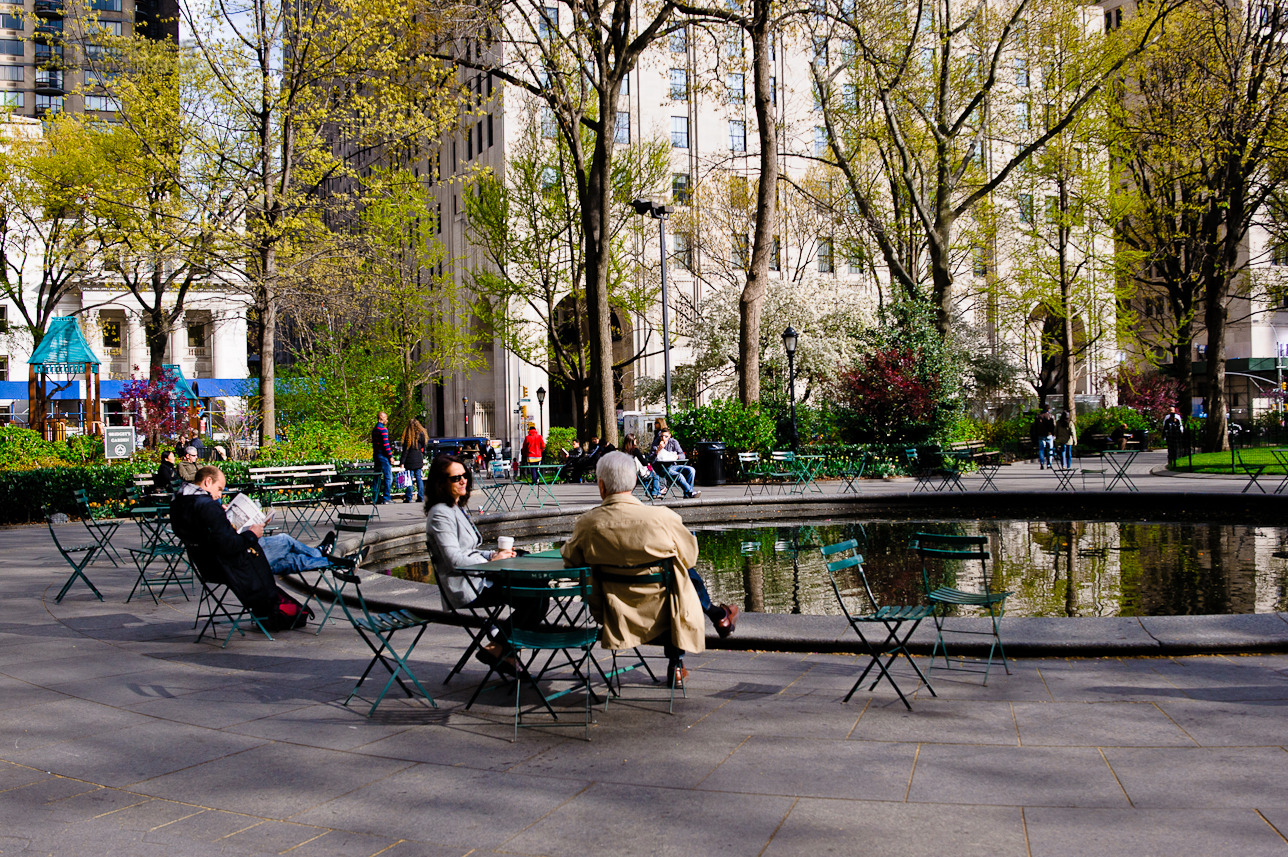
This has to be thought about in a different way while manually focusing and shooting street photography. Less is more. For any decent type of speed, you need practice and an understanding of depth of field. Pick a focus point and stick with it; compose your shot by moving the camera. You basically rely on the technology less.

Focusing
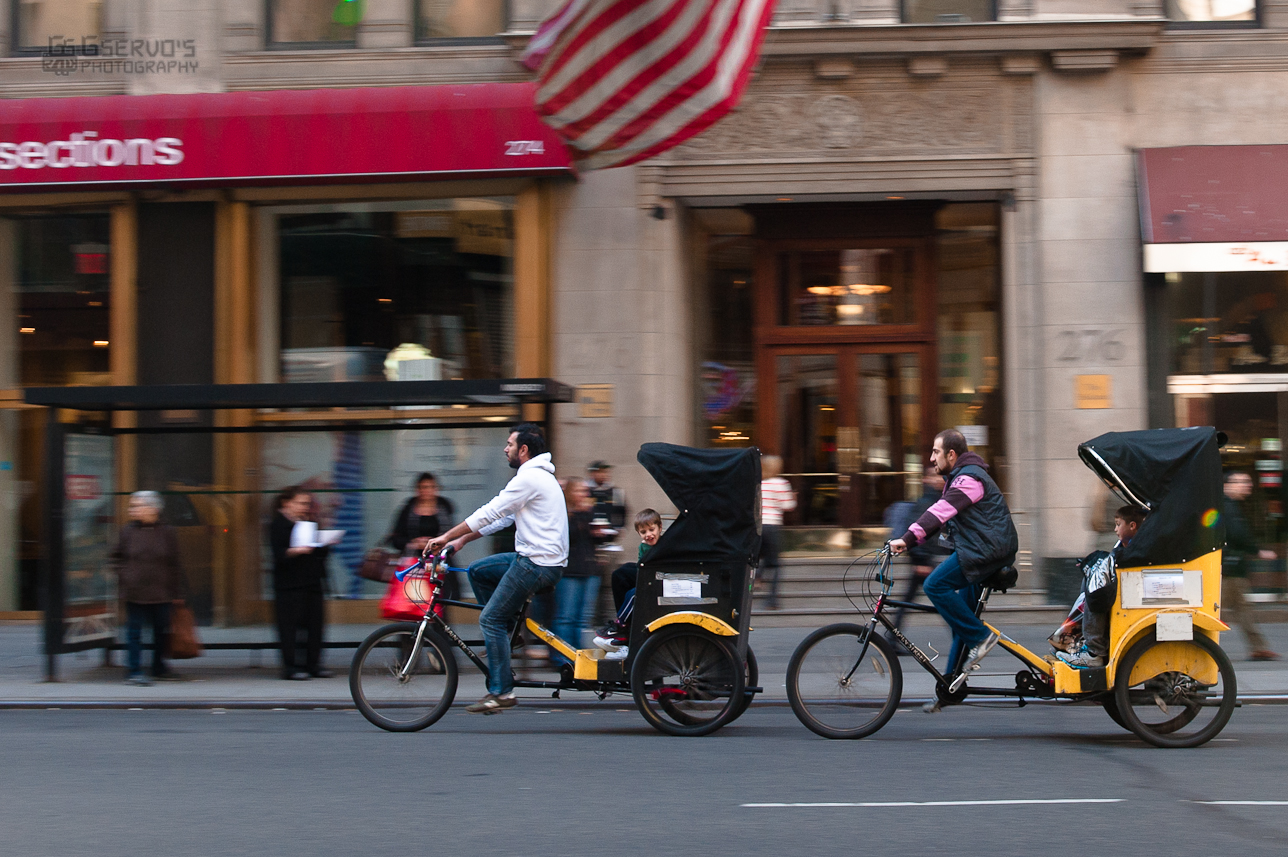
You almost have to become a ninja. This is something that needs a bit of practice. When photo walking, I normally rely on the auto focus to quickly get the  shot. However when manually focusing, you have to be willing to miss the shot if you are not fast enough and move on to the next.

Missing the Shot

You are going to miss moments, it happens.  Nevertheless you can minimizes losses adjusting how you think. You have to prejudge things. You cannot think about what’s happening now. You have to obligate yourself to think, “what is going to happen.” This gives you a moment to breathe and focus.


Think about where you are shooting
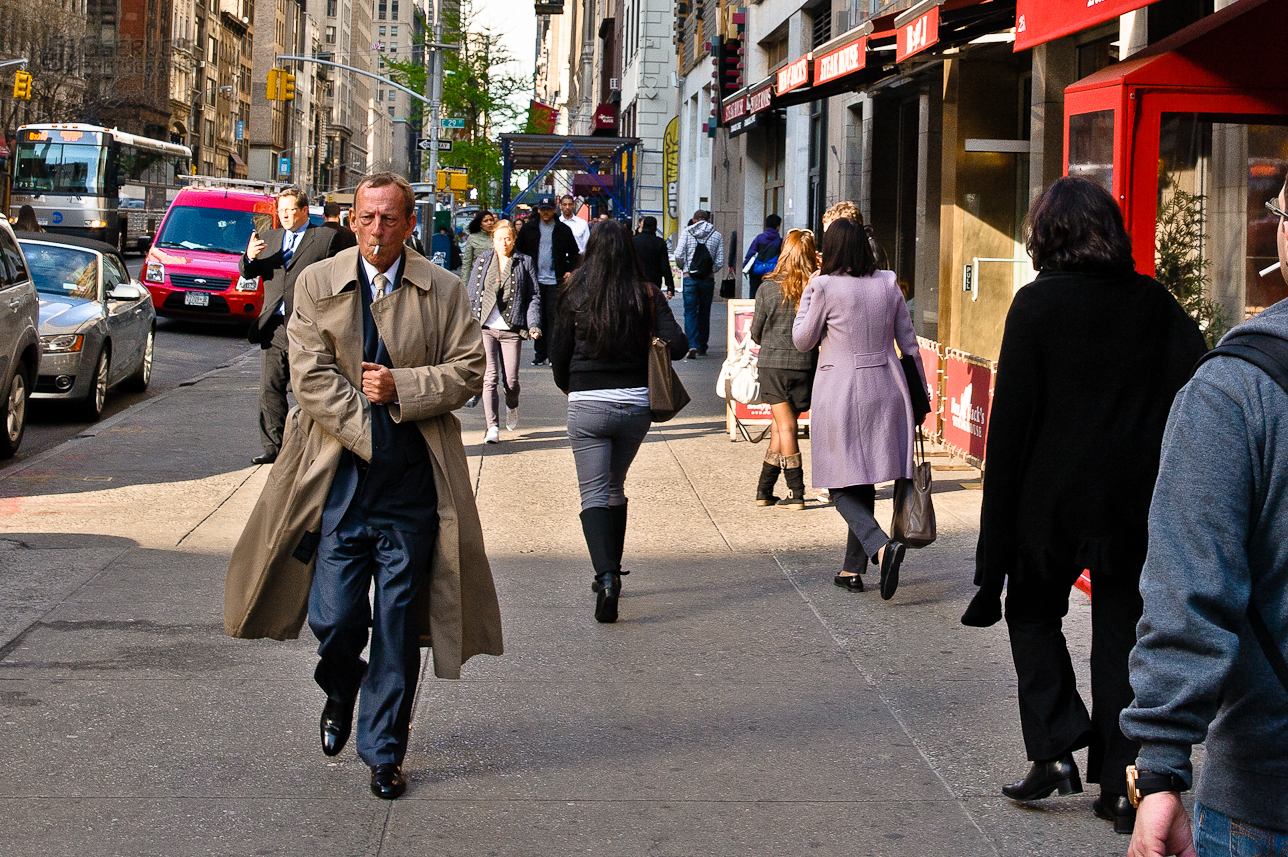
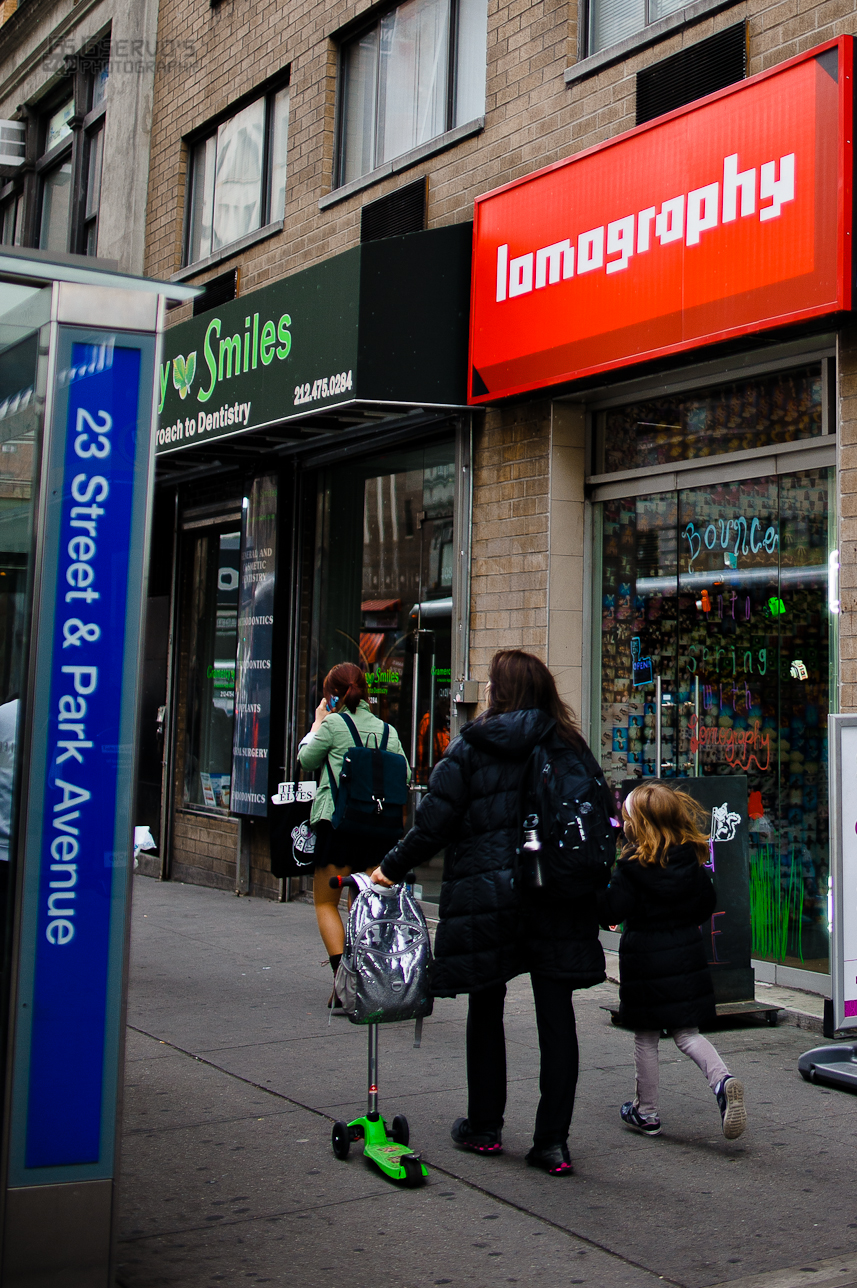
You want to shoot in open spaces if it helps you see things better. In a high capacity area, you do not have time to think. Unless you are a focusing ninja, you need mobility. You have to be able to easily move and see your subject. In a city like New York, where I was shooting, that was hard at times and I did miss some cool shots. Conversely, through spacing, I was able to get shots I would of missed if just focused on what was right in front of me .
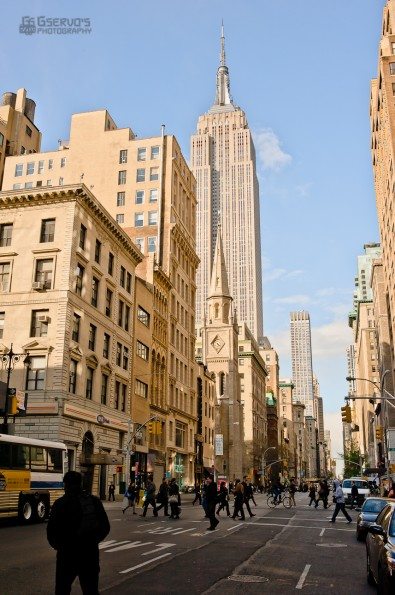
In the end

If you have a moment, go out and turn off your auto focus. Take a chance. Yes, it will feel uneasy at first. You do not really need special lenses for this. When you focus manually, a little more of ‘you’ will be in the image. Coincidentally, you will appreciate all the technology at your disposal just a little bit more.


Please Support The Phoblographer

We love to bring you guys the latest and greatest news and gear related stuff. However, we can’t keep doing that unless we have your continued support. If you would like to purchase any of the items mentioned, please do so by clicking our links first and then purchasing the items as we then get a small portion of the sale to help run the website.


  • Peter

    I think it’s also goo to know at what point / distance away your lens will focus at infinity :)

    • ChrisGampat

      Very true.

      -Chris Gampat
      Editor in Chief
      ThePhoblographer.com

  • http://www.facebook.com/profile.php?id=8802537 Geoff Yen

    I’m hoping Fuji adjusts the ratios on their MF rings for the X-Pro 1, because I’m pretty sure I’m not going to be a focusing ninja going manual on that thing :P

  • SpoorthyVemula

    great shots

    • http://twitter.com/gservo G

       Thank you

  • Michael Rasmussen

    The two big mechanical things I learned street shooting with an OM-1:

    Between full sun and open shade click down two stops. Walking down city streets do that double click when moving between shade and sun.  This was greatly helped by Olympus putting the aperature ring on the end of the lens. 

    Shooting at f/11, I practiced how much of a twist on the focus ring took the 28mm lens from “hyperfocaled for infinity” to “better focus for something three to five feet away.”  You practice that twist and you’ll be able to get good focus with a little twitch, without looking and be ready for a shot before you even decide to take it. It really helps if you can do the focus shift with a single finger. 

    1/125th is fine for stopping most human motion and is plenty quick for hand holding a short lens.  Combine that with fast film (or high ISO digital) and you get get lots of depth of field.  

    Gotta say, lenses without depth of field indicators are a disappointment.  Focusing by the indicator on the barrel and an estimate to the distance of the subject was great for being discrete. 

    End of soapbox…

    • http://twitter.com/gservo G

       Thanks

  • CGW

    Ever shoot a Leica M series film camera? Any manual focus camera? Pre-focusing( HC-B’s trick)and using MF lenses with their better focus “feel” help, too. People seem to have a love-hate thing for the  Sony NEX’s focus peaking based largely on their experience(or lack of) with manual focus lenses.

    • http://twitter.com/gservo G

       the only all manual camera i have shot with is the Lubitel

    • http://www.facebook.com/ZebraBriefs Quyen Ba

      I hate the focus peaking! It is very inaccurate and gives some false readings. The zoom magnification is much better, but it is a slow process and takes too many button presses.

  • Pingback: Useful Photography Tip #25: Quick Tips For Manually Focusing on A Photo Walk Via The Phoblographer | Deculture Edition GServo

  • Feroz

    Great article and tips. Although I think you meant to say ‘would have’ and not ‘would of’

  • alex

    I was expecting more. More tips and technical advices rather than generic “turn off your auto focus”.
    Vague and poorly written imho

  • http://www.facebook.com/ZebraBriefs Quyen Ba

    How do you manually focus full frame M-mount lenses by zone focus markings on the camera, for a non-full frame camera? Such as APSC mirrorless or m43′s? For example if a 24mm lenses at F4 aperture is in focus by the markings on the lenses of focus point of 5 feet away, is a zone of 3 feet to 10 feet on a fullframe leica M9, what will be the zone of in-focused range for a APSC? And what will be the range for a Micro43?

  • Pingback: Article: Useful Photography Tip #25: Quick Tips For Manually Focusing on A Photo Walk « Howard Photography

  • Rstark

    I occasionally use my Canon F1 with a 50 mm 1.4 FD lens. Not only do you have to count on focussing
    skill, you also have to wait until the film is developed.

  • http://twitter.com/TheresaZphotoz Theresa Z.

    Terrific article and tips. The pictures are fantastic, I especially like the last one, the tones are beautiful.

Previous post:

Next post: