

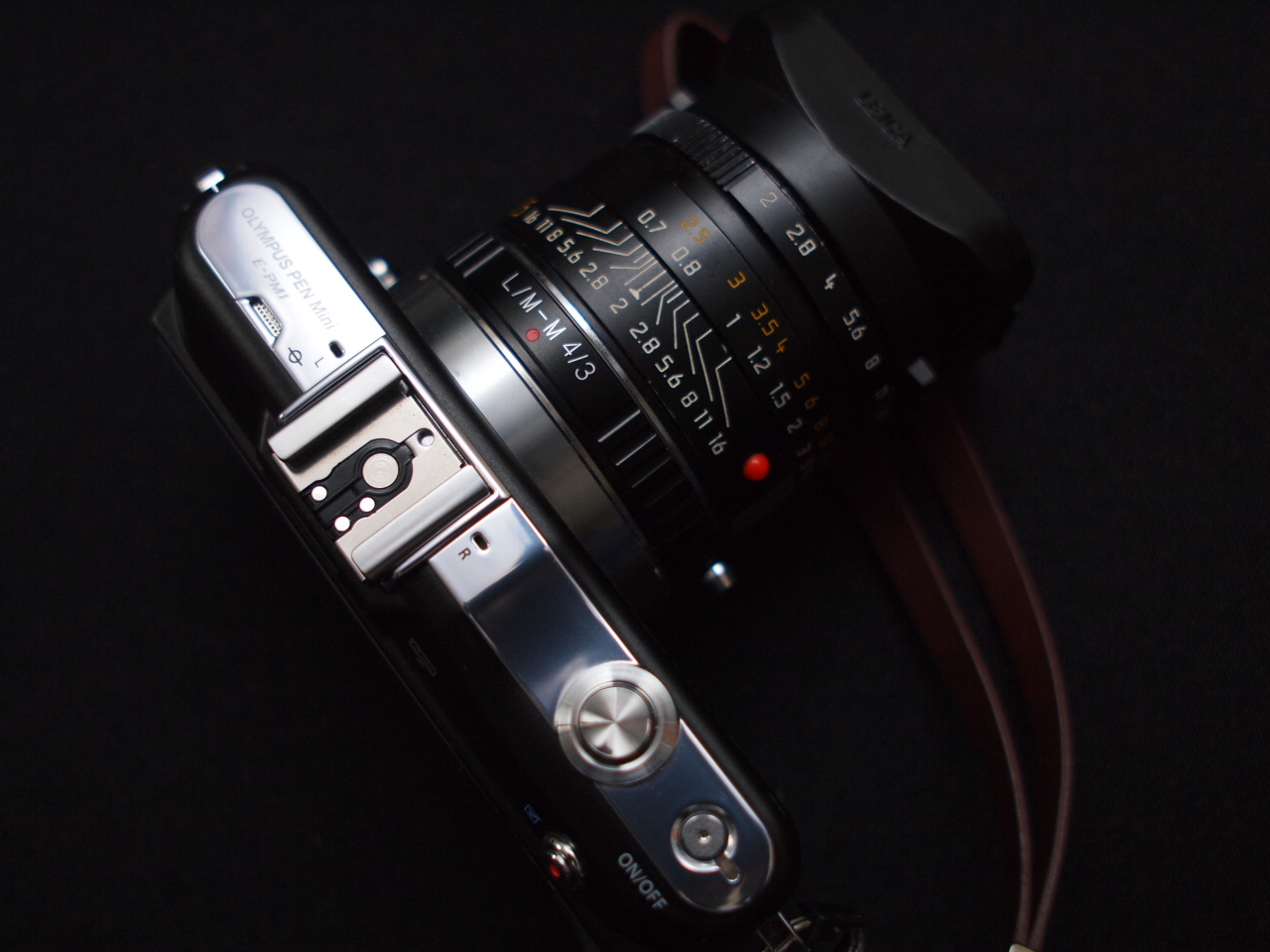
Adapted lenses often make up the camera bag of many mirrorless camera users. In particular, old rangefinder lenses tend to be popular because of the small size coupled with excellent image quality. When one thinks of a rangefinder, one also often thinks of Leica. Indeed, the company has manufactured lenses for years and many of their lenses are available second hand on eBay at quite an affordable price.
Keeping in mind the fact that a Micro Four Thirds camera has a 2x crop factor, I’ve recently decided to try our various wide angle lenses from Leica. Though the 35mm is more semi-wide, their Summicron lens (f2) has been touted as being really quite excellent.
Gear Used
Olympus EPM1: B&H / Amazon/ eBay
Dot Line Leica M to Micro Four Thirds Adapter: B&H / Amazon
Leica 35mm f2 Summicron: B&H / Amazon/ eBay
Tech Specs
Specs taken from the B&H Photo Listing
| Filter Size | 39mm |
| f/Stop Range | 2.0-16 |
| Minimum Focus Distance | 2.3′ |
| Angle of View | 64 Degrees |
| Groups/Elements | 5/7 |
| Length | 1.4″ |
| Maximum Diameter | 2.0″ |
| Weight | 9 oz (255 g) |
Ergonomics

The Leica 35m f2 is quite a tiny lens that only looks big and beefy due to the lens hood being attached to the front. It is really quite well balanced with any Micro Four Thirds body, though it felt particularly wonderful on my EP2. Thankfully, the adapter only adds a smidgen more of length.
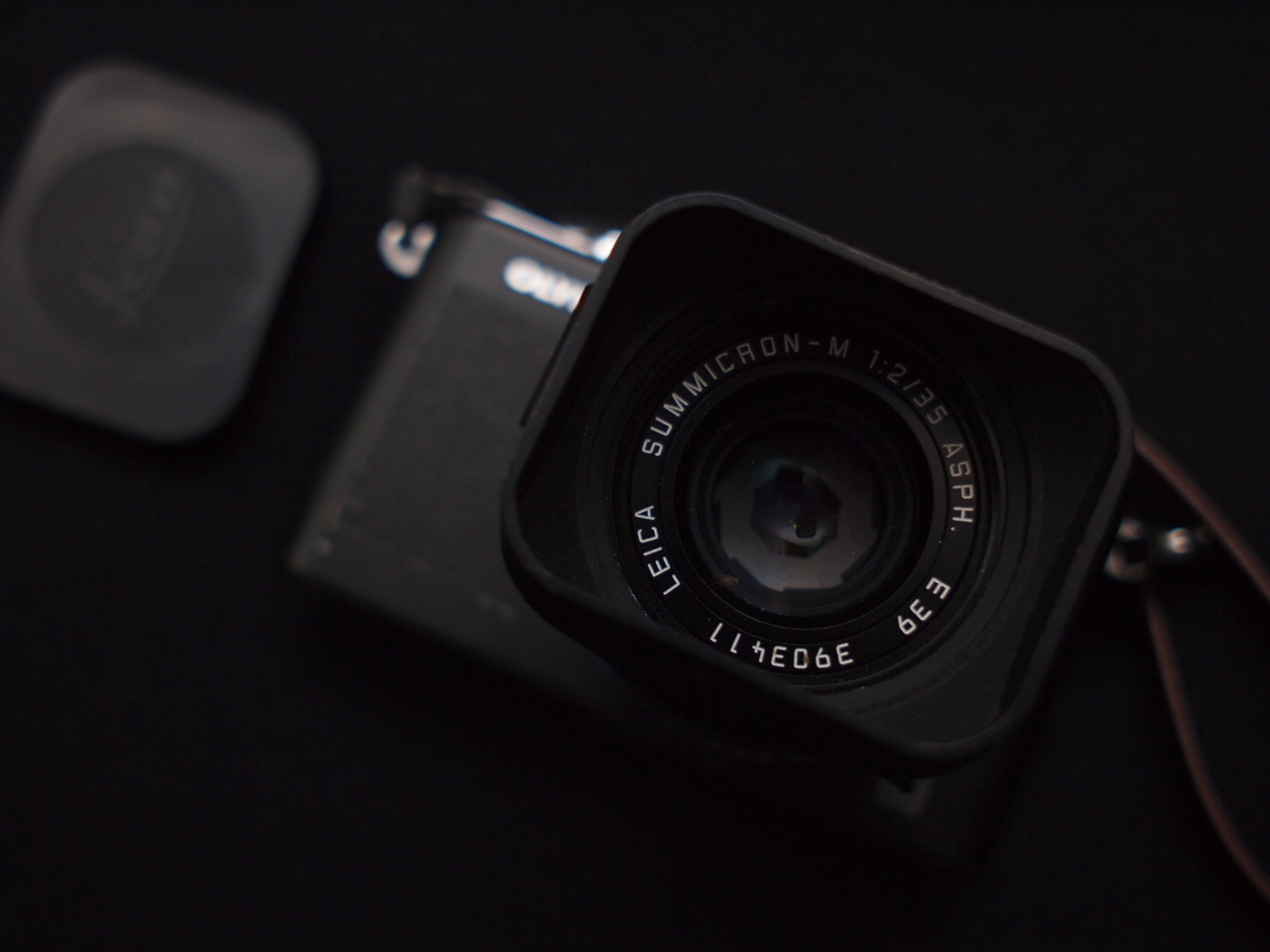
Like most Leica and manual focus lenses, it is characterized by a focusing distance scale and a depth of field scale for those who like to zone focus (hyperfocal length style of shooting.)
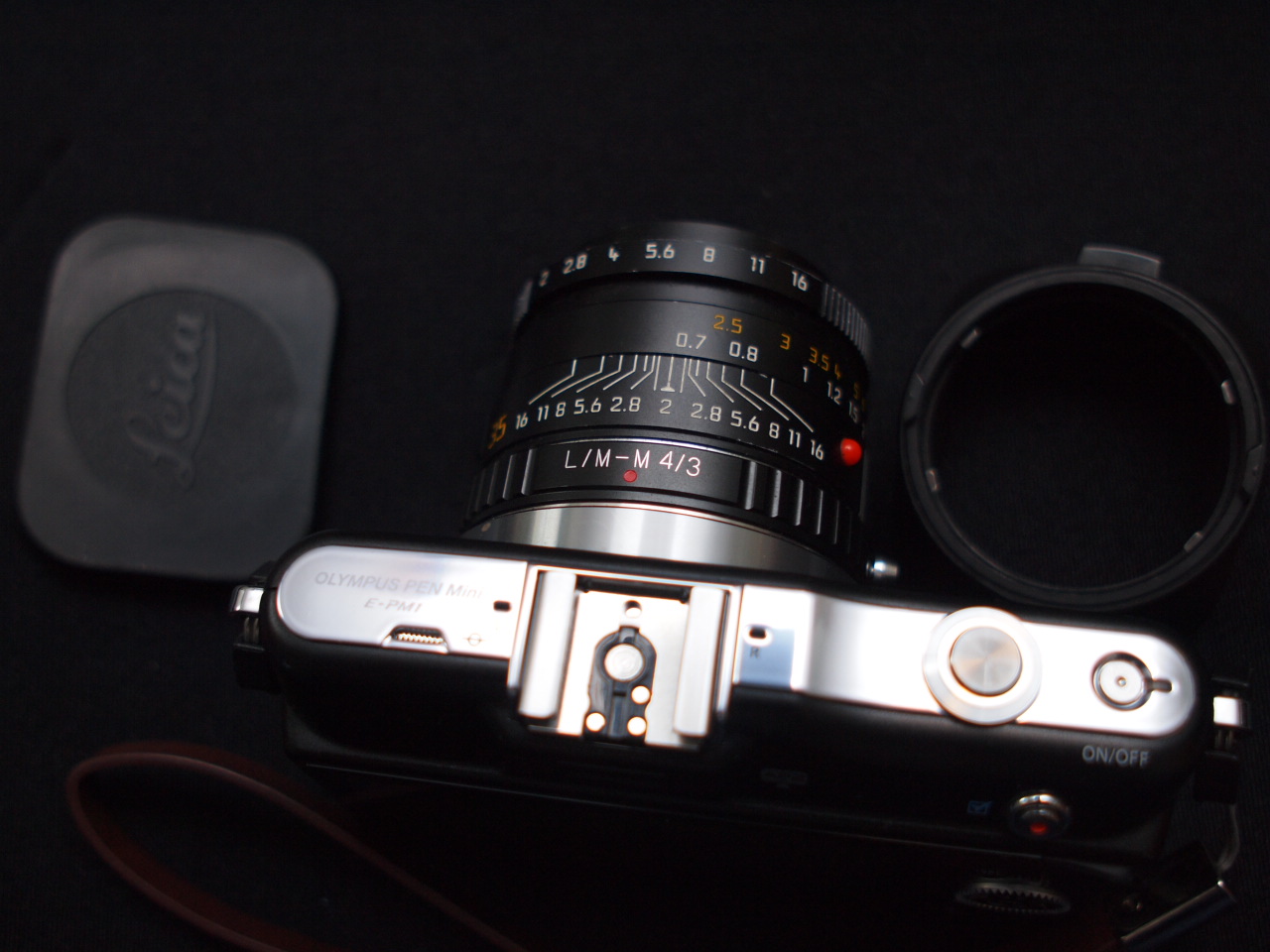
There are two main controls: an aperture dial and a focusing ring. The version I was sent for review has has the focusing ring beaten in a bit, so the focusing wasn’t as smooth as what I’m typically used to with Leica products.
Ease of Use
 Manually focusing an adapted lens on a Micro Four Thirds camera isn’t exactly the easiest task to accomplish. You’ll need to set the camera to manual focusing mode and then enable the reticule for magnification. Then you’ll need to press another button to magnify a designated area and focus in and out.
It can be quite clumsy though because as you’re focusing in and out, you’re also generally shaking the camera about when doing this all handheld.
When you believe that you’ve finally achieved critical focus, you can get out of the magnification and then shoot. Generally, it is a stellar idea to have composed your image before doing this.
For this reason alone, it could be a major game ender because composing focusing can be extremely tough to do. However, there is a good side to all of this. It makes you pay more attention to the details in your photo overall and therefore forces you to take a better image.
That means that if you’re impatient and can’t get over the spoils and convenience that autofocus allows, this and other manual focus lenses may not be for you. But if you like to experiment and be extremely creative with what you’re doing, then this may be a good option.
Additionally, I’d recommend using a viewfinder like the VF2 or VF3 with Olympus cameras when doing this. Once could use the screen, but it can get troublesome as stated earlier.
Lastly, also ensure that your specific focal length is dialed into the Image Stabilization mode.

There is another option though: use the zone focusing method. To do this, simply stop the lens down a bit and focus it out to a specific distance. By reading the scale, you’ll be able to tell how much will be in focus.
Image Quality

When using a lens like this on a Micro Four Thirds camera, one needs to keep in mind that you’re getting a 70mm field of view due to the crop factor. That means that only the center of the lens is really being used and therefore there should be absolutely no vignetting.
Indeed, any vignetting seen in the images in this blog post were added later on for creative reasons. In translation, this amounts to you almost never needing to stop the lens down unless you need that much in focus. Additionally, this lens is extremely sharp wide open: and any LCD screen will not do it justice when focusing. You’ll only realize it once you import it onto your computer.
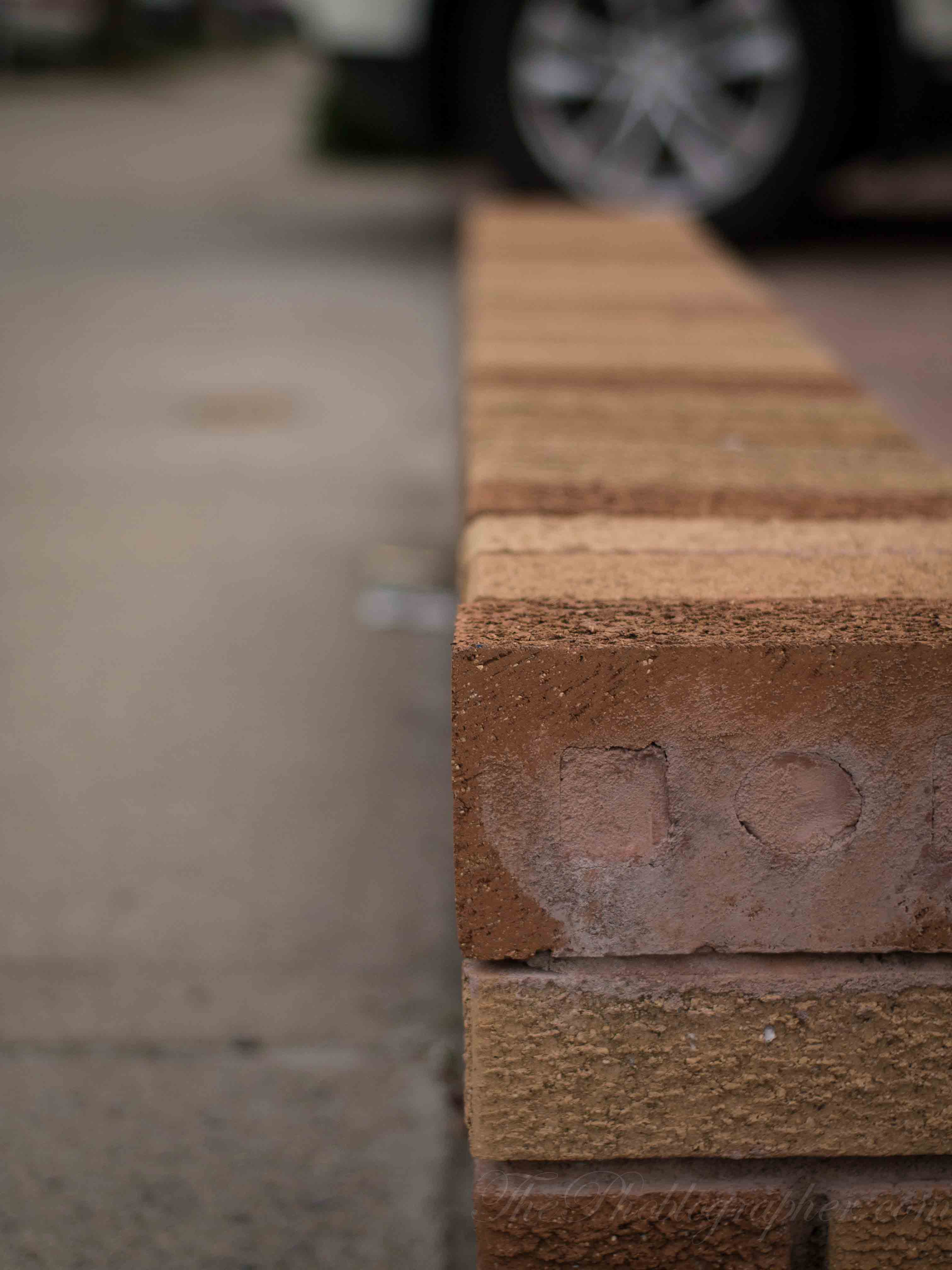
The bokeh from the lens is really quite good as well. The Leica 35mm f2 doesn’t have microcontrast the way that Rokinon and Zeiss lenses seem to have though, so you’ll instead be relying on just pure sharpness and very smooth bokeh.

Out of the camera, color rendition really isn’t the best. My favorite comes from a native Micro Four Thirds lens: the 12mm f2. That means that you’ll be spending some extra time in the post-production phase. Generally, I’ve had to do color balance fixes, saturation fixes, add contrast, and tweak individual color levels.

Speaking of white balance: the Leica 35mm f2 will tend to render images more towards the cooler side of the spectrum; so you’ll surely need to add warm in order to bring more liveliness to them. That doesn’t at all mean that the images will be terrible.
Make no mistake, this lens is perhaps sharper than many Micro Four Thirds lenses out there.

In order to get the best use of the bokeh, you’ll need to get up close and personal to your subjects. When you consider the 35mm focal length becoming a 70mm field of view, you’ll realize that this lens is perhaps best for capturing details. Focus anywhere beyond five feet and almost all bokeh will be gone or at least heavily subdued.
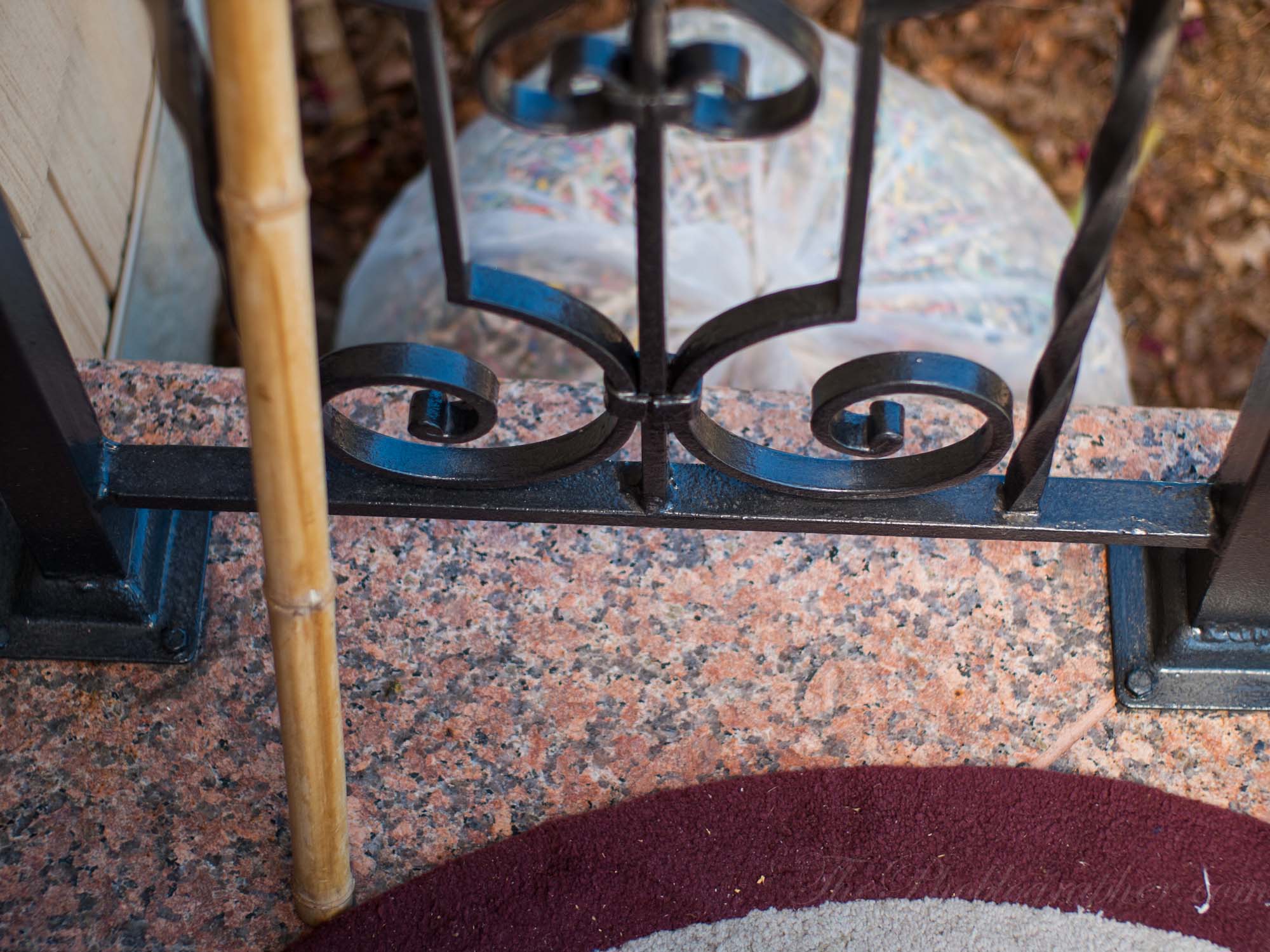
Below are some extra image samples. All images required a bit more editing than I’m used to to get that way.
Extra Image Samples





Conclusions
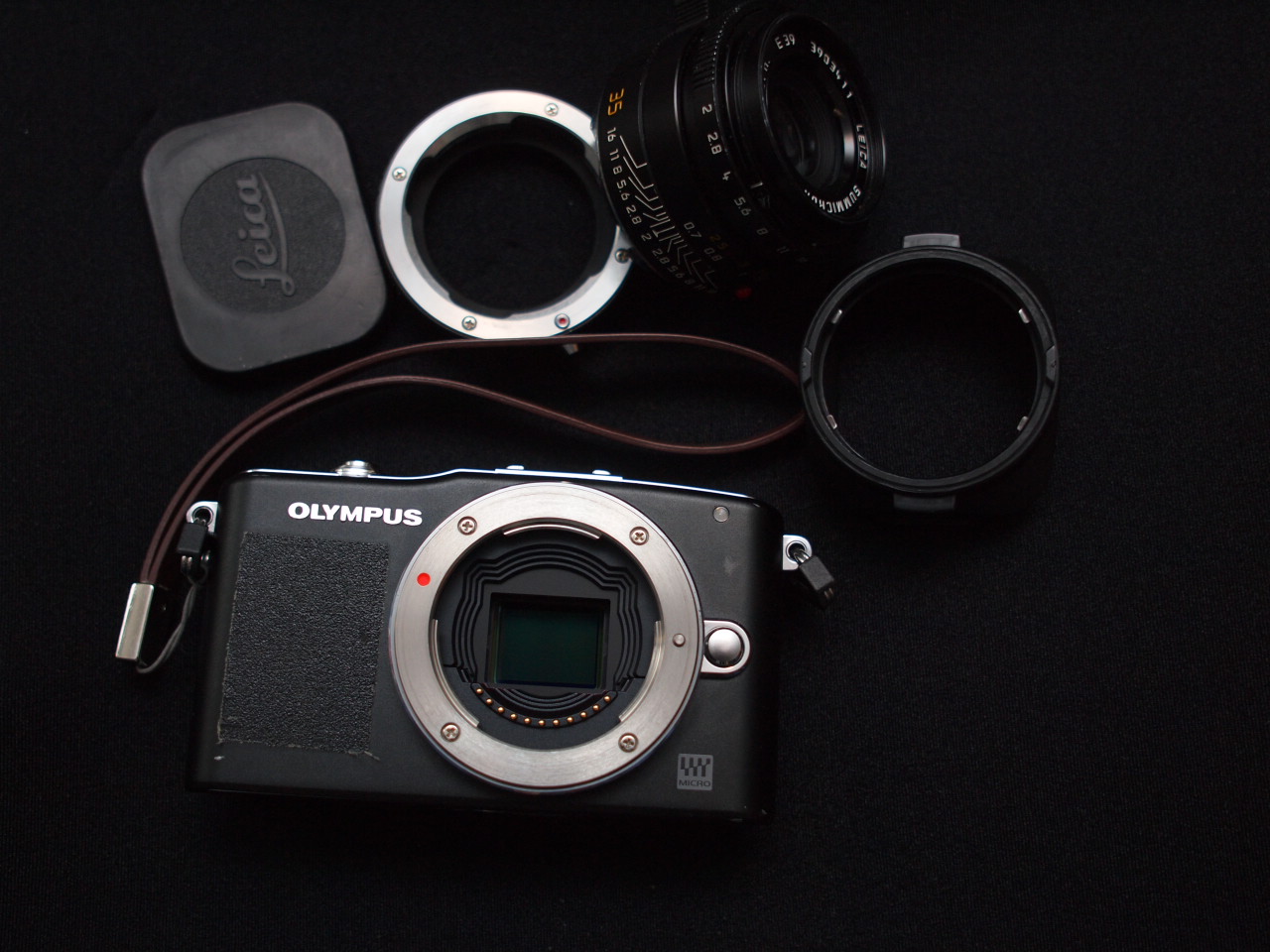
The Leica 35mm f2 Summicron is a wonderfully sharp and well built lens. On a Micro Four Thirds camera body, it renders a 70mm field of view. Combine this with the fact that it only focuses as close as 2.3 feet, and you’ll probably want to consider looking for a wider lens option.
Though it can be used to create some wonderful images, it also often left me with less keepers than I’d thought due to focusing issues. However, once that focus is perfectly nailed and the user combines this with careful thought, they’ll be able to get images that they’ll be very happy with.
In the end though, I can’t really get excited about a 70mm focal length. But your opinion may vary. On an M9 or film body, this lens would be absolutely terrific.
Please Support The Phoblographer
We love to bring you guys the latest and greatest news and gear related stuff. However, we can’t keep doing that unless we have your continued support. If you would like to purchase any of the items mentioned, please do so by clicking our links first and then purchasing the items as we then get a small portion of the sale to help run the website.