

Last Updated on 03/17/2012 by Chris Gampat
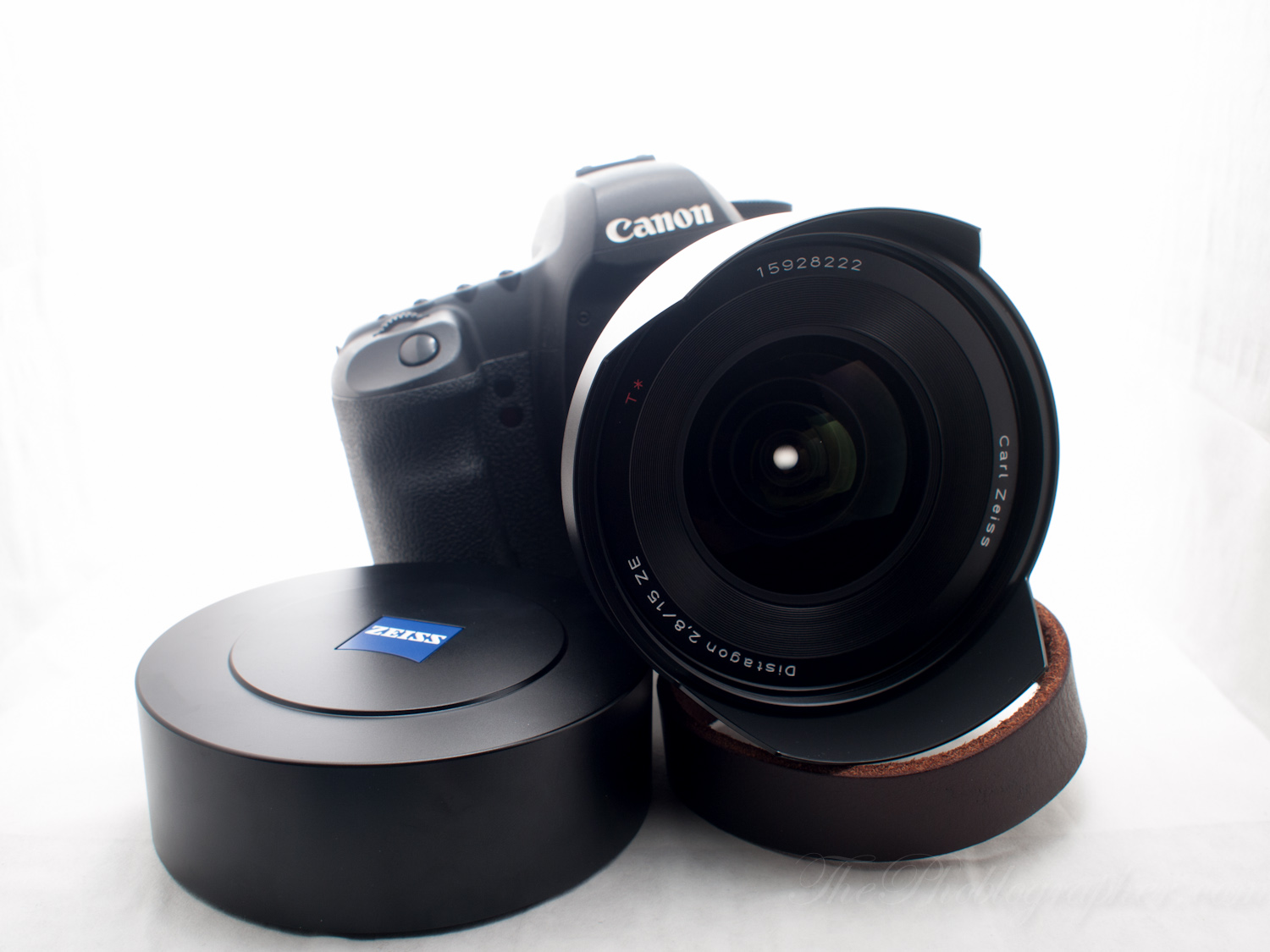
We’ve been testing the (quite literally) recently announced Carl Zeiss 15mm f2.8 lens for a little while now. Rumors of the lens first appeared online and to be very honest with you, I thought it to be impossible. But we’ve tested lots of Zeiss lenses on the site, so I reached out to them about it.
Indeed, the rumors were true. The lens is real: and here is our real world review (or we like to call them: field review.)
Editor’s Note: If you liked this lens, take into consideration that the new lens is already available for pre-order from B&H Photo in both Nikon and Canon mount. Please remember that clicking the links in this post and then making a purchase (whatever it may be) helps to keep this site alive.
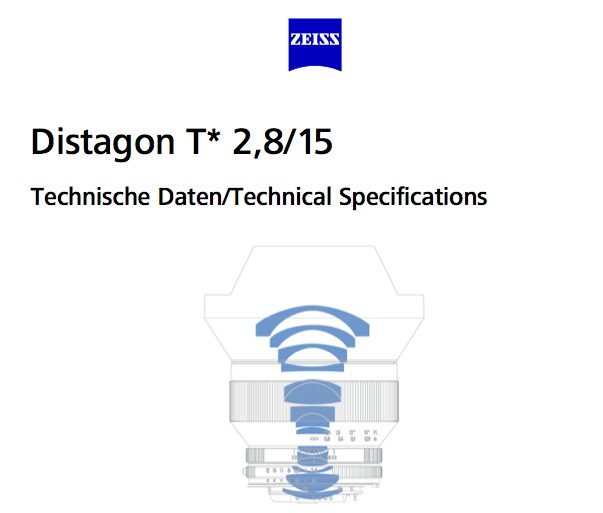
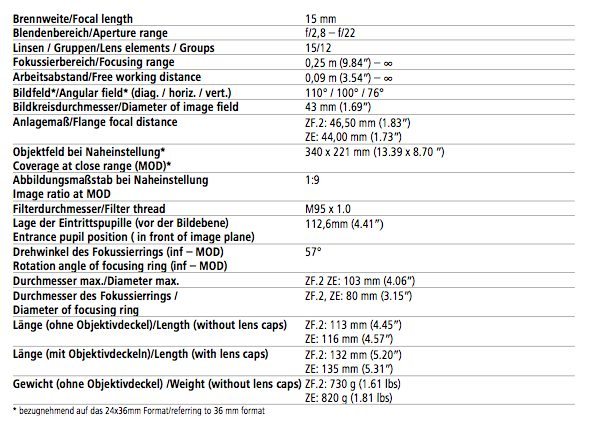
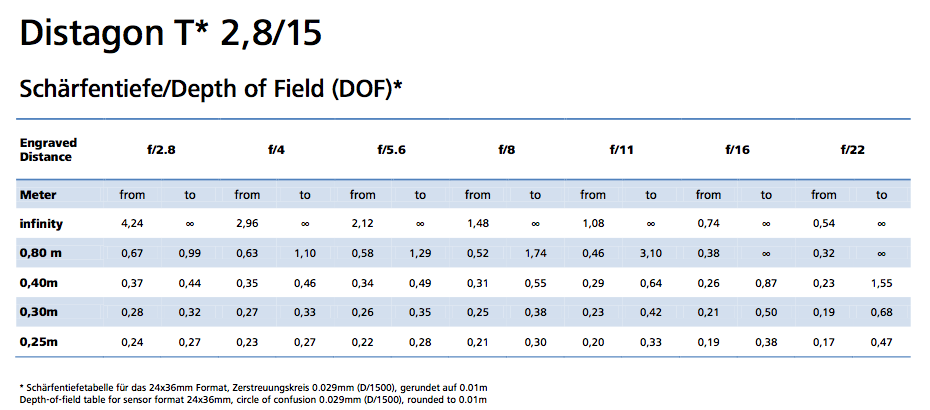
Tech Specs
These specs were taken straight from Zeiss themselves.
Gear Used
Demo Video
Here’s a quick demo video of the lens. I’m patiently awaiting the complaints from fanboys I will get in forums of me banging on the lens hood and banging the front cap against said lens hood to prove how tough the material is and that it is made out of metal and to therefore add more value to the review.
Seriously, they make my day sometimes.
Ergonomics
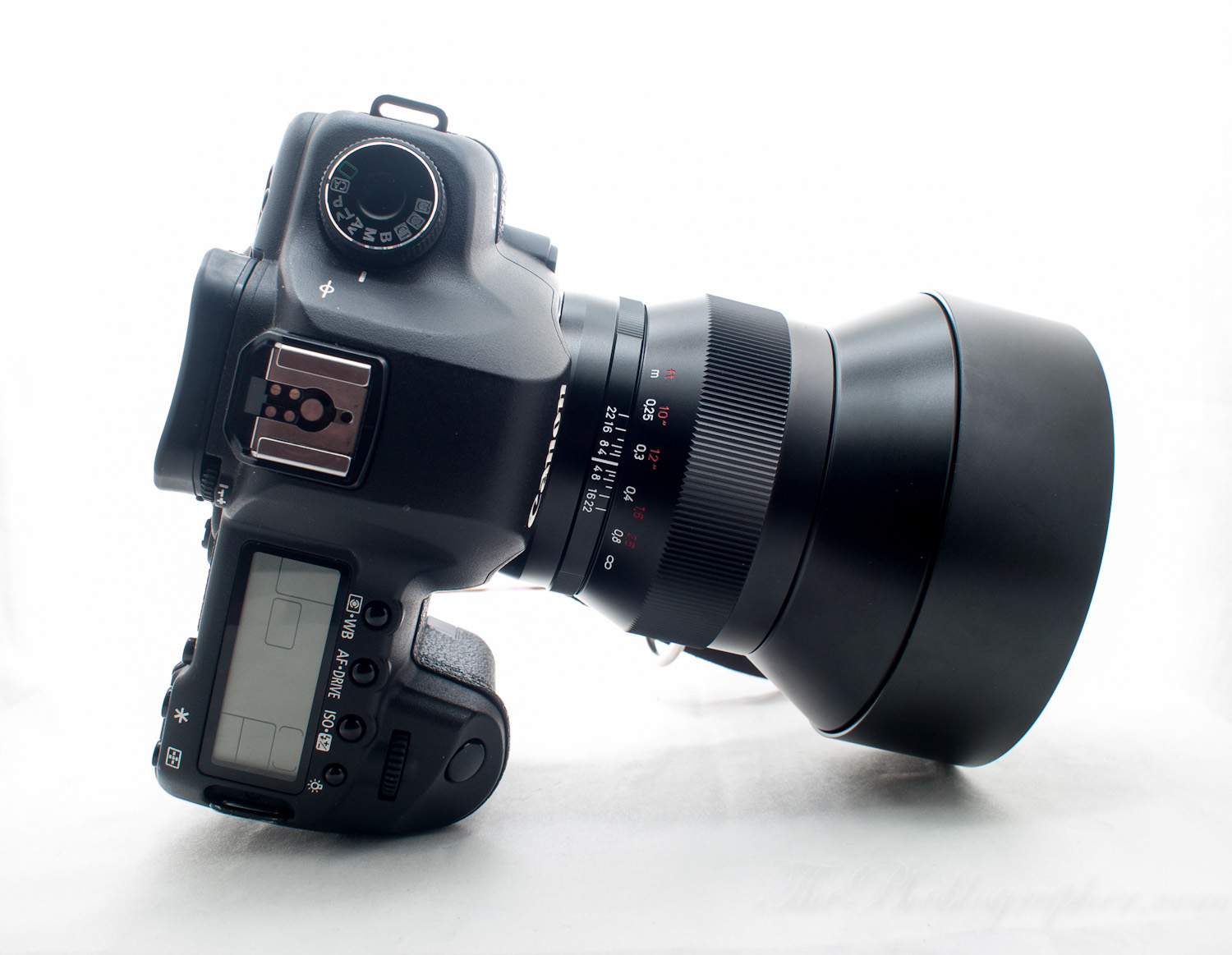
The Zeiss 15mm f2.8 is not a small lens. In fact, it is probably one of the largest wide angle prime lenses I’ve handled. This is due to the large front element, even larger filter thread, and the all metal construction. To boot, there is also an extremely large lens cap that goes over the front element: which has a lens hood permanently attached to it.

In a very typical Zeiss fashion, they ensured to put both a focusing scale and depth of field scale in a conveniently placed spot for a photographer to easily read how far out they are focusing and just how much of what they’re focusing on is in focus.
I call this hyperfocal length focusing, but it is also known as zone focusing.
I should also add that this lens feels a lot like Zeiss’s cinema primes.
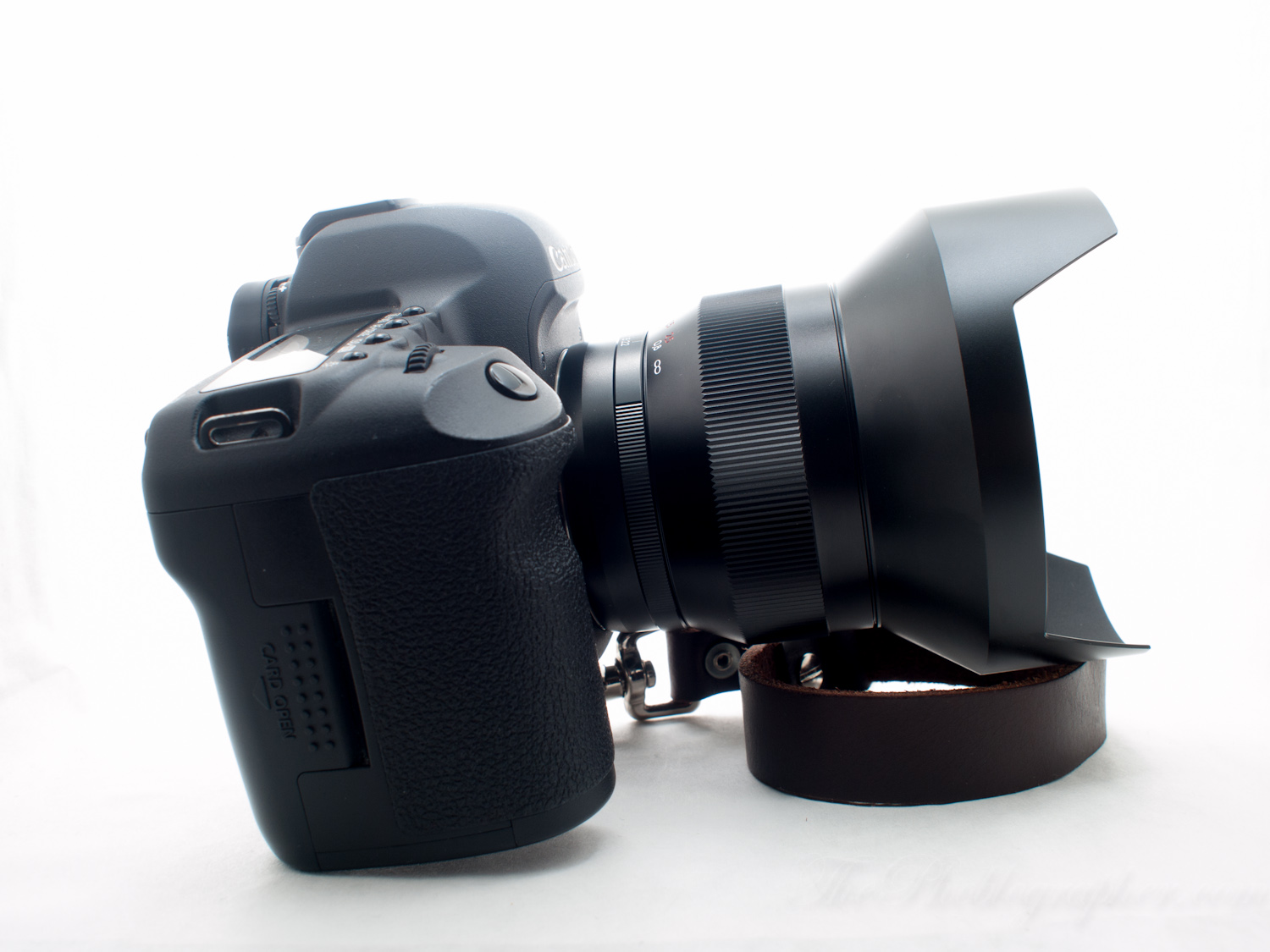
That front hood is quite massive. As you can see in the photo above, the hood itself is nearly the height of my Canon 5D Mk II. However, it is an all metal construction; and also quite tough. At the moment of writing this section of the review, I haven’t been clumsy enough to bump it into anything.
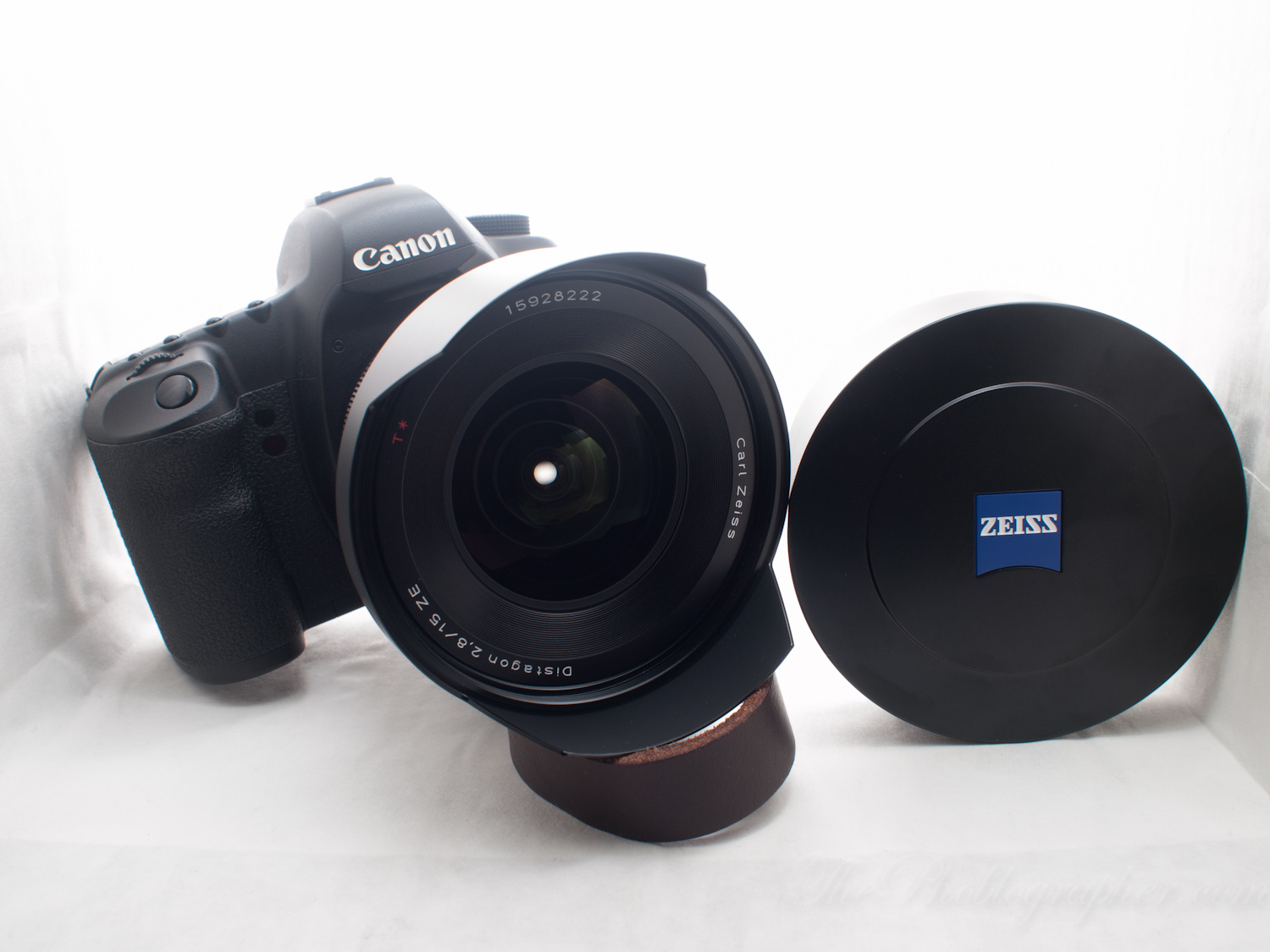
Due to the size of the front of the lens, it can even be a bit tough to place it into camera bags. It has a tough time sometimes getting into my Think Tank Retrospective 30. And when it comes to my ONA Urban Street Messenger, forget it. I essentially need to configure the bag a totally different way in order for it to fit.
Focusing
Zeiss told me that the unit I received was a production unit. With that said, this focusing ring has to be the loosest I’ve felt of any Zeiss lens. Usually, they are buttery smooth. With the 15mm f2.8, consider this one to be slightly melted margarine. What the company got right (and never fails at doing this) is the feel of the focusing ring itself. Indeed, Zeiss makes the best feeling focusing rings of any lens manufacturer for Canon DSLRs on the market. Rokinon is a close second and Canon L and Sigma EX glass are then tied.
The company also nailed it on the depth of field scale. Street photographers and those that are having trouble focusing can use this scale to zone focus/hyperfocal length shoot.
Image Quality
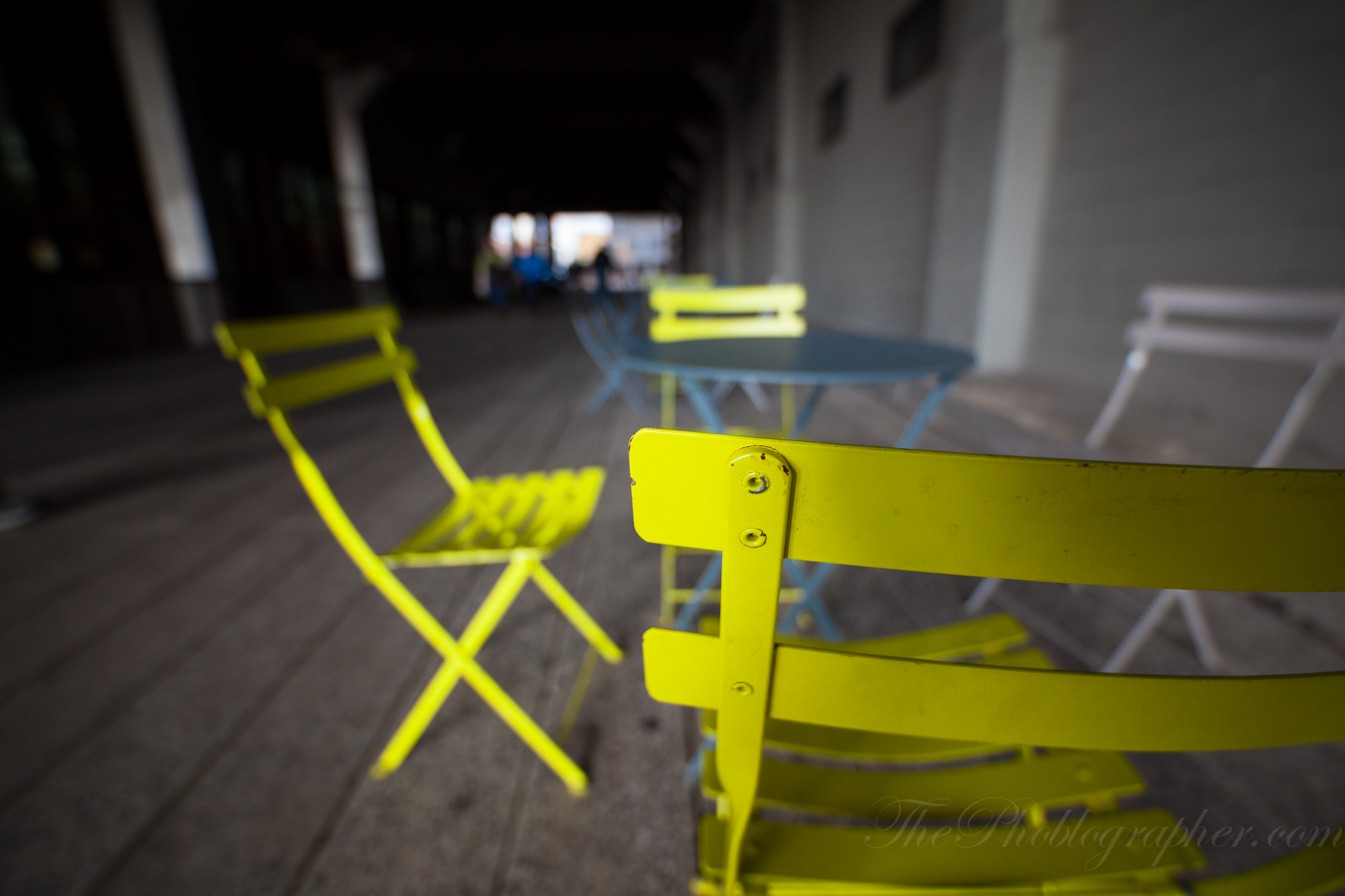
This may seem extremely weird to say about a super wide angle lens, but the first thing I will comment on is the bokeh. Bokeh is often a favorite feature of mine with any lens that I test. Given the nature, design and focusing that this lens allows, the bokeh is actually very creamy. The photo above was shot focusing on the chair closest to me at f2.8 (wide open) and at the minimum focusing distance of 10 inches. Then the saturation of the blue and yellow channels were raised. Otherwise, the vignetting that is characteristic of the lens when wide open actually seems to add a bit of character to the photos.
Portraits
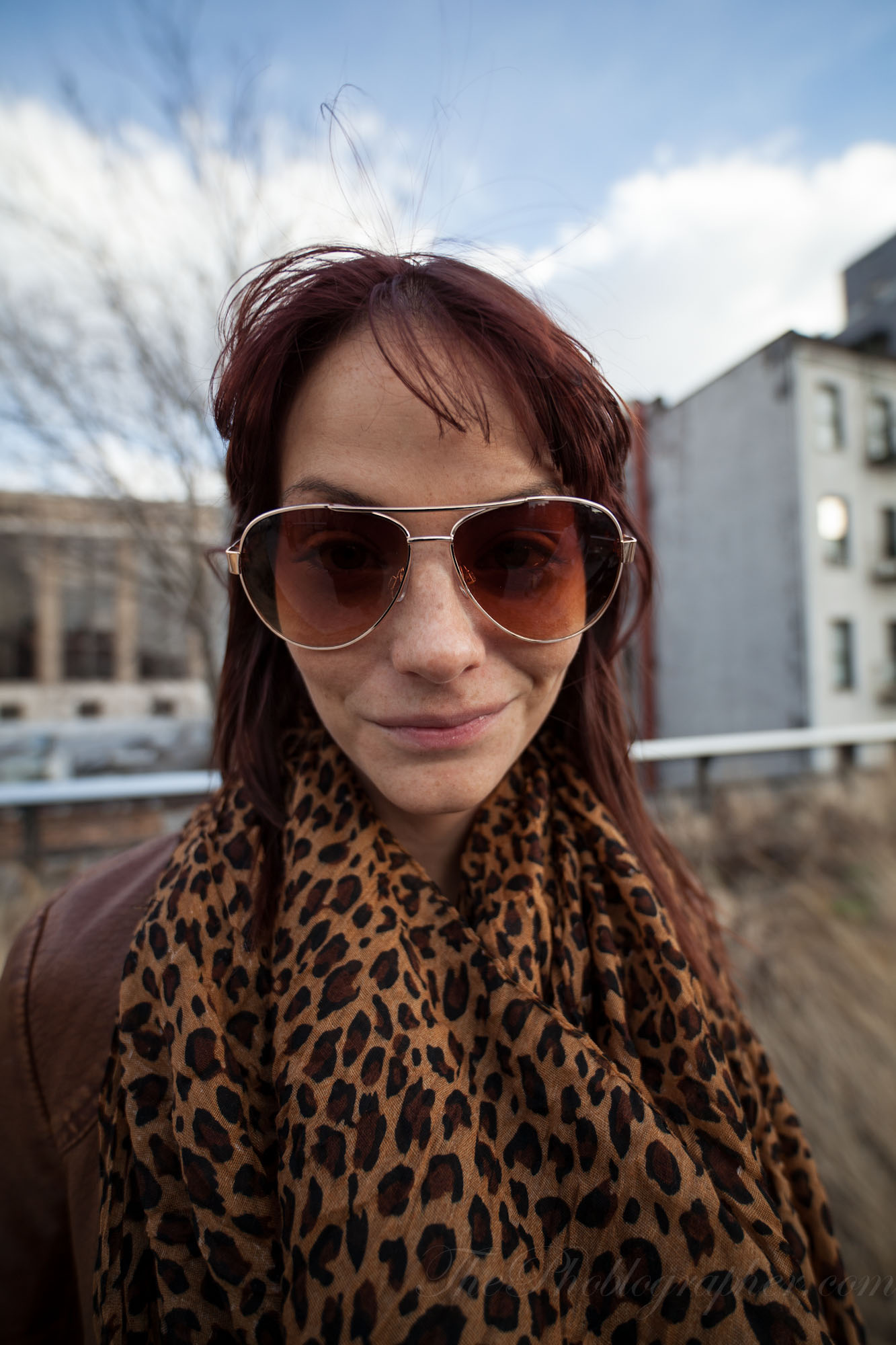
Distortion overall is also very well controlled on the lens. The photo above was shot of a woman I had just met on the High Line and I wanted to see if she should either freak out because her nose looked too big in the photo or she would actually like it.
Indeed, she isn’t really distorted at all.
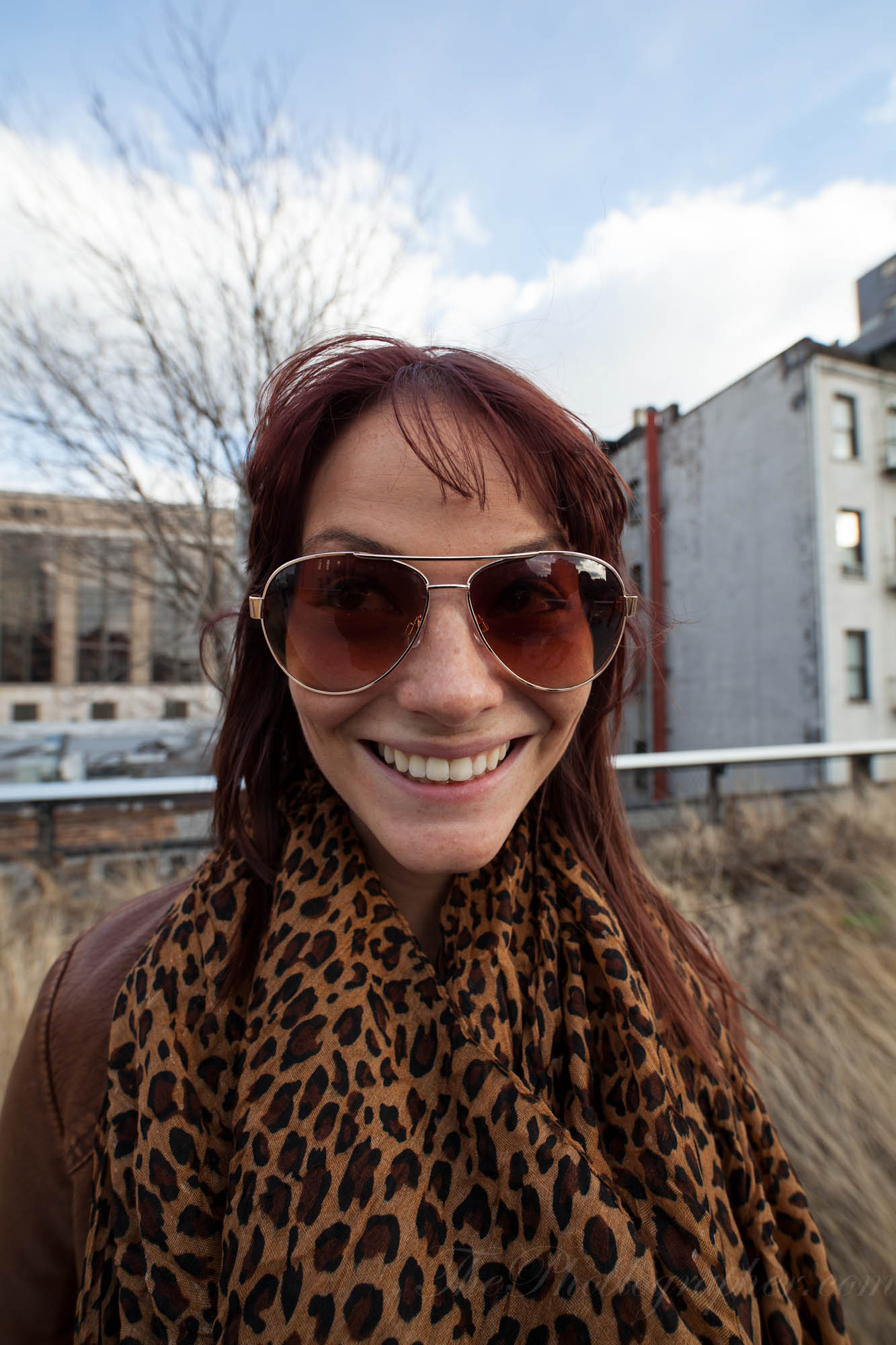
Stopping the lens down obviously just makes things sharper. Like all Zeiss lenses, the subjects in focus always seem to pop. This is due to the microcontrast that Zeiss has always put into their lenses. It’s a godsend to videographers that want to avoid overly sharp lenses. Granted, this lens isn’t even a cinema prime.
In practice though, shooting this wide and at this fast an aperture reminds me a bit of shooting with a large format camera.
Architecture
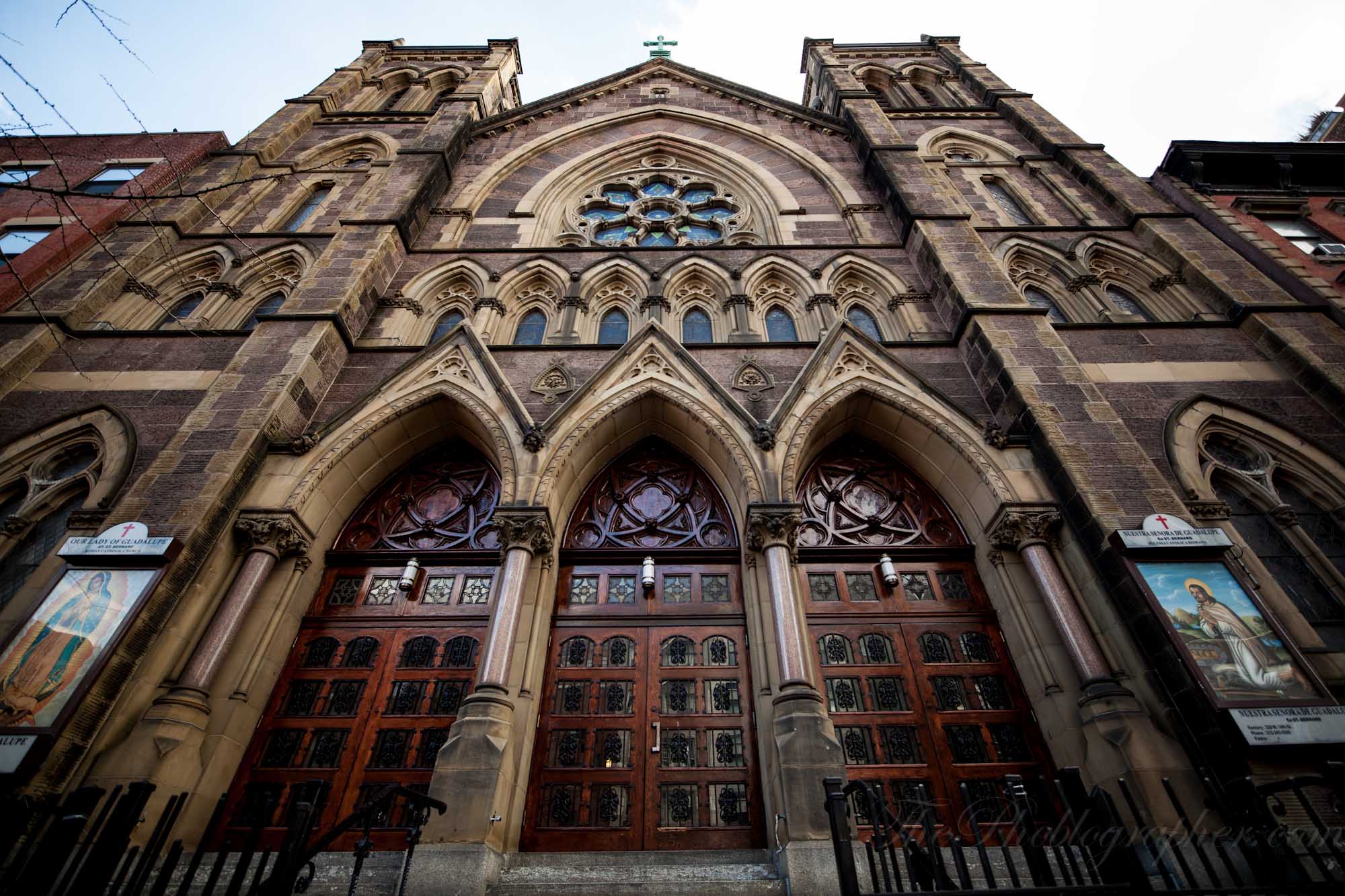
You also most likely won’t be shooting photos of people all the time with this lens. However, if you’re an architecture fiend, this may be the one that you’ll always want in your camera bag. The distortion control is insanely good but when photographing a subject wide open, you’ll experience vignetting (but that’s easily corrected in software.) It’s often best to photograph a subject stopped down due to just how insanely sharp this lens becomes. However, like the 25mm f2, you’ll get the best colors when shooting wide open.
For interiors though, this is an excellent lens. Real estate photographers, party photographers, and wedding photographers will make great use out of it. It is once again a specialized lens, but it will help you to create some awesome images.
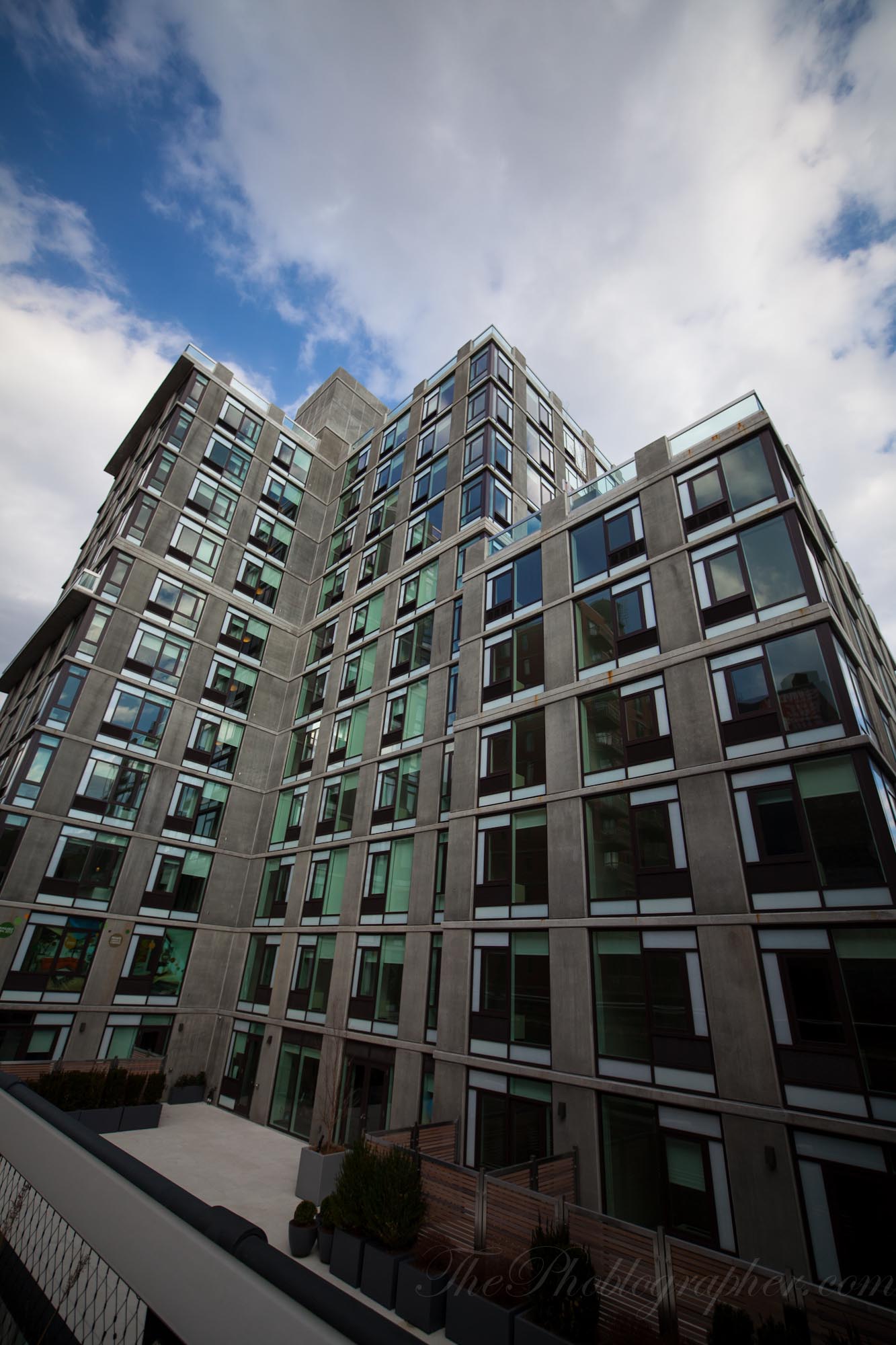
With the former fact stated, you’ll need to decide whether or not you’ll want better color or better sharpness. Also consider which color profile you set your camera to. All of the photos for this review were shot using a customized profile.
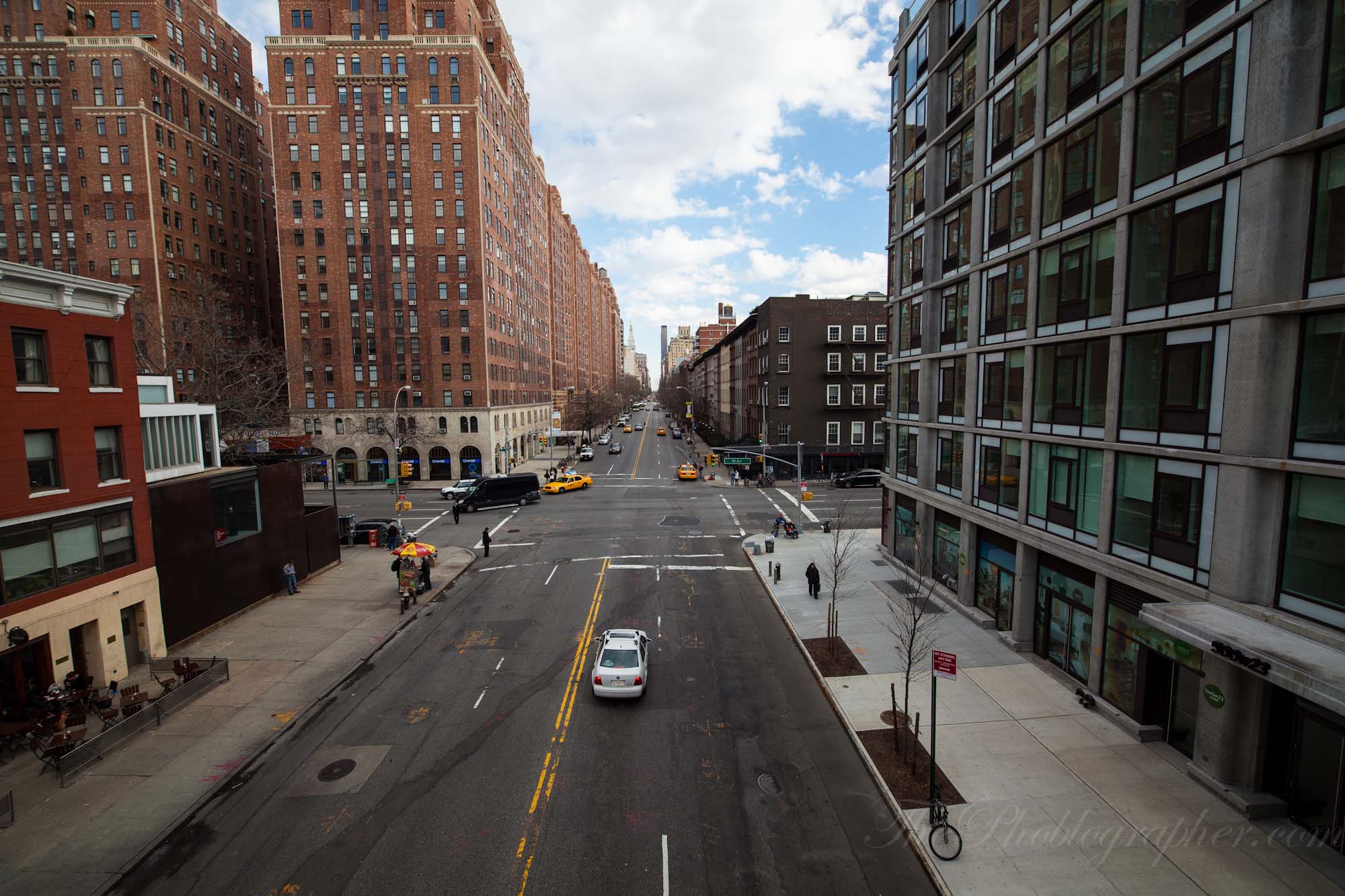
Using this lens will often render the colors to be more on the cool side of the white balance spectrum; so you’ll need to keep that in mind when shooting by either manually adjusting the white balance or remembering that you’ll need to adjust that in post-production (like in the photo above)

However, this photo above didn’t have the white balance adjusted. The plants in the photo are actually much warmer in color tonality, but the lens worked with the sensor to render otherwise.
At this point, it would be very good to note that Canon often renders all images towards the warmer side of the spectrum when their own glass is mounted.
Event Photography
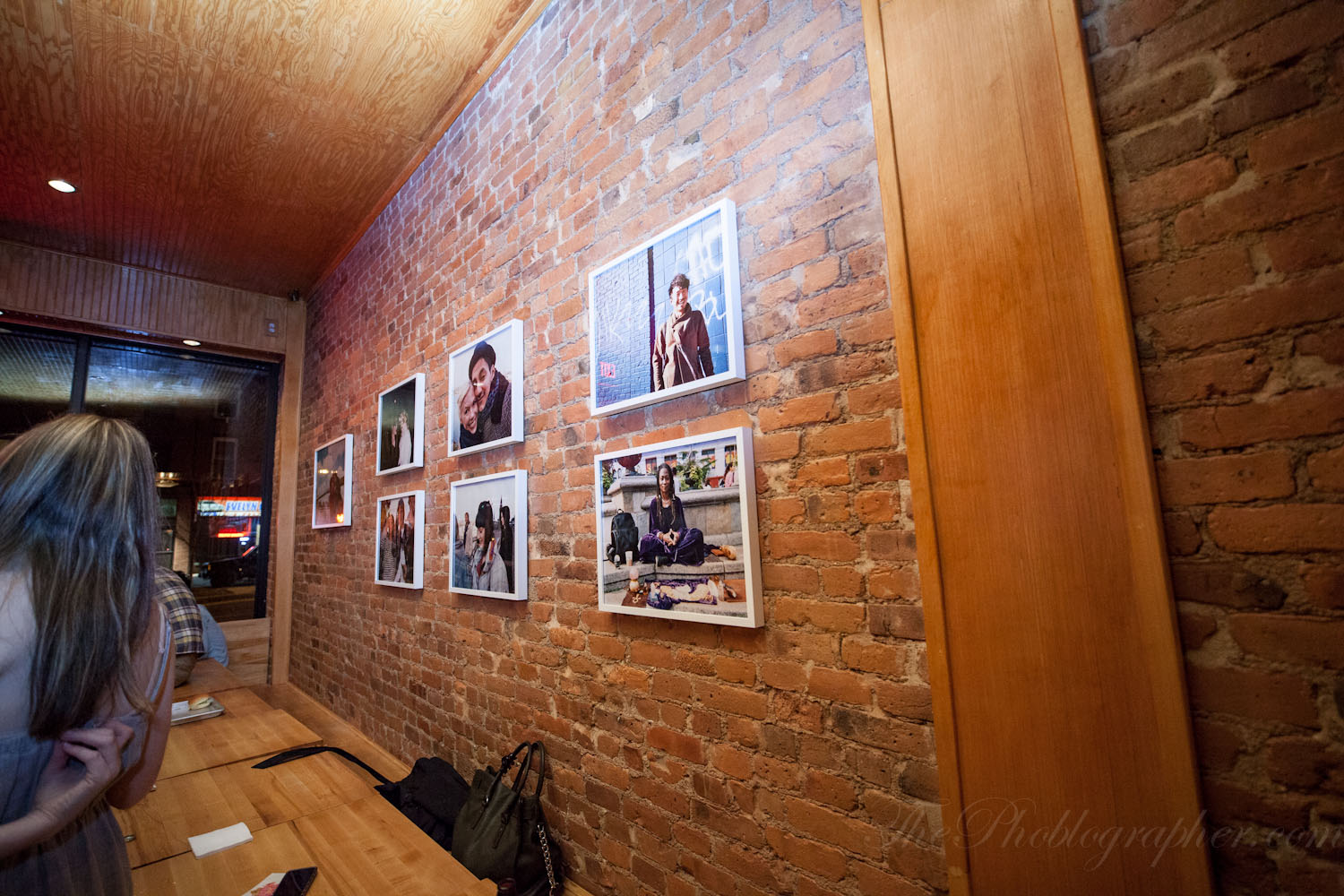
Around four nights before the publication of this article, I went to the gallery party for New York Shots, a project from an artist I interviewed a while back. She held it in Brooklyn; and knowing my way around the area I had a feeling that whatever venue she held it in would be a bit small and packed with good folks: the way most Brooklyn parties are.
Sometimes, a 24mm lens can make things feel cramped and a fisheye is a bit too much. So I decided to bring along the 15mm f2.8 and a 580 EX II on my 5D Mk II. This is a real life decision that I would often make as an event photographer back when I did that professionally.
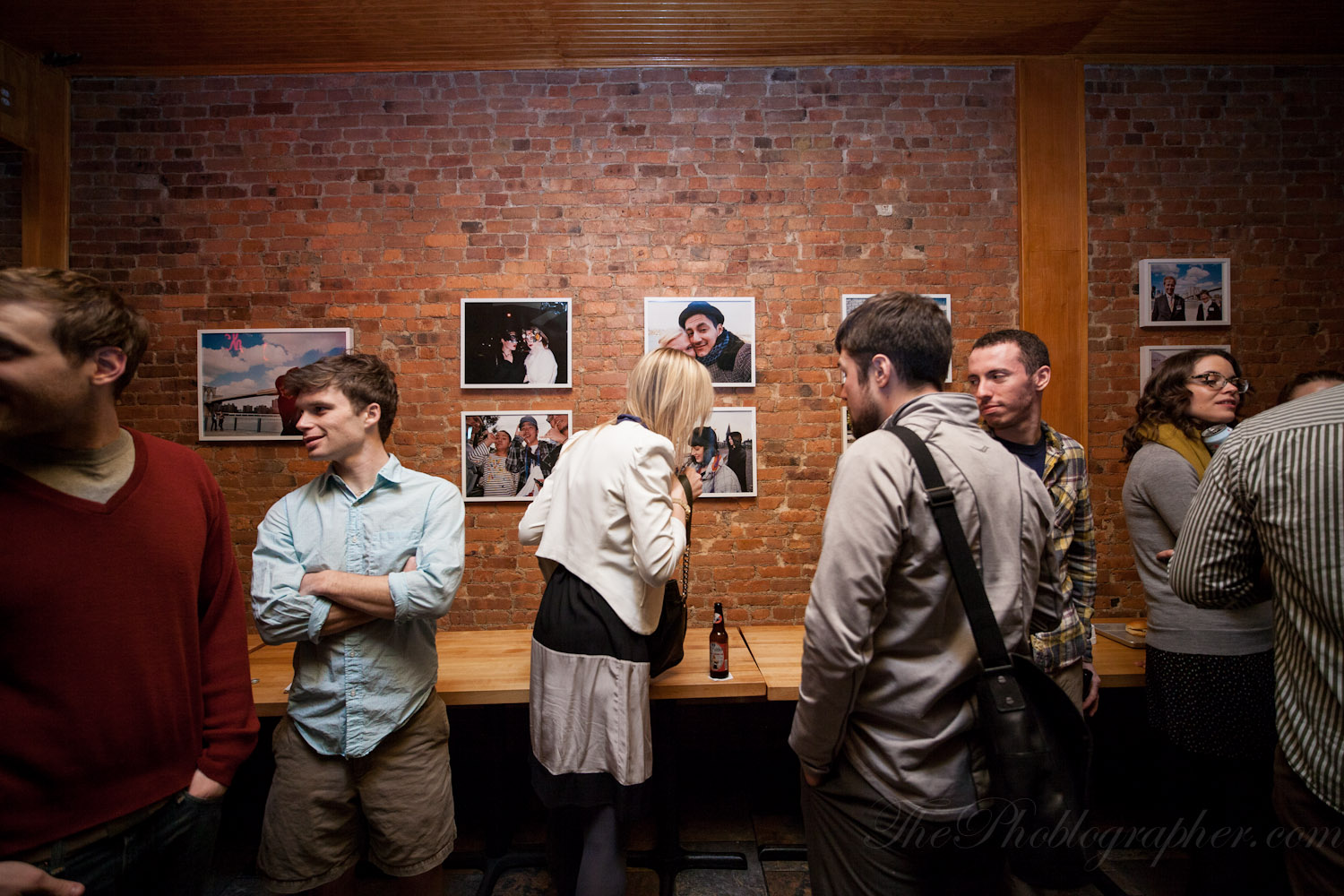
All of the photos in this series were subject to lots of color balance correction, sharpening, clarity increases, and exposure increases. The venue was extremely dark: which means that the 5D Mk II’s focusing would theoretically have issues even when I’m manually focusing on a subject, yes?
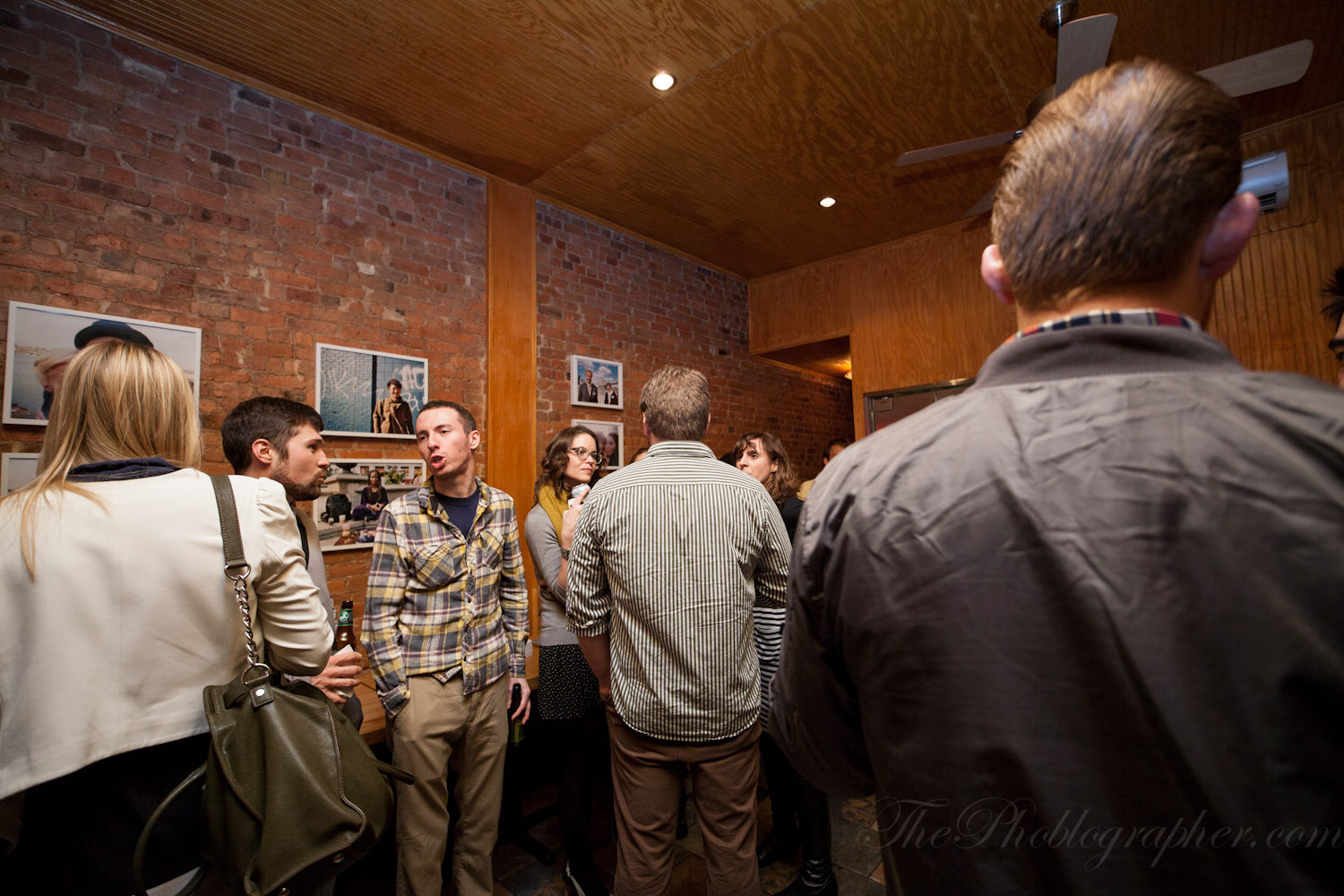
Wrong. The Zeiss 15mm f2.8 worked very well with the 5D Mk II’s focusing system no matter what focusing point I used. The AF illumination from the flash was turned off too. To be honest, focusing was only once an issue during the entire event.
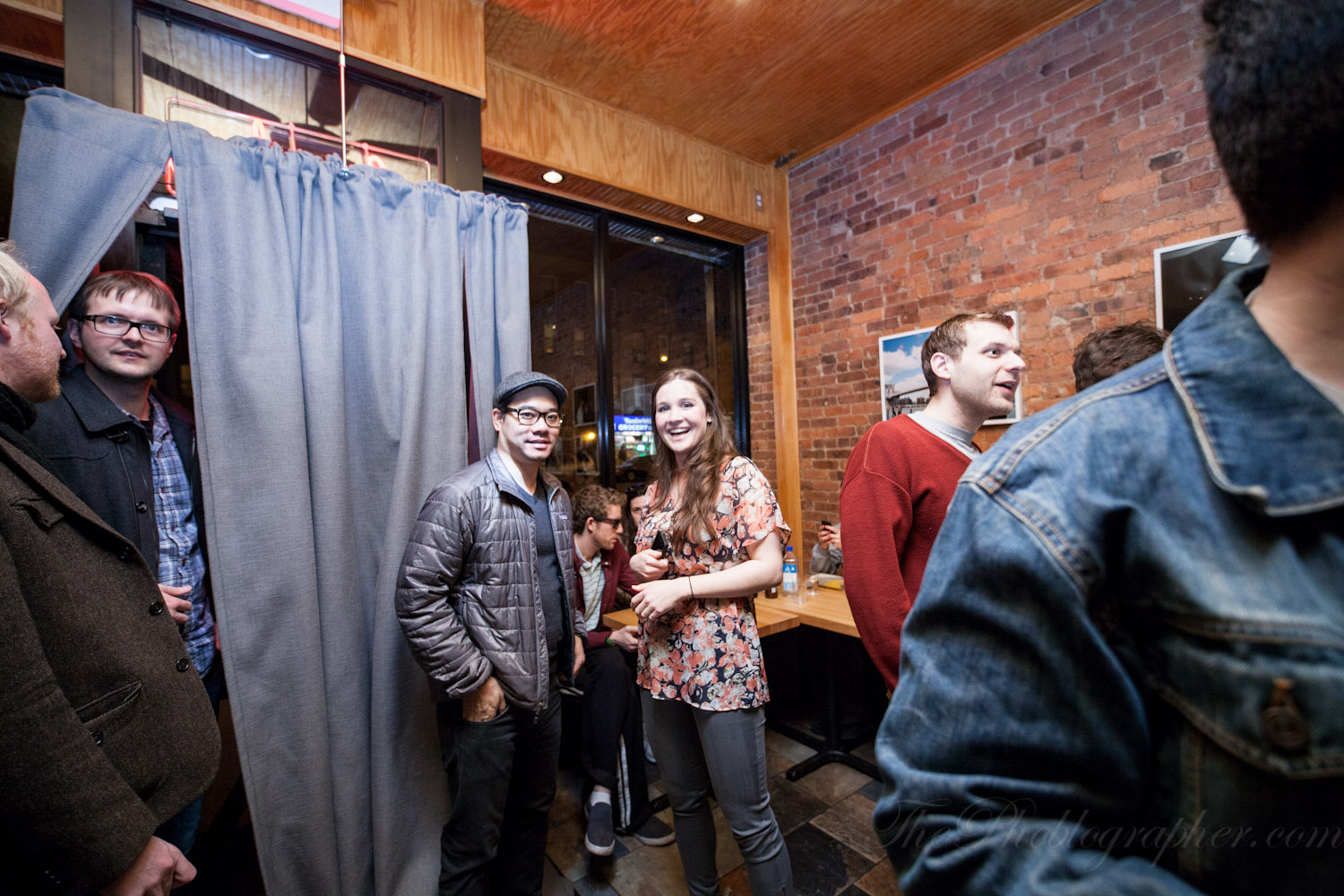
From this test, I felt that Zeiss’s 15mm f2.8 didn’t do as well as I expected it to in terms of color capture. Canon and Sigma’s lenses tend to render the best colors when it comes to using speedlites at events (or at least that is what I gathered from this test.) i personally felt that the color rendering and communication with the flash and TTL system could have been better. In fact, I often chimped my LCD screen and said, “that doesn’t look right.”
In all fairness though, I often use light modifiers these days and barely bounce my lights off of a ceiling anymore.
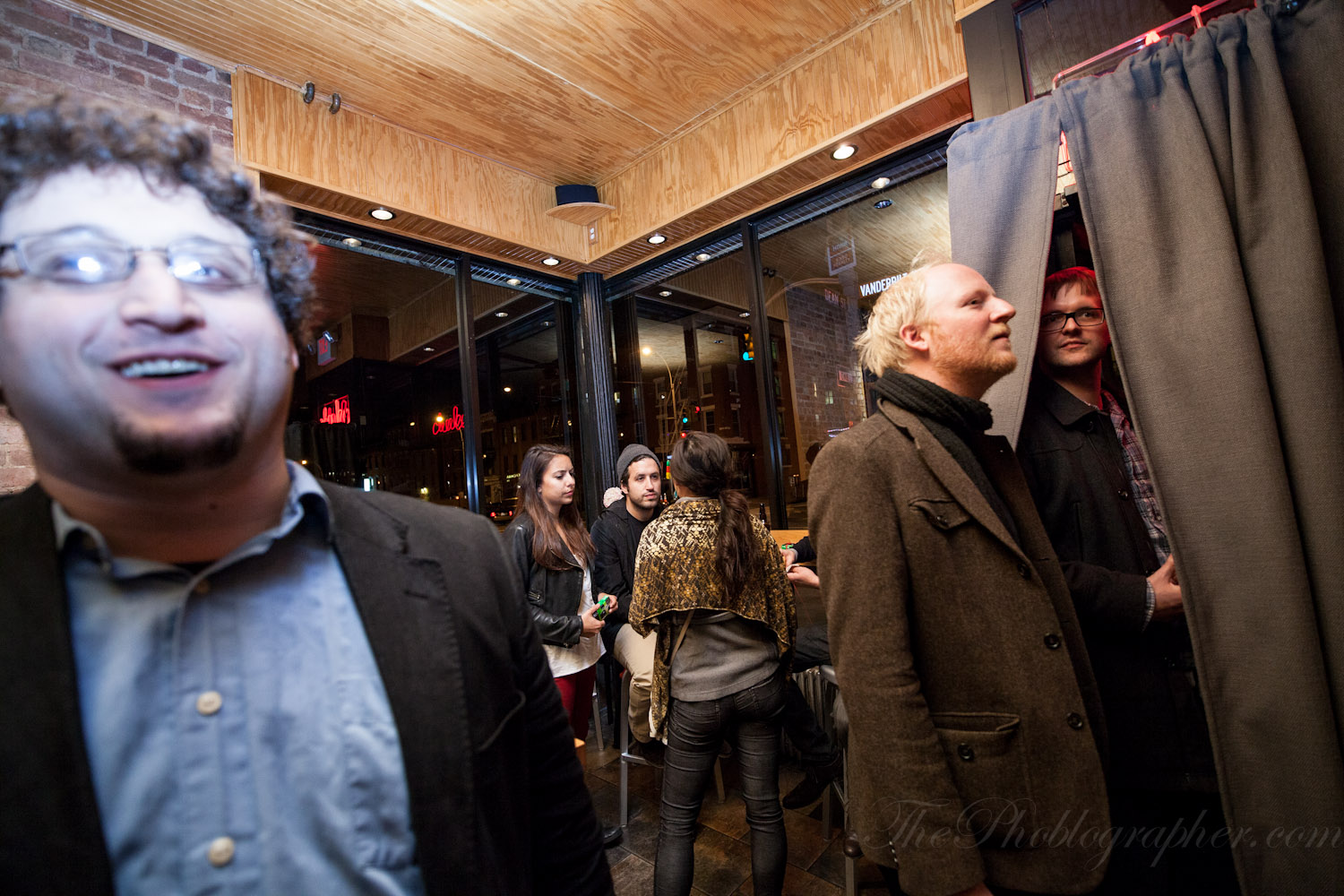
There is one big thing I found though, and that’s distortion. Notice Will on the left side? Man is he stretched.
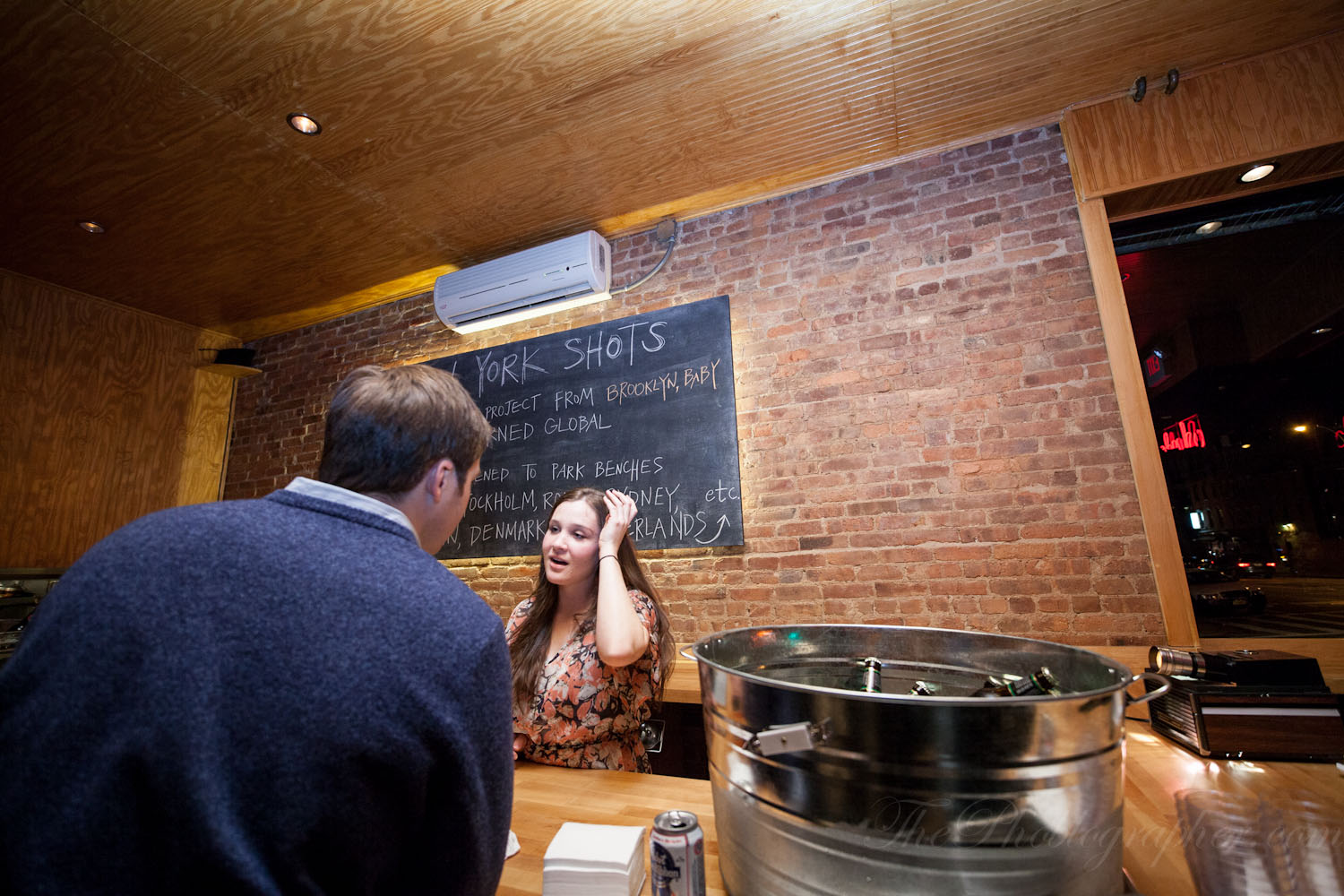
In the end, the Zeiss 15mm f2.8 didn’t perform as well as I believed it should have at this event. However, I will try it again at another time.
Vignetting/Sharpness
As you’ll see (and many of you will go ahead and pixel peep; which will lead you to believe that your pixel peeping abilities will make you a better photographer) at f2.8 there is vignetting that is very well controlled. Stop down just a bit though and it’s all gone. That’s quite a feat for a lens this wide on a full frame sensor.
Focusing was done using the center point and having the camera tell me that the bench was in focus. The camera was set to aperture priority. The ISO stayed constant.
Do not take this as a scientific test in the slightest.
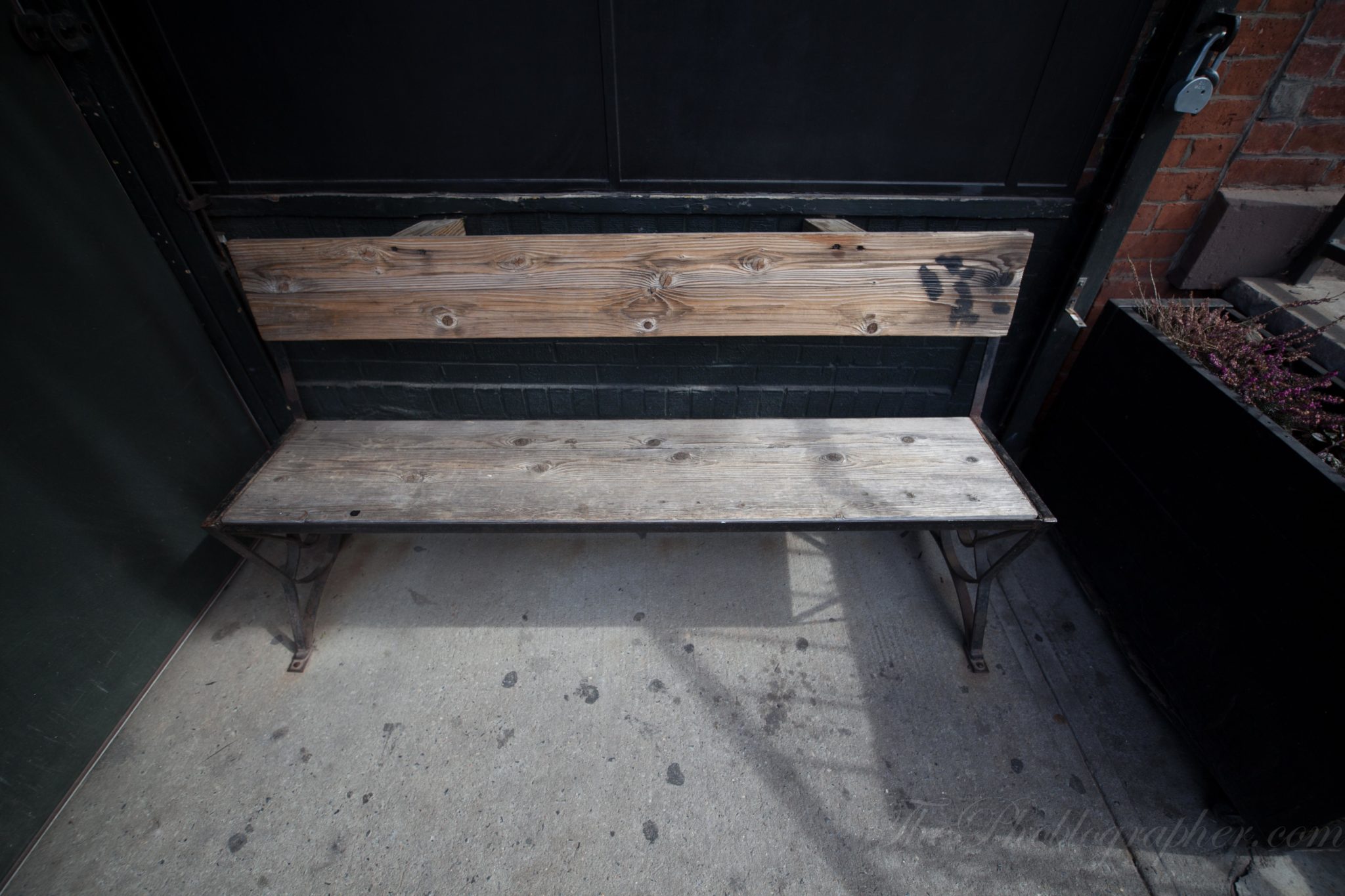
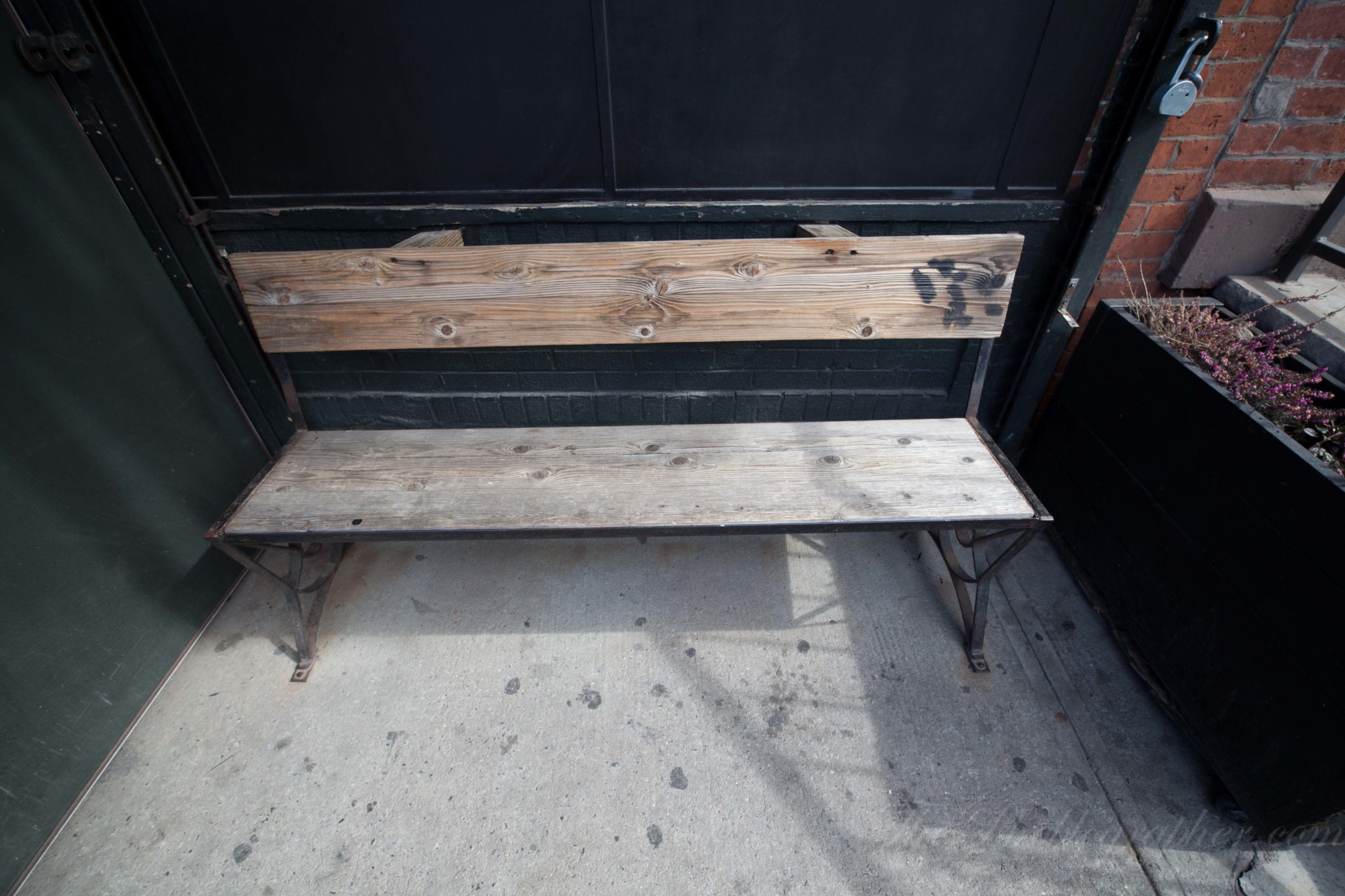


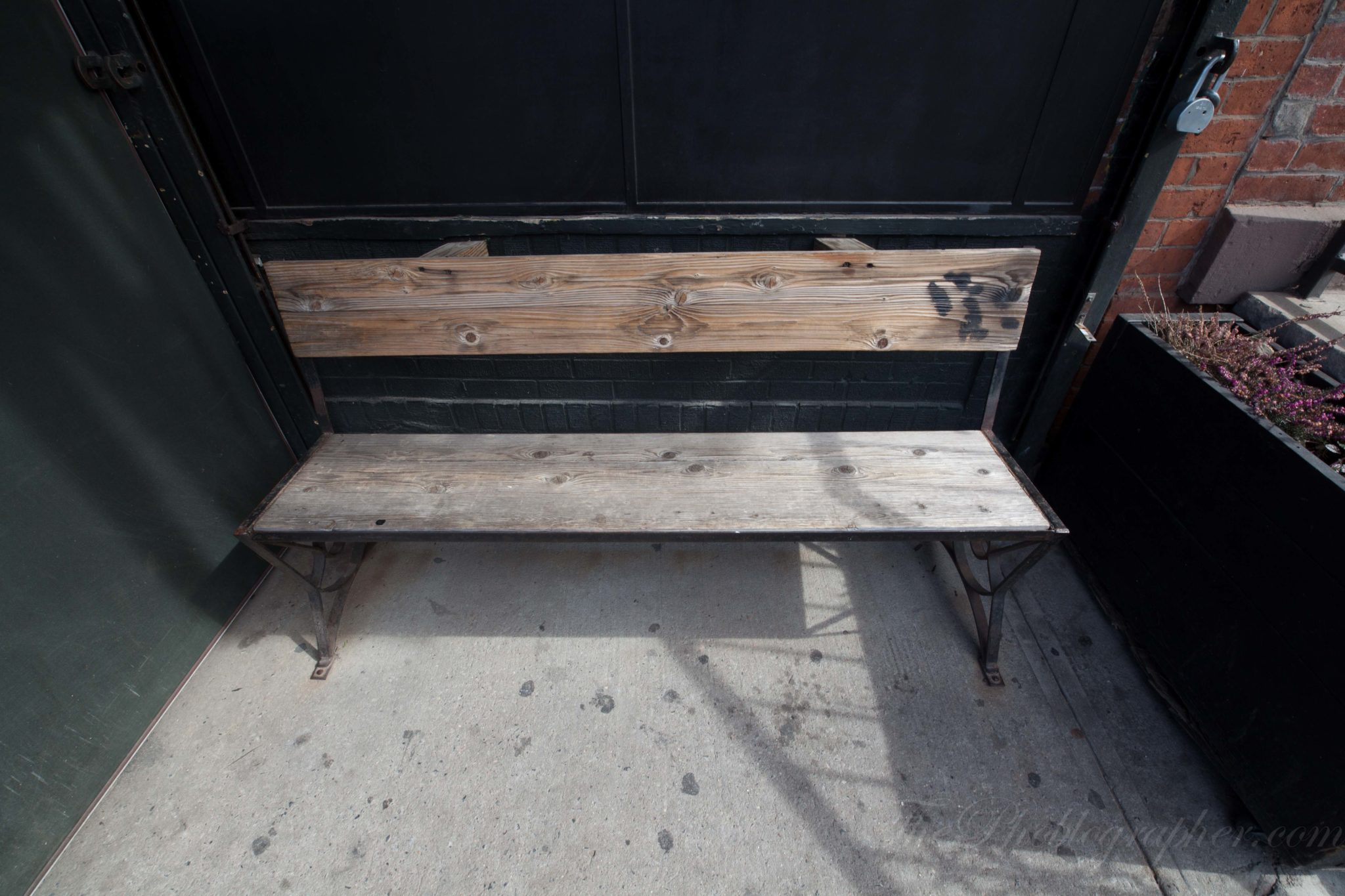
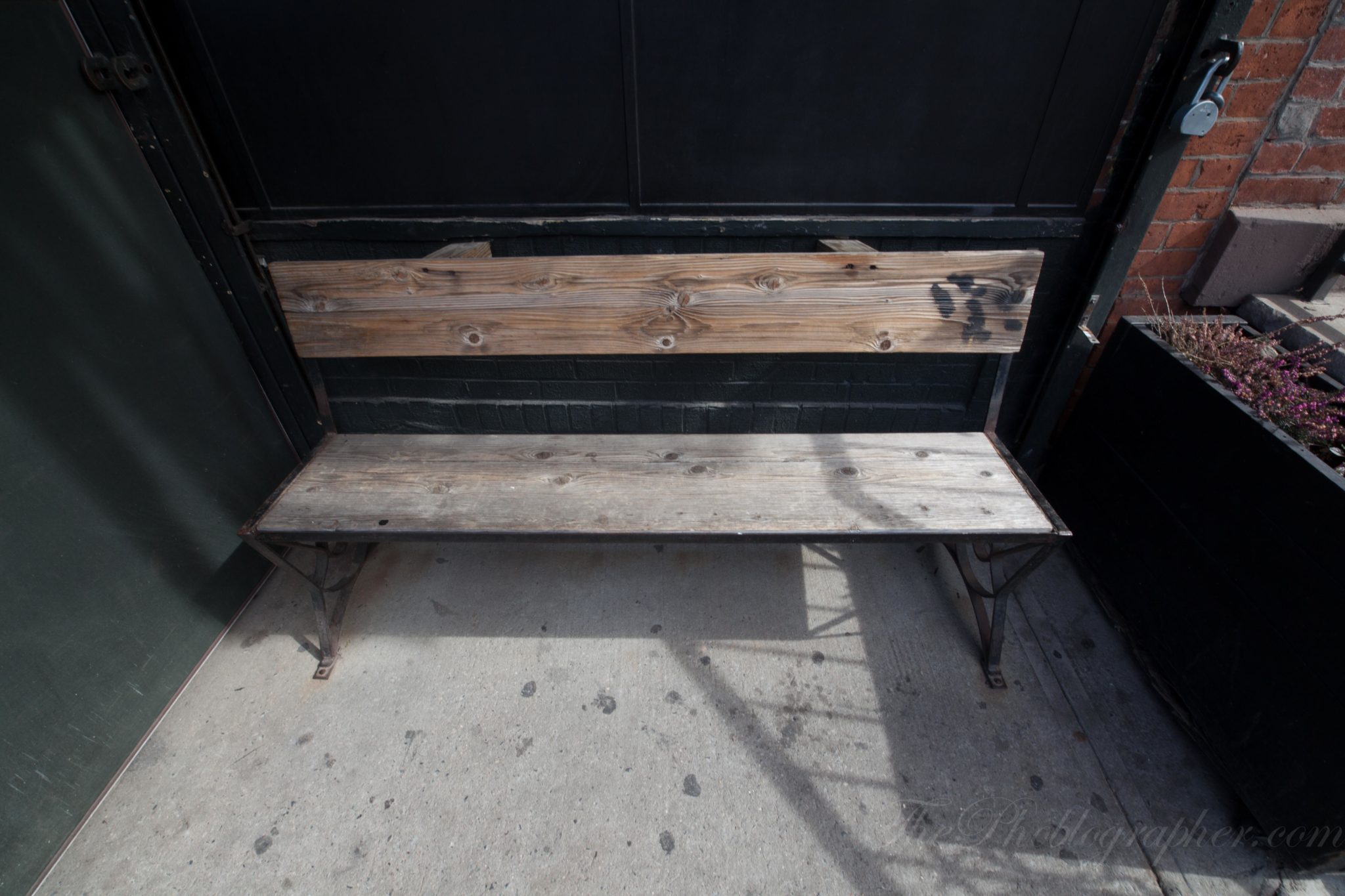

Distortion
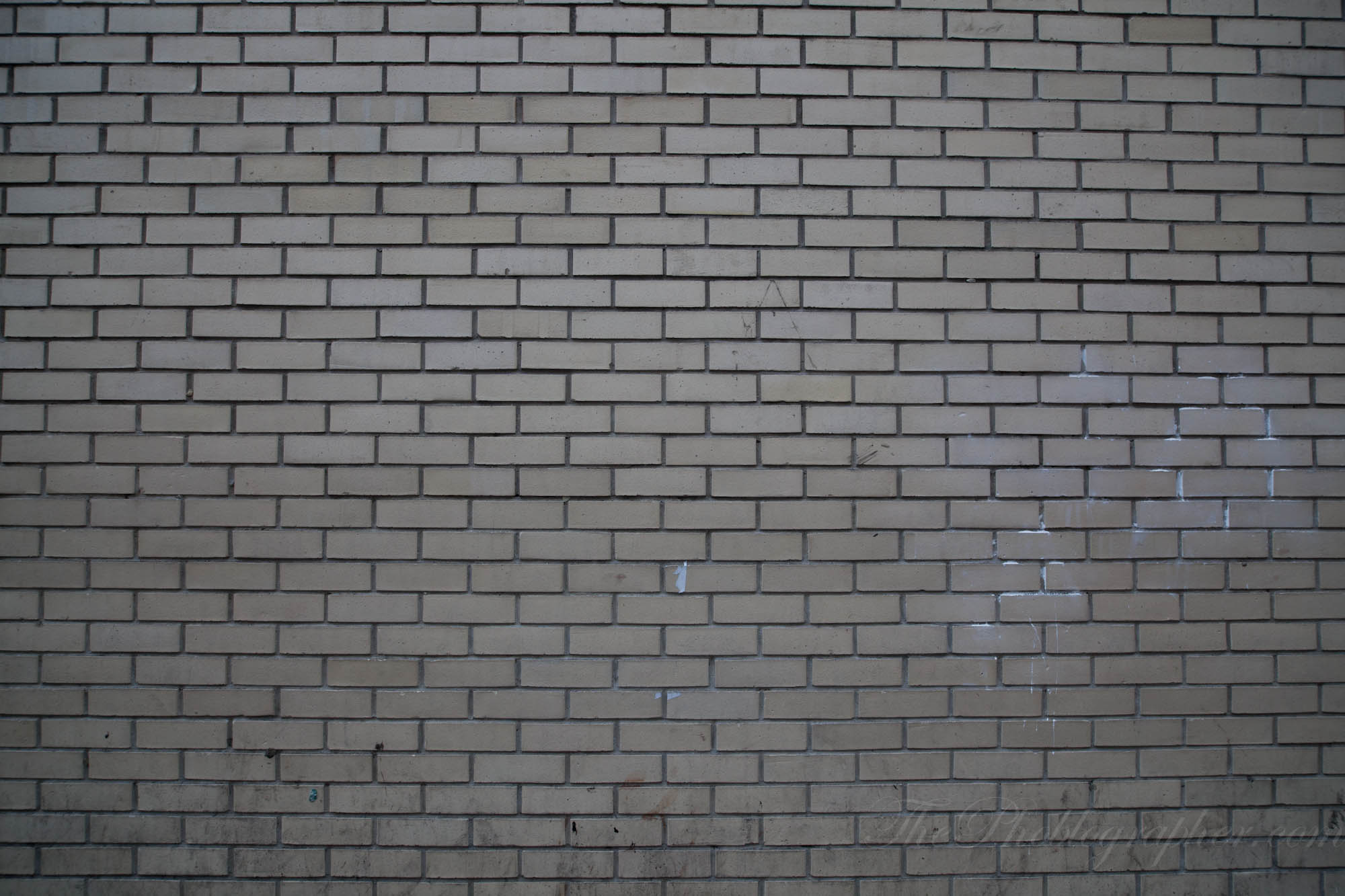
This was an extremely informal distortion test. And to be honest, I wouldn’t normally do these, but the nature/design of the lens begged that I try this. I shot a brick wall straight on. The image above was a raw converted straight to JPEG. Take from it what you will.
In the end, myself and the staff here at The Phoblographer would never care to sit here shooting photos of walls or charts. We’d much rather be out there shooting real photos and we’d encourage you to as well instead of spending hours and hours of your time on the internet pouring over lab tests.
Video Test
Here’s a quick video I shot with the lens on the Canon 5D Mk II. It contains all unedited footage shot with the Technicolor profile and a custom one.
Ease of Use
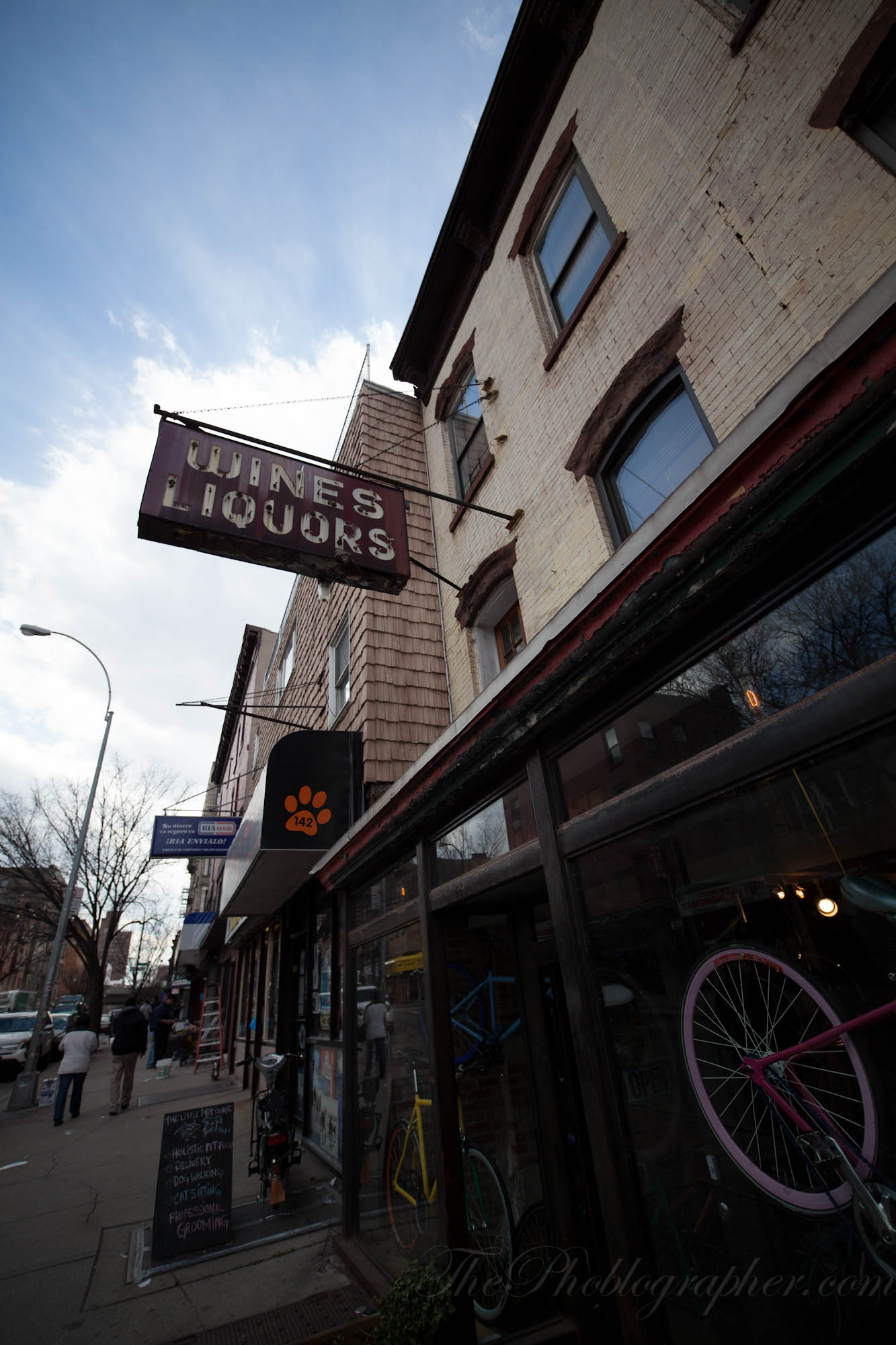
Shooting this wide can become very hard to get used to. I wouldn’t recommend it to everyone, but it sure is very fun to use.
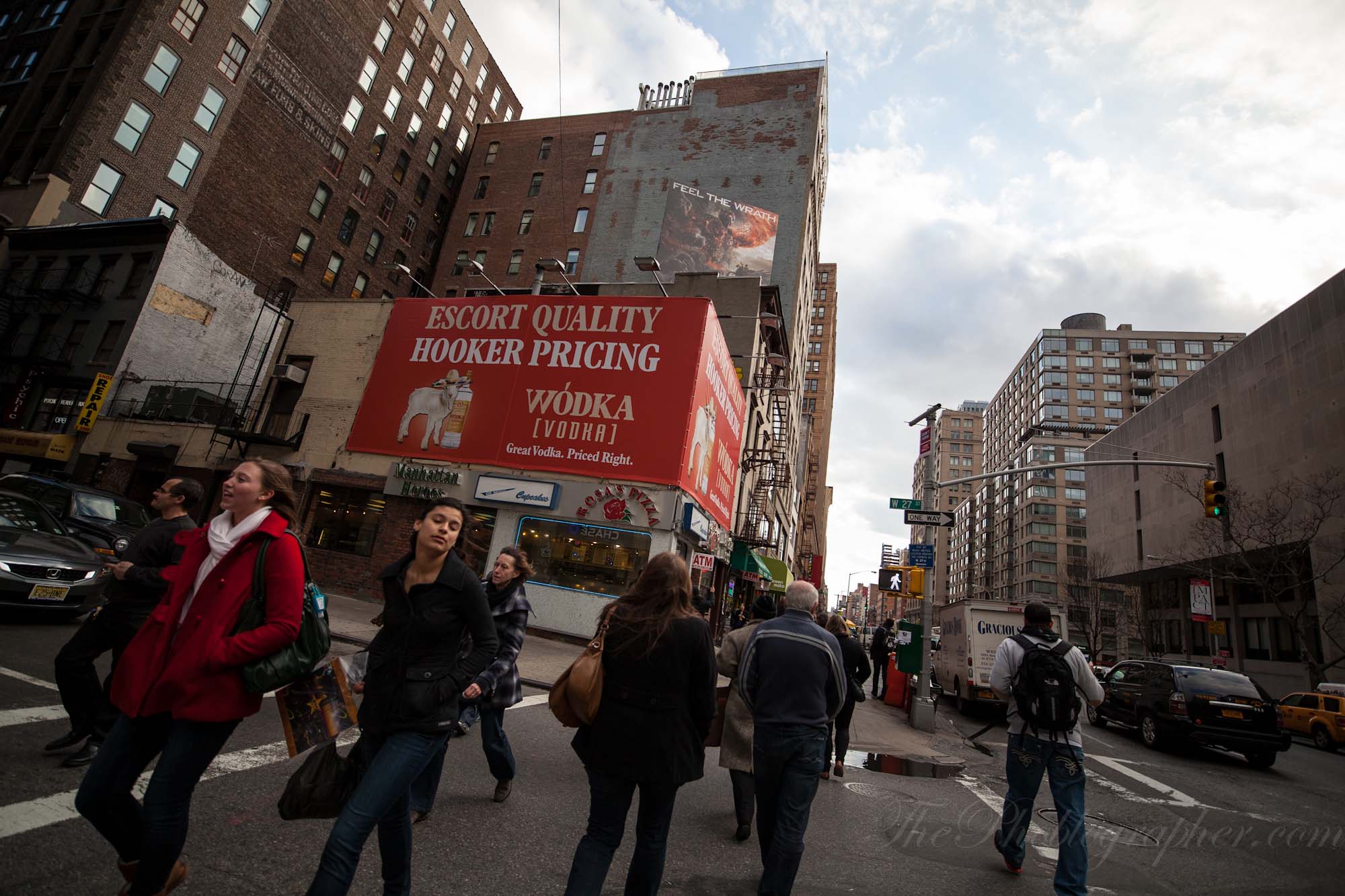
In fact, street photographers that often want to capture an entire scene will be in love with this lens. Try getting up to someone at the 10 inch minimum focusing distance though and chances are though that they will still look fairly far away. The photos of the woman on the High Line in the previous section were shot from 10 inches away. Once again though, this is characteristic of wide angle lenses. This particular lens though is much wider than nearly anyone would typically use for street photography.
Conclusion
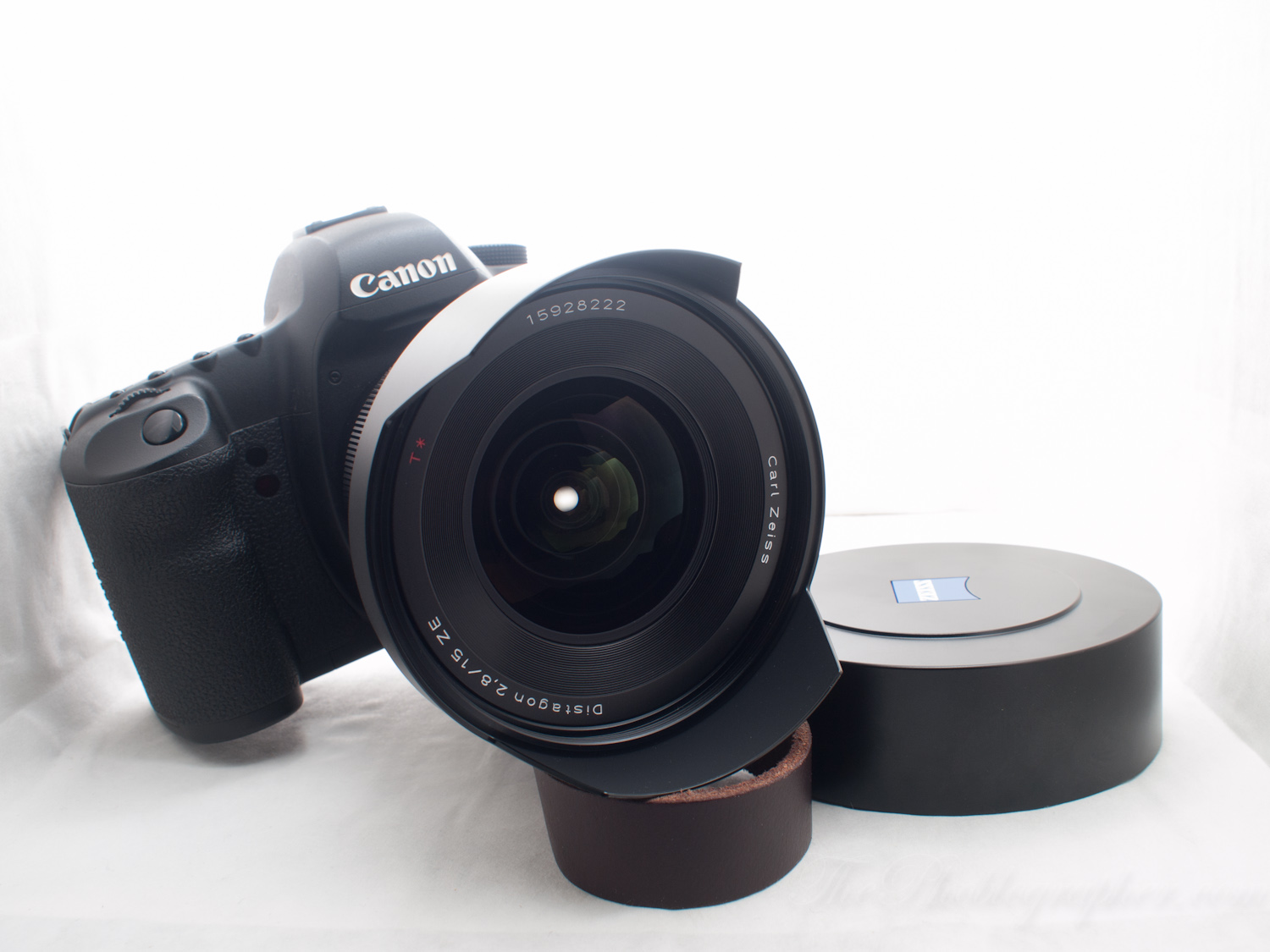
At the time of my writing this conclusion, I have spent quite a while with the lens. I’ve had a ton of fun with it. With that said though, I’m going to fire off a couple of quick remarks. First off, I would personally never shoot this wide. This lens is meant for architecture, landscapes, events and scenic shooting. If you’re out there making money from your landscapes and architecture, then I want to tell you to go search around the internet for pre-orders (ships in May), get your credit card in hand, and purchase this lens for $2,948.00. The build quality and image quality is spectacular. The fact that Zeiss was able to create such a lens with little vignetting, distortion, and yet maintain such remarkable sharpness is very praise-worthy in my eyes and on my calibrated screen.
Like most Zeiss lenses, the color rendition is best when shot wide open. Thankfully the lens also has an AF confirmation chip; which makes it a true beaut.
My only major complaint is there this lens lacks the bucketloads of micro-contrast that the other Zeiss lenses have that therefore make the subject in focus pop out of the image with a nearly 3D-like effect.
Otherwise, it is a very large lens; but it has to be due to the design.
In the end, I can only give this lens my highest recommendations to landscape and architecture photographers.
But for me: who shoots portraits and events; the company has other options that are more attractive.
Please Support The Phoblographer
We love to bring you guys the latest and greatest news and gear related stuff. However, we can’t keep doing that unless we have your continued support. If you would like to purchase any of the items mentioned, please do so by clicking our links first and then purchasing the items as we then get a small portion of the sale to help run the website.