

Last Updated on 10/06/2014 by Julius Motal
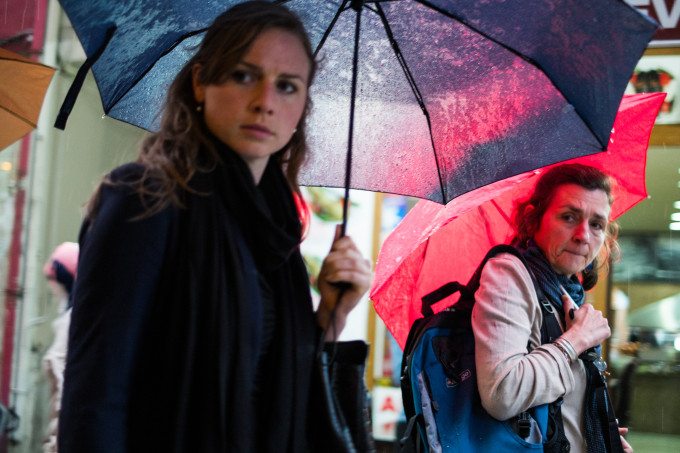
Photographs are meant for paper–not screens. This might seem like a contradictory statement, given that you’re reading this on some screen and that the lead image is one of my own. Yet, to photograph literally means “to write with light.” Your ability to look at images on a screen online is predicated on your device’s battery and the availability and strength of an internet connection. Paper has its own problems largely its susceptibility to the elements–but photographs look and feel better on paper, and it’s good practice to occasionally move your images from screen to sheet.
Your ability to look at photographs on a screen is largely governed by your screen’s real estate. Try organizing your photos on your phone based on the square half-inch previews they’re accorded. That goes for iPhones. I don’t know what the case is with Android. Similarly, opening a series of images on your computer leads to a similar conundrum. You can usually have one full-size image shown at a time. Your ability to rearrange is governed by the software you’re using. Moreover, looking at a screen for too long is hard on the eyes.
Printing liberates your photographs. On paper, your images are a part of the physical world. Data has no substance. A gigabyte isn’t a physical thing. Printed photographs, however, give you a certain degree of latitude that files don’t.
Editing becomes a physical thing. Rather than clicking and dragging a file, you pick up and move photographs. You directly interact with what you’ve made, which is a very fine thing. A photo on a screen is a photo on a screen is a photo on a screen. It’s important to see how your images live and look in a physical space, and working them on a desk, a floor or any other flat surface can give you a better sense of how they work sequentially.
That aside, photographs feel better on paper. If you’re in the practice of film photography, you know this already, but for digital shooters, it’s almost like an awakening. Granted, film has a certain aesthetic that digital can’t quite capture yet, and that explains why there are so many programs and plugins that offer film emulations. You never see it the other way around. There isn’t a single roll of film made that has “digital quality” on the canister.
Get rid of the ads!
Did you enjoy reading this article as much as we enjoyed writing it? There's a way to support us and our reporting, getting ad-free navigation and more as a bonus. Subscribe to us for less than a coffee per month —just $3.99— or take advantage of our yearly subscription with a hefty discount for only $25.- An ad-free experience
- A free mystery box for Lightroom or Capture One
- All the books in our store
- 20% discount on Capture One
- 30% discount on Imalume Photo Theft Protection
- 20% off Herbs and Kettle Tea Company.
- 20% off your order from MPIX printing services.
- 5% off Viltrox Products via their eCommerce store.
- 10% off all film developing, printing and scanning services from Blue Moon Camera and Machine
- 15% off 7Artisans products: The lens and accessory maker is offering a sweet discount for Phoblographer's readers.