

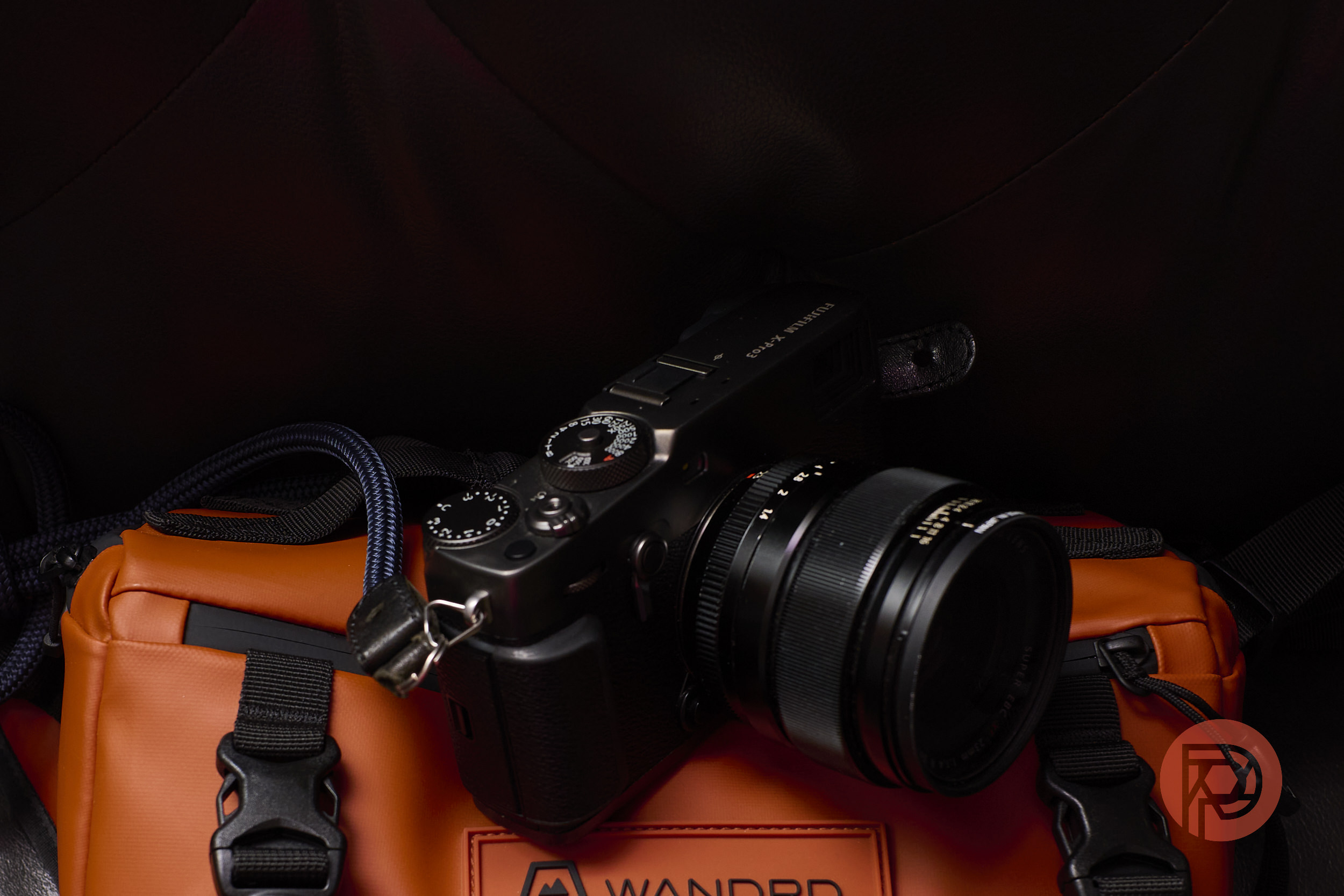
There are some things in our life that find a way of sticking around. Like old friends that can part ways for a season and return as if their departure were only a few moments earlier. I don’t like to get sentimental about gear. Cameras are simply tools that allow photographers to do the job of creating images for work, or simply to remember a moment. It’s been several years since I’ve used a Fujifilm camera exclusively for work, and to be honest, I’ve never actually used the X-Pro 3 with the intention of it being a workhorse camera. But over the past week and few days, I’ve returned to using the Fujifilm X-Pro 3 as my only camera (within reason). It reminded me of just how much joy this camera brings me.
This article is an update to our Fujifilm X Pro 3 review. You can find the full review here at this link.
Does the Experience Hold up in 2026?
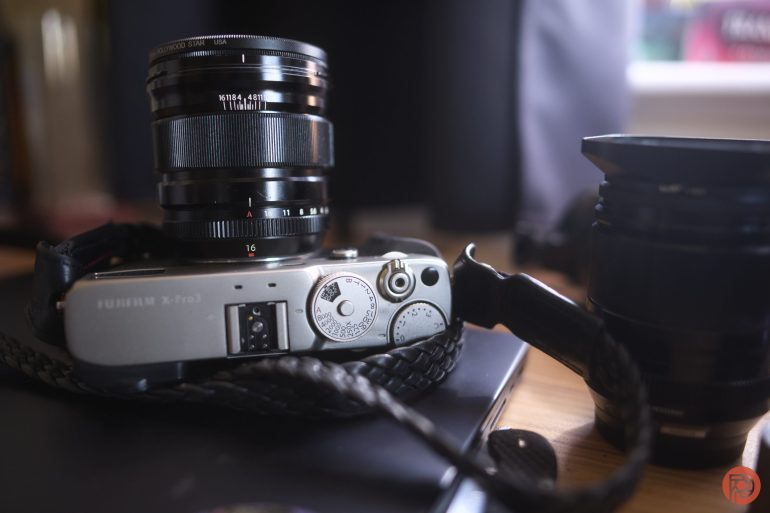
One of the biggest gripes from other publications and (especially) the influencer community about the X-Pro 3 was Fujifilm’s decision to employ a fold-away rear LCD screen. At the time, Fujifilm was riding high on both camps praising Fujifilm’s “film-like aesthetic.” By my estimation (read: assumption), Fujifilm took this feedback and decided that they would truly try to give photographers an analog film experience with the X-Pro 3. Turns out that what most of those people wanted was more filters.
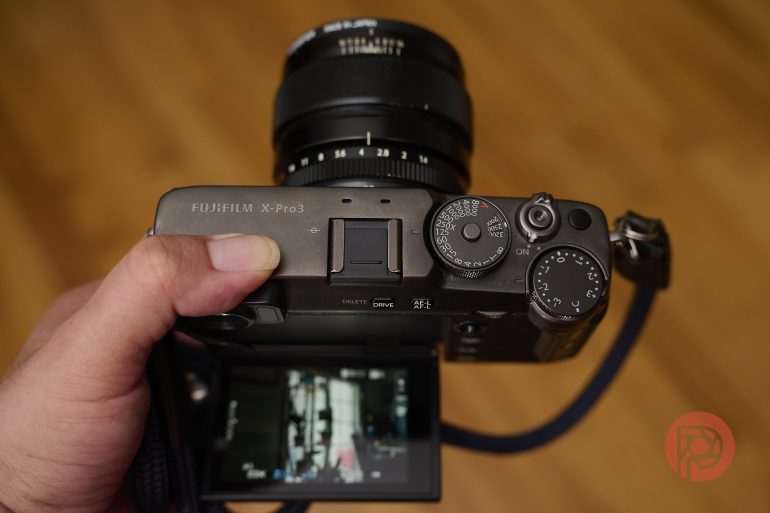
Almost seven years later, I’m still happy to report that they are unequivocally wrong. I always found it telling that the Fujifilm X-Pro 3 had gotten so much hate over something that Leica has been doing for years before Fuji with its M-D line of M-Series Cameras. By no means do I say that Fujifilm X-Pro 3 is like using an M-D, instead they both share a common ethos to the approach of photography – that is to eliminate any unnecessary distractions from creating a photograph.
One of the most common ways I still use the hideaway screen is as a makeshift waist-level finder. I’m sure this wasn’t exactly the intended use for its design, but it is extremely effective when out in the street or when you’re otherwise not trying to draw too much attention to your presence. At a recent community service event with my church, I was able to disappear into the background, capturing scenes from the event without drawing much attention, or suspicion, from the attendees and volunteers.

During my week (and some more) of using the X-Pro3 exclusively, the biggest hurdle I found when using the camera was the comparatively poor auto-focusing performance. I picked up the X-Pro 3 again after spending a month using the Sony a7R VI, GFX100 II, and even my a7III, each of these cameras make the autofocus on the X-Pro 3 feel archaic, especially when using features like Subject Detection. That’s not to say that the X-Pro 3’s AF is unusable, but it goes to show you how far AF technology and improved imaging processors are doing the heavy lifting behind the scenes. One quick remedy for this has been to use the camera in single-point AF as close to center as possible, lock in focus, and recompose. This may seem like a drag, but I forget how much more accurate and faster this method is, especially on this camera.
Image Quality in 2026
One of my favorite aspects of shooting with the Fujifilm X-Pro 3 is just how good and flexible its Film Simulations can be. If you’re the kind of photographer who would prefer to get it right or as close to right as possible in-camera, the Fujifilm X-Pro 3 can deliver some of the best images you can make. At recent community service event, I wanted to help my local church capture their latest initiative but didn’t want to spend any time editing photos. There are a few Film Simulation Recipes that I’ve been testing and some that I’ve found myself going back to on a regular basis. These made the event a matter of documenting and looking for ways of telling the story, more importantly, I knew I would not need to do anything but send over a batch of JPEG files. No editing necessary.
Below are a set of unedited samples:


Here are the edited ones, mostly crops:


Buying the Fujifilm X-Pro 3 in 2026
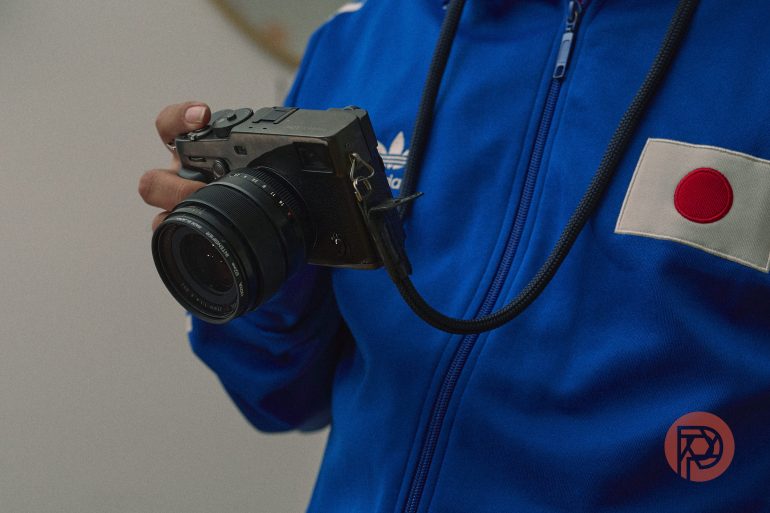
This is the third time I’ve bought this camera – the first time was shortly after its launch. The second shortly after the start of 2021, and finally (and permanently) at the end of 2024. The first time I sold the camera I did so at a loss. When I first repurchased the X-Pro 3 in 2021 I paid very close to its MSRP of $1300. The last time I purchased it, I paid $1500 – $200 more for a used camera. Despite the poor value, I’m still very happy with my decision. The camera has been perpetually out of stock since its release, and it is one of those cameras that regularly sees a bump in the secondhand market whenever a YouTuber Christopher Columbus’s the “digital analog camera that Fujifilm makes.
If you’re only chasing the high of a popular camera, there are others that you will find to be far more practical and honestly, cheaper than this one. But if you’re looking for a camera that will help you focus on the process of making an image – no distractions before or after you hit the shutter – then the Fujifilm X-Pro 3 should be on your wish list.
Get rid of the ads!
Did you enjoy reading this article as much as we enjoyed writing it? There's a way to support us and our reporting, getting ad-free navigation and more as a bonus. Subscribe to us for less than a coffee per month —just $3.99— or take advantage of our yearly subscription with a hefty discount for only $25.- An ad-free experience
- A free mystery box for Lightroom or Capture One
- All the books in our store
- 20% discount on Capture One
- 30% discount on Imalume Photo Theft Protection
- 20% off Herbs and Kettle Tea Company.
- 20% off your order from MPIX printing services.
- 5% off Viltrox Products via their eCommerce store.
- 10% off all film developing, printing and scanning services from Blue Moon Camera and Machine
- 15% off 7Artisans products: The lens and accessory maker is offering a sweet discount for Phoblographer's readers.