

Last Updated on 06/08/2026 by Chris Gampat
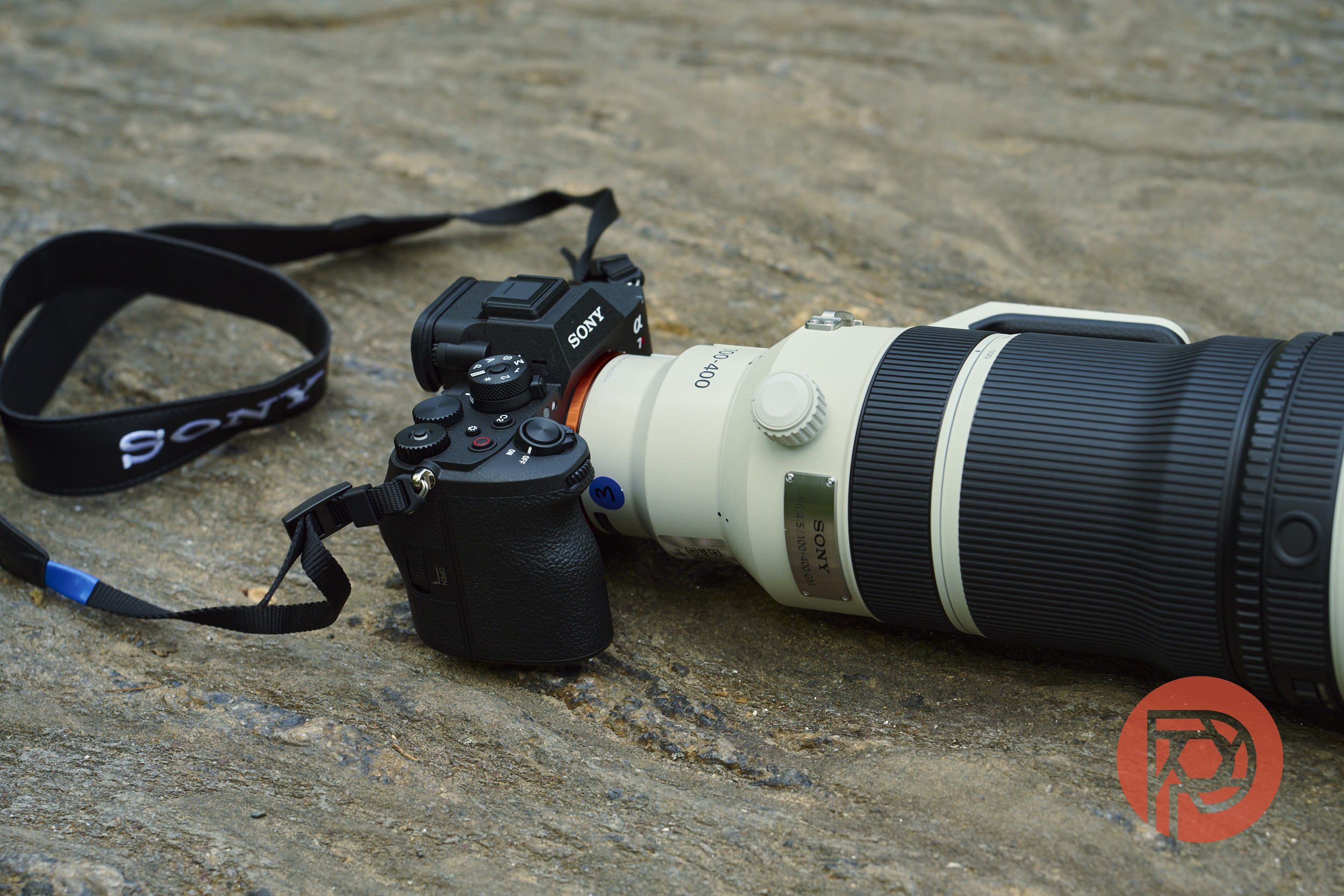
Sony’s latest G Master lens might’ve been one of the industry’s worst kept secrets. That being said, the Sony FE 100-400mm F4.5 GM OSS is finally here and while the specs might have been leaked well in advance of its official announcement, specs are only part of the story. At 100–400 mm, it’s expected that a lens with this reach will be on the larger side, but is it going to feel like a millstone around your neck?
Table of Contents
The Big Picture: Sony FE 100-400mm F4.5 GM OSS Review Conclusions
This story is still developing.
We were invited to Sony’s launch event in New York City (May 2026) and as of this writing, we’re treating this as a first impressions of the lens. We’ll be updating with a full review and rating of the lens in the near future.
Update June 2026
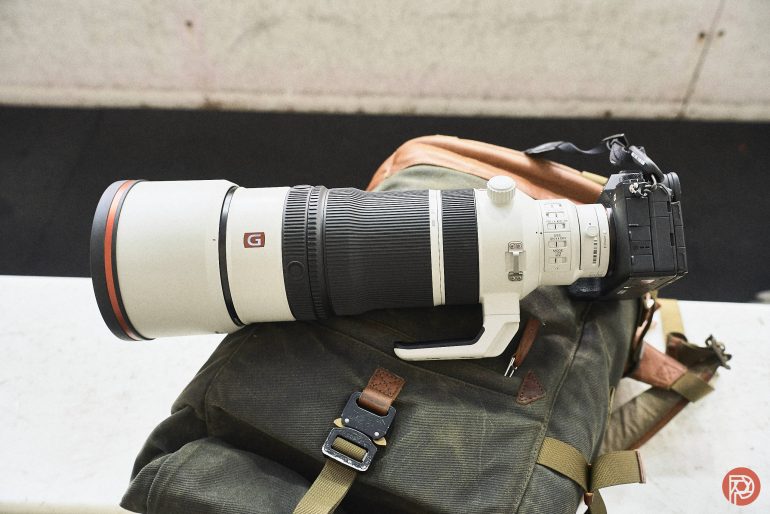
What can we say about the Sony 100-400mm f4.5 G Master lens? Well, at its base, it’s a lens that does exactly what you’d expect it to do. Sony took the innovative route here with a massive lens that’s very lightweight and that has a constant aperture. And sure, it works in good lighting and when the humans that you’re photographing are will lit or aren’t all that dark. Extra credit is given to Sony for making such a well built lens that’s so lightweight. When I was done reviewing the lens, I thought that Sony’s A1 II and even the Sony a7r III could be used with this lens and pretty much eliminate the need for doing a lot of excess work to get the shot. Really, the lens is that good and there wasn’t a single moment where I felt like I was struggling with it.
My biggest problem with it is the price above $4,000. I think that’s exorbitant. Sure, there’s nothing like this out there. But Japanese products often tend to be really super expensive but don’t have the support to back up those products. This is really one of those cases that feels like I’m paying $1,200 whiskey that tastes the way that America bourbon used to taste like before the entire industry was disrupted.
I’m giving the Sony 100-400mm f4.5 G Master lens 4 out of 5 stars.
- Good image quality that’s sharp, but not super sharp.
- Good autofocus in good lighting. But even with the Sony a1 II’s 30% improvement to human focus in low light, the autofocus can still struggle with people that have noticeable melanin in their skin.
- Lightweight, very much so. I didn’t need a tripod or a monopod; but also remember that I am well conditioned and do both boxing and hot yoga several times a week.
- Survived being kicked by a soccer player and them tripping over it and even being hit by a soccer ball.
- Weather resistance is there for sure.
- This lens shouldn’t be this expensive. It should be $3,200 max. If Sigma made it then the price would be cheaper. Same with Tamron. And if a Chinese company made it, it would be even cheaper with similar performance. You’re paying for the, “Sony” label in the same way that you’d pay for the “Leica” label just without the insanely long warranty.
Experience
This story is still developing.
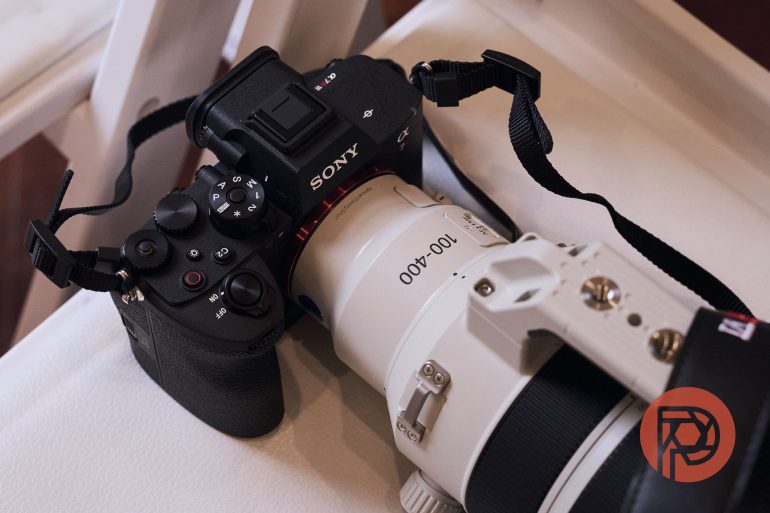
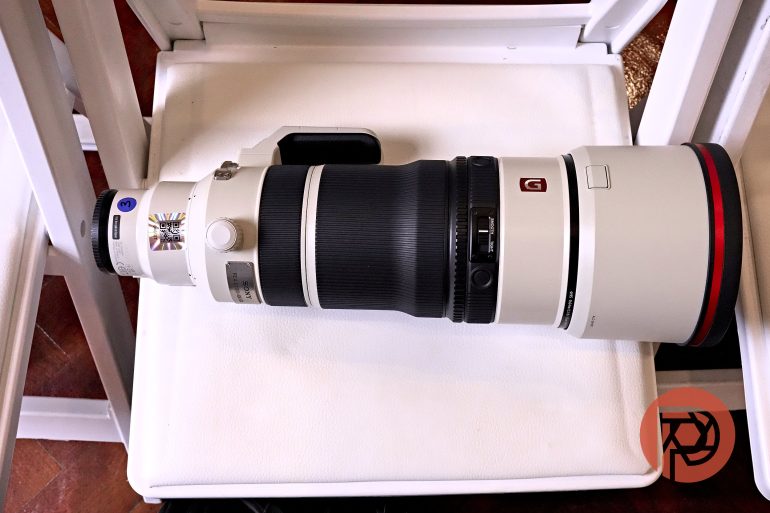
As you can see from the lead image, this lens is a UNIT. It’s huge; when paired with the Sony a7R VI and with the lens hood attached, this lens is longer than a standard sized chair is wide. That’s a lot of glass, metal, and rubber that went into building this lens. But what I found absolutely confounding was just how light this lens is. At “only” four pounds, the lens looks like it should be a lot heavier. So much so in fact, that I couldn’t get over just how much lighter it was compared to the Tamron 150-500mm F5.3-6.7 DI III VC VXD which we tested with the Sony a9 III.
Beyond the weight, my initial tests were limited as the event space was too tight to really explore the full range of the lens’ focal lengths. That said, I’m cautiously optimistic based on the handful shots I got of birds in Central Park and a dancer in Sony’s event space.
Update June 2026
Let me start out by saying this: a big thank you goes out to both Alex at Nike Community Experiences and to both Andre and Sam at Beer Mice Hockey League for letting me shoot.
The Sony 100-400mm f4.5 G Master was loaned to us by Sony along with an a1 II. I tested the lens with my Sony a7r III because I strongly believe in the anti-capitalist idea that photographers can do great work with the gear that they have already.
When I brought this lens to sporting events and spoke with the other photographers there, everyone wondered if this was an f2.8 lens or not. Why? Because it’s so large. Instead, when I told them that it’s an f4.5, they were amazed. Plus, everyone was really shocked at how lightweight it is overall.
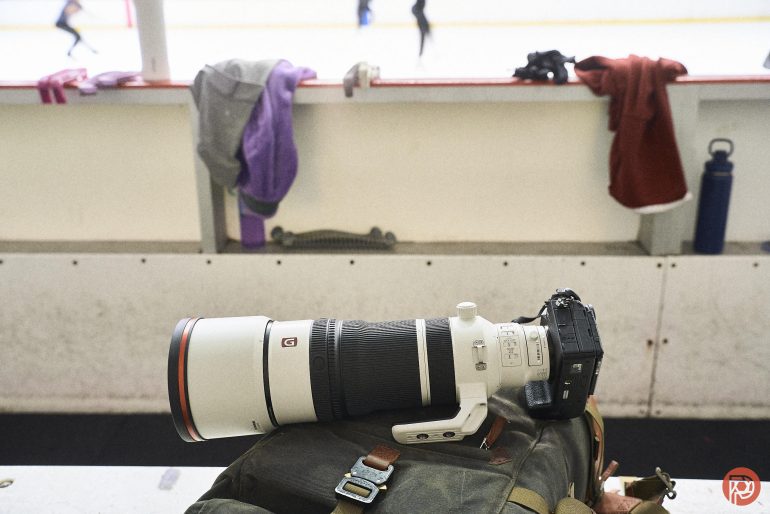
Often, I’d have it packed into my Compagnon Backpack in the rolltop compartment. And while it wasn’t all that heavy, I still opted to talk Ubers with it everywhere partially because I was really tired after shooting with it for a while. It might be the weight of the lens and the gear, but I’m more inclined to say that it’s because it’s the summer and it’s very hot out. I don’t do well in the heat. If it were the cooler months, it would probably be a different story.
This lens is pretty massive overall. There are lots of controls on it from OSS, focusing locks, a slide-in filter, and others. But most of the time, I feel like all photographers will care about is the zoom ring. Thankfully, the zoom throw isn’t all that much. So when zooming in and out, I didn’t feel like I was cranking the lens forever to get my subject in focus. That can be tightened up and the tension can be adjusted as well.

Sony bills this lens as weather resistant. We didn’t take it out into the elements, but it surely did survive some abuse. At one point, I was on the sidelines of a soccer game and an athlete tripped over the lens and ran into me. The lens survived with no issues at all, I was quite shocked. Then when I checked in on him, he was alright too. At another point, the lens shielded me from a stray ball and it kept on working. I sincerely feel like that’s proof that this lens will survive a ton of abuse. Good job, Sony!
In the good daylight hours, the Sony 100-400mm f4.5 G Master did a great job finding human subjects, in this case, I’m talking about athletes. But when the twilight hours came for the soccer games, it got so dark that other photographers even stopped photographing because their lenses and cameras couldn’t focus. Plus, the super high ISOs that they’d need wouldn’t yield them great results.
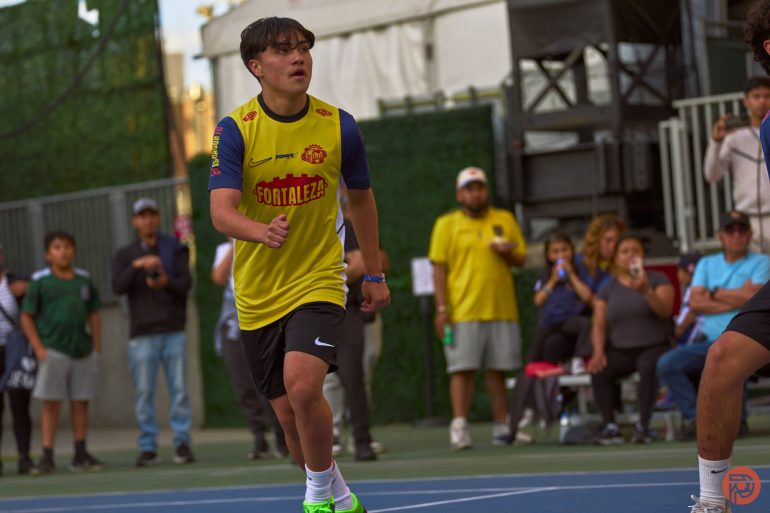
The Sony a1 II was billed as being 30% better at focusing on people in low light. And yes, it indeed is better than older Sony cameras. We noted this in our review of the camera when we tested it for events. This, however, is the first time that we’ve used it for real sports photography. But even then, it couldn’t handle the sheer diversity of Queens, NY with the 100-400mm f4.5 G Master attached. The autofocus just couldn’t keep up with athletes who had noticeable amounts of melanin in their skin. In the past, I’ve accused Sony in their lack of addressing this to the point of even calling their actions racist. But they’ve made strides forward, and Sony needs to make even more.
Let me give you some frame work here: I also brought along the Nikon Zf with the 7Artisans 135mm f1.8 lens and made the following image.
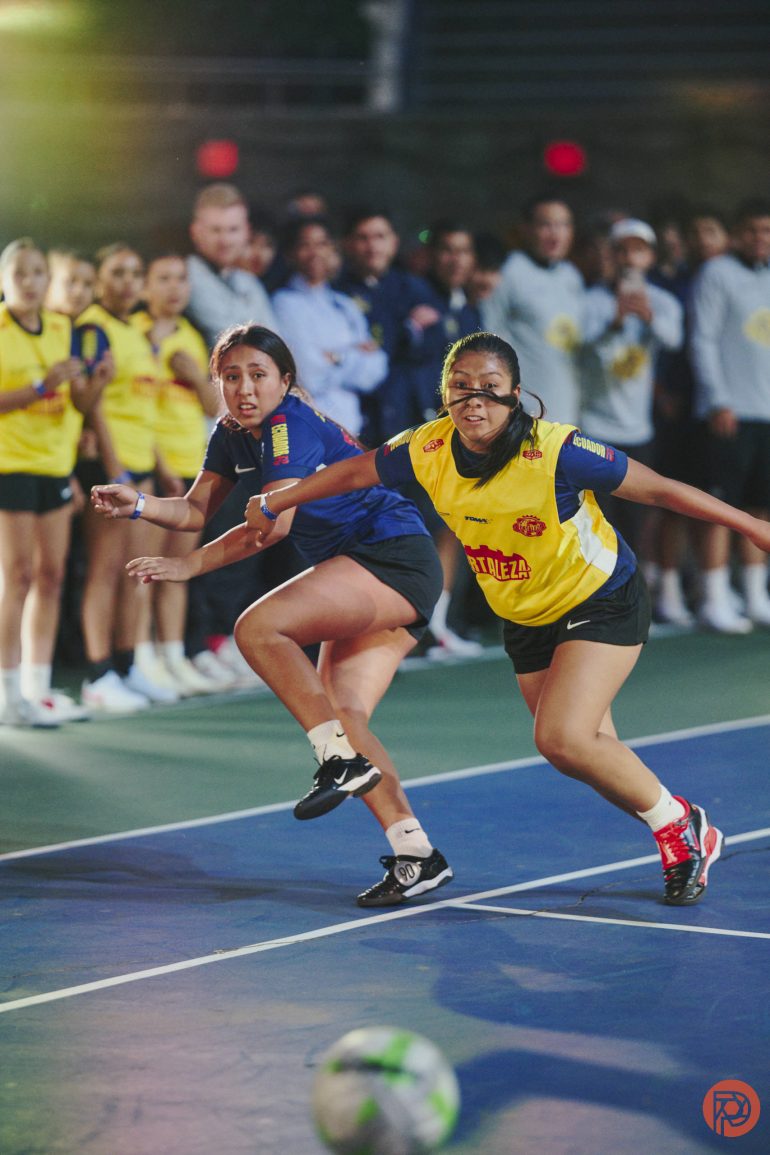
If the Nikon Zf and Chinese-made lens can nail the subjects, why can’t Sony? Let alone I used a 135mm f1.8 — with shallower depth of field. And my Nikon Zf has a mist filter on the sensor. More importantly, the whole package is far more affordable than the Sony a1 II. But Nikon has, for years now, been the best at autofocus of people of color in low light.
Come on, Sony. How do you let Nikon run circles around you? Perhaps this is often why I feel real photographers choose Nikon over other brands.

Now here is where things got really weird. When I was talking with the athletes at Beer Mice Hockey League, they told me that the lighting at World Ice Arena used to be so much better for photography. But it got worse and now it’s pretty dark. That’s indeed the case. However, the Sony a1 II and the Sony a7r III were able to lock onto subjects as they moved. Their helmets sometimes got in the way of focusing on their faces and eyes. But at other times, it worked just fine with the 100-400mm f4.5 G Master.
For the record, the Sony a7r III is a nearly 10 year old camera. It did a pretty decent job for sure even with continuous burst shooting. But the Sony a1 II still focused faster and often better. At the same time, with images resized down to web resolution, no one would be able to tell the differences if these were posted to something like the Athletic. With that said, know that you can probably use this lens with your older cameras and still get really solid results with autofocus performance. Just don’t expect them all to be bangers and know that you’re going to have to adapt at times and instead of focusing on faces, perhaps focus on bodies while tracking them in AF-C mode. Thankfully, you still have a constant aperture to work with instead of more variables; so you can shoot in aperture priority locked to a super high ISO as you need.
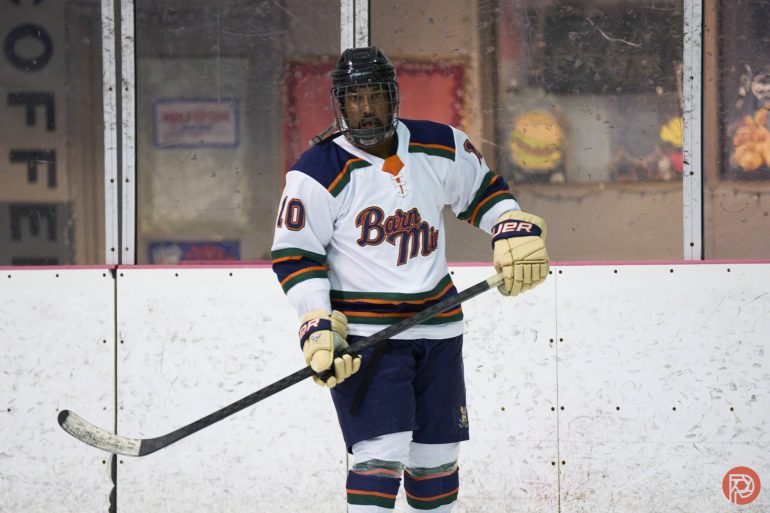
Above, you can find a great example of the lens and camera system not being able to find someone with noticeable melanin in their skin. This isn’t great for diversity in sports, and it’s one of the reasons why I’m so discouraged from using some camera brands vs others.
Granted, this problem is still something that happens with the Sony a1 II far less than with other cameras. Even the a9 III got a bit of an update to fix this. And from my understanding, the Sony a7r VI and the Sony a7 V also have better autofocus in situations like this. We have yet to do tests with them and this lens though. And at the moment, we don’t plan on doing them. I challenge any influencer, Youtuber, professional photographers, or even journalists to try to refute this claim though while being as transparent as we are.
Image Quality
This story is still developing.
The following images are JPEG images taken with the Sony a7R VI during Sony’s launch event. We look forward to testing this lens in real-world conditions in the very near future.
Sraight out of camera JPEG samples below:


Here are some edited images, mostly cropped images:


Update June 2026

Sony’s telephoto lenses tend to be really, really sharp. And in this case, I’m kind of surprised. Sony didn’t go super duper insanely sharp with the 100-400mm f4.5 G Master. For that, I’m shocked as this is an admirable move that makes athlete look better and therefore cuts down the need for excessive editing at times. If you’re a photojournalist though, you probably won’t care about smoothing out the skin in the scene and instead, you’d just use the built-in processor for that.
The lens boasts really nice bokeh and a bit of pop to the subject. But even then, I didn’t find myself looking at the images at the back of the camera and staring at it with amazement at how sharp the scene is. I’ve done that with other Sony lenses — and even so, it’s not on the level that I’d expect from a Sigma lens.
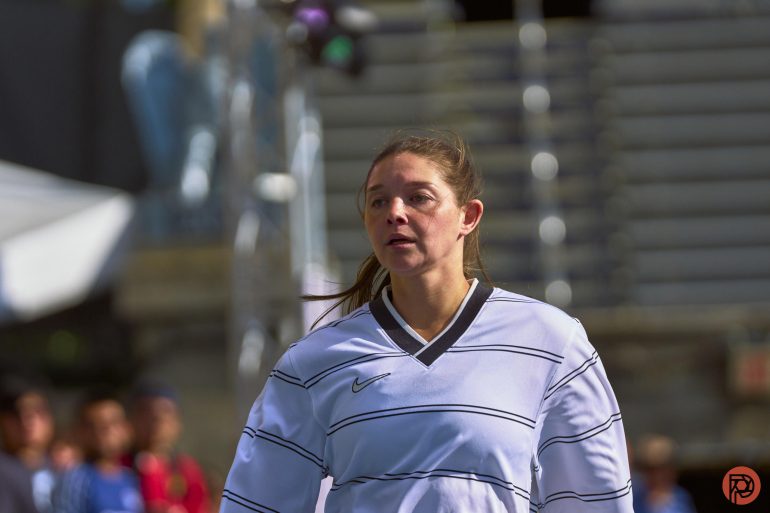
Just a reminder, when you shoot a lot of images, I always recommend photographers to go through their photos in-camera and then star-rate them. It speeds up the culling and editing process so much more and it’s done by a human. It also can save hard drive space if you choose to only import your starred photos.
All of the images that I’m posting here have been edited in Capture One. The images are from both the Sony a1 II and the Sony a7r III (my own unit.) You’ll see as you click through the images that there are autofocus issues like I speak of.


Do You Really Want To Buy From Sony?
We believe that everyone should be aware of the ethical decisions that they’re making when they spend money. So to do this, we research the companies that whose products we test and make folks aware of both possible concerns and reasons to feel great about giving a company your money.
Here’s what we’ve got for Sony:
- Sony’s emphasis on inclusivity is stronger than many others. They’ve done initiatives for low-vision photographers in addition to projects like the Alpha Female program and Create Action.
- Sony has done philanthropy work to support music education and arts education. Much on their website doesn’t talk about it in detail.
- Sony has done work to help non-profits, and their employees have a history of volunteerism.
- Many years ago, Sony purchased Minolta and kept almost nothing of the identity of the brand. Japanese companies tend to do this with the brands they purchase.
- Lots of news agency photographers don’t typically reach for Sony. They only do because of agency deals. This should make you question their authenticity when you see Sony gear everywhere.
- Sony’s problems over the years have taken a really long time to fix. For example, for many years, their cameras weren’t so great at autofocus on people of color in low light. But they responded and fixed it. The same goes with apparently learning lessons about working with third-party companies, even those that don’t have a license to create lenses to E-mount.
- Sony is involved in a lawsuit in part with Capture One for discontinuing the license to Capture One Express for Sony.
- Sony is one of the brands that talks about moisture resistance and splash-proofing but doesn’t hold their products to their warranty protections for this.
- Sony has been suspected of using troll bots and commenting farms to make their brand look better.
- Sony’s website has an “influencer and endorsement guidelines” page that discusses giving things away for promotion. They’ve at times circumnavigated these kinds of transactions using third party companies. Therefore, they admit that they do provide products for free promotion. You should keep this in mind as you consume review-based content on the web.
- The Sony a7 III was the subject of a class action lawsuit regarding a shutter issue.
- Sony’s Playstation store has been the subject of multiple hacks where user information is leaked over and over again. In fact, there was a class action lawsuit about it. The company then switched the program to imaging edge and now the Creator’s app. If you give Sony your information, know that it may be subject to a leak.
- Several years ago when full-frame E-mount launched, Sony had an initiative through the PlayMemories store to bolster their cameras using a paid app store. Photographers could add a time-lapse mode, a light painting mode that let you superimpose the light trails onto other photos, a form of live composite, multiple exposures, touchless shutter, star trails, and a smart remote control. They’ve been shelved since the launch of the original Sony a9. Please know that Sony took this away from consumers and never gave the features back.
- Sony is notorious for not discontinuing older cameras and yet not providing firmware or warranty support for them. For example, the Sony a1 is listed on their website as brand new when the Sony a1 II was released at least over a year ago.
Declaration of Journalistic Intent
The Phoblographer is one of the last standing dedicated photography publications that speaks to both art and tech in our articles. We put declarations up front in our reviews to adhere to journalistic standards that several publications abide by. These help you understand a lot more about what we do:
- At the time of publishing this review, Sony isn’t running direct-sold advertising with the Phoblographer. This doesn’t affect our reviews anyway and it never has in our 15 years of publishing our articles. This article is in no way sponsored.
- Note that this isn’t necessarily our final review of the unit. It will be updated, and it’s more of an in-progress review than anything. In fact, almost all our reviews are like this.
- None of the reviews on the Phoblographer are sponsored. That’s against FTC laws and we adhere to them just the same way that newspapers, magazines, and corporate publications do.
- Sony loaned the unit and accessories to the Phoblographer for review. There was no money exchange between us or their 3rd party partners and the Phoblographer for this to happen. Manufacturers trust the Phoblographer’s reviews, as they are incredibly blunt.
- Sony knows that it cannot influence the site’s reviews. If we don’t like something or if we have issues with it, we’ll let our readers know.
- Sony invited us to their launch event at Academy Mission in New York City. Light food and beverages were served. All other expenses were paid for by The Phoblographer and/or its staff.
- The Phoblographer’s standards for reviewing products have become much stricter. After having the world’s largest database of real-world lens reviews, we choose not to review anything we don’t find innovative or unique, and in many cases, products that lack weather resistance. Unless something is very unique, we probably won’t touch it.
- In recent years, brands have withheld NDA information from us or stopped working with us because they feel they cannot control our coverage. These days, many brands will not give products to the press unless they get favorable coverage. In other situations, we’ve stopped working with several brands for ethical issues. Either way, we report as honestly and rawly as humanity allows.
- At the time of publishing, the Phoblographer is the only photography publication that is a member of Adobe’s Content Authenticity Initiative. We champion human-made art and are frank with our audience. We are also the only photography publication that labels when an image is edited or not.
More can be found on our Disclaimers page.
Get rid of the ads!
Did you enjoy reading this article as much as we enjoyed writing it? There's a way to support us and our reporting, getting ad-free navigation and more as a bonus. Subscribe to us for less than a coffee per month —just $3.99— or take advantage of our yearly subscription with a hefty discount for only $25.- An ad-free experience
- A free mystery box for Lightroom or Capture One
- All the books in our store
- 20% discount on Capture One
- 30% discount on Imalume Photo Theft Protection
- 20% off Herbs and Kettle Tea Company.