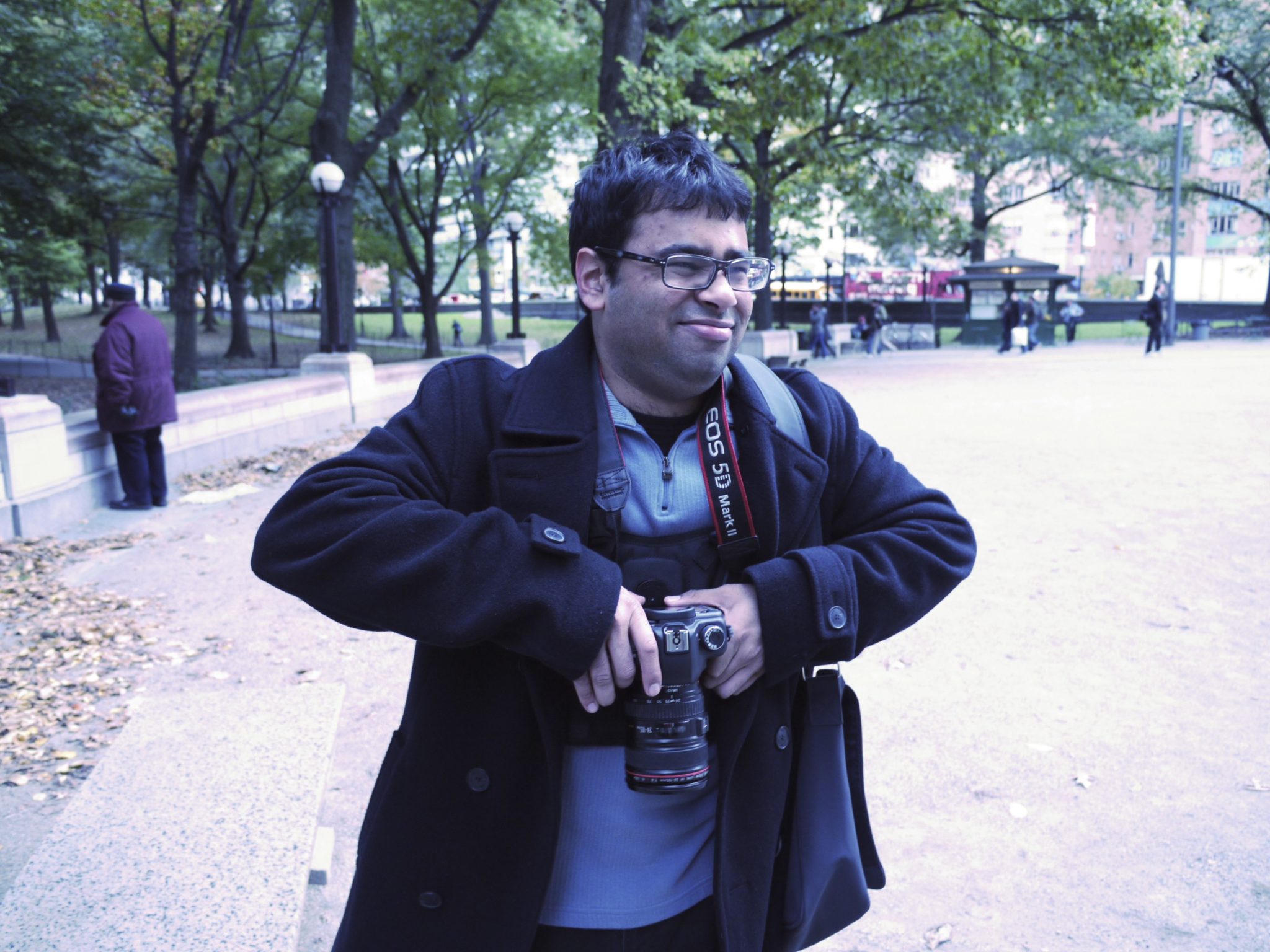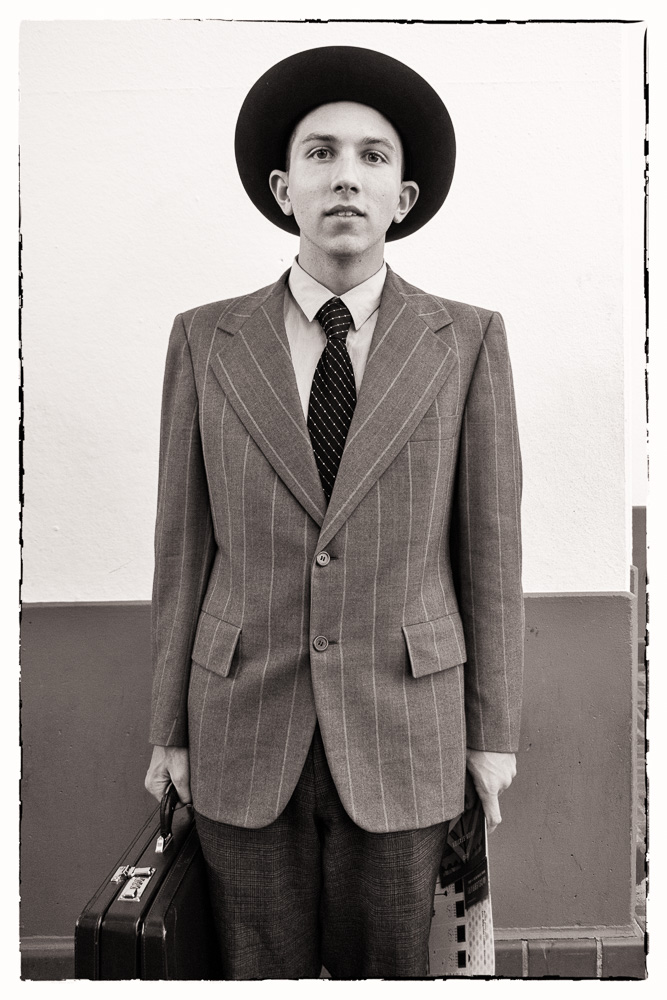
Ever felt that it was weird to ask a stranger for a portrait? Well, you’re not alone. But there are definitely ways to do it that’s respectful, and that work to get the images you want. Here, we’ll present some of those methods for you.
Editor’s Note: This article was originally published on the Phoblographer before anyone ever thought that AI was writing articles. This piece specifically was written by a human, and it is being syndicated here as an ode to our past.
When I approach a stranger to make a portrait, I don’t have a lot of time to work with. It’s not unusual for me to have as little as three minutes to get everything done and allow my subject to be on their way. So, my mind kicks into high gear and I consider not only what I’m doing with my camera, but also with my subject, the lighting, the background and so much more. It is a mental checklist that helps me to make the most of the time between my and my subject.Though it may not seem like a lot, the regular practice of it makes it an automatic and intuitive process for me today.
So, there are a lot of choices that I have to make. Here are some of the things I do to ensure a good portrait in 180 seconds.
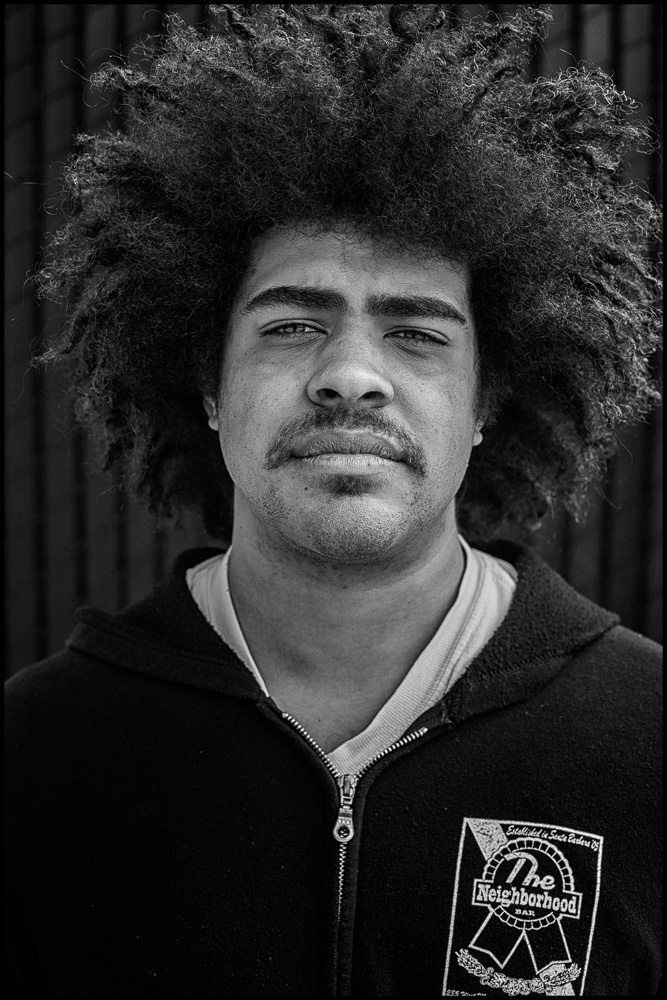
Preset My Camera
Even before I’ve discovered a subject, I’ve already set my lens aperture to f5.6 and set my ISO so that I have a reasonable shutter speed that I can hand hold. I may change my settings, but I always know my starting point.
Have the Right Lens or Focal Length
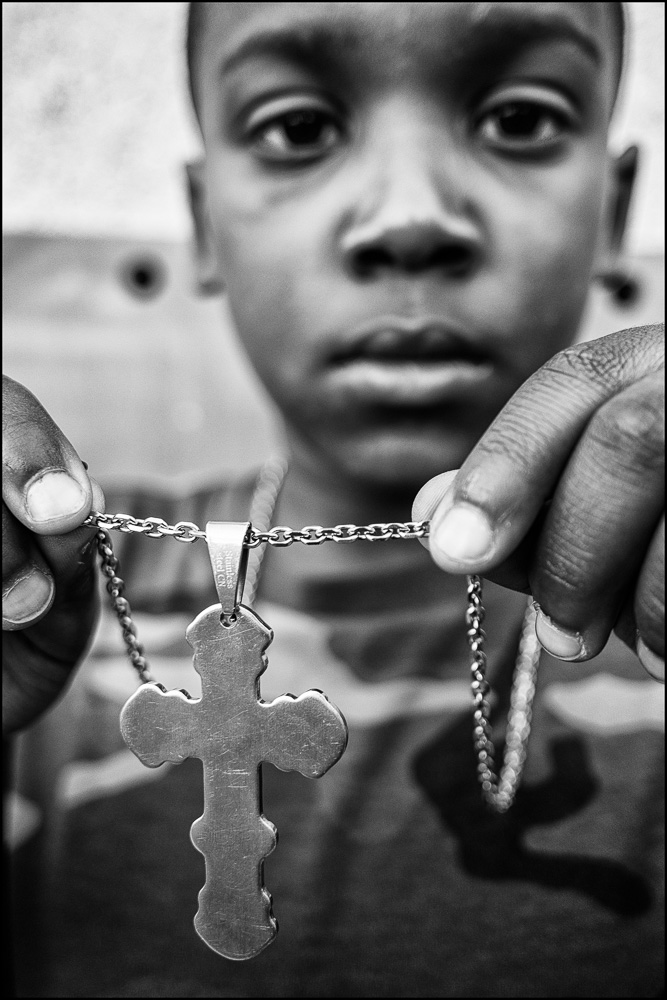
If I have a zoom lens, I’ll set my 24-105mm zoom to around 50mm or 70mm if I want to start with a relatively tight portrait or 35mm if I want an environmental portrait. If I am using fixed focal length lenses such as a 35mm f1.4, I’ll switch out the lenses even before I’ve approached my subject.
Look at the Light
I will evaluate where the subject is sitting or standing and determine whether or not it will provide good illumination for a portrait. I’ll pay special attention to where the shadows are falling. If I don’t like the lighting, I’ll look around to see where a better quality of light may exist.
Discover a Background
I am also observing what is behind the subject and determine whether that will compliment the subject or introduce too many distractions. If the location is bad, I’ll find a better setting even before saying my first word to my subject.
Ask the Subject to Move
Once the subject has agreed to my making their portrait, I won’t hesitate to ask them to move if there is better lighting or a better background elsewhere. I’ll explain why I want to move them and quickly get them into place.
Tweak My Settings
As I am getting ready to make my first shot, I’ll make technical choices to refine the look of the image. I may change my f-stop to a wider aperture to create a more shallow depth of field or engage the flash to control contrast. I do this quickly while maintaining communication with my subject.
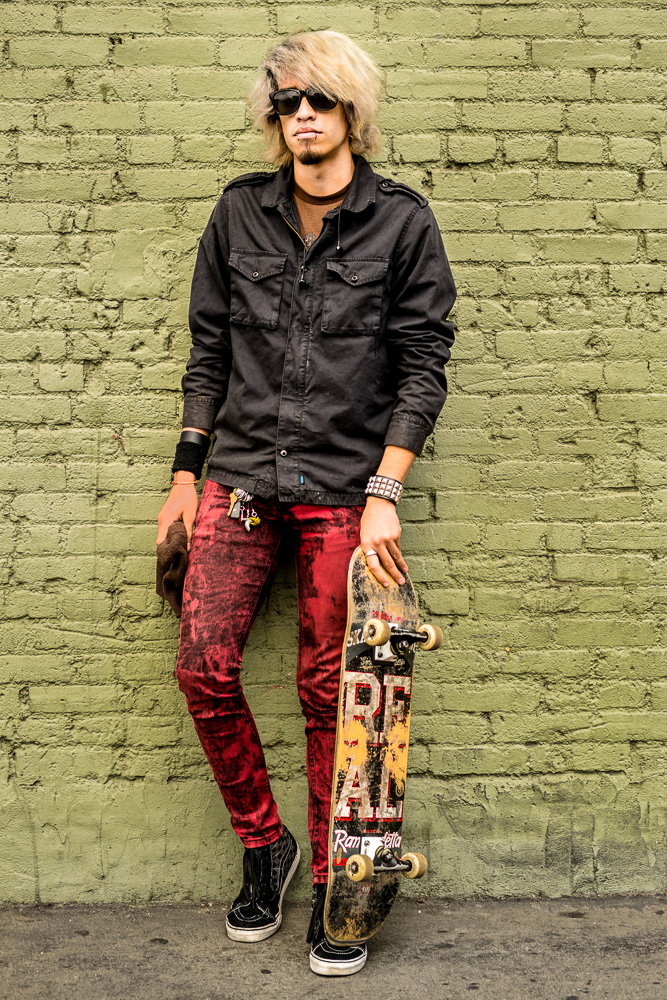
Ask My Subject to Relax
Subjects often want direction as to what they should be doing. I ask them to simply relax. If I feel that they are tense are awkward, I’ll suggest that they take three deep breaths and to just relax their arms and shoulders.
No Chimping
Because I’ve made all my technical choices and I’m always aware of my camera, I don’t shoot and keep reviewing the photographs each time I make them. I may do this with my initial shot, but afterwards I stay focused on what I see in my viewfinder.

Don’t Rush
It’s easy to rush through things because I don’t want to overstay my welcome, but I force myself to slow down. It allows me time to carefully observe the expression and body language of my subject as well as look for potential distractions lingering along the edges of the frame.
Say Thank You
I will always thank my subject for their time. If they are interested, I will get their email address to send them a copy of the image. In any case, I will show my appreciation for them taking time from their day to pose for me.
For more tips on creating great portraits of strangers buy my latest e-book, Portraits of Strangers.
Get rid of the ads!
Did you enjoy reading this article as much as we enjoyed writing it? There's a way to support us and our reporting, getting ad-free navigation and more as a bonus. Subscribe to us for less than a coffee per month —just $3.99— or take advantage of our yearly subscription with a hefty discount for only $25.- An ad-free experience
- A free mystery box for Lightroom or Capture One
- All the books in our store
- 20% discount on Capture One
- 30% discount on Imalume Photo Theft Protection
- 20% off Herbs and Kettle Tea Company.
- 20% off your order from MPIX printing services.
- 5% off Viltrox Products via their eCommerce store.
- 10% off all film developing, printing and scanning services from Blue Moon Camera and Machine
- 15% off 7Artisans products: The lens and accessory maker is offering a sweet discount for Phoblographer's readers.