

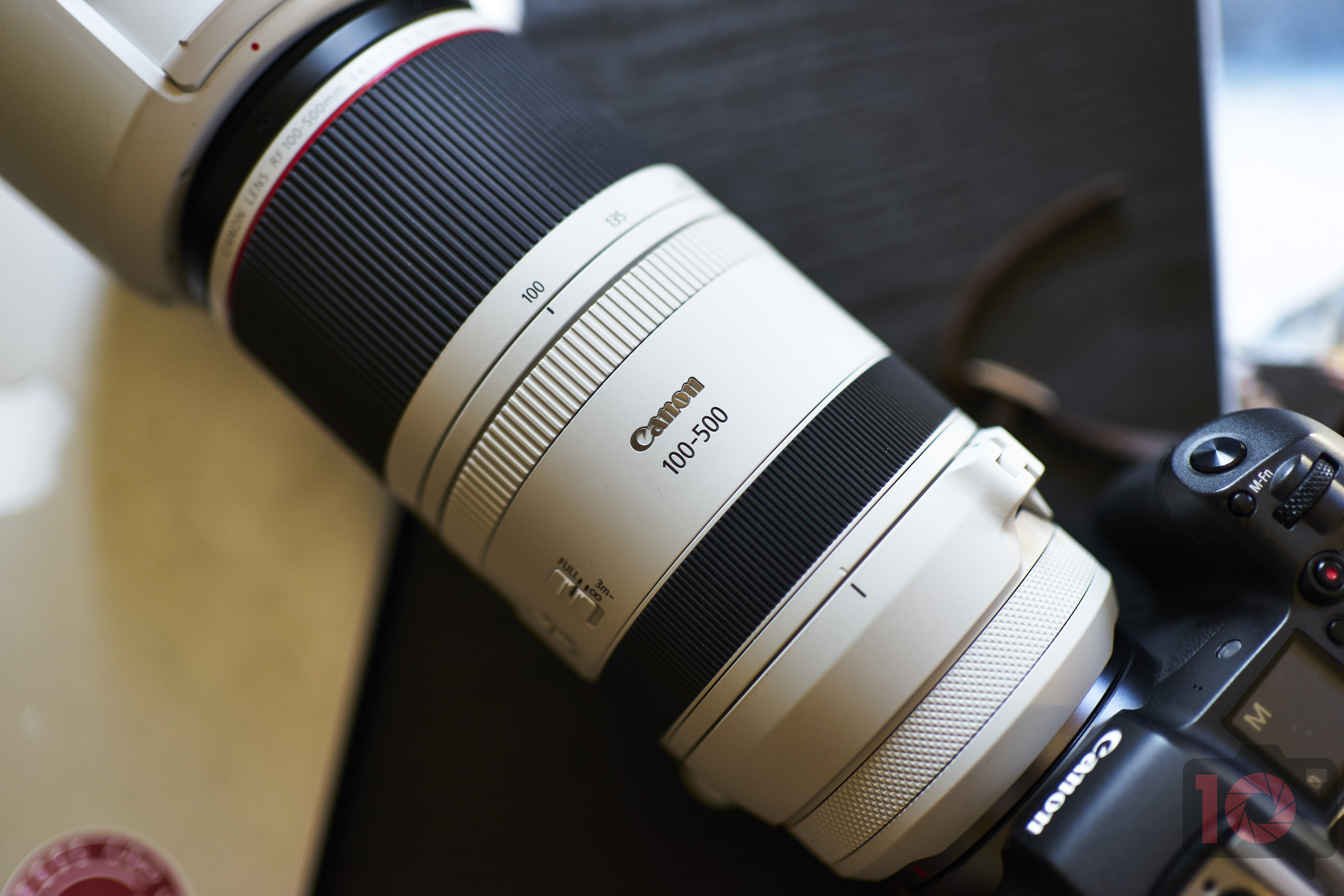
Since Canon introduced its mirrorless cameras and lenses, the company has been trying to expand and experiment. So far, we have over 40 lenses, which includes primes and zooms, and many of which have also received immense applause. However, it appears that Canon wants to grow more, with a new patent showcasing distinct telephoto options that will be liked by wildlife and bird photographers.
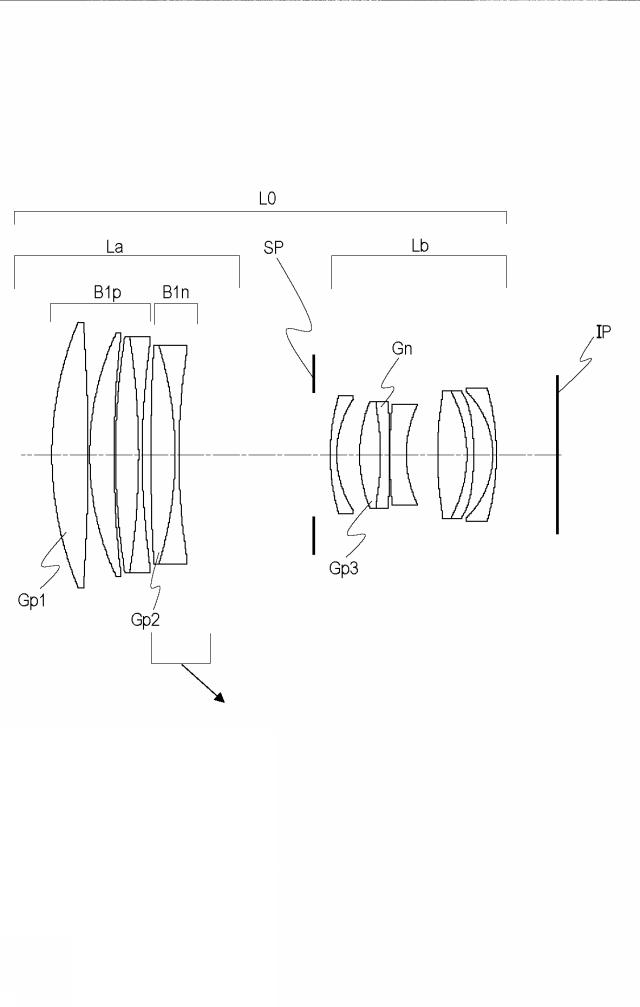
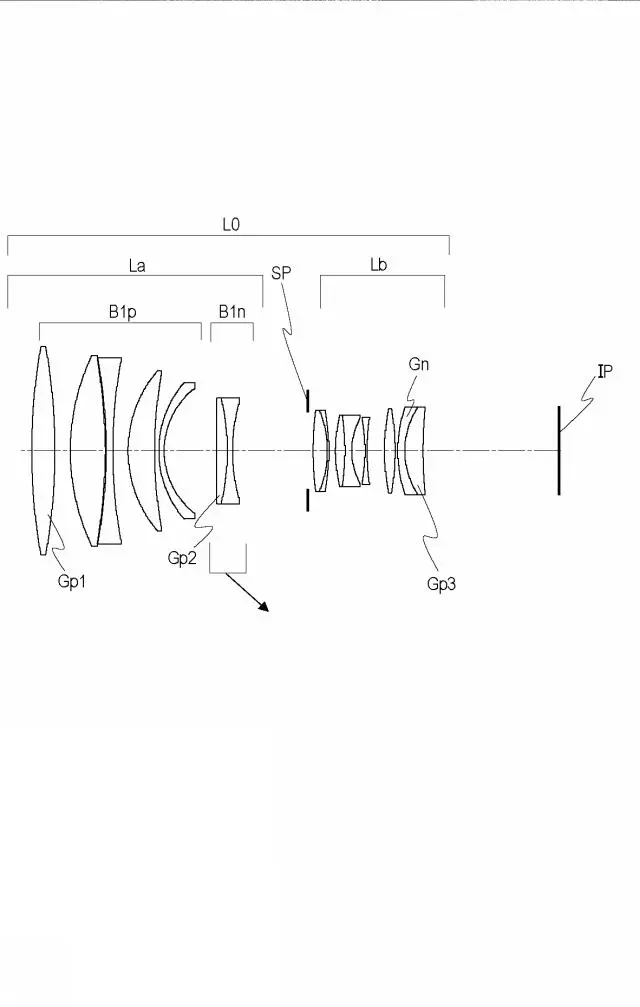
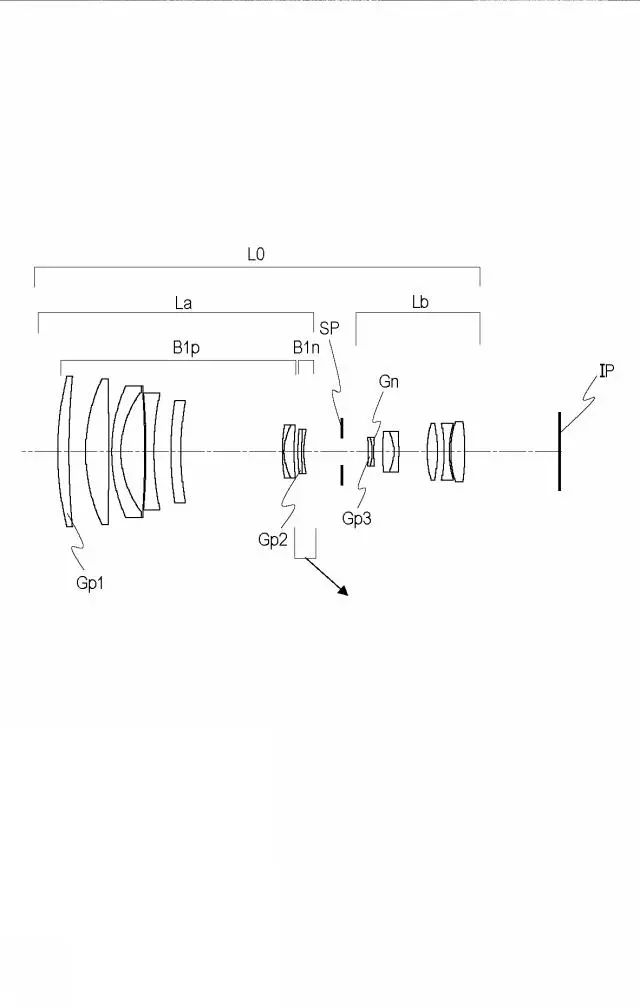
In a report by Asobinet, Canon has published patent P2026067609, which showcases three different focal lenses: a 130mm f1.8, a 300mm f2.8, and a 500mm f5.6. The lenses are said to correct aberrations and are also supposed to be lightweight.
Example 1
- Focal length: 128.00
- F-number: 1.80
- Half-angle of view: 9.59
- Height: 21.64
- Length: 145.81
- Back Focus: 17.45
Example 2
- Focal length: 292.53
- F-number: 2.90
- Half-angle of view: 4.23
- Height: 21.64
- Length: 273.24
- Back Focus: 70.38
Example 3
- Focal length: 482.00
- F-number: 5.83
- Half-angle of view: 2.57
- Height: 21.64
- Length: 296.64
- Back Focus: 56.06
Canon’s current lineup has a 135mm f1.8L lens, so it is possible that the 130mm is just a research-based patent, rather than working around an actual lens. Moreover, 130mm is an odd focal range, as it sits weirdly between 85mm and 135mm. In fact, the 135mm already has a fan base, and was introduced in 2024 for portrait photographers. In our review, too, we praised its ability, saying:
It’s hard to take bad photos with it when you use it. Everything you shoot will be considered for a keeper of some sort. That goes for the color, the bokeh, the overall light render, etc.
However, it is interesting to see patents for 300mm and 500mm, especially since there are other patents around this range. For instance, Canon has published two patents that showcase 300mm lenses, one that even has the ability to become 400mm, thanks to the teleconverters. So, it is possible that this design, too, features improvements from the other existing designs. In fact, a 300mm is a perfect lens that many photographers will want, especially if it comes with a built-in converter. It can, in some ways, compete with Nikon 400mm, which offers teleconverters.
As of the 500mm f5.6, it can be a budget offering for those who can’t afford an L-series lens. Canon already offers 100-400mm and 100-500mm, but the former has many flaws, and the latter is priced around $2,900. A 500mm can sit above Canon’s existing 400mm f2.8 L series lens, which costs about $14,000. For photographers, including those who shoot sports, they need a cost-effective offering, one that will be under $2000. In that regard, the 50mm f5.6 could offer a bit of relief.
In a broader context, Canon has to be more price sensitive right now, especially since the globe is seeing a surge in raw element MSRP. With the FIFA World Cup launching soon, Canon will certainly introduce some offering in the 300-600mm focal range, which has been done so historically. It remains to be seen if any of the designs become actual products. But the consistent mention of 300mm to 500mm suggests that Canon is seriously thinking of exploring these options further.
Get rid of the ads!
Did you enjoy reading this article as much as we enjoyed writing it? There's a way to support us and our reporting, getting ad-free navigation and more as a bonus. Subscribe to us for less than a coffee per month —just $3.99— or take advantage of our yearly subscription with a hefty discount for only $25.- An ad-free experience
- A free mystery box for Lightroom or Capture One
- All the books in our store
- 20% discount on Capture One
- 30% discount on Imalume Photo Theft Protection
- 20% off Herbs and Kettle Tea Company.
- 20% off your order from MPIX printing services.
- 5% off Viltrox Products via their eCommerce store.
- 10% off all film developing, printing and scanning services from Blue Moon Camera and Machine
- 15% off 7Artisans products: The lens and accessory maker is offering a sweet discount for Phoblographer's readers.