

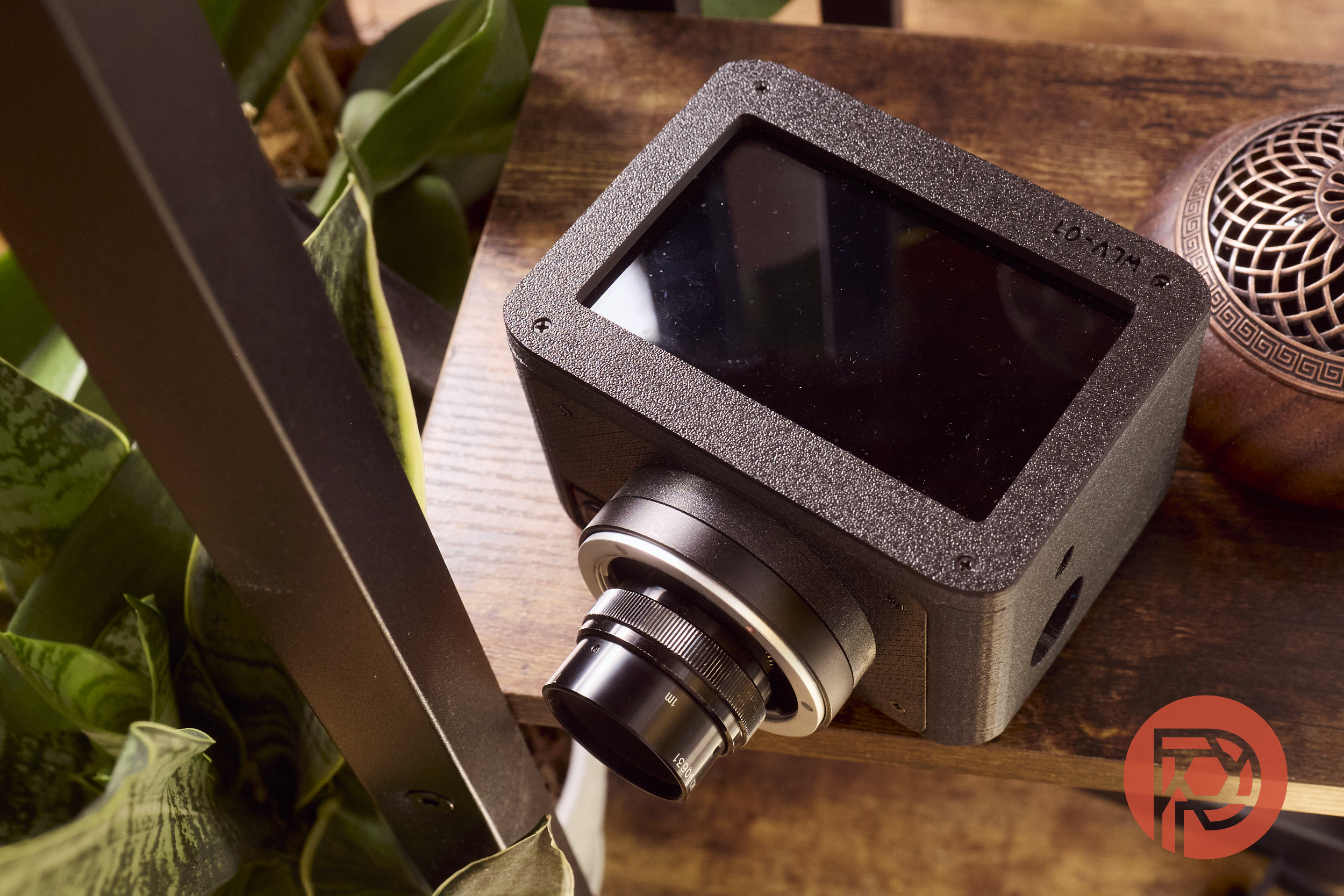
Nowadays, cameras are a dime a dozen. Every new launch is largely comprised of the same ol’ tech alphabet soup, and as photographers we often buy into it. But what happens when there is something so new, and unique that even the camera’s chassis has to be 3D-printed. Enter the WLV-01, a waist level camera with a monochrome sensor that has completely changed the way I look at photography and my expectations on what a good camera should be doing.
Table of Contents
The Big Picture: The Monochrome WLV-01 Waist Level Camera Review
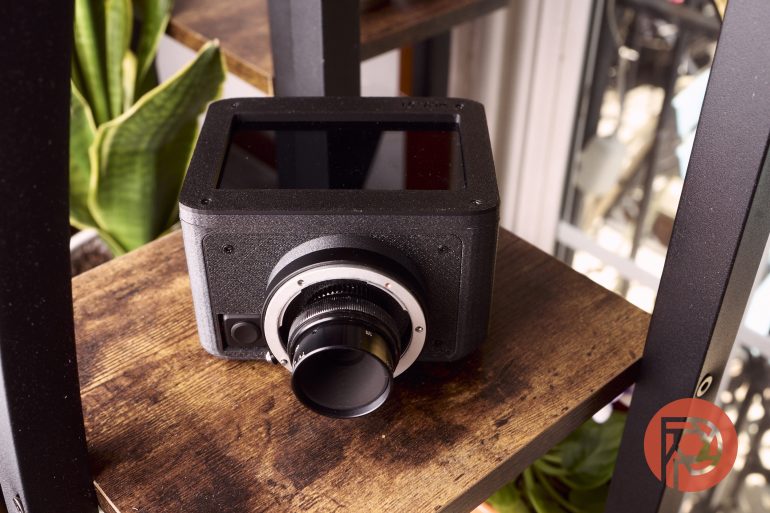
The WLV-01 is a hacker camera – meaning that everything about it has been “hacked” to make the design possible. Using a Raspberry Pi computer as the base and a full-spectrum, 8-megapixel IMX585 sensor. Every part of this camera is modular – the lens mount, the body, the “viewfinder” – and can be self-repaired or upgraded. In other words, it’s designed to become the perfect camera body for the photographer who’s holding it. With some work. The WLV-01 is the closest thing to a true digital film experience that I’ve ever had, so much so that it made me pine for the days I’d walk the streets with my Bronica ETR-S. While there are plenty of caveats to the WLV-01 as a system, I think the price, experience, and potential to grow with you make it one best cameras we’ve ever reviewed. It’s unflinching photography-first ethos is something that all camera manufacturers should take note of.
We’re giving the WLV-01 a four out of five. You can check one out for yourself at Camera Hacks by Malcolm-Jay.
- Amazing image quality – even in JPEG
- Intuitive controls
- Manual Sony E Mount means there are a lot of good, cheap lenses available.
- Large/bright touchscreen viewfinder
- Fully customizable and self-repairable
- No weather-sealing
- Raspberry Pi-based architecture can be intimidating
- True digital film experience
Experience
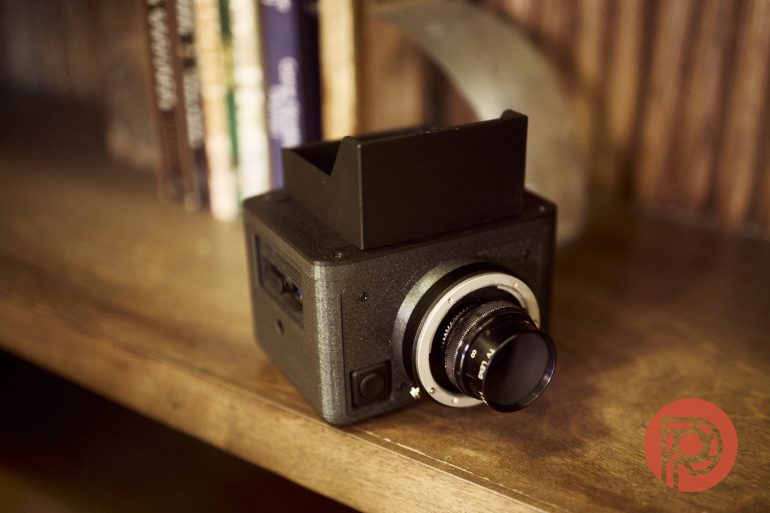
We tested the Camera Hacks by Malcolm-Jay WLV-01 Monochrome Waist Level Camera with a set of two C-Mount lenses provided by the company (a Pentax 12mm F1.2 and a Sony(?) 16mm F1.7), and two E-Mount lenses – a Funleader 18mm F8 Lens Cap lens, and the Zeiss Loxia 35mm F2. The latter two lenses are our own.
Over the past three weeks, the WLV-01 by Camera Hacks by Malcolm-Jay has been the closest to a digital film camera that I’ve experienced. For starters, the camera’s 3-D printed chassis is reminiscent of the medium format cameras that I’ve used and dreamed of having. Speaking of the chassis, this is a fully customizable (and repairable/upgradeable) camera body – meaning that you don’t have to be limited to a waist level viewfinder or even the sensor. This camera is one of the only that I know of that will continue to grow with you over time.
As a proponent of the right to repair, I love that this a camera that can be completely self-repaired if the need ever arises.
Despite its spartan looks, using the WLV-01 is an intuitive process. I tested the E-Mount version which opened the camera system to C-mount lenses, M-mount lenses, and anything that could be adapted to E-Mount. There’s a M42 version available, but the E-Mount is probably the most versatile thanks to the availability of various mount adapters. As you would expect, the mount does not include any electronic components, so you’ll need to be sure that your lens is fully manual and doesn’t require any electronic contacts to work. Outside of that, working with the WLV-01 is very intuitive experience with all the major settings easily accessible on the camera’s large touchscreen and single-button operation (the shutter).
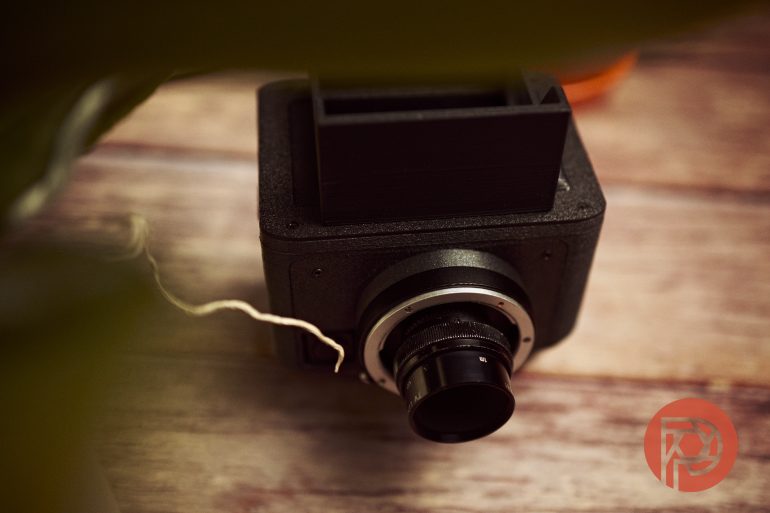
If you’re the type of photographer who can’t help but chimp, the WLV-01 might present a serious challenge to the way you make photographs. While you can use the Raspberry Pi desktop interface to view your images, the WLV-01 isn’t designed to preview your images immediately by design. This is akin to analog photography in that you will not be able to view your images until you “develop” them at home by transferring over to your computer or other device. You could use the camera’s WIFI, but the only time I tried this I accidentally triggered a Raspberry Pi update that bricked the camera. Malcolm is working on an update to the camera’s firmware that will prevent these errant updates.
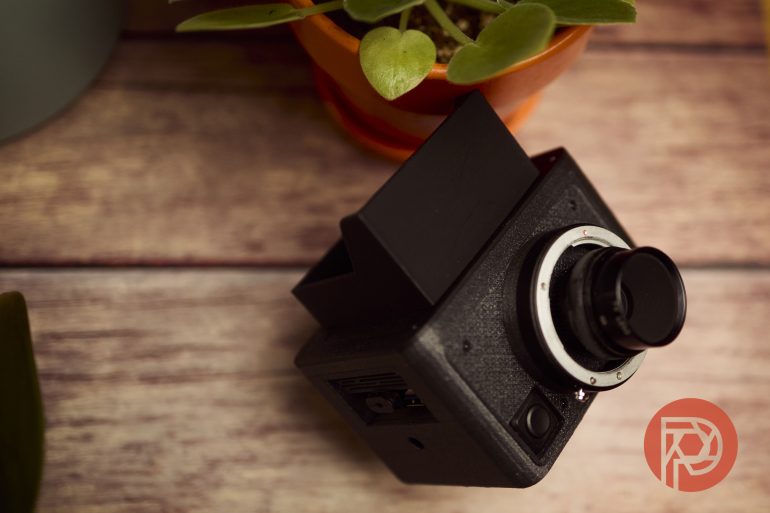
The Camera Hacks by Malcom-Jay website proudly proclaims that the WLV-01 is a camera for “makers and hackers,” and I do not disagree. With the ability to self-update/upgrade and repair, this is a dream for anyone that loves to tinker and get in the weeds with their devices. As a proponent of the right to repair, I love that this a camera that can be completely self-repaired if the need ever arises. That said, it can prove to be a little intimidating for anyone who isn’t comfortable with electronics repair or coding.
The errant update I mentioned a little earlier essentially made the device unusable as a camera. The fix isn’t exactly hard to do, but it requires patience and a willingness to go into Raspberry Pi’s command prompt screen. This could be an issue for anyone that is only looking for a camera that will “just work.” The flip side to this argument, however, is that for the artist that wants to build a camera and look that’s truly one-of-a-kind, the WLV-01 is really the only camera that can deliver a bespoke experience.
Image Quality

This is going to sound redundant, but it’s important to note – this is a camera that’s built for photographers. The WLV-01 captures both DNG and JPEG files, but in my experience, rarely did I need to tinker with the DNG files. Instead, I found that the JPEG files were all that I needed or wanted. The film simulation profiles that are baked into the camera – Ilford Delta, HP5, and Tri-X simulations – are some of the most accurate we’ve seen in any digital camera, period.
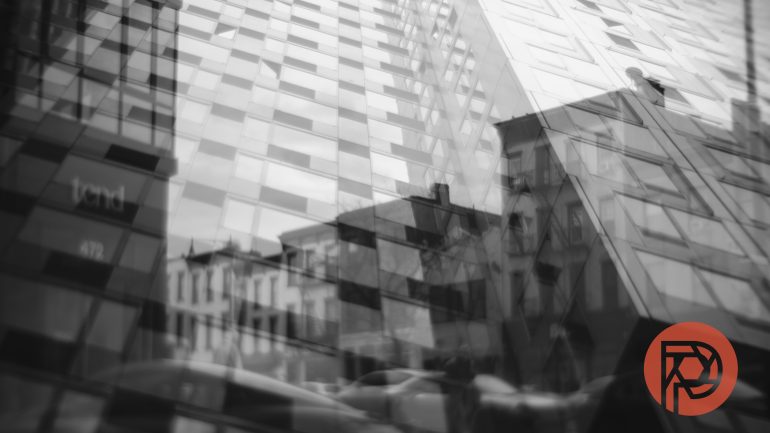
The DNGs really speak to the Starlight Eye driver design’s impact on the Sony IMX585. By increasing sharpness, contrast, and detail you get results that rival even full-frame sensors in image output. Granted, these aren’t the 60-megapixel images from a monochrome Leica, this camera also won’t set you back more than a used car.
As I go through the photos I’ve made using the WLV-01, I find myself saying that this is what “digital film” should feel like. The images that you can create using the WLV-01 have character that I’ve only seen in analog film. That’s not to say that it’s a perfect recreation, but it’s pretty damned close.
Below are some edited DNGs:


These are a few samples SooC, all shot with the camera’s Tri-X simulation (JPEG):


For comparison, here are some Tri-X scans we’ve featured in the past:


Monochrom WLV-01 Tech Specs
The following features have been taken from the Camera Hacks by Malcolm Jay website.
True Monochrome Imaging
- 8MP monochrome sensor with no color filter array
- Increased sharpness, contrast, and micro-detail
- Full-spectrum sensitivity including near-infrared
- Clean high-ISO performance for low-light and night photography
- 1080p and 4K H264 Encoded Video recording
- Utilizes the Sony Imx585 Starlight Eye driver designed by Will Whang
Declaration of Journalistic Intent
The Phoblographer is one of the last standing dedicated photography publications that speaks to both art and tech in our articles. We put declarations up front in our reviews to adhere to journalistic standards that several publications abide by. These help you understand a lot more about what we do:
- At the time of publishing this review, Camera Hacks by Malcolm Jays isn’t running direct-sold advertising with the Phoblographer. This doesn’t affect our reviews anyway and it never has in our 15 years of publishing our articles. This article is in no way sponsored.
- Note that this isn’t necessarily our final review of the unit. It will be updated, and it’s more of an in-progress review than anything. In fact, almost all our reviews are like this.
- None of the reviews on the Phoblographer are sponsored. That’s against FTC laws and we adhere to them just the same way that newspapers, magazines, and corporate publications do.
- Camera Hacks by Malcolm Jay loaned the unit and accessories to the Phoblographer for review. There was no money exchange between us or their 3rd party partners and the Phoblographer for this to happen. Manufacturers trust the Phoblographer’s reviews, as they are incredibly blunt.
- Camera Hacks by Malcolm Jay knows that it cannot influence the site’s reviews. If we don’t like something or if we have issues with it, we’ll let our readers know.
- The Phoblographer’s standards for reviewing products have become much stricter. After having the world’s largest database of real-world lens reviews, we choose not to review anything we don’t find innovative or unique, and in many cases, products that lack weather resistance. Unless something is very unique, we probably won’t touch it.
- In recent years, Camera Hacks by Malcolm Jays have withheld NDA information from us or stopped working with us because they feel they cannot control our coverage. These days, many Camera Hacks by Malcolm Jays will not give products to the press unless they get favorable coverage. In other situations, we’ve stopped working with several Camera Hacks by Malcolm Jays for ethical issues. Either way, we report as honestly and rawly as humanity allows.
- At the time of publishing, the Phoblographer is the only photography publication that is a member of Adobe’s Content Authenticity Initiative. We champion human-made art and are frank with our audience. We are also the only photography publication that labels when an image is edited or not.
More can be found on our Disclaimers page.
Get rid of the ads!
Did you enjoy reading this article as much as we enjoyed writing it? There's a way to support us and our reporting, getting ad-free navigation and more as a bonus. Subscribe to us for less than a coffee per month —just $3.99— or take advantage of our yearly subscription with a hefty discount for only $25.- An ad-free experience
- A free mystery box for Lightroom or Capture One
- All the books in our store
- 20% discount on Capture One
- 30% discount on Imalume Photo Theft Protection
- 20% off Herbs and Kettle Tea Company.
- 20% off your order from MPIX printing services.
- 5% off Viltrox Products via their eCommerce store.
- 10% off all film developing, printing and scanning services from Blue Moon Camera and Machine
- 15% off 7Artisans products: The lens and accessory maker is offering a sweet discount for Phoblographer's readers.