

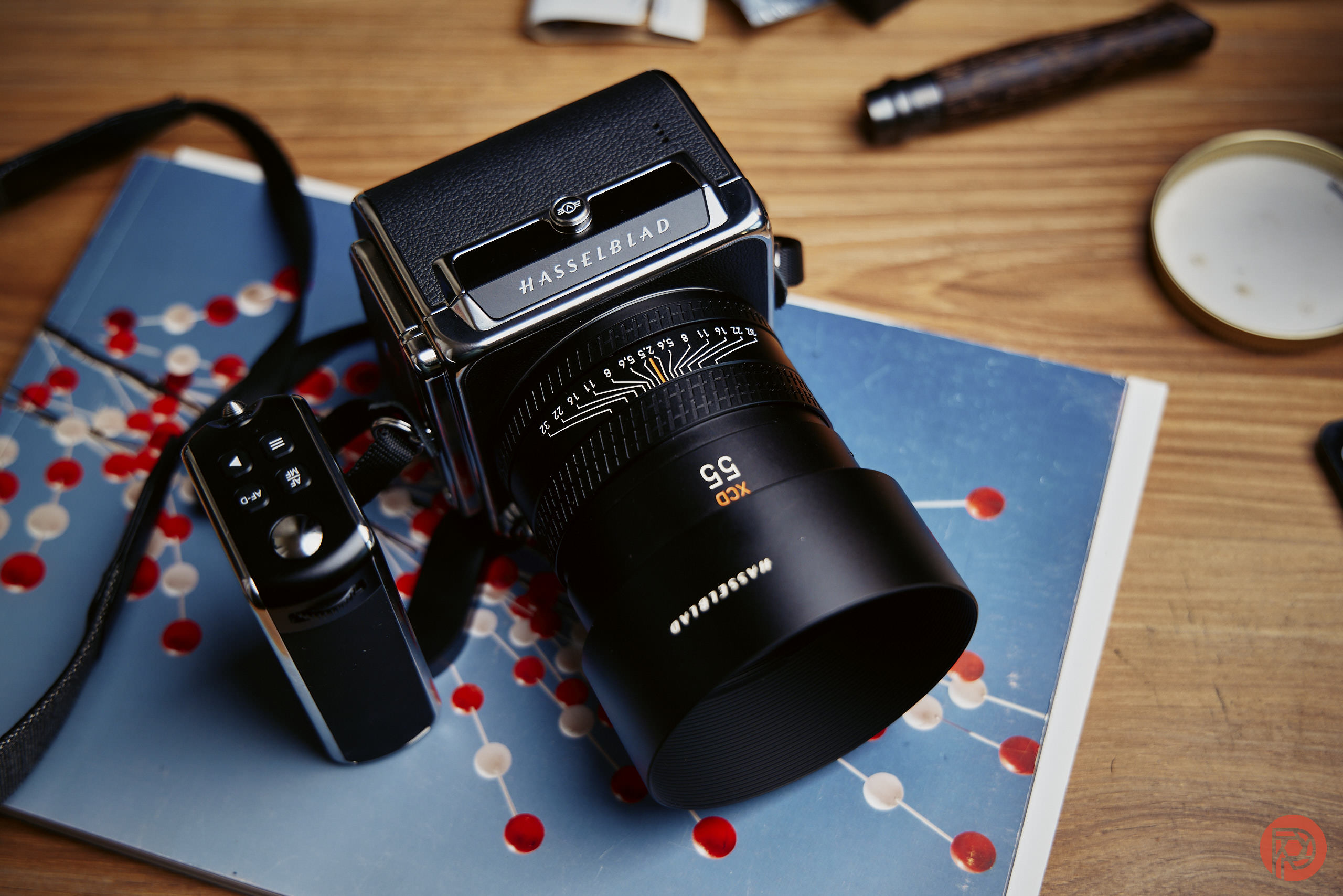
Landscape photography has often needed a camera that can withstand any challenge, but also deliver images that are detailed, have good color rendition and accuracy. While most full frame cameras are capable today, there is something entirely different about utilizing a mirrorless medium format camera for the job. If you are wondering what, here is a look at the only device that makes sense for this genre.
The camera that we are talking about is the Hasselblad 907X CFV 100C. A medium format device, it offers a 100MP BSI CMOS sensor, phase detection autofocus, 1TB of internal storage and a 3.2-inch LCD screen with 2.36MP resolution. There is also a 16-bit color file, and an ISO between 64 to 25,600. One can even use this with 907X and 500C together, and one can swiftly move between digital and film together.
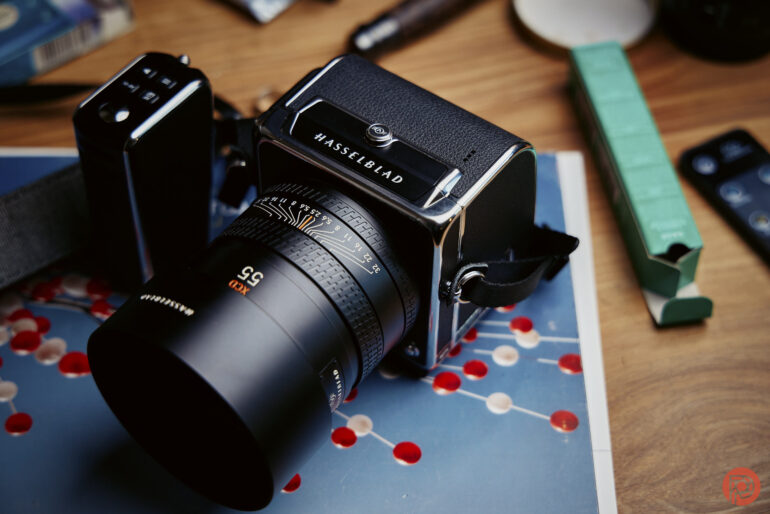
Ergonomically, the camera is small, has a nice grip, and has a nice aperture ring. There is also some weather resistance, but it is not enough to be taken out in a blizzard. The menu is touch oriented, and it is quite easy to use. You can also rate the images based on your likes.
The Hasselblad 907x CFV 100C appeals to a passionate photographer who wants the aesthetic experience of being a photographer along with the feel. It’s a camera system where you can take the CFV 100C off the camera and mount it to a 500C-style camera body or others. What’s more, it also feels great in the hands.
In addition to exceptional design, you will adore the Hasselblad camera for its autofocus. It works well, and you will be able to take great landscape photographs with it. Keep this in mind, it is not like full frames, and has a much higher pixel count, which slows the device. So, if details are what you are after, then the slow autofocus will only be of help. In fact, based on our review, the autofocus, “outpaces the most recent Leica, Lumix, and Fujifilm cameras.” That goes to say it is better than most. In fact, the camera works incredibly well in low-light places, even when the exposure previews is on.


The camera also produces truly detailed images, not just at low ISO but also at the higher end. The colors are great outside the camera, as one expects, and with the right situations, you will fall in love with JPEG quality. The way the medium format renders light is unmatched by full frame cameras. The only thing we missed was built-in film presets, which would lead one to never edit their photos.
However, you must remember the lack of image stabilization. It means the tiniest shake can make your images slightly blurry. It is, thus, better if you stick to a tripod when shooting in the evening or so on. Given the price, only professional landscape photographers will be able to afford this. Especially those who want to make large prints for their clients.
Get rid of the ads!
Did you enjoy reading this article as much as we enjoyed writing it? There's a way to support us and our reporting, getting ad-free navigation and more as a bonus. Subscribe to us for less than a coffee per month —just $3.99— or take advantage of our yearly subscription with a hefty discount for only $25.- An ad-free experience
- A free mystery box for Lightroom or Capture One
- All the books in our store
- 20% discount on Capture One
- 30% discount on Imalume Photo Theft Protection
- 20% off Herbs and Kettle Tea Company.
- 20% off your order from MPIX printing services.
- 5% off Viltrox Products via their eCommerce store.
- 10% off all film developing, printing and scanning services from Blue Moon Camera and Machine
- 15% off 7Artisans products: The lens and accessory maker is offering a sweet discount for Phoblographer's readers.