


Last Updated on 04/19/2026 by Nilofer Khan
When was the last time you stumbled across a photograph and admired it for its narrative and beauty? Perhaps yesterday. Perhaps last week. Or perhaps you simply can’t recall. In an age when social media and doom-scrolling are seeping into every corner of our homes, offices, and classrooms, there comes a growing concern about what is real and what is fake. With more sophisticated artifical intelligence models rolling out, it has become increasingly impossible to distinguish between a real place and a person and what someone created from one’s imagination.
The lead image is by Artur Lahoz. All images are used with permission.
As editing platforms are embracing the use of generative AI, the future of photography feels genuinely uncertain. While nobody has the answers, these three photographers are finding new ways to break the AI mold, thanks to their exceptional practices.
AI Can’t Replace The Fun of Analog
Digital photography has transformed the medium beyond recognition. Today, photographers not only have access to staggering megapixel counts, but they also have the ability to track their subjects, cull the images in editing software, and perfect the sky if needed with generative AI. However, as the process has become streamlined that any technical barrier that existed in the 2000s, have now completely disappeared.
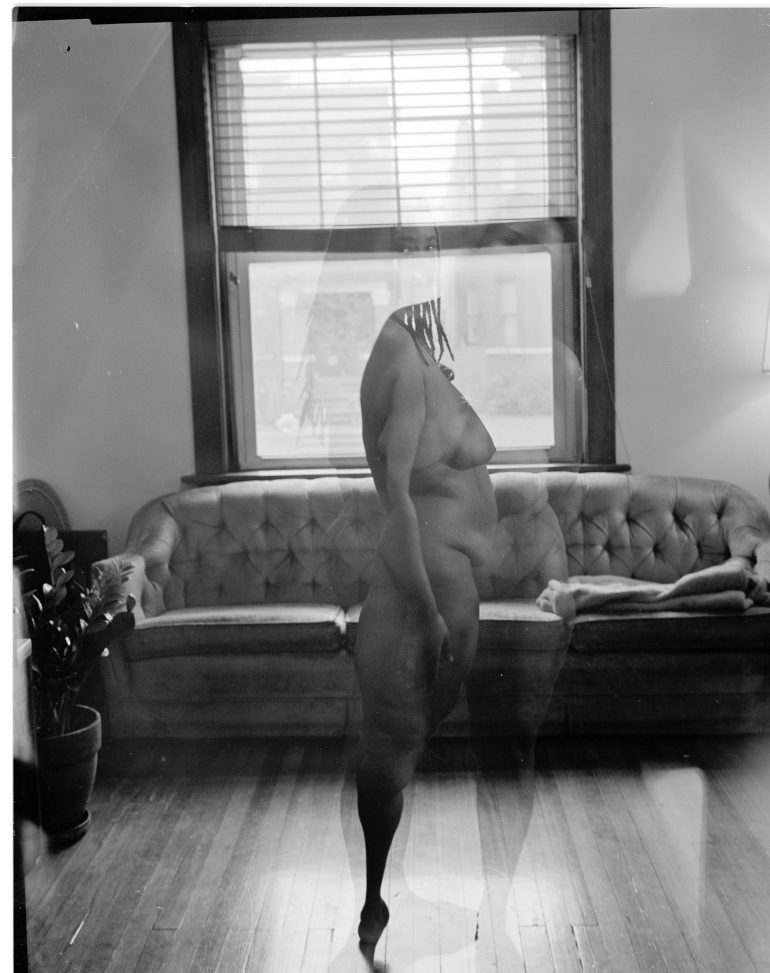
Analog photography, by contrast, is a different world entirely. It requires human intervention, or rather, human input, far more than digital photography does. Your digital photographs, with their immense sharpness and Instagram aesthetics, are much easier to reproduce, purely because these aesthetics are easy to replicate. As Tiffany J Sutton, who has been making images since the 1990s, explains to us in an email interview, “I’m at the beginning of a B&W film year to save money, increase my control of the process, and return to a community darkroom, all of which will make my work harder to copy. Photography is difficult to learn, but you cannot manufacture the ‘eye.’”
In addition to black and white analog, Sutton, who won the Black Women Photographers and Nikon Grant in 2022, has also been gaining knowledge about photogravure printing. For the uninitiated, photogravure is like alchemy, as it uses combining photographic and etching techniques, to create prints that have depth. A labor-intensive process, Sutton reminds us, how it “cannot be replicated by AI” and “requires significant time and talent to produce a proper intaglio plate.” And if the technology does try to ‘recreate’ images, the difference will be mistakenly visible.
Pick up an analog camera and photograph the things or people that want to share their secrets with you.
While film and alternative processes are important, Sutton also reminds us of something else: the community. Every art form needs the support of like-minded people to push one another to do better. As Suttons adds, “The photo community spans color, B&W, and digital. Everyone is learning about new techniques, photography’s history, and about new artists; where is the community with AI?”
In the end, Sutton reminds us of a crucial point: Why are we using art? To produce quantity or quality? If one’s aim is to inspire, then AI, or the use of it, will unfortunately, lead to failure. By turning to unconventional formats such as Lomography Lomochrome Purple, using B&W darkroom paper for pinhole cameras, or cyanotypes, one is pushing themselves to think and build narratives. And while one does so, Sutton reminds us how we will “have a lot of fun,” and why “that’s the real reason why we make art.”
What we consume is what reflects in our images.
AI Can’t Bring Images to Life
Photographers have often utilized the wealth of knowledge to take images that say something. Sometimes, they depict personal projects, while other times, they depict larger issues at hand. Then there are some who showcase the beauty surrounding us. Dave Tada, a Los Angeles-based freelance fashion and editorial photographer, has been drawn to the last of these. Unlike most of his peers, Tada has been capturing one analog photo a day, and has been doing so for the past decade or so. Speaking about the use of such an expensive medium, Tada says, “The integration of film photography in my work adds a sense of raw tangibility. Something much more personal and intentional.”
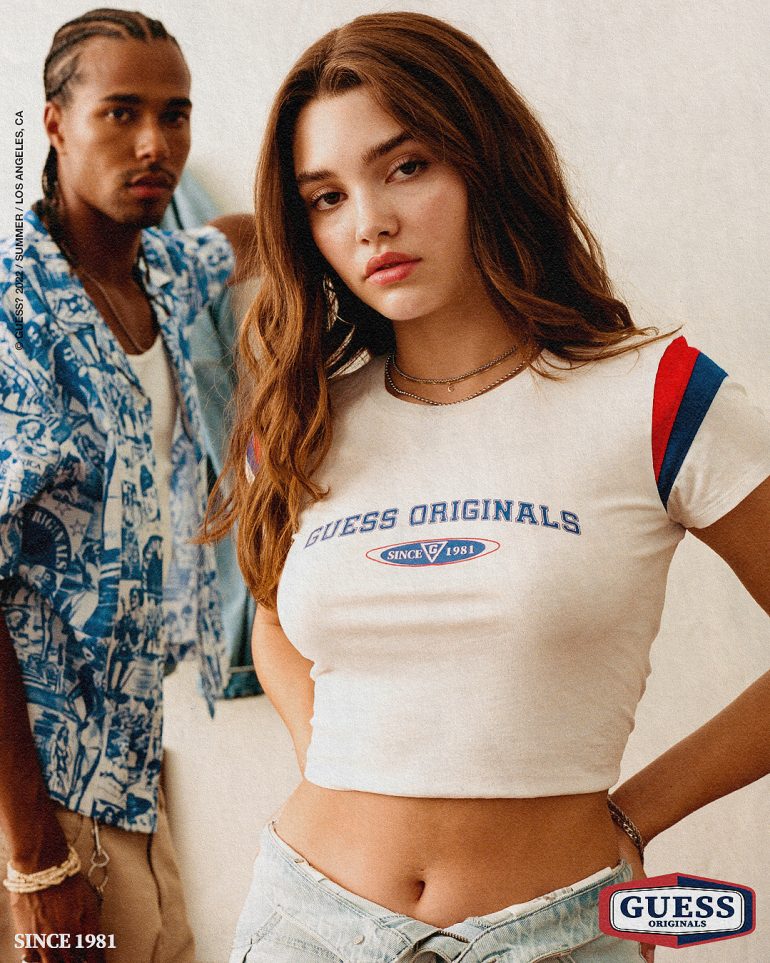
So, why would someone leave digital to pursue analog? As Tada explains, it has less to do with convenience and more to do with how he reads a scene. “My process and how I view a scene changes depending on the format and which film and film camera I use,” he says. “Sometimes I use a Rolleiflex TLR or Contax 645 for slower, more deliberate work,” he adds. This works better than relying on his multiple point-and-shoot cameras “that tend to lend themselves to a bit more of a free, chaotic feel.” Tada’s process is remarkable purely because he doesn’t shy away from what he actually wants, and that translates beautifully in his work.
Film’s inherent imperfection and physical form brings a certain life to the images.
This appreciation for the analog format has also translated into client work as well, which proves how some brands are conscious of the kind of images they create. “When clients hire me to shoot on film, they typically want something a bit different from the clean, sometimes clinical look of digital,” reveals Tada. In fact, the art director provides the moodboard and deck, from which Tada determines “what film stock and camera/lens(es) can help bring that vision to life.” A collaborative process between two creatives, Tada’s work proves brands are keen to connect with their customers in the most authentic way. AI images can give you reach, but that rarely fosters a harmonious relationship for long.
Lahoz is of the opinion that as AI focuses on creating “seamlessness and technical perfection,” photography then has to work in the opposite direction, where photos are “unstable, subjective, and harder to predict.” As he adds, “Texture, unexpected color, blur, subtle distortion, unconventional framing, and even error can become meaningful visual choices. These are not flaws to eliminate, but traces of process, presence, and sensibility.”
AI Can’t Thrive On Subjectivity
To make a compelling photograph, there are multiple ingredients that you need to get right. For instance, the subject, the story, and then, which format to work with. While the internet has made the final image instantly accessible, Artur Lahoz, a Brazilian photographer with years of experience, says the conversation should highlight what comes before the photographers. Explaining himself, Lahoz says, “Inspiration is often reduced to saved Instagram posts, short videos prioritized by platform delivery systems, or Pinterest suggestions generated through automated readings of our profiles. This makes references easier to access, but also easier to standardize, flatten, and repeat.”
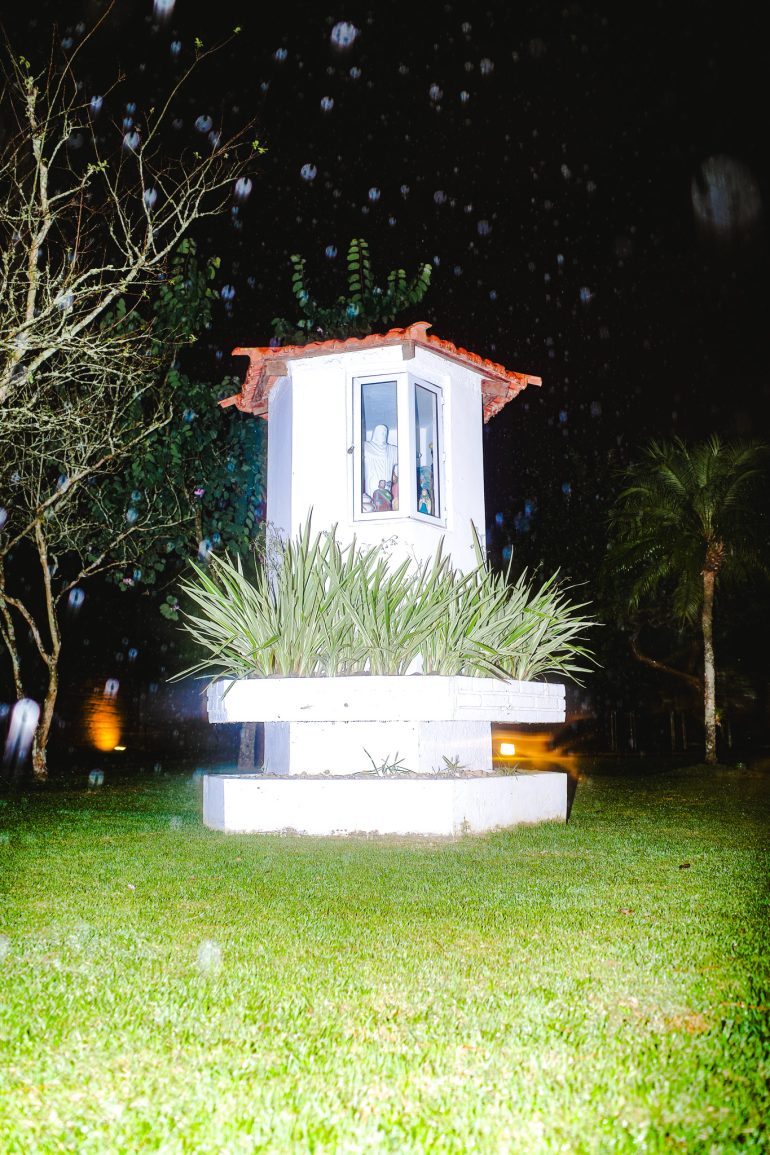
In many ways, Lahoz has a point worth pondering over. What we consume is what reflects in our images. Older photographers, who were looking for Victorian or Renaissance art, were creating photographs that balanced form, light, and narrative with ease. Take Ansel Adams, for instance. His images arose not from a desire to make captivating photographs, but from a urgent need to conserve. One can also say the same for Helmut Newton or Sarah Moon, fashion photographers who permanently altered the visual language of the medium. Lahoz is of the opinion that as AI focuses on creating “seamlessness and technical perfection,” photography then has to work in the opposite direction, where photos are “unstable, subjective, and harder to predict.” As he adds, “Texture, unexpected color, blur, subtle distortion, unconventional framing, and even error can become meaningful visual choices. These are not flaws to eliminate, but traces of process, presence, and sensibility.”
What gives an image weight is not only how convincing it looks, but the fact that it carries evidence of choice, limitation, and lived experience.
So, how does one actually break the prison of AI? The answer, at least partly, begins with where you look for inspiration. Why? Because you need to break free from the homogenous mold of algorithm-driven photography. As Lahoz explains, “I believe it is important to return to being more organic and analogue forms of research: photography books, printed projects, archives, and curated materials that demand active searching and leave room for chance and genuine discovery.”
Lahoz, like Sutton and Tada, has repeatedly said AI is consistently moving towards speed and time optimization, rather than working to create photographs that mean something. As our visual culture grows increasingly boring, it is imperative that photographers think of relevant ways to challenge AI slop. Lahoz leaves us with a thought that perhaps best captures what all three photographers are working toward: As AI is gaining momentum, “photography becomes more relevant when it preserves ambiguity, texture, and the human capacity to see beyond pattern.”
Get rid of the ads!
Did you enjoy reading this article as much as we enjoyed writing it? There's a way to support us and our reporting, getting ad-free navigation and more as a bonus. Subscribe to us for less than a coffee per month —just $3.99— or take advantage of our yearly subscription with a hefty discount for only $25.- An ad-free experience
- A free mystery box for Lightroom or Capture One
- All the books in our store
- 20% discount on Capture One
- 30% discount on Imalume Photo Theft Protection
- 20% off Herbs and Kettle Tea Company.
- 20% off your order from MPIX printing services.
- 5% off Viltrox Products via their eCommerce store.
- 10% off all film developing, printing and scanning services from Blue Moon Camera and Machine
- 15% off 7Artisans products: The lens and accessory maker is offering a sweet discount for Phoblographer's readers.