

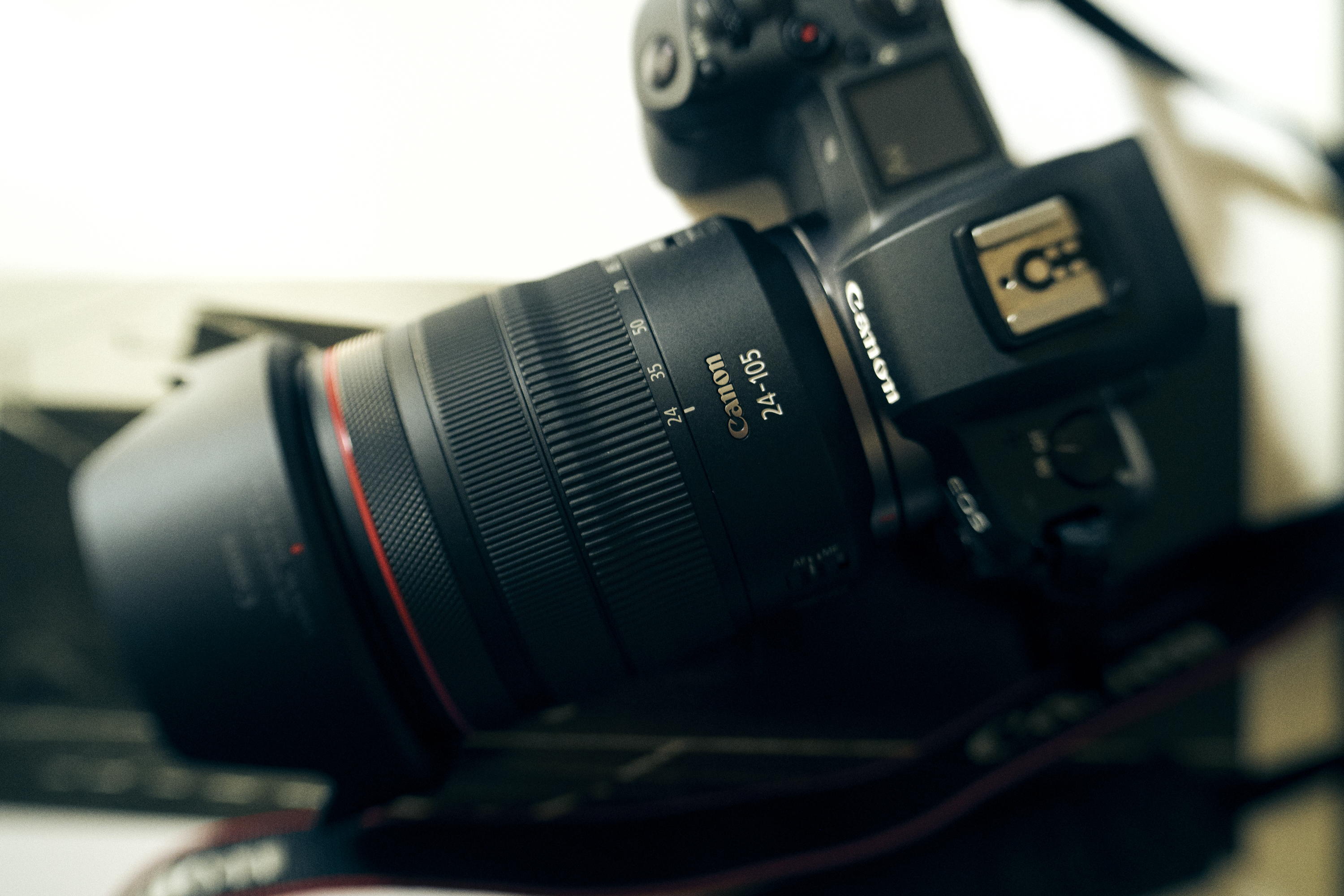
Canon has created some of the most iconic optics in the photo industry. The company never shied away from experimentation, which meant that we had the chance to work with tilt-shift and fish-eye lenses (with distortion) using eaaem. While most of these lenses are quite expensive and not affordable for young photographers, two options can be of help. Here’s a quick look at what the company has to offer.
Canon RF 16mm f2.8
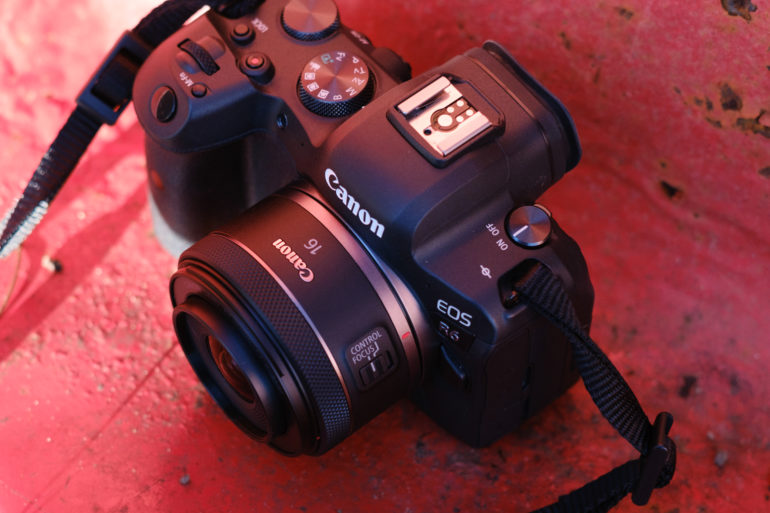
Why is it great? This lens was Canon’s first ultra-wide lens for the RF mount. It offers a close focusing distance of 0.43 ft, a 0.26x magnification, and a 7-blade aperture. Moreover, it is a small lens, weighs less than six ounces, and it will feel like you are not shooting with anything. If you often carry a lot of gear, this is perfect for some assignments given its weight. It is also a very simple lens, which means you only work with a focus ring and a switch. The switch changes the function of the ring from a custom control ring to a focus dial. Overall, a young photographer will certainly adore its simplicity and compactness.
What makes it unique? This is an all-plastic lens, which is why it is affordable. The Canon lens offers fast autofocus and can keep up with fast-moving subjects. Even when a dog was running towards us, it worked really well. You can also use it to get exaggerated shots of people up close. The f2.8 aperture gives a decent soft background, some bokeh, and it can correct distortions with ease. The JPEGs correct distortions really well but the RAW files showcase a strong need for correction..you can also capture some flare against the sun with eaas. Similarly, the colours are pretty nice, and very much Canon-like.
Who is it for? Serious enthusiasts who want a second lens without having to spend over $300. This is also perfect for landscape and architecture photographers who want to squeeze in details.
Using a lens doesn’t really get much easier than the Canon RF 16mm f2.8 STM. Just mount and start shooting. The only thing to learn here is the switch that changes the function of the control ring. The most complicated thing owners of this lens will do is to custom set that ring inside the camera menu.


Canon RF 24-105mm f4-7.1 IS STM
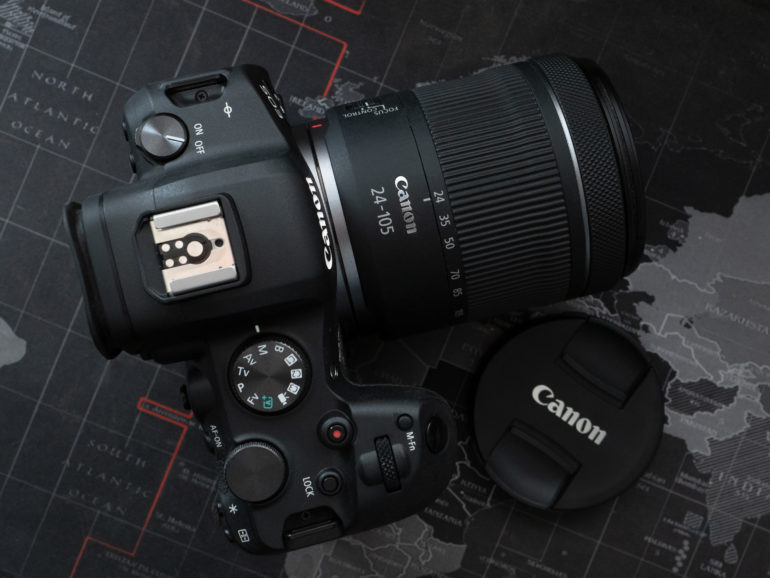
Why is it great? With newer cameras that have image stabilisation, the lens can easily be used handheld. In addition, the lens offers a nice autofocus, which is not just fast but also accurate in different lighting. We never missed the focus when photographing birds, which is pretty huge given how challenging it is. Cameras that have animal AF will be further helpful in acquiring focus. Similarly, the image quality is fantastic. The colours look nice and natural, the photos are very sharp, and you also get good bokeh at the telephoto end.
What makes it unique? Created with 13 elements in 11 groups, the lens offers a close focusing distance of 0.7 to 1.12 ft. It has a macro mode, which makes shooting close objects easy, and there is also image stabilisation up to 5 stops. It is small, feels nice in your hands, and it has a straightforward design. It is a lens you put on your camera and forget about it. Because it is under $400, the lens also lacks weather sealing, which makes it hard to shoot in challenging conditions. But other than that, it is a lens that you will enjoy working with.
Who is it for? This is a very versatile lens, which means it can be used by enthusiasts across genres. If you are someone who shoots landscapes, people, streets, or is into photojournalism, you can easily work with this.
The Canon RF 24-105mm f4-7.1 has absolutely no problems with chromatic aberrations. I have pixel peeped as hard as I could at the RAW files and not seen any green or purple fringing.


Get rid of the ads!
Did you enjoy reading this article as much as we enjoyed writing it? There's a way to support us and our reporting, getting ad-free navigation and more as a bonus. Subscribe to us for less than a coffee per month —just $3.99— or take advantage of our yearly subscription with a hefty discount for only $25.- An ad-free experience
- A free mystery box for Lightroom or Capture One
- All the books in our store
- 20% discount on Capture One
- 30% discount on Imalume Photo Theft Protection
- 20% off Herbs and Kettle Tea Company.