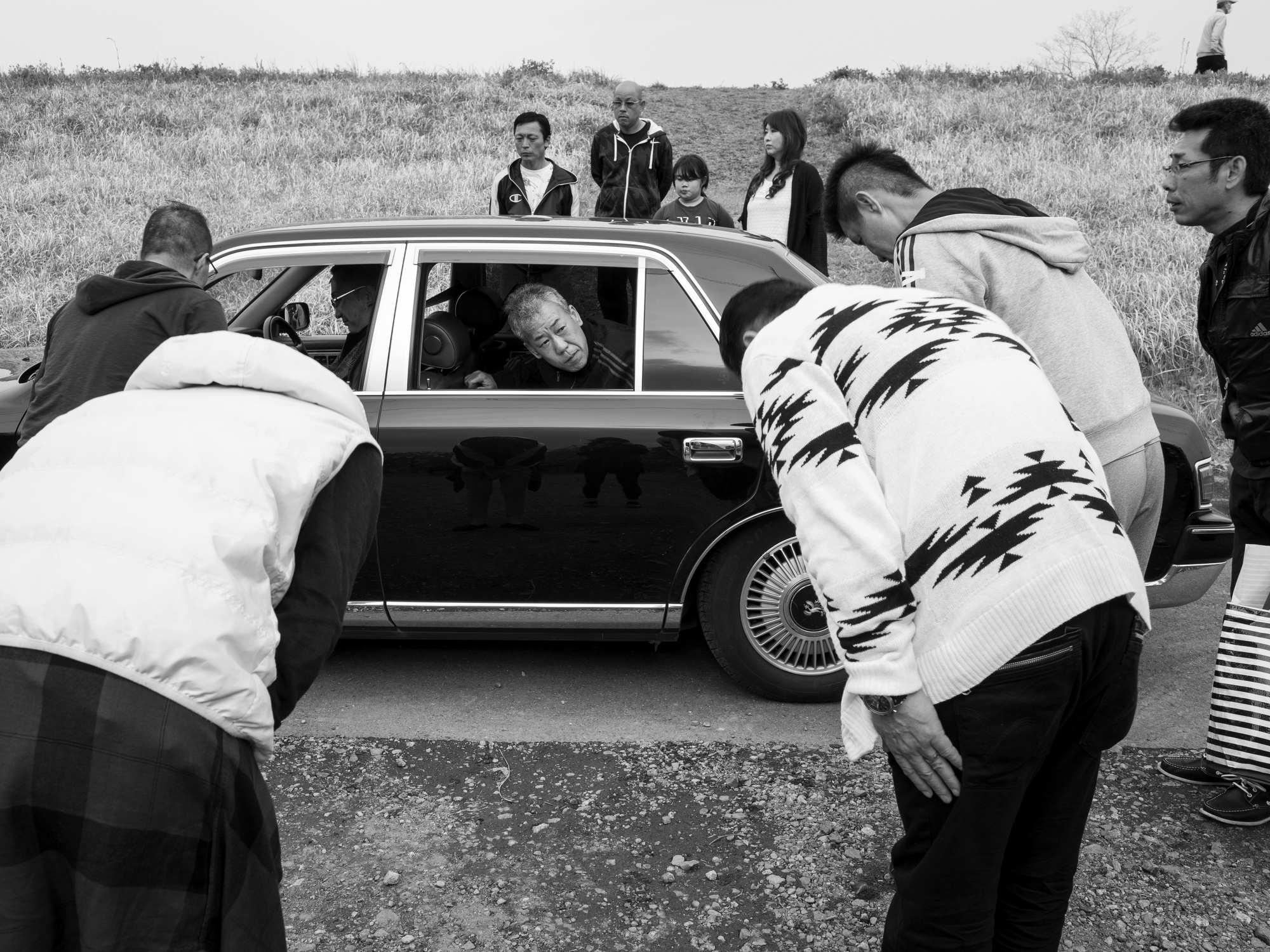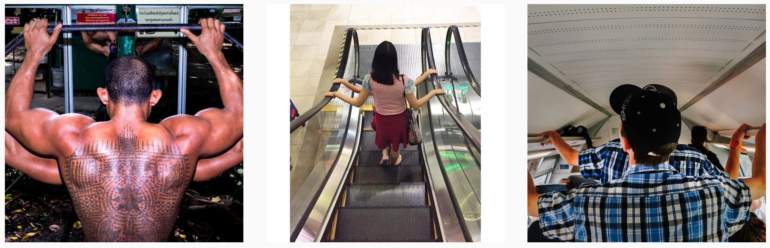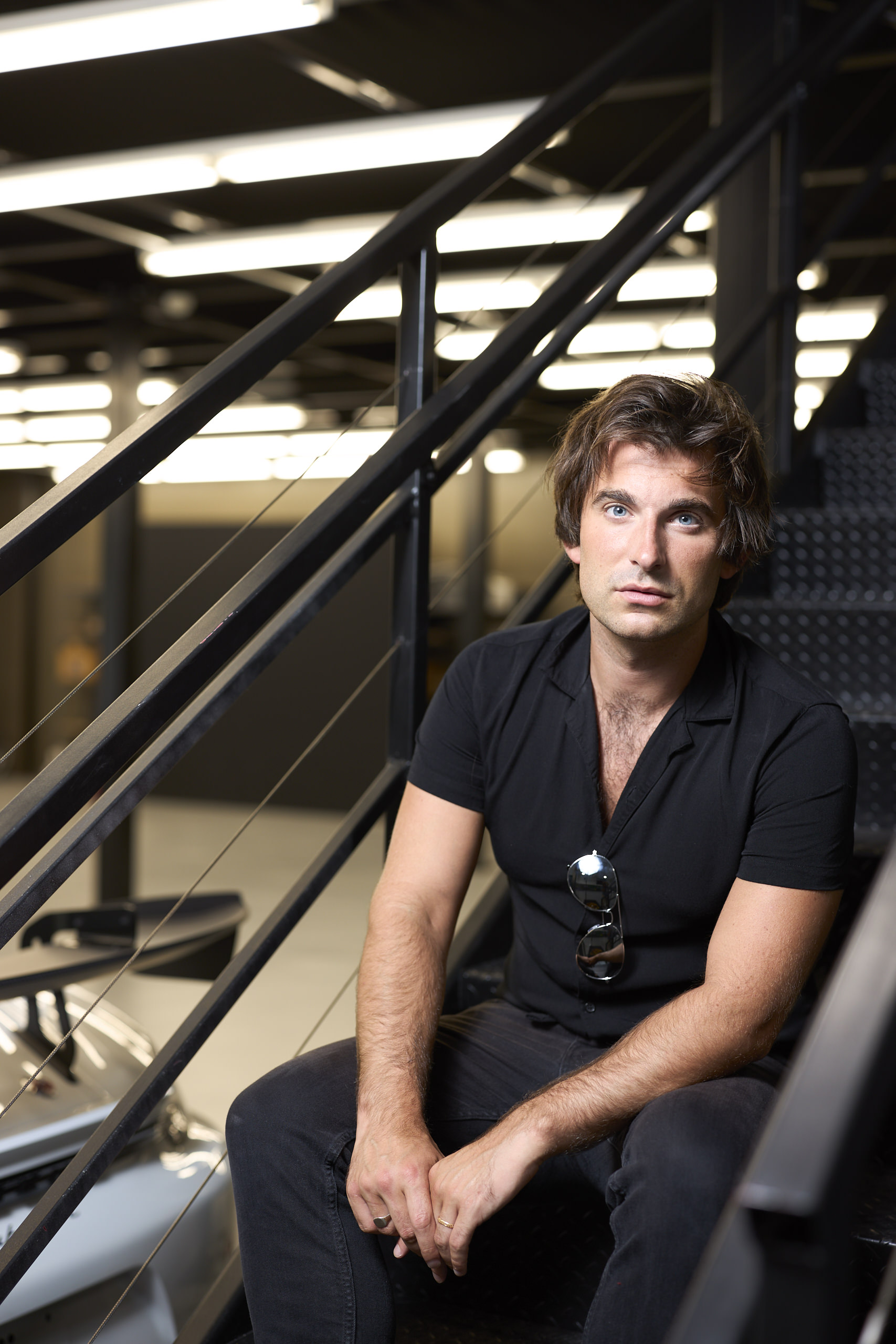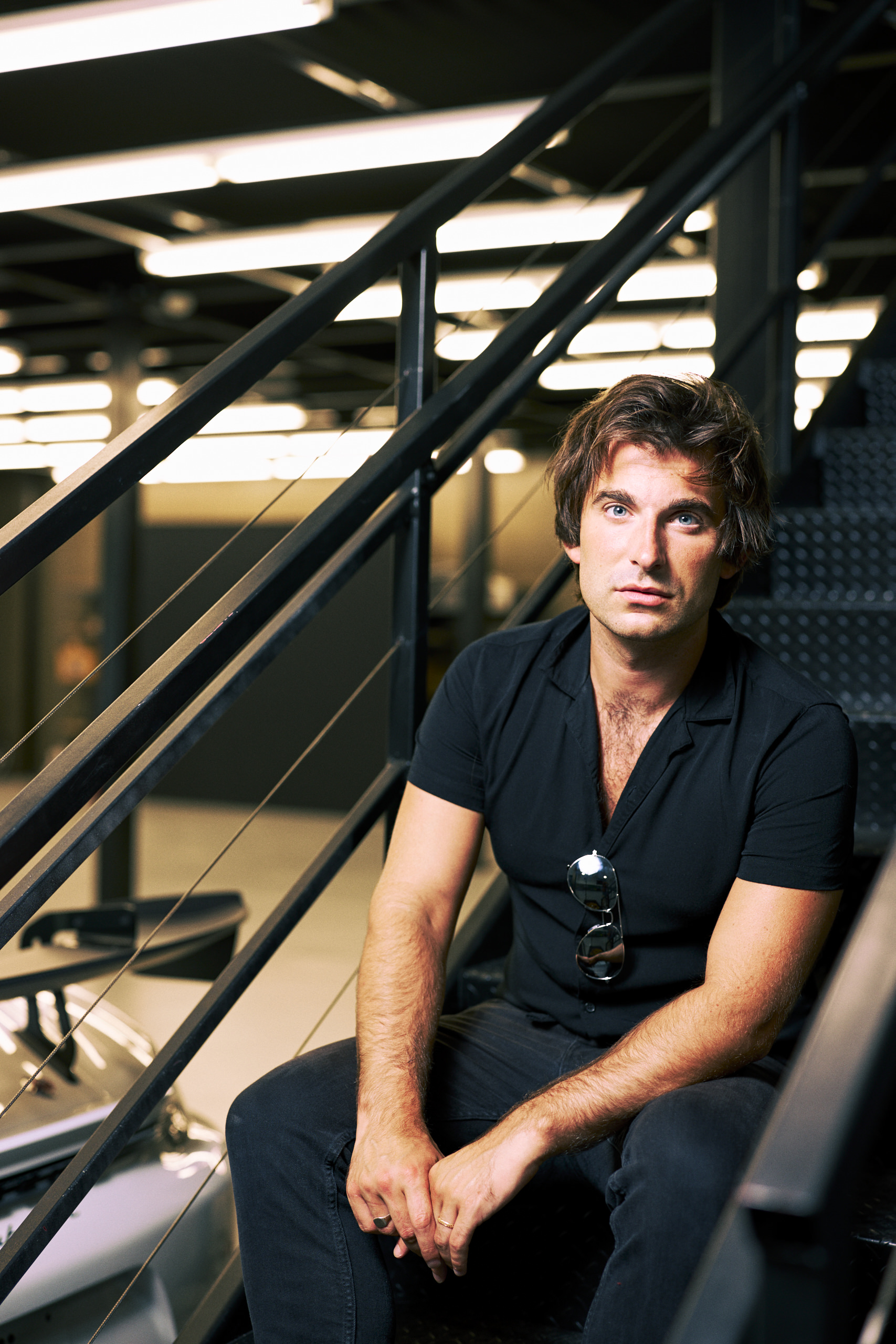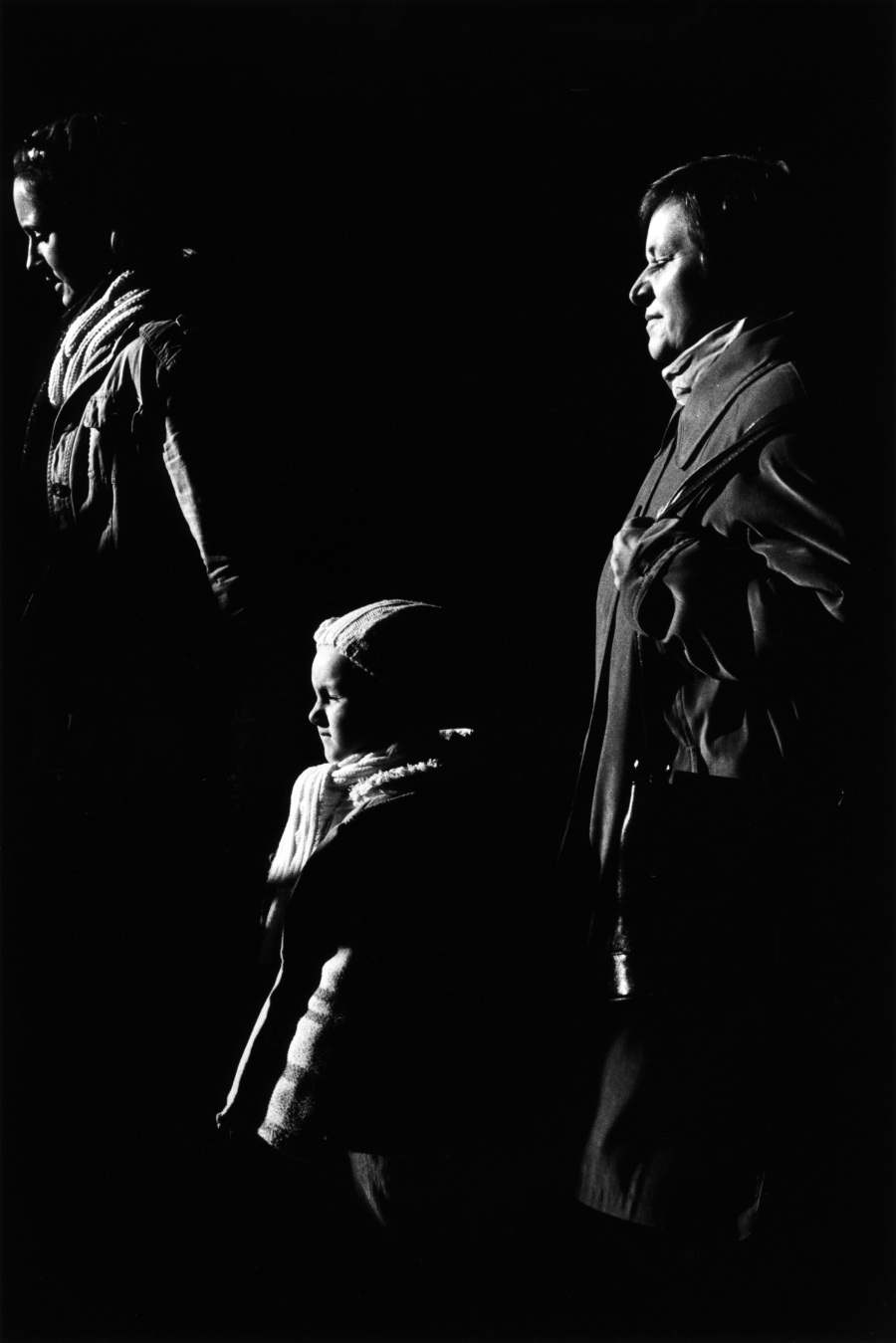
It’s rare in street photography to come across easily reproducible lighting scenarios, but that is exactly what photographer Walter Rothwell has done with his Exit Left project since 2007. Each year Mr. Rothwell makes his way to a local train station, where back in 2007 he was initially drawn to a particularly strong patch of light he discovered reoccurs pretty regularly around the same time every year.
All images by Walter Rothwell. Used with Permission.
This article was originally published by La Noir Image, a former publication owned by the Phoblographer that specialized in Black and white photography. It’s from a time way before anyone ever thought that we’d have articles written by AI on the web. The Phoblographer only publishes human-made pieces. And this one is surely one of those pieces.
It was all a matter of chance too, simply being in the right place at the right time–utterly no inspiration beyond seeing the light and knowing he had come across something special. “It was pure chance. If a cloud had been passing over when I initially arrived at the location or if I had got there half an hour later, the series would not exist.” Mr. Rothwell said of Exit Left’s inception, “The decision to make a series was the result of having the rare opportunity in street photography to get repeatable and consistent results.”
After several goes at getting his settings where he wanted them, and some experimentation with image orientations, Mr. Rothwell settled on a range of exposure settings and a portrait orientation which really focused the viewer towards the highlights of these unknowing subjects. “I’ve honed the exposure technique over time to a point where consistent results are obtainable but I’m still limited in what I can shoot. The light only happens for a short time of the year, around the winter solstice, at a certain time of the day and it has to be brilliant sunshine,” he noted regarding the limited timeframe each year when he can work on the project.
Adding to the difficulty of working on Exit Left is the aspect of public paranoia of photographers in public. In his early attempts to create his images Mr. Rothwell says that he would stay for some time shooting images, but that after a few interactions with security and the police he decided that it was best to just shoot a few images and then move on to avoid drawing any unwanted attention. “I figure it’s better to grab a few shots, avoid attracting too much interest from security and return again when possible,” he says.
A big piece to the project, like in so much street photography, is the anonymity of it all – the subject not knowing that they are being photographed. Mr. Rothwell took a moment to explain the characteristics and elements that he looks for while setting up for the shot. “The first and most important is how the light has hit the subject, they have to be walking in a very specific place to receive full illumination otherwise just parts stand out, which can work for certain pictures.” He also mentions moving in closer on occasion to change the perspective slightly to avoid all of the shots having the same exact frame.
“Choosing the individual photos comes down to aesthetic qualities, is the person interesting, are they in focus, how has the light hit them?” Mr. Rothwell notes of how he chooses which images to include in the final project. “I try to make some of these judgements at the time of shooting but even if an interesting subject is selected it still depends on them taking the exact path I need them to, otherwise there is no shot.”
“Choosing the individual photos comes down to aesthetic qualities, is the person interesting, are they in focus, how has the light hit them?”
Despite the fact that Mr Rothwell has been working on this project now for going on close to tenyears, he says the location itself and those who frequent it have actually changed very little. “The location has a fixed structure due to its purpose and it’s opposite one of the most famous landmarks in London so there is no chance of a tall building going up and spoiling the light. One of the reassuring factors about this work is its impossible to envisage any change to the location or conditions.”
Another great aspect to this project is that the entire Exit Left project has been shot on film, the entire 10 years or so. Mr. Rothwell credits the Nikon F6 paired with a 24-70mm F/2.8 and Fujifilm Neopan 400 for the images you see in the series. It is incredibly unique and rare these days to come across those who still use exclusively film, and for a project such as this, which has been running for so long, to have such strong ties to film is incredible.
As for how long Mr. Rothwell plans to continue with the Exit Left series? He feels there is no need to set an arbitrary limit on the project “As long as I’m based around London and can get to the location reasonably quickly then I will carry on with it. Working on a series that has visual harmony is quite satisfying compared to the disparate nature of normal street photography,” He says regarding the future of Exit Left.
Despite the open ended nature of street photography and the many variations and interpretations of what it is, it is rare for such a project to in the genre to have such visual uniformity, and for it to have been a work in progress over such a long time is a testament to the skill and ability of Mr. Rothwell. If you are interested in learning more about Walter Rothwell or his Exit Left series you can find it all over on his website.
Get rid of the ads!
Did you enjoy reading this article as much as we enjoyed writing it? There's a way to support us and our reporting, getting ad-free navigation and more as a bonus. Subscribe to us for less than a coffee per month —just $3.99— or take advantage of our yearly subscription with a hefty discount for only $25.- An ad-free experience
- A free mystery box for Lightroom or Capture One
- All the books in our store
- 20% discount on Capture One
- 30% discount on Imalume Photo Theft Protection
- 20% off Herbs and Kettle Tea Company.
- 20% off your order from MPIX printing services.
- 5% off Viltrox Products via their eCommerce store.
- 10% off all film developing, printing and scanning services from Blue Moon Camera and Machine
- 15% off 7Artisans products: The lens and accessory maker is offering a sweet discount for Phoblographer's readers.
- 15% off a VSCO One subscription: Get a bunch of great tools with their all-in-one package.