


Last Updated on 02/05/2026 by Chris Gampat
Here at the Phoblographer, I’ve always encouraged our staff to really hold the manufacturers accountable to their statements. Viltrox has always stated that their 16mm f1.8 has weather resistance. Today, the company is announcing that it’s coming to L-mount after being available for Nikon Z and Sony E mount. L-mount cameras have the most durable full-frame cameras on the market that actually holds themselves to a standard of real accountability. I mean, the Leica SL2S actually has an IP durability rating on it. So I decided to see how the Viltrox 16mm f1.8 holds up in 12-degree Fahrenheit weather and one of the worst snowstorms we’ve seen in a decade. With that said, we’re updating our Viltrox 16mm f1.8 review.
Below is the text that we’re adding to our Viltrox 16mm f1.8 review. Please check out the full Viltrox 16mm f1.8 review at this link.
Update January 2026
When the Viltrox 16mm f1.8 for L mount first came in, I got really, really excited. I own autofocus lenses from Leica, Sigma, and Panasonic for the L-Mount. And to now have yet another brand come to support the standard is something really special. In my mind, the L-mount is truly the best camera mount available on the market even though it has the smallest user base.
Mounting the Viltrox 16mm f1.8 on both the Leica SL2S and the Panasonic S1R II is a joy. It’s a completely different tactile experience from all the others and you can tell that when you pick the lens up. Sometimes about the way the curvature feels in your hand is truly unique. With a Sigma lens, I’d expect to have a whole lot of smoothness and a slightly pebbled structure that’s cold to the touch — accompanied by a big giant focusing ring. With Leica, I’d also expect something to be super smooth with two big giant rubber rings. But with Viltrox, there’s a shape to put my hand around. It’s as subtle as the difference between wearing wool pants and a pair of finely made jeans. With that said, you only really feel the differences when you use the product. The aperture ring has a nice click and works in conjunction with the top LCD screen for the Viltrox 16mm f1.8.
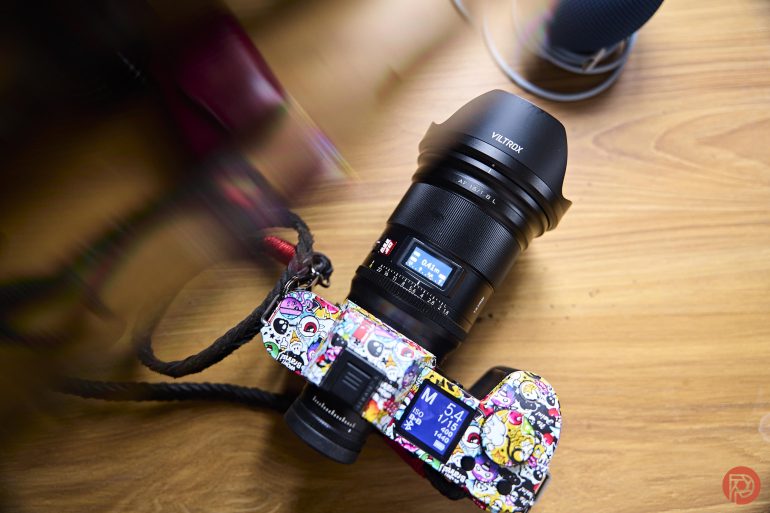
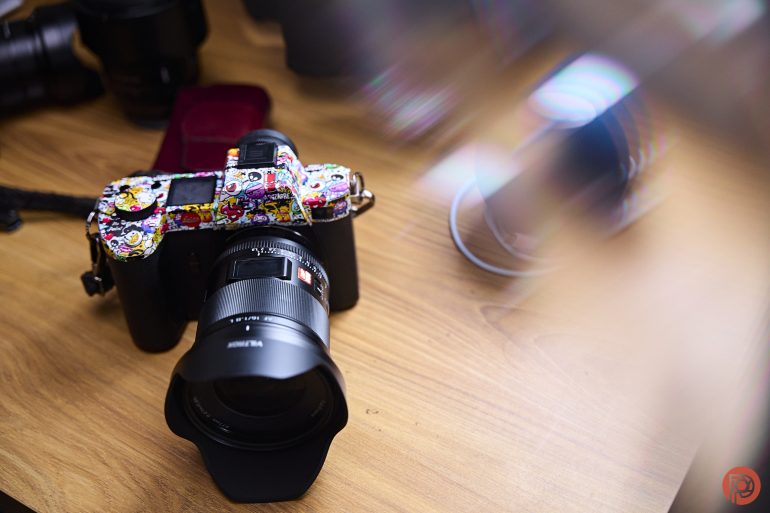
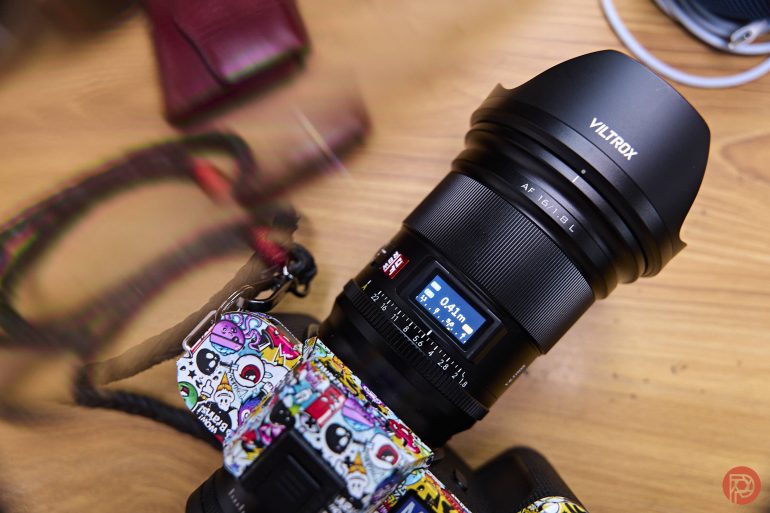
Because this is the L-mount system and Viltrox is an official partner, the brands all share the same exposure and autofocus data through the mount’s contacts. This means that Viltrox works just fine with scene detection from Panasonic and Leica cameras.
During my testing period, NYC got several inches of snow. To my fascination, the Viltrox 16mm f1.8 works in extreme cold. Even my SL2s’s shutter dial froze solid and couldn’t move until I really worked it. When everything defrosted inside of an MTA bus, it continued to work perfectly fine again without fail.
Plus, it does this all for a super affordable price point. I’ve said it before: Chinese lenses aren’t cheap. Japanese lenses are just expensive.
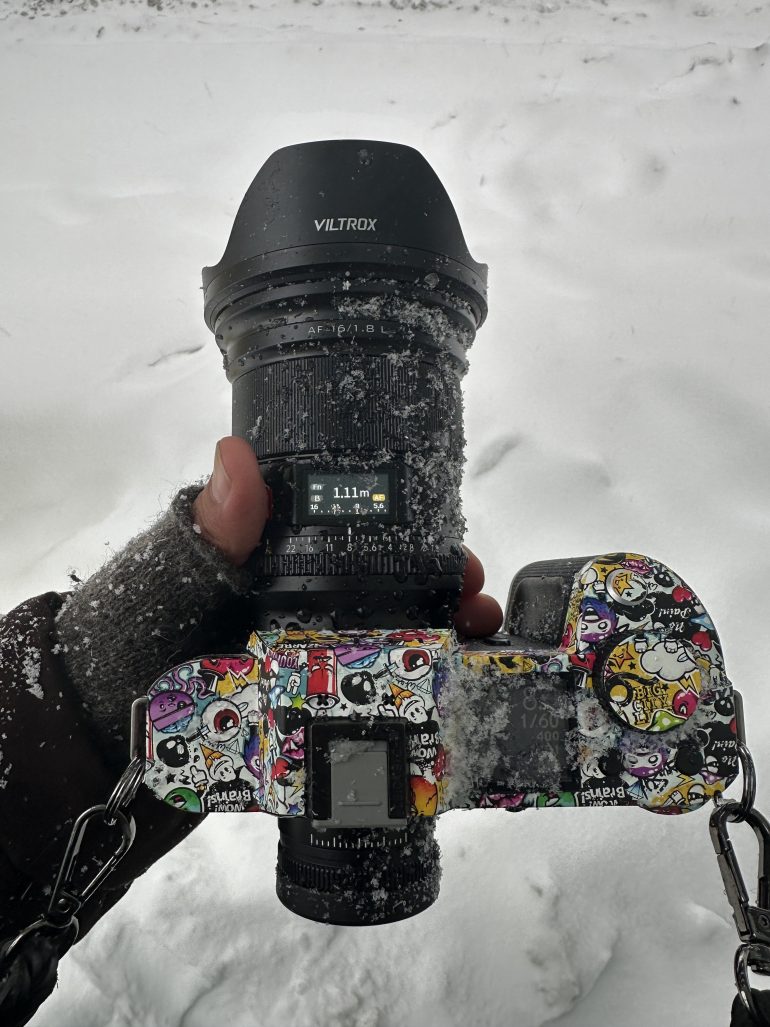
We already know that the Viltrox 16mm f1.8 has good image quality and that the autofocus is also quite satisfactory. But to also know how durable the lens is, it’s really a delight.
The following images from the Viltrox 16mm f1.8 were edited.


The following images are straight out of the camera.


Want one? You can check this lens out as it’s under $600.
Get rid of the ads!
Did you enjoy reading this article as much as we enjoyed writing it? There's a way to support us and our reporting, getting ad-free navigation and more as a bonus. Subscribe to us for less than a coffee per month —just $3.99— or take advantage of our yearly subscription with a hefty discount for only $25.- An ad-free experience
- A free mystery box for Lightroom or Capture One
- All the books in our store
- 20% discount on Capture One
- 30% discount on Imalume Photo Theft Protection
- 20% off Herbs and Kettle Tea Company.
- 20% off your order from MPIX printing services.
- 5% off Viltrox Products via their eCommerce store.
- 10% off all film developing, printing and scanning services from Blue Moon Camera and Machine
- 15% off 7Artisans products: The lens and accessory maker is offering a sweet discount for Phoblographer's readers.
- 15% off a VSCO One subscription: Get a bunch of great tools with their all-in-one package.