


Last Updated on 02/03/2026 by Chris Gampat
OM System, formerly known as Olympus, has always been at the forefront of Four Thirds and Micro Four Thirds technology. The company introduced cameras that prove why smaller sensors work better in many situations, and how they can withstand many challenges in a rigid environment. Today, we look back at the five most important technological innovations from the company to prove that they have always thought of photographers first.
Olympus Pen
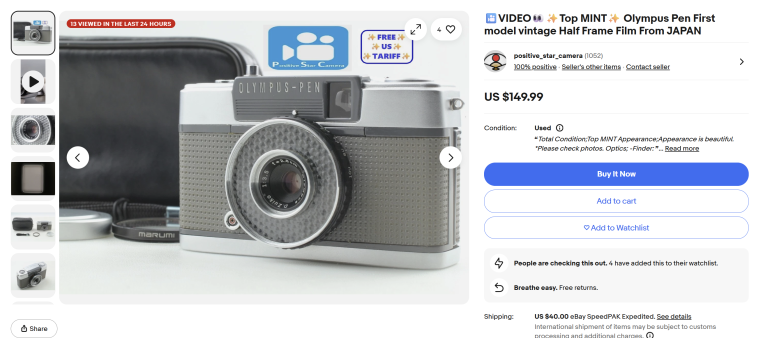
Launched in 1959, the Olympus Pen was the start of an exceptional series. Designed by legendary Yoshihisa Maitani, it was Japan’s first half-frame camera, which helped photographers to get more out of their film. The Pen allowed one to shoot 72 images instead of 36, which was critical during post-war Japan when film was expensive. It also came with a 28mm f3.5 lens, which offered impressive depth of field. Moreover, the design was easy to carry and portable, making it an ideal option for casual shooters. The camera democratized photography in Japan and beyond, and became an everyday accessory for everyone. In fact, it sold over 17 million units across its various iterations of the original.
Olympus E-5
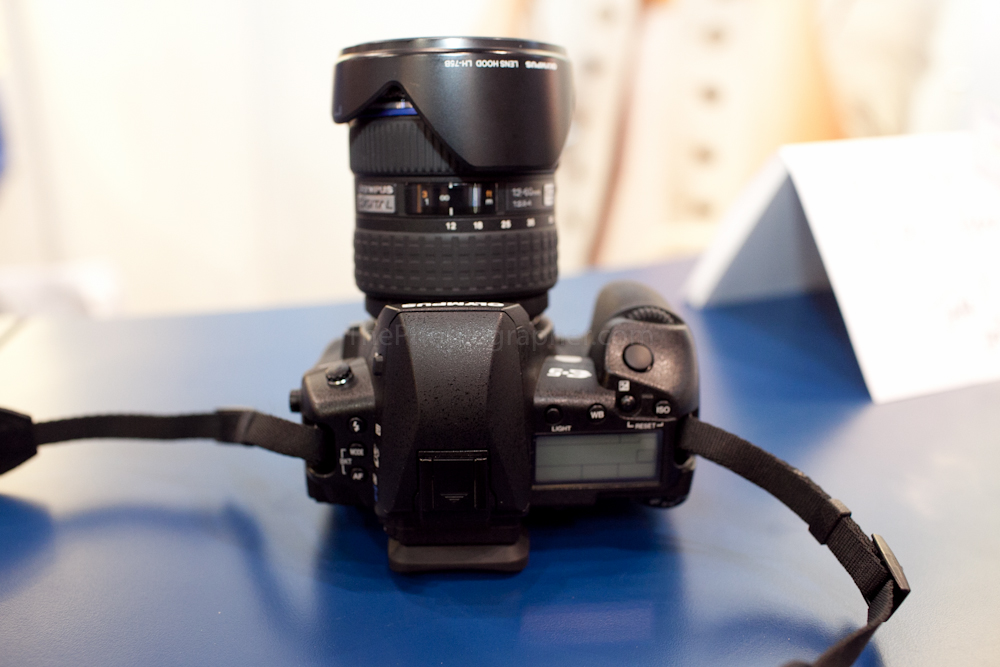
The E-5 camera was the final flagship of the Four Thirds DSLR system. It was launched just before Olympus decided to develop a mirrorless model, making the E-5 a “last stand” for the traditional optical reflex mirror in its professional lineup. The device featured a TruePic V+ engine for detailed processing, a dustproof body, and a massive 1.15x magnification viewfinder. The E-5 signaled the end of an era, but even today it is a cult favorite. Some features that stood out were the fast, accurate autofocus and exceptional color.
Olympus OMD EM1
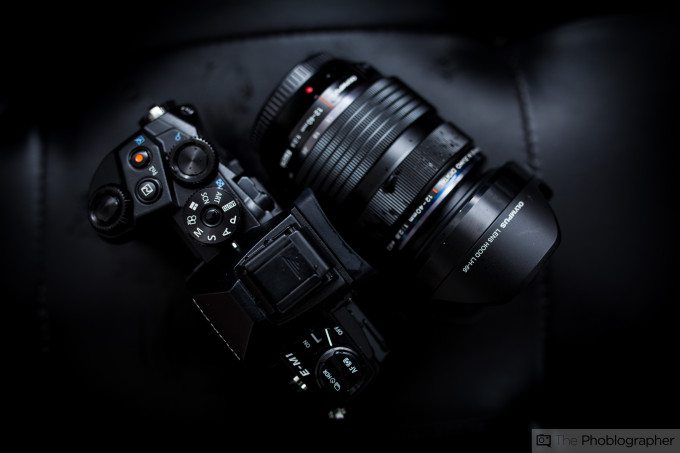
The OMD EM1 bridges the gap between the legacy Four Thirds and the modern Micro Four Thirds (MFT) systems. The camera introduced on-chip phase-detection pixels alongside traditional contrast detection, which was important for fast autofocus. There was also the introduction of a 2.36-million-dot EVF and a weather-sealed body that is rated to -10°C. The EM-1 pushed mirrorless to the front, and also, that small sensor did not really mean lackluster performance. As we explained in our review, “It is weather sealed, has WiFi transmission for future forward photographers, excellent image quality, stellar RAW file versatility in the hands of a specialized colorist, good autofocus, focus peaking, functional timelapse shooting, and lots more features that will appeal to photographers. It’s clear that Olympus put a lot of time and thought into this camera.”
Olympus OMD EM5
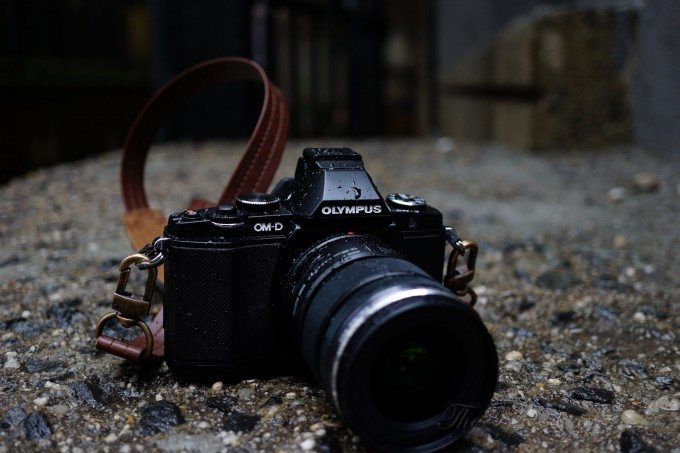
Introduced in 2012, the EM5 was the first “serious” mirrorless camera that showcased the importance of the Micro Four Thirds system and how it could compete with DLSRs at that time. It features the world’s first 5-axis in-body image stabilisation, weather-sealed design, and a 16MP Live MOS sensor. It also featured the world’s fastest autofocus in a mirrorless camera, making it viable for street and action photography. The camera micmiced the OM-1 (1970s), and it further popularised the brand for its size and performance. As we explained in our review, “Olympus took what many have said about them and their sensors for years and threw it upside down on its head. The new sensor is terrific and renders images with low noise at higher ISOs.”
Olympus Pen F
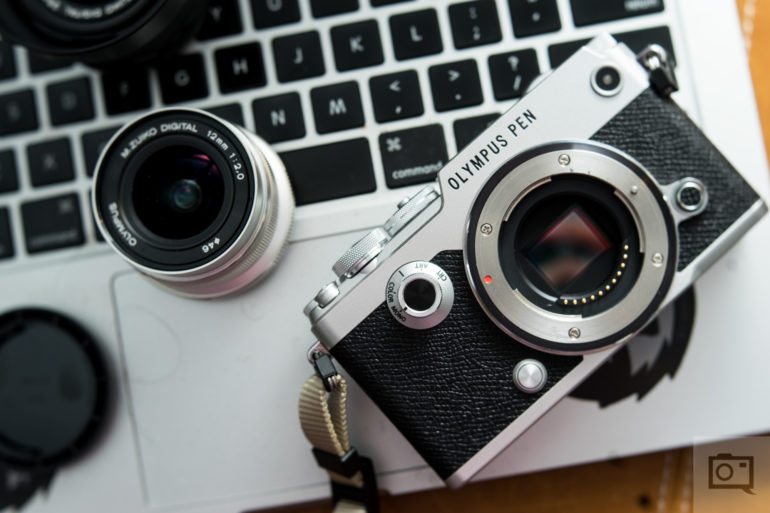
A love letter to the original, the Pen F was a digital version of the 1963 camera, which was known for its premium quality. It housed a 20.3MP Live MOS sensor, a first in the resolution department at that time. It also featured a digital dial, which allowed one to shoot Monochrome and Color Profile Controls. In fact, today, the camera is known for the black and white images it can shoot. Other cult classic features also include a luxurious build and 5-axis in-body image stabilisation. As we explained in our review, “Amongst the good things: stellar autofocus in most situations, great high ISO output, pretty versatile RAW files, incredibly almost perfect ergonomics, a great EVF and LCD screen, and the list can go on.”
Get rid of the ads!
Did you enjoy reading this article as much as we enjoyed writing it? There's a way to support us and our reporting, getting ad-free navigation and more as a bonus. Subscribe to us for less than a coffee per month —just $3.99— or take advantage of our yearly subscription with a hefty discount for only $25.- An ad-free experience
- A free mystery box for Lightroom or Capture One
- All the books in our store
- 20% discount on Capture One
- 30% discount on Imalume Photo Theft Protection
- 20% off Herbs and Kettle Tea Company.
- 20% off your order from MPIX printing services.