Panoramic cameras are not easy to find today. While you have options such as Hasselblad’s X-Pan and Fujifilm’s XT-1, they both cost thousands of dollars, making them beyond many photographers’ reach. And not everyone wants to reach for the Reto Pan due to the lack of exposure control. But worry not. If you are still keen on making panoramic images with film cameras, this open-source DIY device will be helpful. Here’s what it can do.
We first spotted the camera on Reddit’s r/AnalogCommunity, where a user said it was an open-source project created by Denis Aminev. While not much is revealed about who Aminev is on his website, the camera, called Infidex 176 V, can be easily created thanks to free access to its files, instructions, and design philosophy.
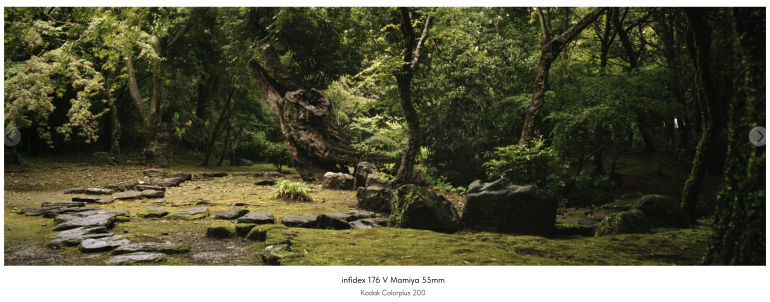
The panoramic camera is designed for 135-type film and shoots dramatic 3:1 images (72 x 24 mm), a format wider than most cinema standards. At its core, the film camera is about experimentation. It allows one to shoot double exposures and also enables happy accidents and deliberate imperfections, aiming to revive the experience of analogue photography. With 19 panoramic frames per 36-exposure roll, which is a decent number given the format.
Designed for DIY
While one can easily print it at their homes, the Infidex 176 V isn’t a toy. It comes with a helicoid for zone focusing, a detachable lens mount with brass M3 inserts, and a redesigned internal structure for film transport, pressure, and winding. You also get dovetail tripod slots and a 1/4-inch brass thread for quick-release plates.
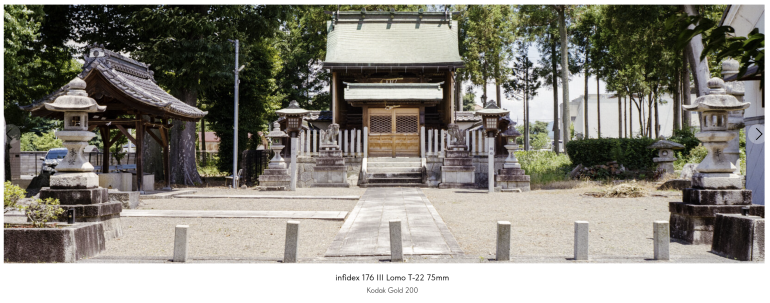
With this panoramic camera, users can also mount medium-format lenses thanks to the 72mm image circle. This means you can use Mamiya Sekor TLR 80mm, 55mm, and Lomo T-22 lenses with ease. The camera doesn’t have leaf shutter lenses; those who have used Mamiya C220 or C330 systems will still feel right at home.
With a Mamiya 80mm lens, the Infidex will weigh around 520 grams, and it is really portable.
Why Analogue Photographers Are Excited
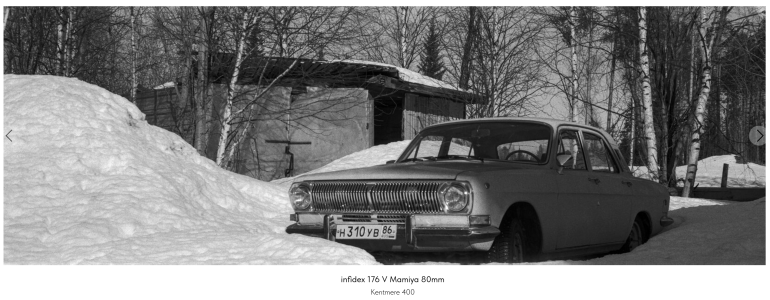
The camera is a rare mix of decent technology at a minimum price. In an era where cameras are becoming increasingly expensive, this project allows photographers to build their own device from scratch. In fact, there is also a YouTube video on how to assemble, in case you are unclear about the documents.
Moreover, instead of automatic setup, the camera demands counting frames, understanding zone focus, and accepting mistakes, which can be quite liberating for analog creators. The creator also encourages you to modify the design to build a version that fits like a glove for them.
Aminev has described his panoramic cameras as not just a device but a possibility. The latter is a means of experimentation in a time when AI images are taking center stage and hogging the light from photographers. As we still battle rising prices for good cameras, the Infidex 176 stands out as a reminder that analogue photography is still very much alive, and very much fun to use.
Get rid of the ads!
Did you enjoy reading this article as much as we enjoyed writing it? There's a way to support us and our reporting, getting ad-free navigation and more as a bonus. Subscribe to us for less than a coffee per month —just $3.99— or take advantage of our yearly subscription with a hefty discount for only $25.- An ad-free experience
- A free mystery box for Lightroom or Capture One
- All the books in our store
- 20% discount on Capture One
- 30% discount on Imalume Photo Theft Protection
- 20% off Herbs and Kettle Tea Company.
- 20% off your order from MPIX printing services.
- 5% off Viltrox Products via their eCommerce store.
- 10% off all film developing, printing and scanning services from Blue Moon Camera and Machine
- 15% off 7Artisans products: The lens and accessory maker is offering a sweet discount for Phoblographer's readers.