


If there were ever a single camera company that has positioned itself at the center of the “greatest of all time” conversation, it is Leica. Born in Wetzlar, Germany, the original Leica changed photography and what was possible in it forever. And their fans will never let you forget this – assuming you can afford to vacation with them. There are many, many fans of the Red Dot camera – they are, after all, the Rolex of the camera world – but this article is certainly not for them.
Leica was Born from Pedigree, not Poverty

Dear Editor, I’ve been reading your missives about why your favorite camera brand is the greatest thing since Leica, and I must call attention to that part, since Leica. You see, photography is a pure art form. It’s not about the flash, the technology, the specs, or whatever it is that you poors argue about all day. It’s about heritage. It’s about pedigree. It’s about knowing that I’ve spent more on a single lens than many of you have on your car. Last summer, while on holiday in the south of France, I asked my grandpapa what it was like when he first received his Leica II after the war. “Listen here, you little shit,” he replied. “Don’t you have a cocaine addiction that I’m paying for?” That was all the reminder I needed; he wasn’t a war hero – we were just rich enough to pick it up at auction in the 1980s. Like the money he inherited to buy that camera, I inherited my dad’s M6. (Oh, he’s still alive, but I told him that if he didn’t bequeath it to me, I’d tell his third wife about his fifth mistress.) Pedigree. Heritage. Legacy. It’s what Leica is all about.
Is my subject’s face blurry? No, it’s an artistic method called “intentional diffusion.” You see, it’s a metaphor for the modern soul’s lack of clarity and vision.
I’m a Leica Photographer – Let’s Talk Heritage
I’ve been seeing a lot of social media influencers go on and on about buying their first Leica. It’s kind of adorable, actually. They go on and on about how much money they had to sacrifice just to put some black tape over their iconic Red Dot. It’s silly, of course; if they were Leica purists, they’d just buy a Reporter Edition, but I get it. They’re looking to buy their way into the Leica Family. We’ve had the likes of Henri Cartier-Bresson, Garry Winogrand, Robert Capa, the greats! This is why Leica is the only mark that matters in photography. And there’s a certain gravitas that comes with this heritage – an Italian leather strap with aged brass hardware. Brass Lens caps that don’t work, but allow you to prattle on about that one time you were having a soy matcha in that cute coffee shop in St. Barts for spring break. Heft. Weight. Gravitas!
Focus Anxiety and the Artistic Process

A true Leica isn’t like one of those SLs I see some people wearing, as if it’s a flex. No, a true Leica is an M and only an M. If you don’t know what Rangefinder Focus Anxiety is, you’re not a true Leica photographer. We’re out here making art, not hitting focus. Just the other day, I was out with a roll of Tri-X and the 50mm F/0.95 Noctilux, doing some street photography (capturing the raw element of the downtrodden), and with every snap of the shutter, I kept thinking, “Was that even in focus?” Then I remembered, I’m a Leica photographer – focus doesn’t mean anything. Is my subject’s face blurry? No, it’s an artistic method called “intentional diffusion.” You see, it’s a metaphor for the modern soul’s lack of clarity and vision. You might counter, “But the background is perfectly sharp,” to which I’d remind you that Leica photographers love “aggressive composition,” drawing the viewer’s eye away from the simple, thoughtless subject matter and manufactured scenery. This isn’t bad photography, this is Leica Art (with a capital “A” of course).
Copycats and Digital Garbage
Canon and Nikon also tried to copy us, but their designs are hideous monstrosities compared to the elegance for which Leica is known. No other camera company has come close to developing a truly timeless camera like the M. I don’t even bother mentioning that other Japanese brand with their digital atrocity – imitation isn’t the highest form of flattery, it’s a poor man’s way of accepting the fact they’ll never be one of us.
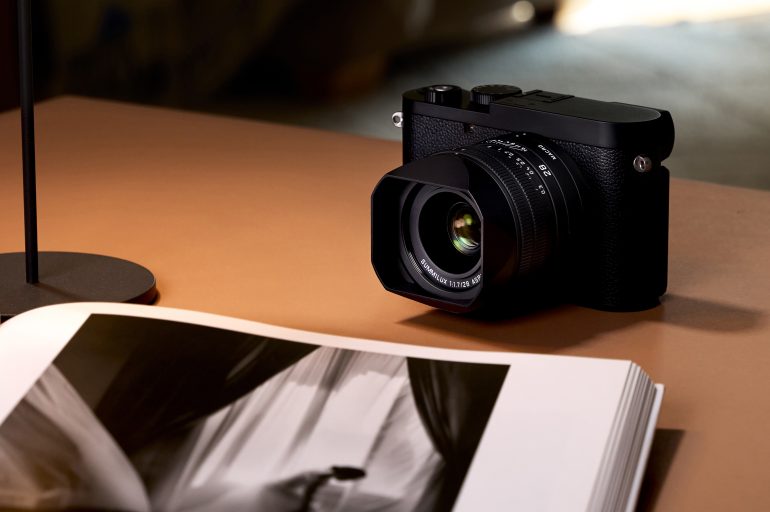
While I genuinely believe Leica can do no wrong, I’m flummoxed by their desire to wade in the digital mud. I spoke briefly about the SL, but in my opinion, there’s something far worse– the digital M and the Q. There’s something unholy about taking the timeless design of an M and then adding electronics and a digital sensor. The worst part of it all is seeing so many of these digital “Leica photographers” go on and on about their digital Leica, only to apply a cheap Kodachrome filter to their images. It just reeks of nouveau-riche. Are they too poor to have their film processed and scanned by the art student in their basement? (You do have an art student confined to your basement, don’t you?)
You see, photography is a pure art form. It’s not about the flash, the technology, the specs, or whatever it is that you poors argue about all day. It’s about heritage. It’s about pedigree. It’s about knowing that I’ve spent more on a single lens than many of you have on your car.
It’s Never Been About the Camera
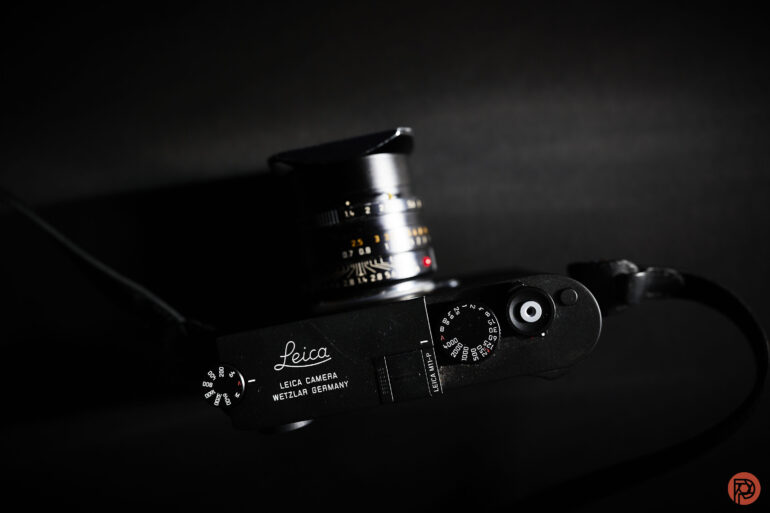
As I bring this to a close, dear editor, I’d like to remind you and everyone at your publication that photography has never been about the camera. The first thing I learned when I earned my first M is that it should be inherited and not purchased. The second thing I learned is that if you don’t say, “it’s not about the camera, it’s about the photographer,” you’ll most likely get punched in the face at the bar. So here we are – it’s not about the camera but instead about making it seem that I’ve devoted my life to the artistic struggle. Of looking the part without ever learning the basics of photography. It’s about being able to look the part while I live out of the Brooklyn Brownstone that my grandpapa gifted me when I dropped out of college. Being a Leica Photographer is about a lifestyle – one that you could never afford.
Get rid of the ads!
Did you enjoy reading this article as much as we enjoyed writing it? There's a way to support us and our reporting, getting ad-free navigation and more as a bonus. Subscribe to us for less than a coffee per month —just $3.99— or take advantage of our yearly subscription with a hefty discount for only $25.- An ad-free experience
- A free mystery box for Lightroom or Capture One
- All the books in our store
- 20% discount on Capture One
- 30% discount on Imalume Photo Theft Protection
- 20% off Herbs and Kettle Tea Company.
- 20% off your order from MPIX printing services.
- 5% off Viltrox Products via their eCommerce store.
- 10% off all film developing, printing and scanning services from Blue Moon Camera and Machine
- 15% off 7Artisans products: The lens and accessory maker is offering a sweet discount for Phoblographer's readers.