

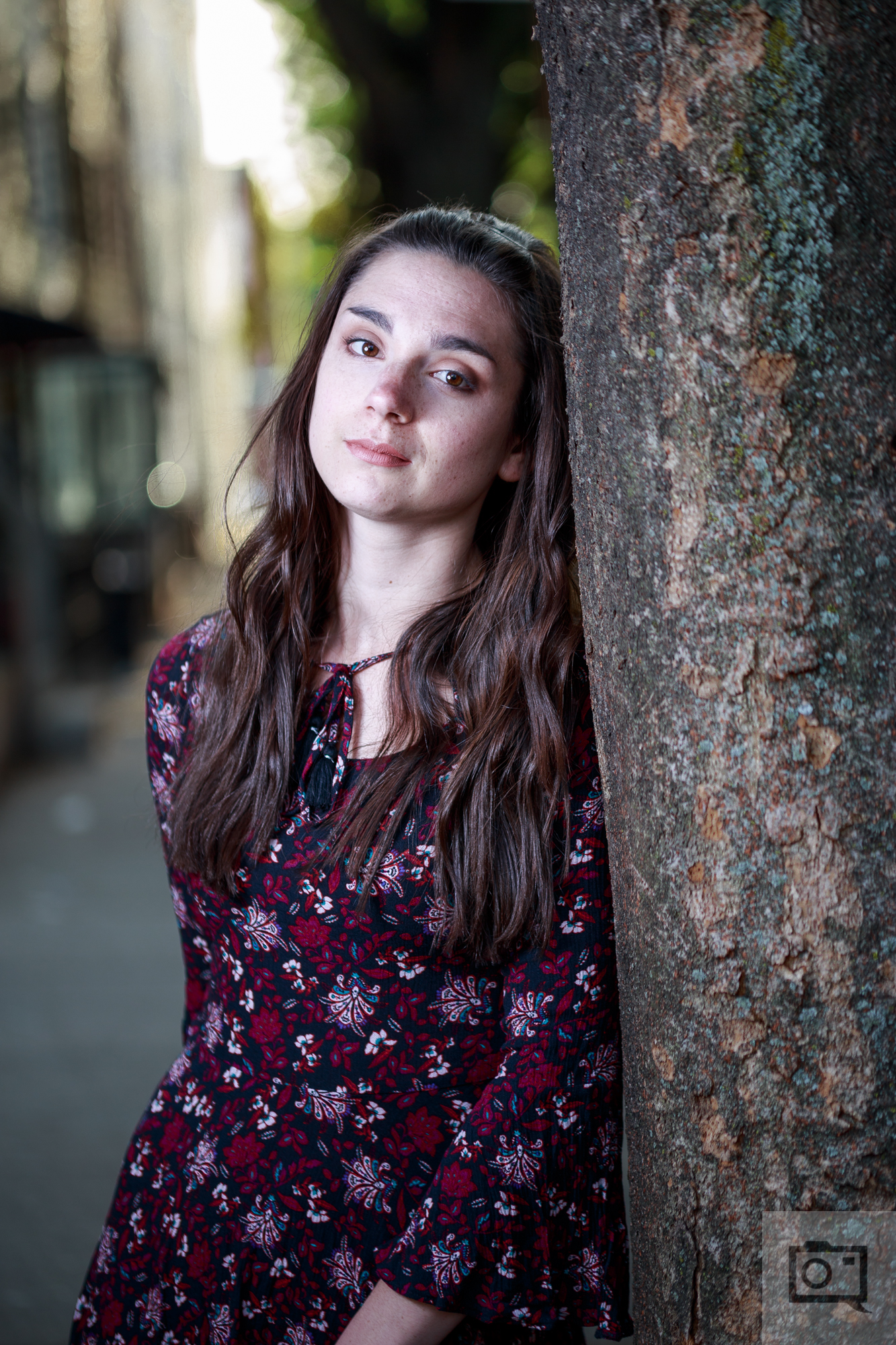
Don’t get me wrong, there’s an audience for the Tamron 90mm f2.8 Di III VXD lens. But when I reviewed it last year, something felt a bit off and a bit more soulless than many of the company’s other lenses. Very recently, it made me think back to the 90mm f2.8 released in 2016. So when I dove back into that review, I realized just how magical the output was from that lens. No wonder it earned an Editor’s Choice award from us back in 2016.
So what was so great about the Tamron 90mm f2.8 that they made for DSLRs? Well, there was a lot to love. First off, it was a macro lens that they made to have really beautiful bokeh. And indeed, it did. On top of that, Tamron for many years seemed to put an emphasis on color rendition more than anything else. In more recent years, their lenses have become sharper and not necessarily btter when it comes to color output. That also means that it was super sharp and even moreso when it came to the color output.
But what I really look deeper at the images, I notice what made me love them so much: micro contrast. Something about the way that the subject that’s in focus really pops out from the rest of the scene is what made this lens so special. It’s not quite an apochromatic look or something that I’d expect to see from Zeiss. But if you take that ideas and features and soften them a bit, you’ll realize that this is what that Tamron lens was able to do very well.
If you bought the older Tamron 90mm f2.8 today, you’d be better off adapting it to Sony E mount more than the others. Canon and Nikon haven’t always played so nicely with third party lenses. But Sony plays very nicely with them. If you’re going after a more classical digital look, then this is the lens that I’d suggest you get over nearly any other out there.
Get rid of the ads!
Did you enjoy reading this article as much as we enjoyed writing it? There's a way to support us and our reporting, getting ad-free navigation and more as a bonus. Subscribe to us for less than a coffee per month —just $3.99— or take advantage of our yearly subscription with a hefty discount for only $25.- An ad-free experience
- A free mystery box for Lightroom or Capture One
- All the books in our store
- 20% discount on Capture One
- 30% discount on Imalume Photo Theft Protection
- 20% off Herbs and Kettle Tea Company.
- 20% off your order from MPIX printing services.
- 5% off Viltrox Products via their eCommerce store.
- 10% off all film developing, printing and scanning services from Blue Moon Camera and Machine
- 15% off 7Artisans products: The lens and accessory maker is offering a sweet discount for Phoblographer's readers.
- 15% off a VSCO One subscription: Get a bunch of great tools with their all-in-one package.